
Used 2026 Van Trailers For Sale in Pennsylvania
Shop used 2026 van trailers in Pennsylvania. Compare dry van specs, dimensions, suspension, doors, floors, and road-ready freight options.
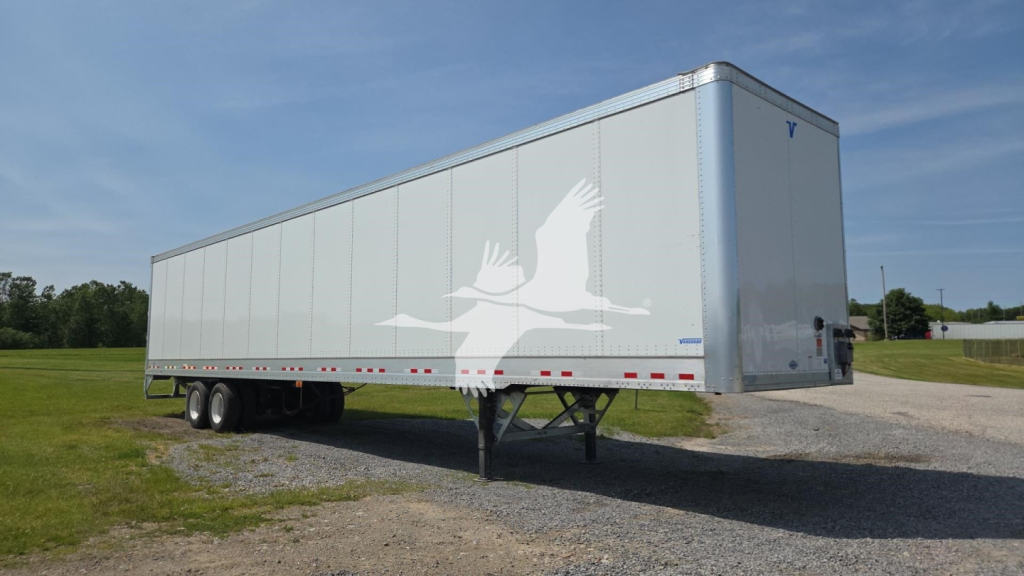
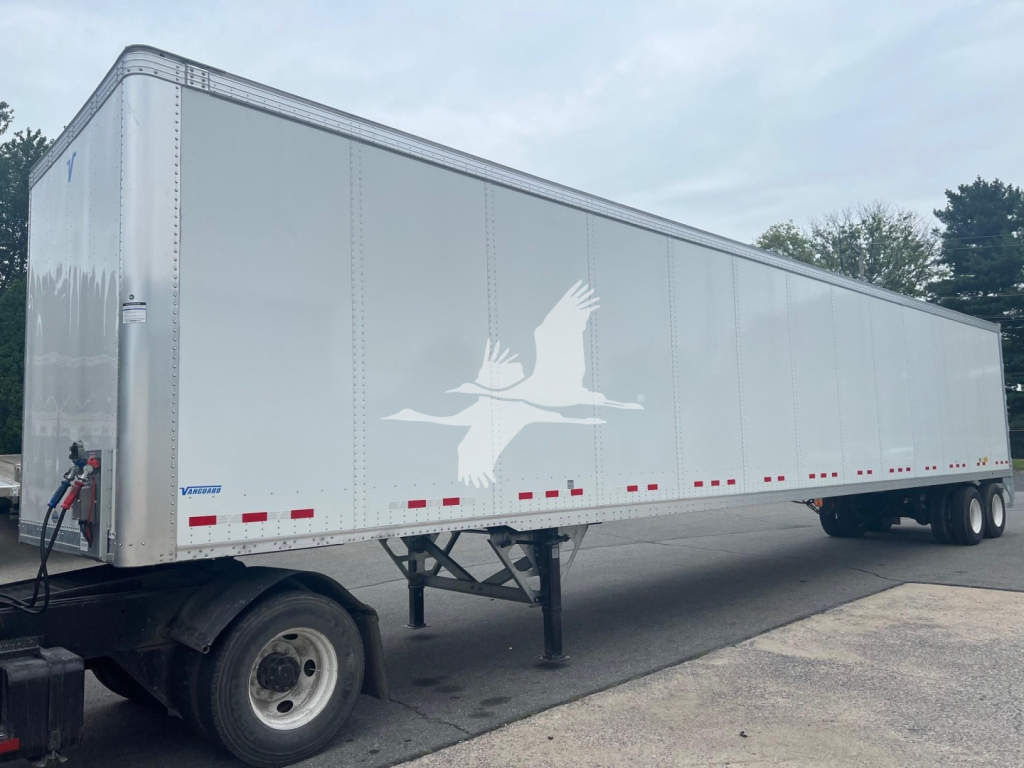
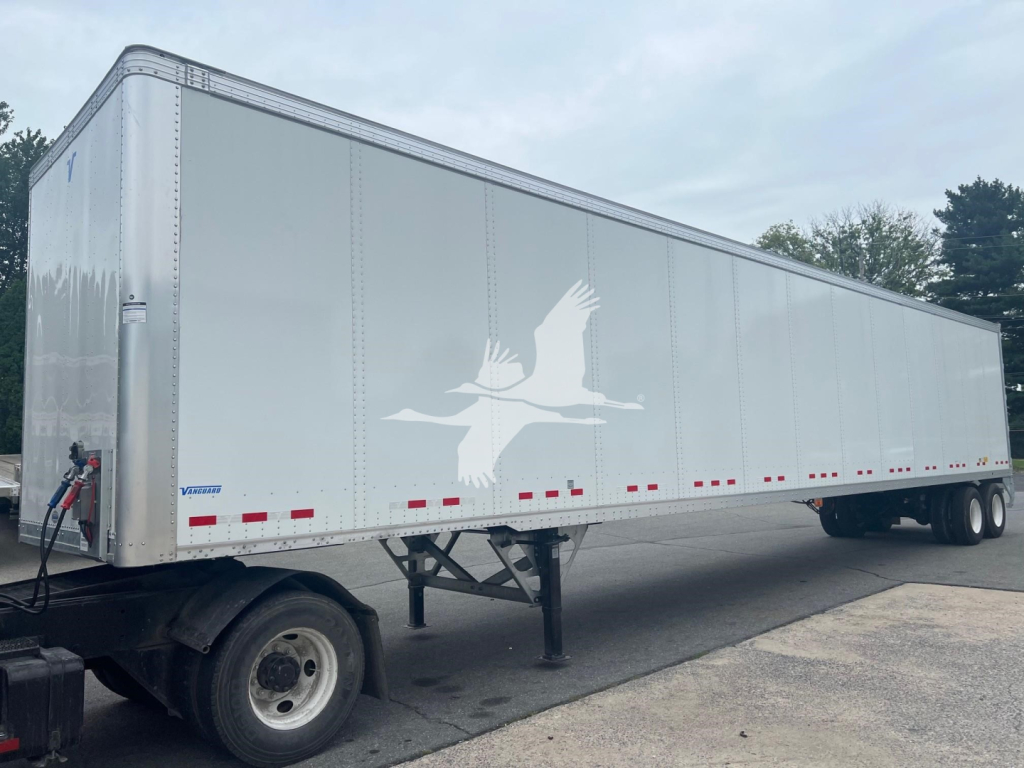
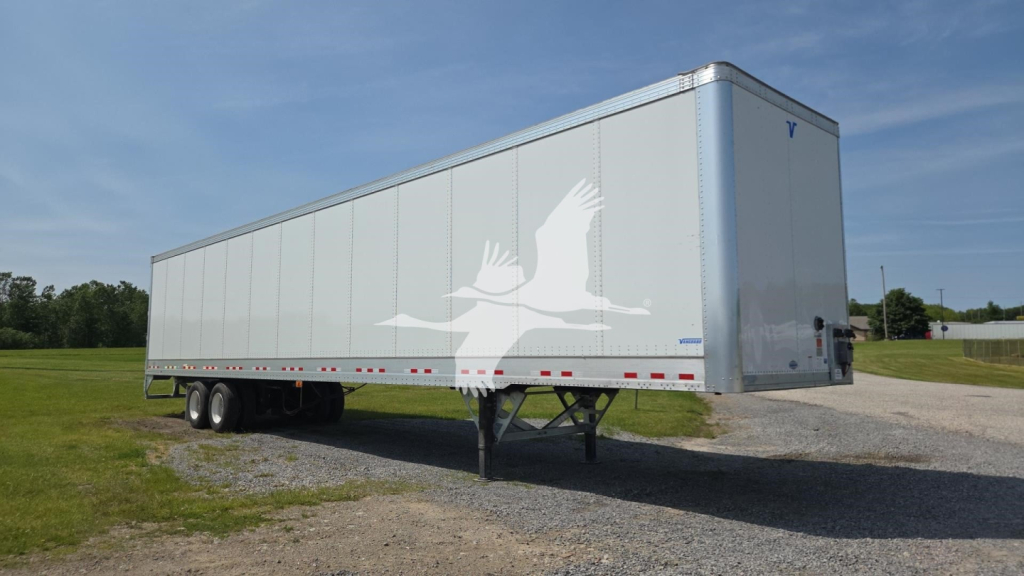
Have used 2026 van trailer to sell? List it here to reach thousands of buyers.
Used 2026 Van Trailers in Pennsylvania
The first buying decision is usually structure and cargo handling setup. Dry vans in this class commonly come with swing doors or roll doors, and some may include a liftgate for route delivery or dock-limited customers. Swing doors are still the common choice for full dock access and simpler maintenance. Buyers should also pay close attention to floor condition, especially on used vans expected to handle concentrated forklift traffic. Hardwood laminated oak floors, threshold plates, scuff bands, side liners, nose liners, and logistics posts all affect long-term durability and load securement flexibility. If freight tends to shift, plated sidewalls, galvanized scuff protection, and logistics post spacing can make a noticeable difference in how the trailer holds up over time.
Running gear matters just as much as the box. Most van trailers in this segment use tandem axles with air ride suspension and a sliding tandem, often set up around a 49-inch suspension setting, with common tire sizes such as 295/75R22.5. Air ride is the standard for protecting dry freight and reducing vibration on rough Northeast roads. A 36-inch kingpin setting and 12-inch crossmember spacing are common on fleet-spec dry vans because they balance compatibility, floor support, and operational flexibility. Buyers in Pennsylvania should also look closely at rear frame condition, landing gear, roof integrity, crossmember corrosion, and galvanized components around the rear impact area, especially if the trailer has spent time in winter-service regions where road salt accelerates wear.
A used 2026 van trailer can be a strong fit for carriers, private fleets, and owner-operators that need a late-model box without stepping into new-trailer pricing. The best unit for the job depends on freight type more than brand name alone. A trailer hauling light packaged goods may prioritize cube and clean interior condition, while one working dense palletized freight should be evaluated for floor rating, crossmember spacing, dock damage, and tandem operation. Also known as a dry van trailer, this equipment category remains the most versatile enclosed trailer in the market because it protects freight from weather, supports high freight compatibility, and works across distribution, retail, manufacturing, and dedicated contract haul applications.
Frequently Asked Questions about Used 2026 Van Trailers in Pennsylvania
What are the standard dimensions for a dry van trailer?
The standard dry van trailer is typically 53 feet long, 102 inches wide, and 13 feet 6 inches tall overall. Interior width is usually about 101 inches, and inside height is commonly around 110 inches. Those dimensions allow the trailer to handle standard palletized freight, boxed consumer goods, and general dry cargo while remaining compatible with common dock and highway regulations.
What should I inspect first on a used van trailer?
Start with the floor, roof, rear frame, suspension, and tandem slide. Floor wear from forklifts is one of the biggest cost factors on a used dry van, especially near the rear and threshold. Buyers should also inspect crossmembers for corrosion or damage, check the roof skin and bows for leaks or punctures, confirm the doors seal correctly, and look at air ride components, tires, brakes, and landing gear for deferred maintenance.
Is air ride suspension important on a van trailer?
Yes. Air ride suspension is the preferred setup for most dry van applications because it reduces shock and vibration compared with mechanical suspension. That helps protect freight such as packaged goods, electronics, retail inventory, and other damage-sensitive loads. Air ride is also common in fleet-spec trailers, so it tends to be easier to match with mainstream shipper expectations and resale demand.
What door style is better on a dry van, swing doors or roll doors?
Swing doors are generally better for full rear opening access, simpler repair, and dock efficiency on standard truckload freight. Roll doors can be useful in route delivery work or locations where rear clearance is limited, but they reduce full opening height and add moving parts. The right choice depends on loading method, dock setup, and how often the trailer is opened during the day.
Why do buyers care about kingpin setting and sliding tandem position?
Kingpin setting and tandem position affect axle weight distribution, bridge law compliance, and tractor-trailer compatibility. A common 36-inch kingpin setting works well with many fleet tractors, while a sliding tandem gives the driver flexibility to adjust axle weights and meet state bridge requirements. In Pennsylvania and across the Northeast, that adjustment range is especially useful when running mixed routes and varying payload densities.