
Used 2026 Vanguard Van Trailers For Sale
Shop used 2026 Vanguard van trailers. Compare 53-foot dry van specs, air-ride suspensions, sliding tandems, floors, doors, and trailer setup.
Have used 2026 vanguard van trailer to sell? List it here to reach thousands of buyers.
Used 2026 Vanguard Van Trailers
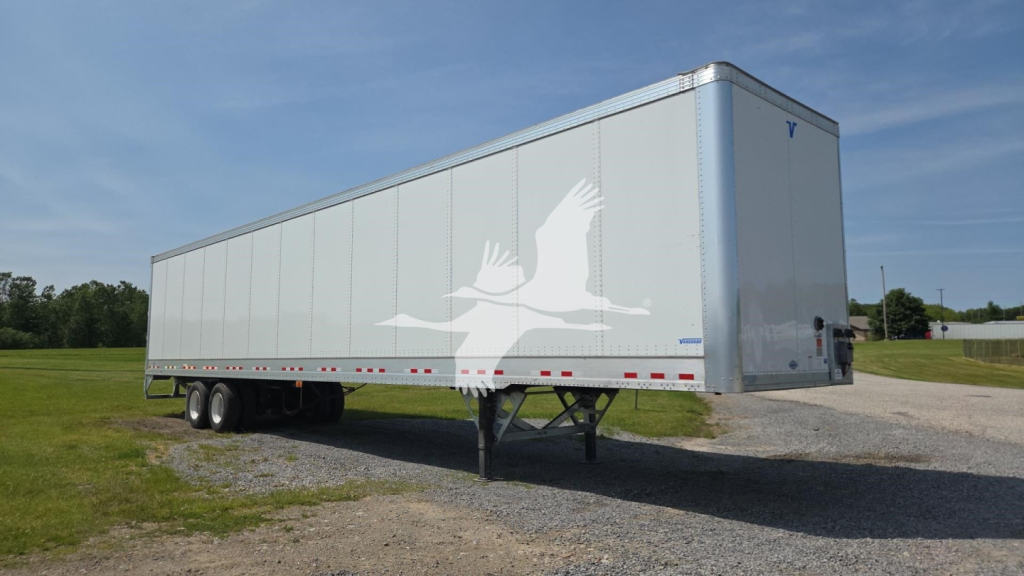
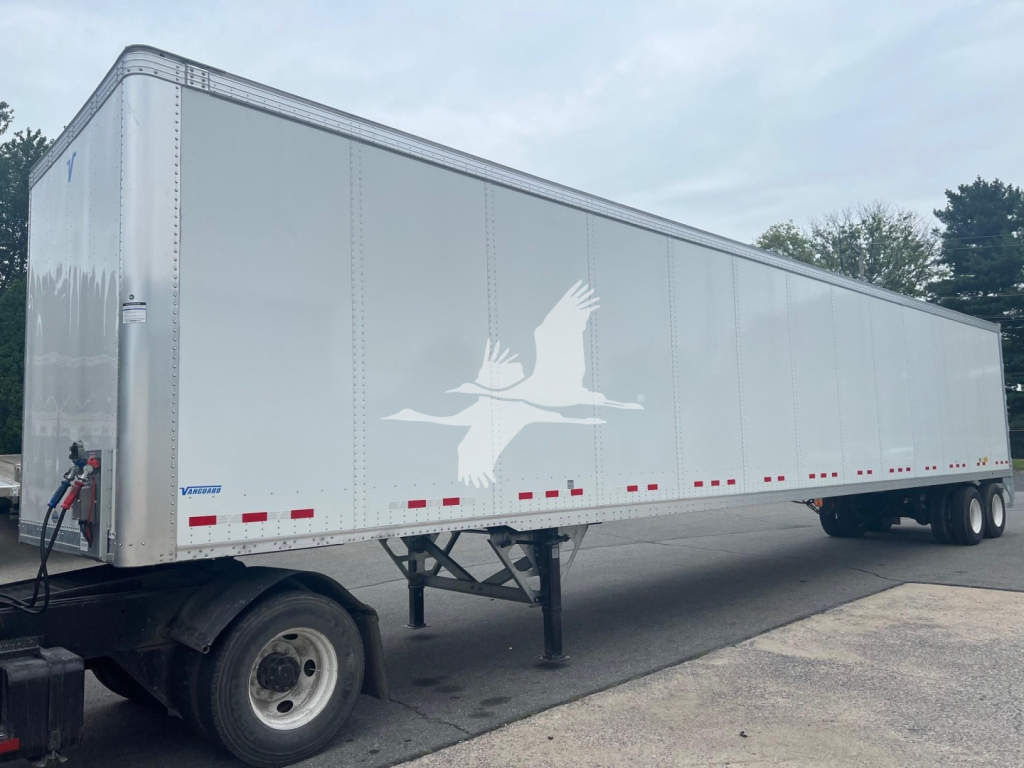
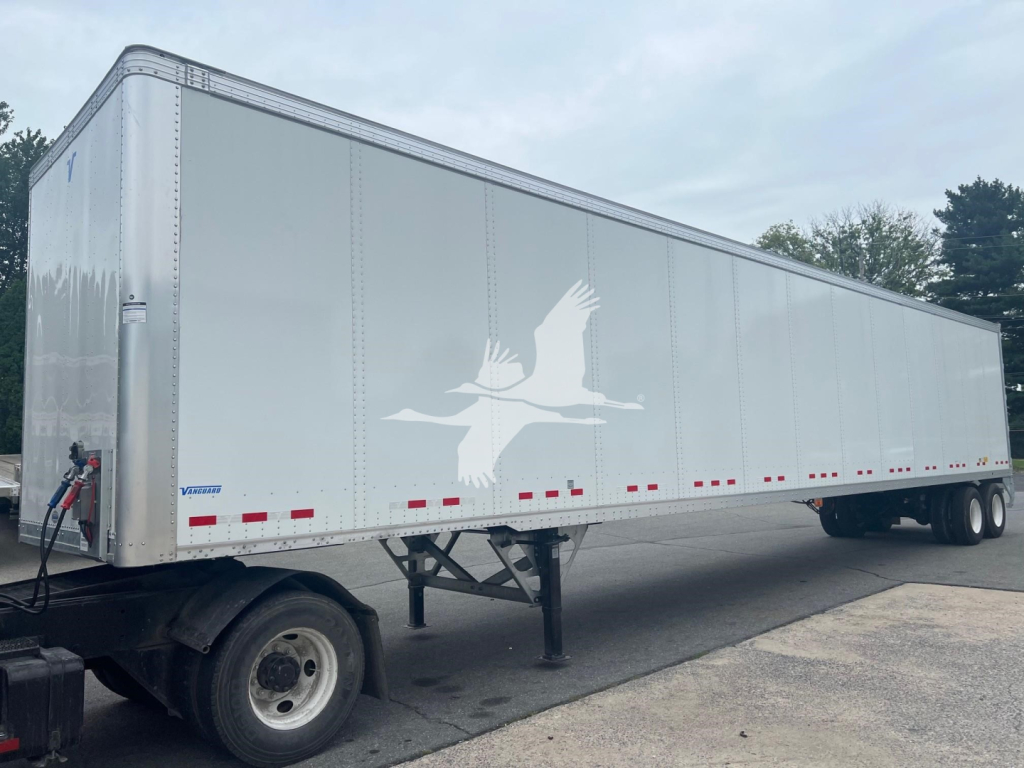
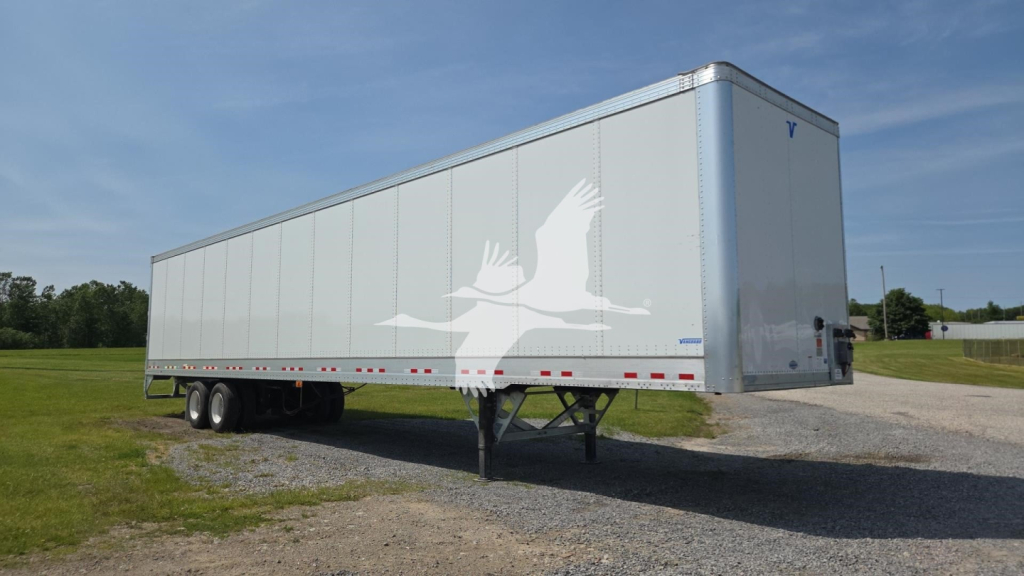
Vanguard van trailers are widely used in general freight, retail distribution, dedicated contract freight, and drop-and-hook lanes. Common configurations include a 36-inch kingpin setting, 49-inch sliding tandem, 216-inch slide rails, and 295/75R22.5 tires. Many units are equipped with logistics posts on 48-inch spacing, integrated scuff protection, 1 3/8-inch oak floors, and galvanized threshold plates reinforced for repeated forklift traffic. If the trailer is going into grocery, packaging, or mixed pallet freight, pay close attention to floor fastener condition, threshold wear, rear door alignment, and signs of wall impact around the logistics track and lower scuff areas.
On used late-model Vanguard vans, suspension and undercarriage condition matter as much as body appearance. Hendrickson air-ride setups are common, and buyers should inspect slider operation, suspension bushings, brake life, wheel-end service history, and corrosion around the slider box, crossmembers, and landing gear mounts. Rear frame galvanizing is a plus in regions with road salt or heavy wash cycles. Dock-lock bumper reinforcement, anti-snag roof bows, and composite rear door panels are also practical details that reduce downtime in fleet service. If the trailer will run heavy cube freight, verify GVWR, floor rating, and crossmember spacing rather than assuming all 2026-spec dry vans are built the same.
Door style and interior layout should match the freight profile. Swing doors are the standard choice for linehaul and full dock loading because they maximize opening height and simplify maintenance. Roll-up doors, liftgates, and tire inflation systems show up less often on van trailers but can be useful in route delivery or final-mile applications. A buyer comparing used 2026 Vanguard van trailers should weigh tare weight, dock protection, floor construction, sidewall spec, and suspension brand against the trailer's actual service history. The best fit is usually the trailer whose build sheet matches the freight, lanes, and loading environment, not simply the newest-looking van.
Frequently Asked Questions about Used 2026 Vanguard Van Trailers
What are the most common specs on a Vanguard dry van trailer?
The most common Vanguard van trailer configuration is a 53-foot by 102-inch dry van with a 13-foot 6-inch overall height, tandem axles, and a sliding air-ride suspension. Many are built with swing doors, composite plate sidewalls, aluminum roofs, oak floors, and galvanized rear frame components. Common running gear details include a 36-inch kingpin setting, 49-inch slider setting, and 295/75R22.5 tires. Exact specs vary by fleet order, so floor construction, crossmember spacing, and scuff liner design should always be verified on the individual trailer.
Is a Vanguard van trailer a good choice for general freight?
Yes. Vanguard dry vans are commonly used for palletized general freight, retail freight, consumer goods, packaging, and other non-temperature-controlled cargo. They are designed around standard dock loading, full-width pallets, and high-cycle linehaul use. A properly spec'd van trailer can handle a wide range of freight, but buyers should still match the trailer's floor rating, wall construction, and door setup to the cargo and loading method they expect to run.
What should I inspect on a used 2026 Vanguard van trailer before buying?
Start with the high-wear areas that affect service life and repair cost. Check the floor for forklift damage, soft spots, delamination, and threshold wear. Inspect the sidewalls and scuff areas for impact damage, the roof and bows for repairs or leaks, and the rear frame for dock strikes and corrosion. On the chassis, inspect slider travel, suspension condition, brake components, tires, wheel ends, and landing gear operation. Door seals, hinge condition, and door alignment are also important because they directly affect weather protection and loading efficiency.
Why does crossmember spacing matter on a dry van trailer?
Crossmember spacing affects floor support, durability, and how the trailer handles concentrated forklift loads. Tighter spacing generally provides better floor support and can help reduce flex in severe dock service. Wider spacing may save weight, but it can be less forgiving in heavy-cycle applications if the trailer is routinely loaded with dense pallet freight. Buyers running beverage, paper, or other heavy palletized cargo should pay close attention to the trailer's floor and understructure spec rather than treating all dry vans as interchangeable.
Are swing doors better than roll-up doors on a van trailer?
For most over-the-road dry van applications, swing doors are the standard and usually the better choice. They provide a full rear opening, tend to be simpler to maintain, and are well suited for dock loading and linehaul freight. Roll-up doors can be useful for route delivery or operations with repeated rear access in tight areas, but they add weight and reduce clear opening height. The right choice depends on the loading environment and how often the trailer is opened away from a dock.