
Used 2024 Trailers For Sale in Pennsylvania
Browse used 2024 trailers for sale in Pennsylvania, including dry vans, flatbeds, and more with current specs, applications, and buyer guidance.
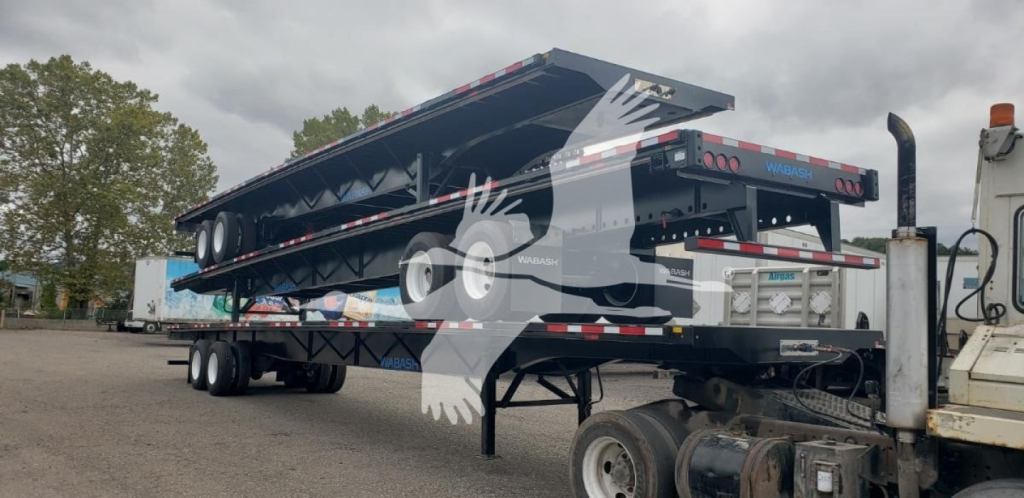
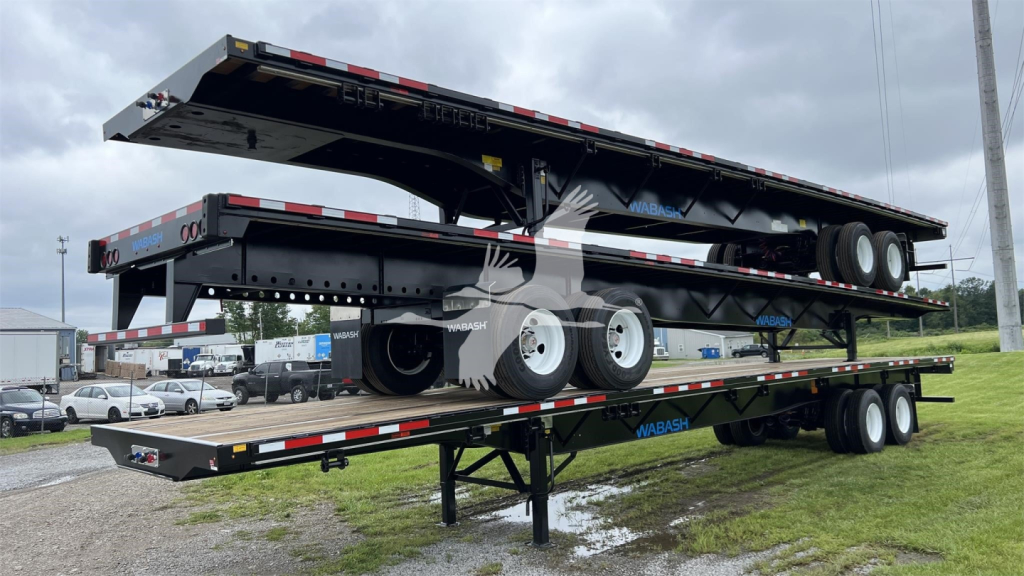
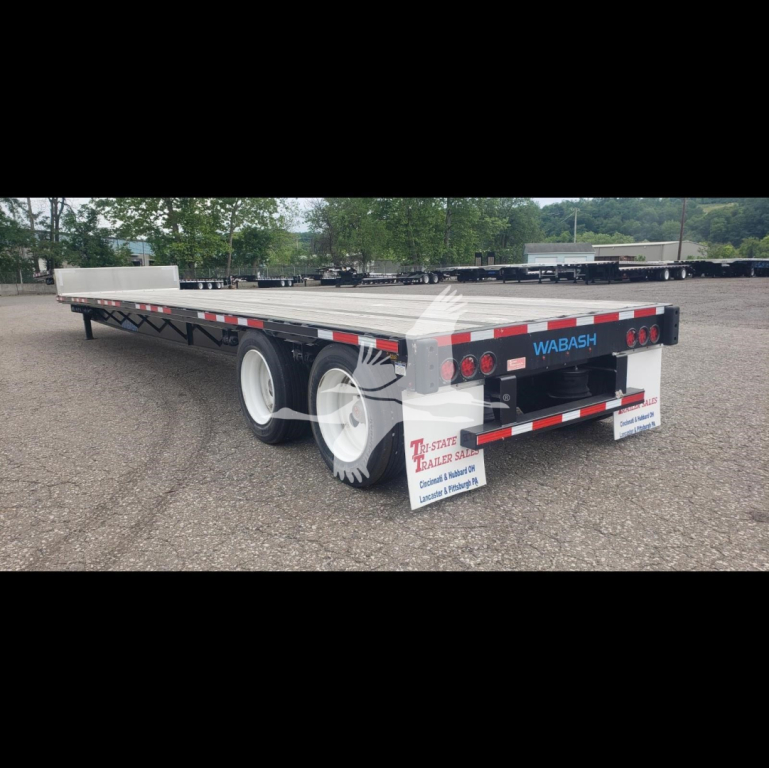
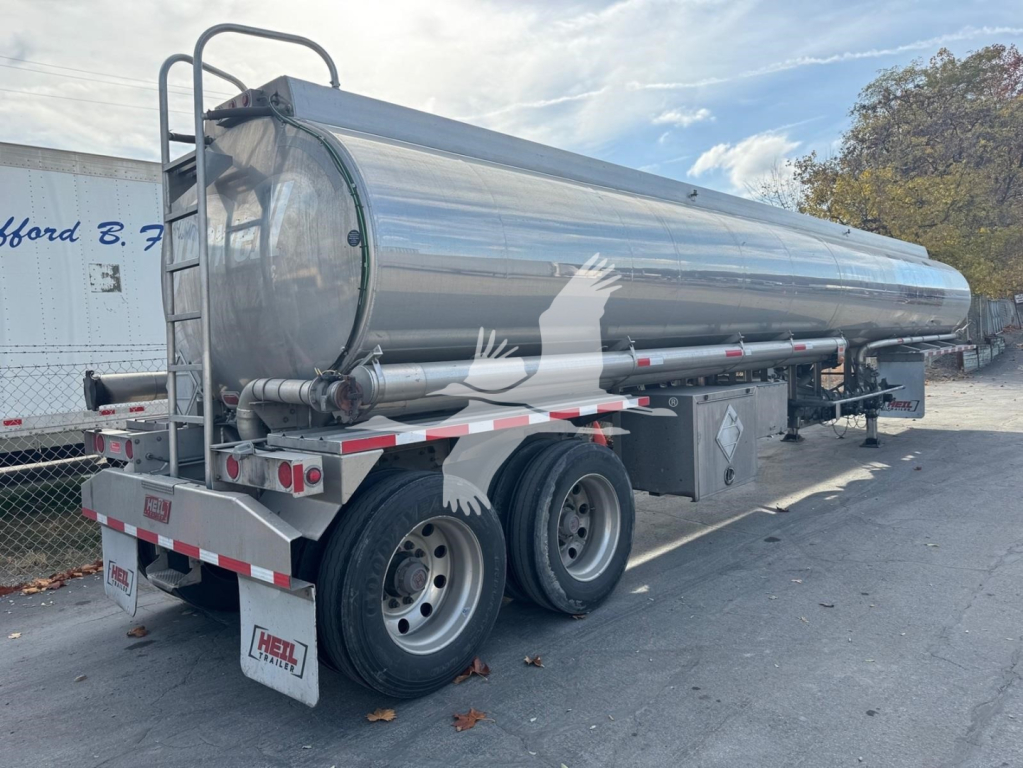
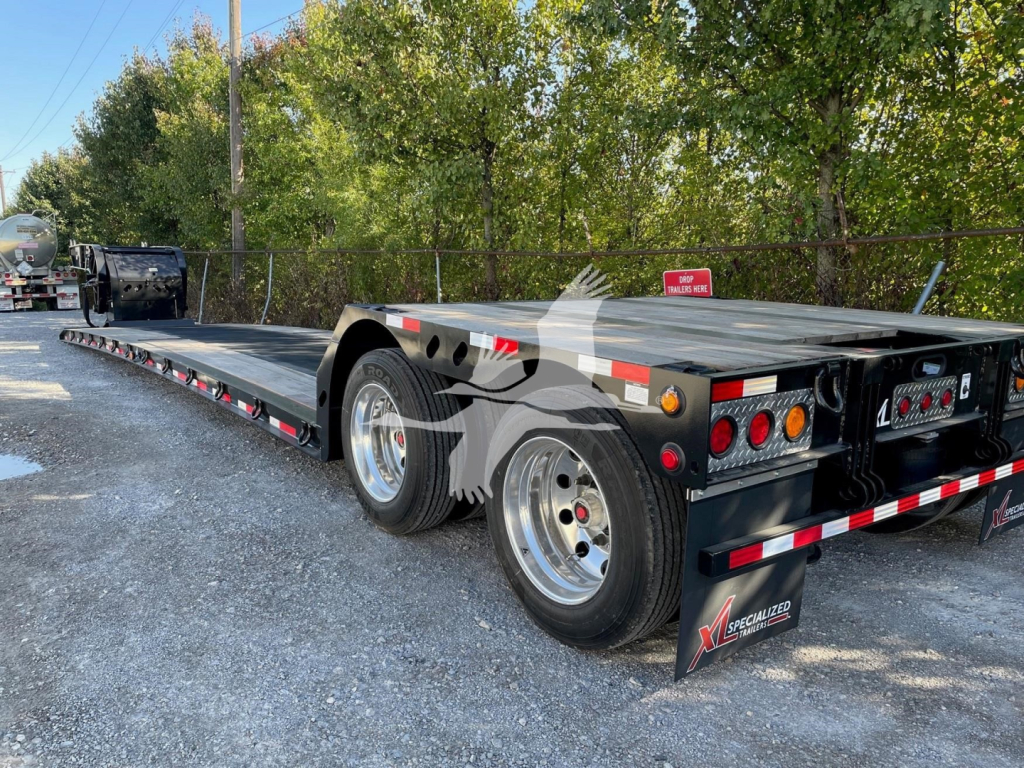
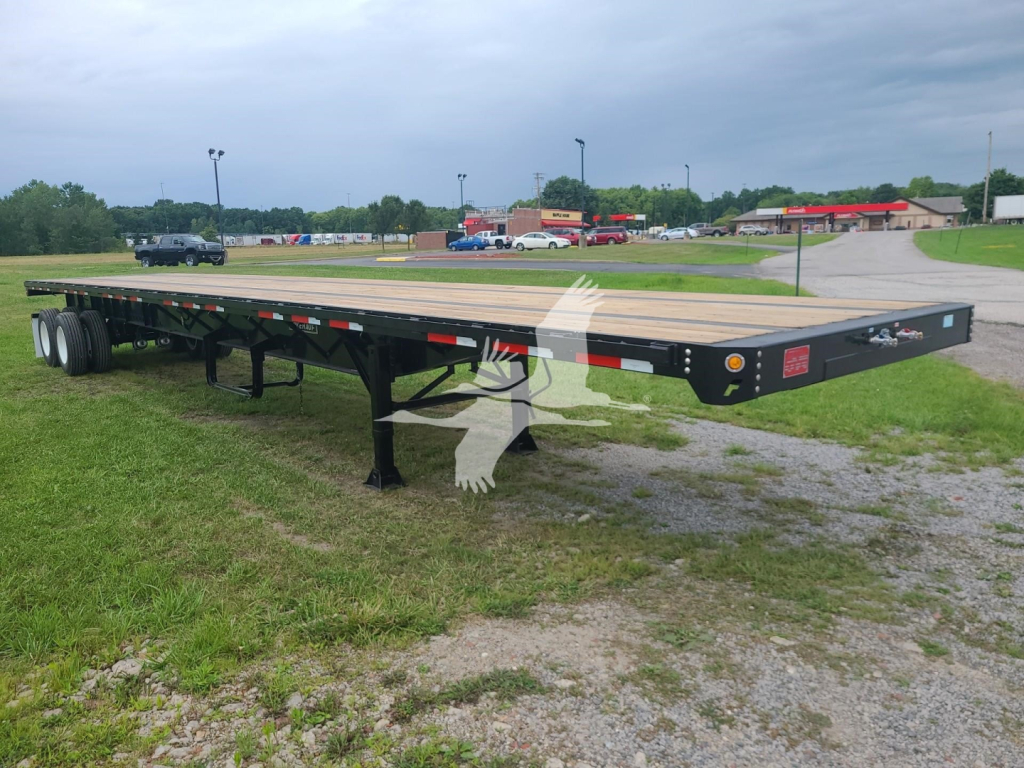
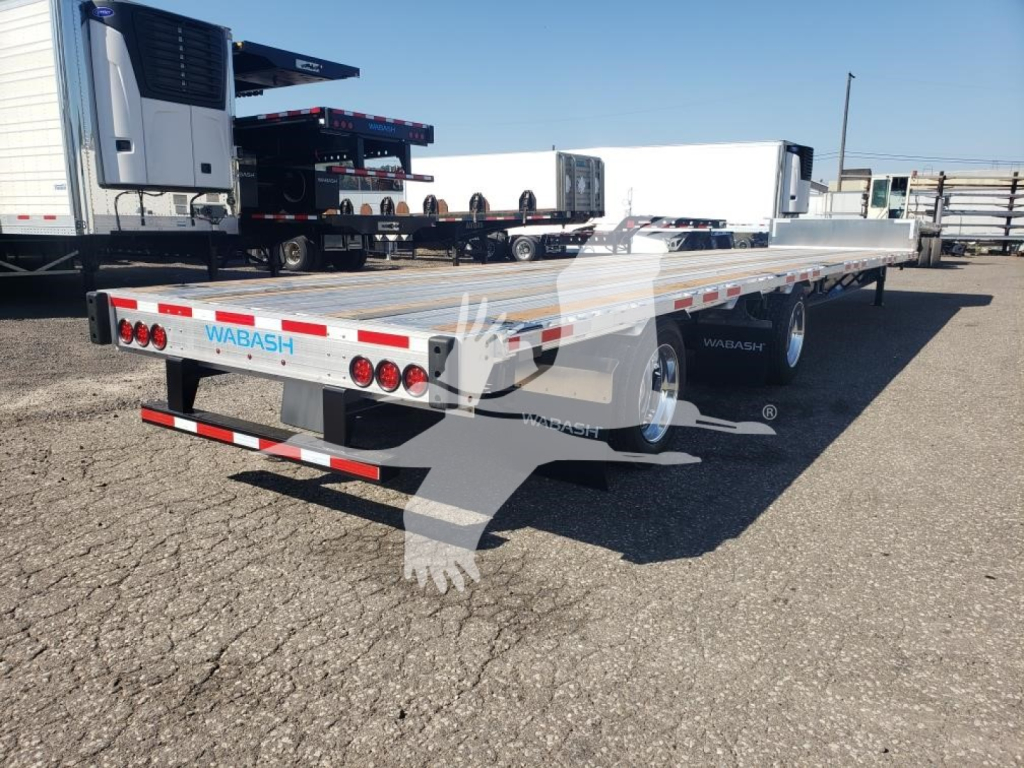
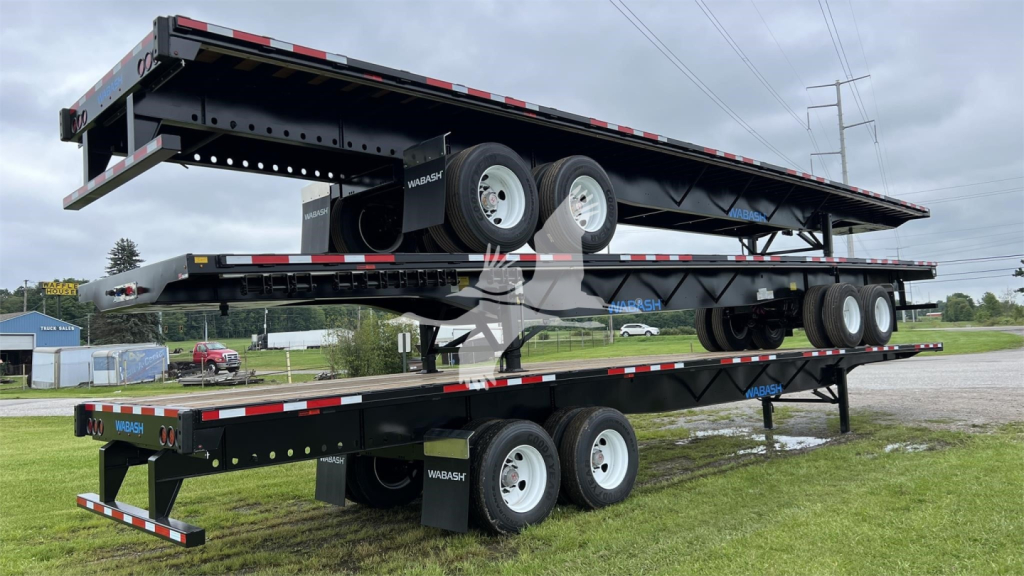
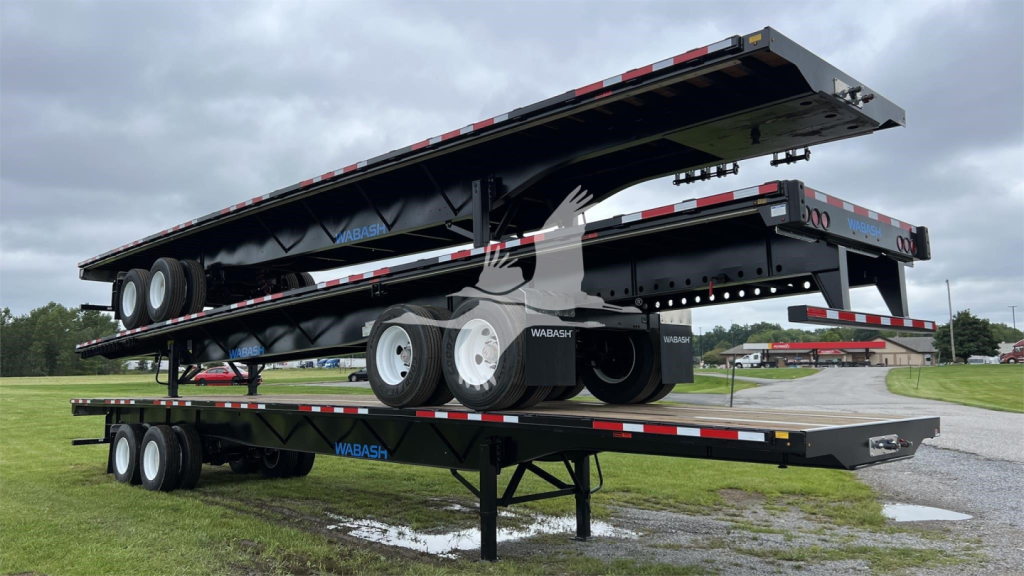
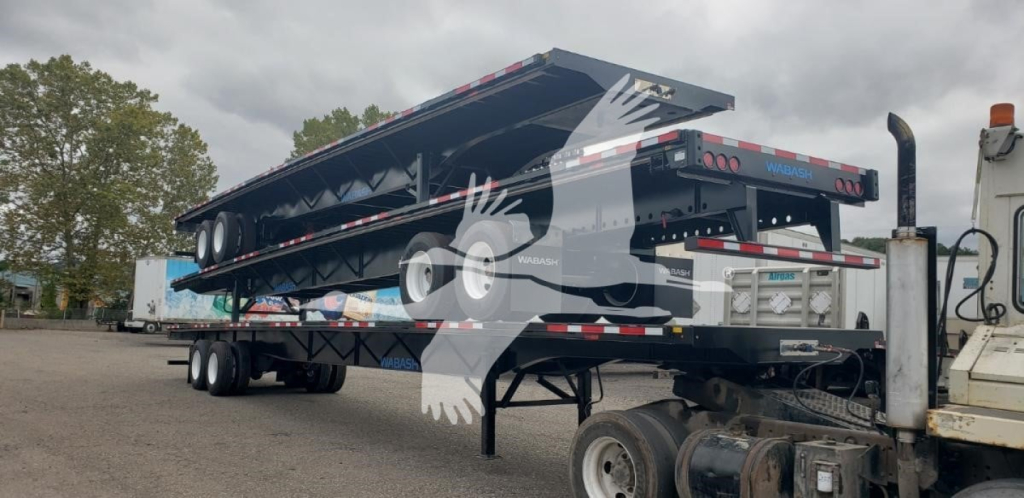
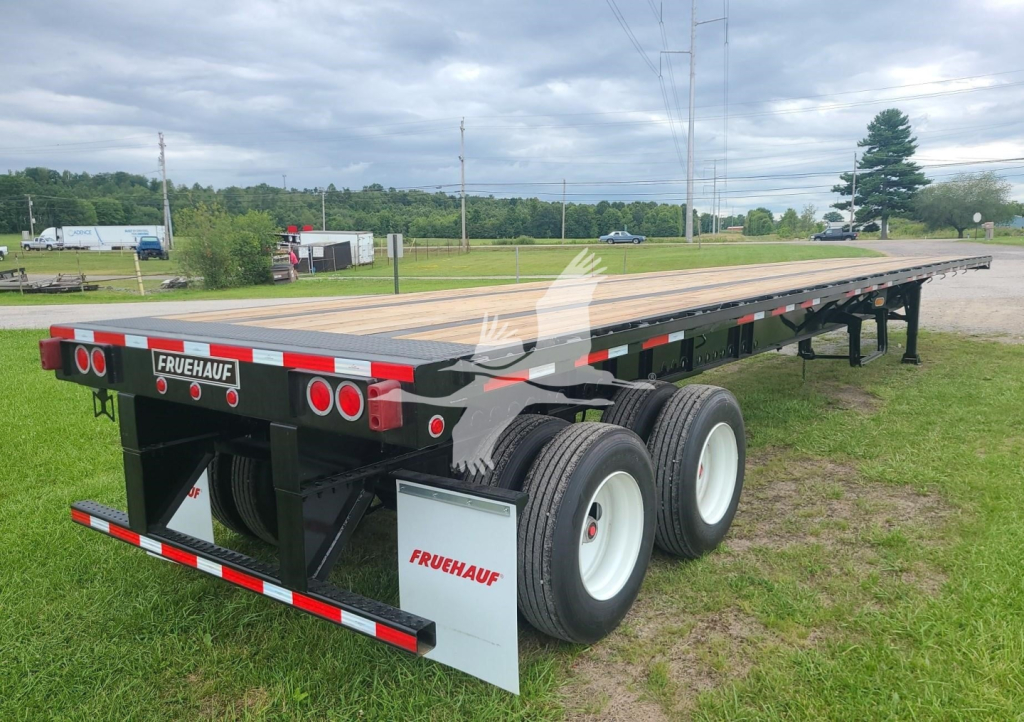
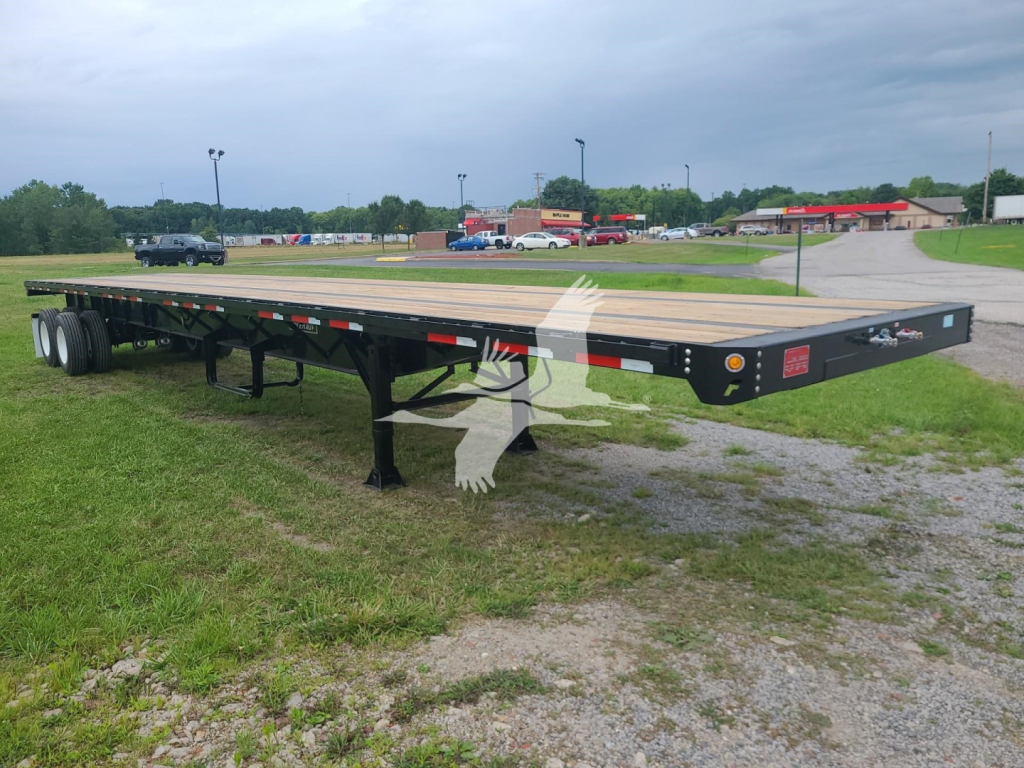
Showing 1 to 24 of 53 results
Have used 2024 trailer to sell? List it here to reach thousands of buyers.
Used 2024 Trailers in Pennsylvania
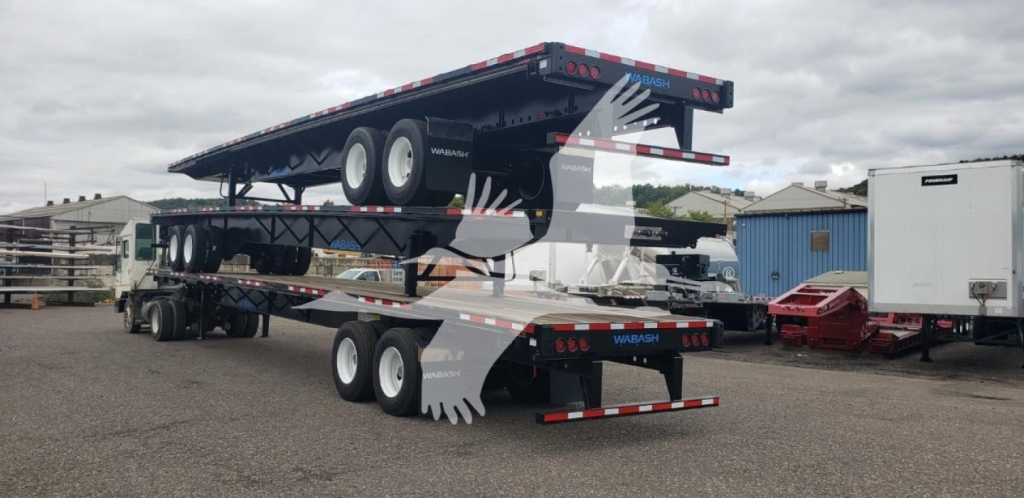
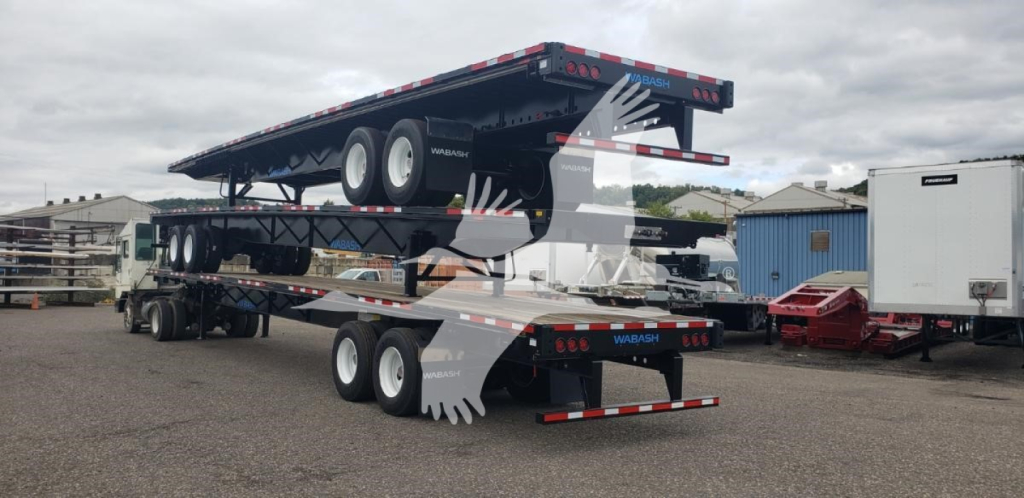
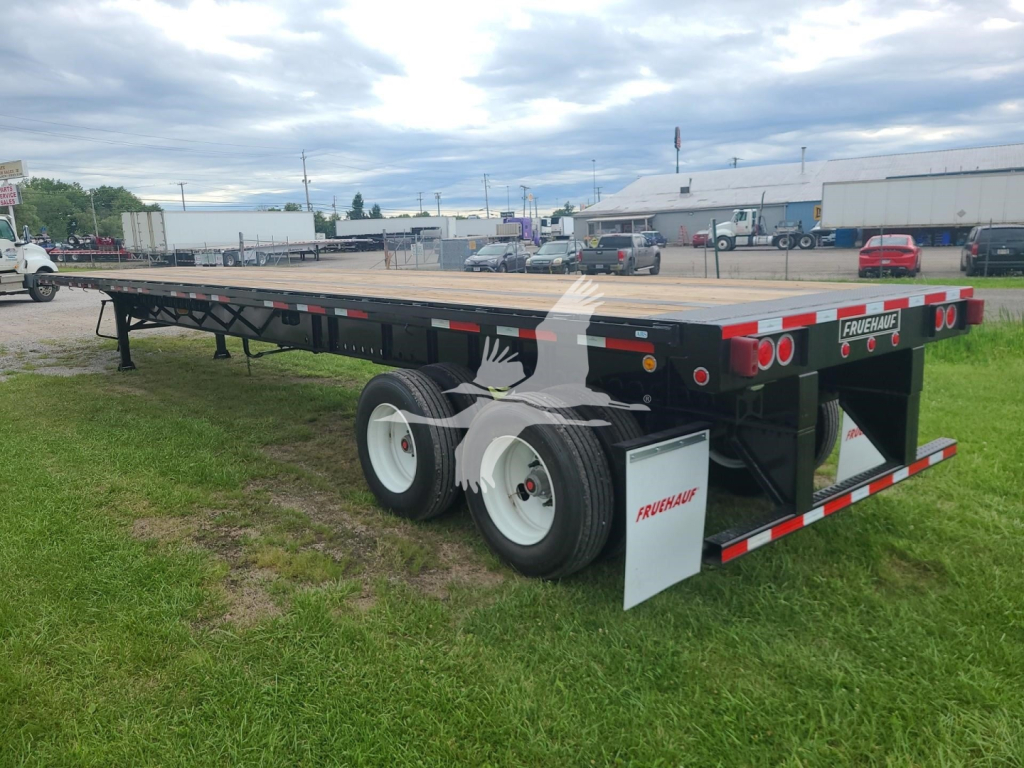
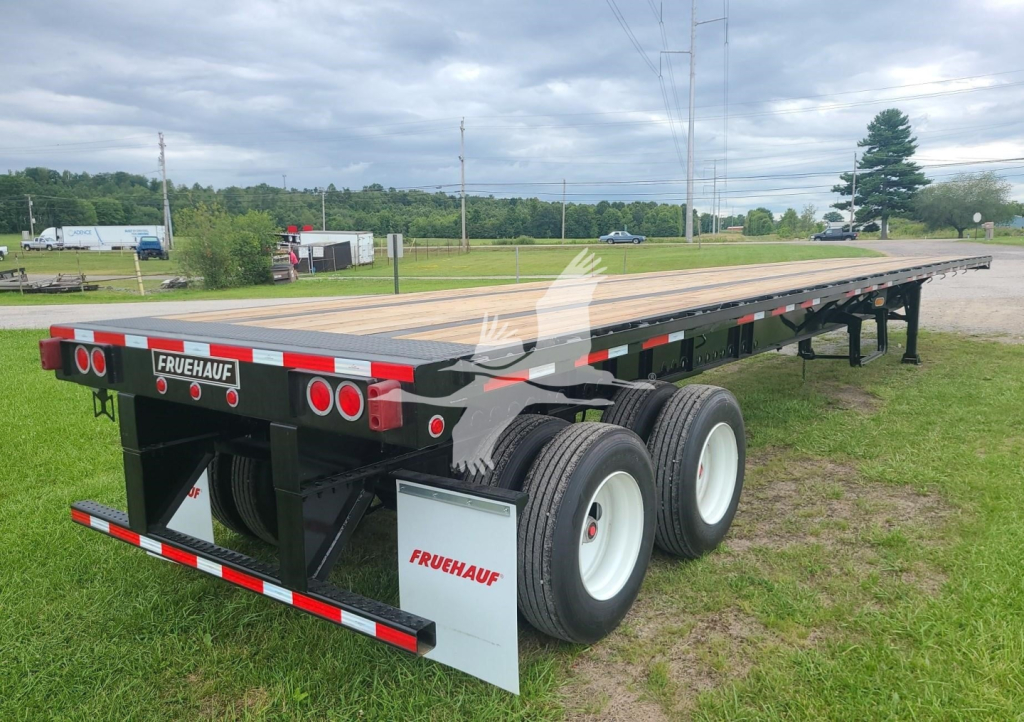
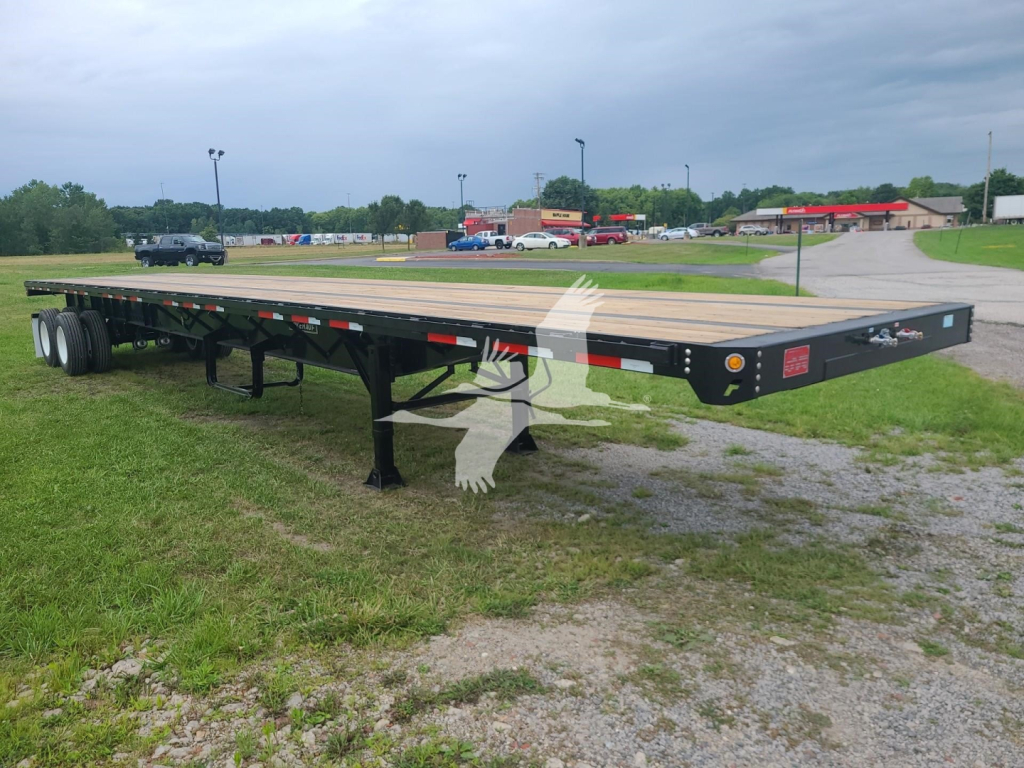
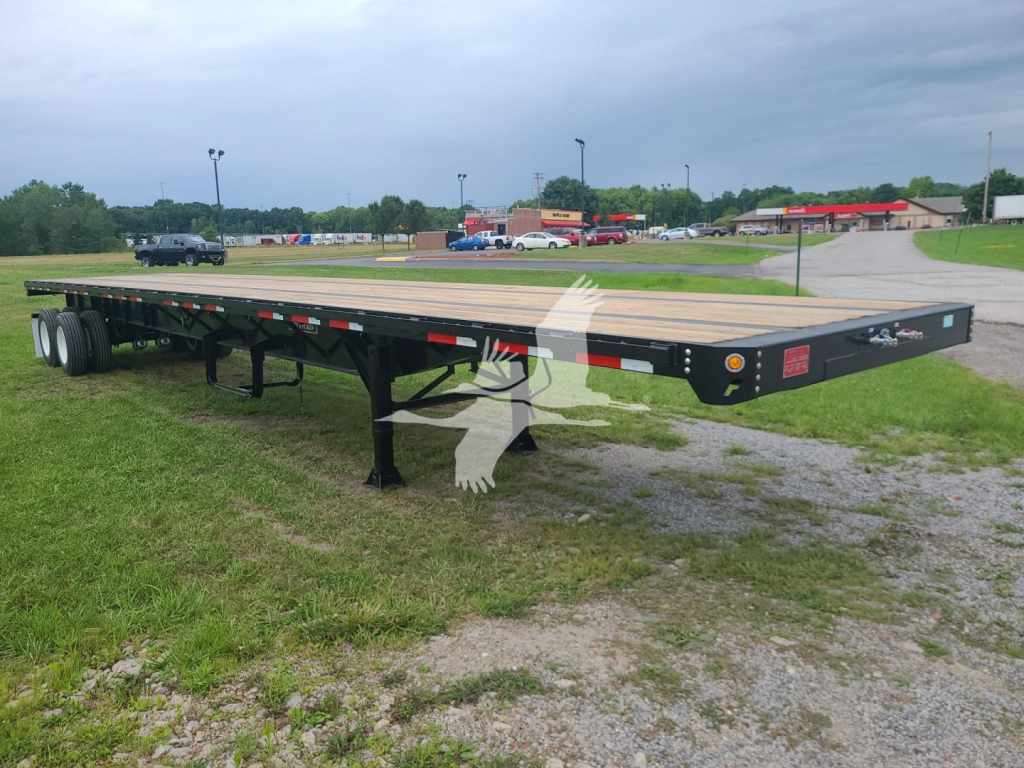
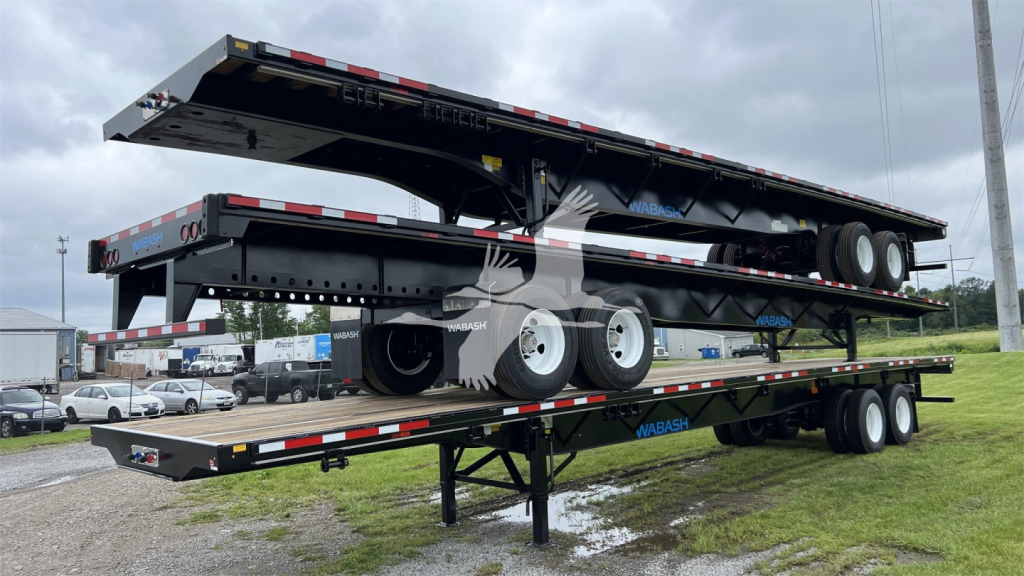
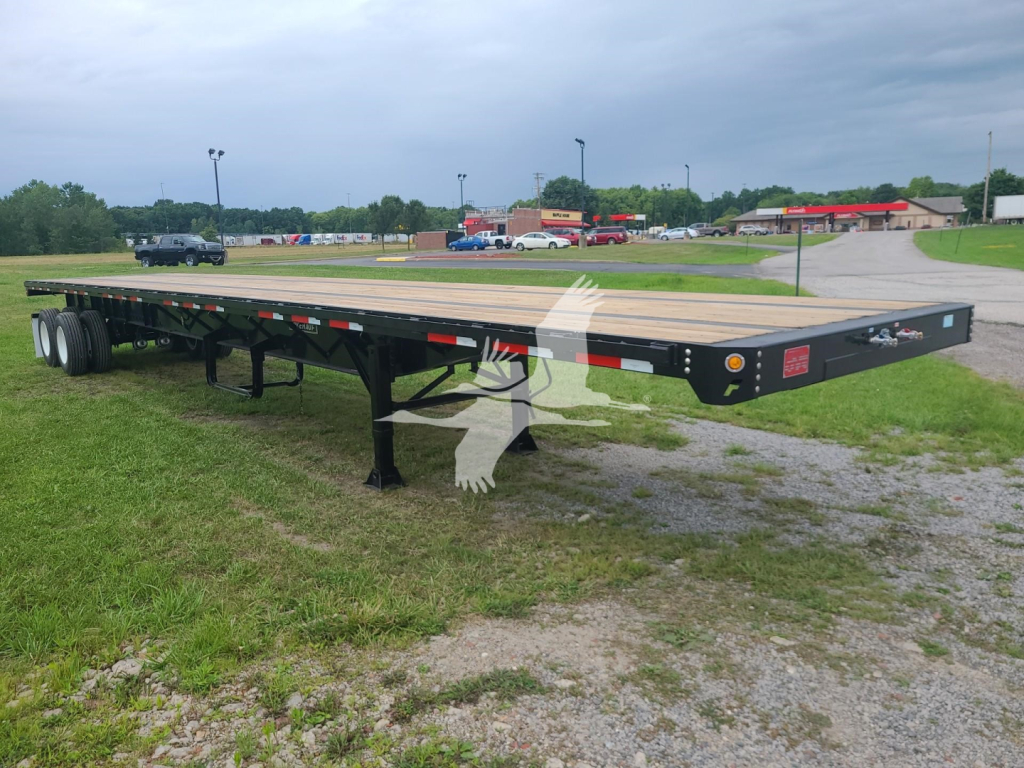
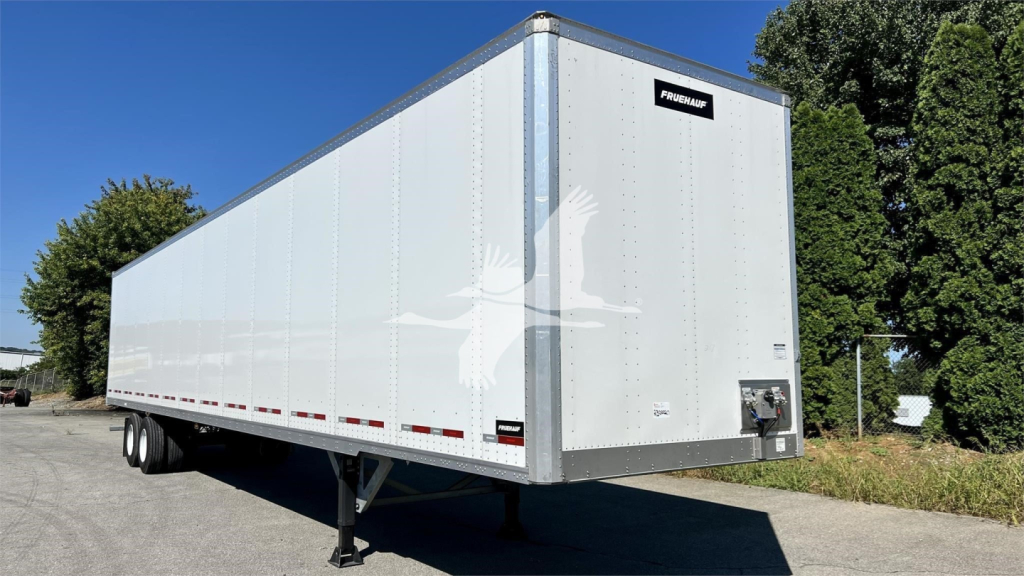
Dry vans and flatbeds tend to dominate this part of the market, and each category brings a different inspection priority. On a used 2024 dry van, pay close attention to inside height, floor condition, rear frame integrity, door opening, logistics post spacing, scuff liner setup, roof bow spacing, and tandem slide operation. Pennsylvania buyers running warehouse freight, retail, food-grade packaged goods, or general dry freight often focus on 53-foot x 102-inch vans with air ride, swing doors, oak floors, and galvanized components that hold up well in wet and salted road conditions. On a used 2024 flatbed, key items include deck material, crossmember spacing, kingpin setting, suspension brand, coil package, winch track layout, tiedown equipment, and axle rating. If the trailer will haul steel, machinery, building products, or palletized freight that needs side loading, those details matter more than the badge on the nose.
Regional use in Pennsylvania adds another layer to the buying decision. A trailer that has spent time in the Northeast should be checked carefully for corrosion on the rear frame, landing gear mounts, crossmembers, brake components, and wiring connections. Buyers moving through Philadelphia, Pittsburgh, Harrisburg, Allentown, or into New Jersey, Ohio, and New York often want a versatile spec that can handle tight docks, heavy traffic, and mixed highway conditions. Sliding tandems, common kingpin settings, good dock bumpers, and compliant lighting are practical features, not just line-item specs. If the trailer is a flatbed, inspect side rails, aluminum components, suspension hangers, mud flap brackets, and any tire inflation system for signs of deferred maintenance or impact damage.
The best used 2024 trailer is usually the one with the clearest maintenance history and the right spec for the work. A late-model van with sound flooring, straight rails, healthy suspension, and clean rear doors can outperform a cheaper trailer that needs structural or brake work. The same is true for flatbeds, where deck wear, tiedown setup, and weight rating should line up with the loads you actually book. Buyers comparing used 2024 trailers for sale in Pennsylvania should look past model year alone and focus on freight compatibility, tare weight, component brands, and how easily the trailer can stay productive in a regional or over-the-road operation.
Frequently Asked Questions about Used 2024 Trailers in Pennsylvania
What should I inspect first on a used 2024 trailer?
Start with the structural and running gear items that affect uptime and compliance. On most trailers, that means the frame or side rails, crossmembers, suspension, brakes, tires, wheels, landing gear, lights, and wiring. On a dry van, inspect the floor, roof, rear frame, and doors for impact damage or water intrusion. On a flatbed, focus on deck condition, tiedown systems, winch tracks, and any signs of overloading around the kingpin area and suspension mounts. A 2024 model is still late-model equipment, but damage, poor repair work, and hard fleet use can show up quickly.
Are used 2024 trailers a good value compared with new trailers?
They often are, especially for buyers who want current design features without paying full new-equipment cost. A used 2024 trailer may still have modern suspension, brake, and corrosion-resistance specs that match current fleet standards. The value depends on maintenance history, miles, freight type, and whether the trailer’s configuration fits your operation. If the trailer needs little reconditioning and has the right dimensions, axle setup, and component package, it can offer a strong cost-per-mile advantage over both older used trailers and some new purchases.
What trailer specs matter most for Pennsylvania operations?
Corrosion resistance, brake condition, suspension health, and dock-friendly dimensions matter a great deal in Pennsylvania. Winter road treatment can be hard on rear frames, hardware, wiring, and landing gear, so galvanized components and clean undercarriage condition are important. Buyers also tend to prioritize air ride suspension, reliable tandem slides, legal axle spread configurations, and standard kingpin settings for flexibility across regional freight lanes. The right spec depends on whether the trailer is handling urban dock work, warehouse freight, construction materials, or longer interstate runs.
How do I choose between a used 2024 dry van and a used 2024 flatbed?
Choose based on freight type, loading method, and revenue per load, not just trailer age or purchase price. A dry van is built for protected freight, dock loading, and high-volume general freight applications. A flatbed is built for freight that cannot be loaded through a dock door or needs crane or side loading, such as steel, lumber, machinery, and construction materials. Flatbeds require more securement equipment and closer attention to deck and rail condition, while dry vans demand careful inspection of flooring, interior lining, and rear door sealing.
Does a late-model trailer still need a full maintenance review?
Yes. Model year alone does not tell you how the trailer was used, loaded, or maintained. Even a 2024 trailer can have uneven tire wear, brake wear, bent components, damaged floors, suspension issues, or corrosion if it has seen heavy regional service or poor repair practices. Review inspection records, service history, tire date codes, brake measurements, and any evidence of frame or body repair. A proper maintenance review helps confirm that the trailer’s condition matches its age and expected remaining service life.