
Used 2024 Van Trailers For Sale in Pennsylvania
Browse used 2024 van trailers in Pennsylvania. Compare 53-foot dry van specs, air-ride setups, flooring, logistics posts, and door options.
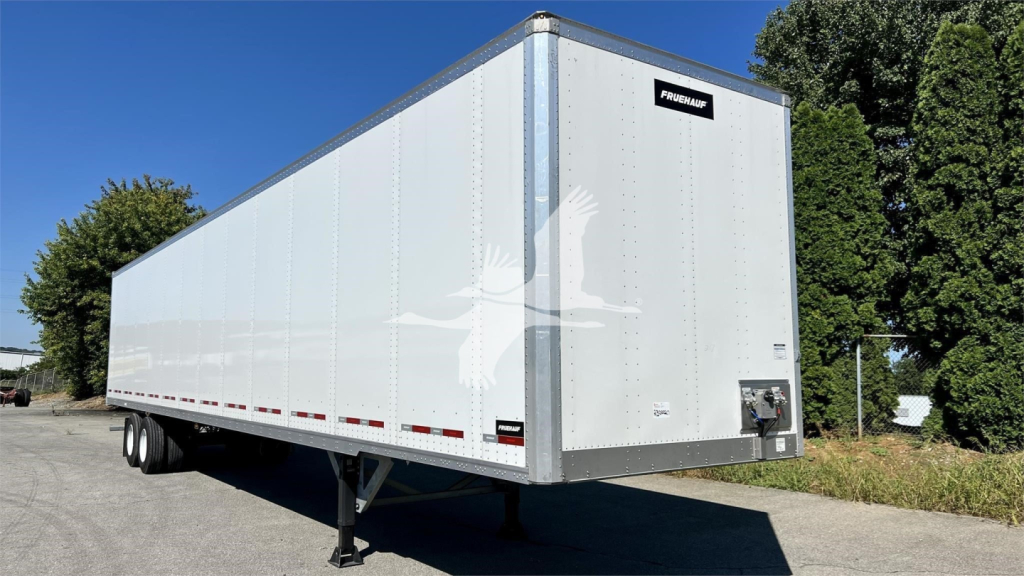
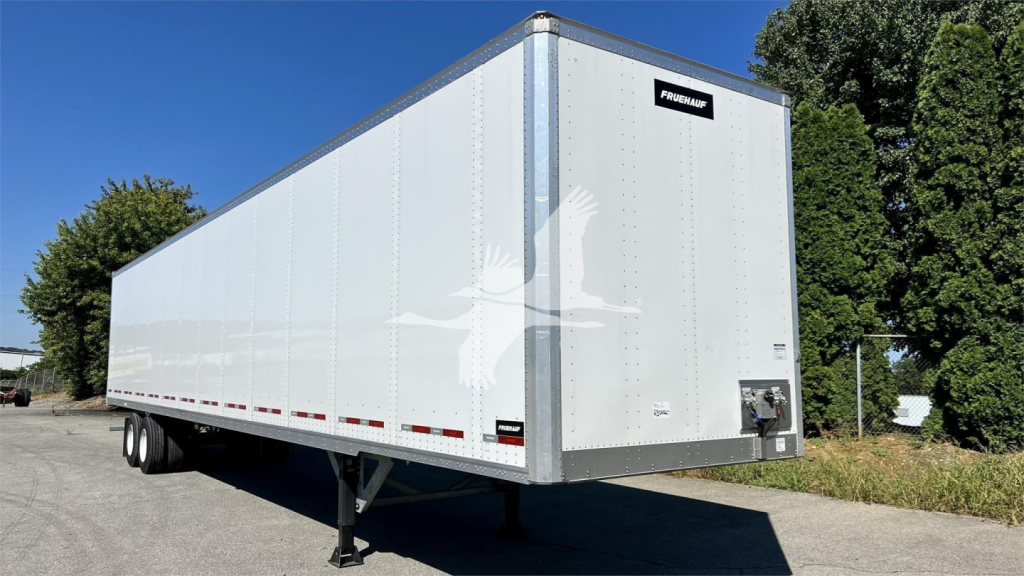
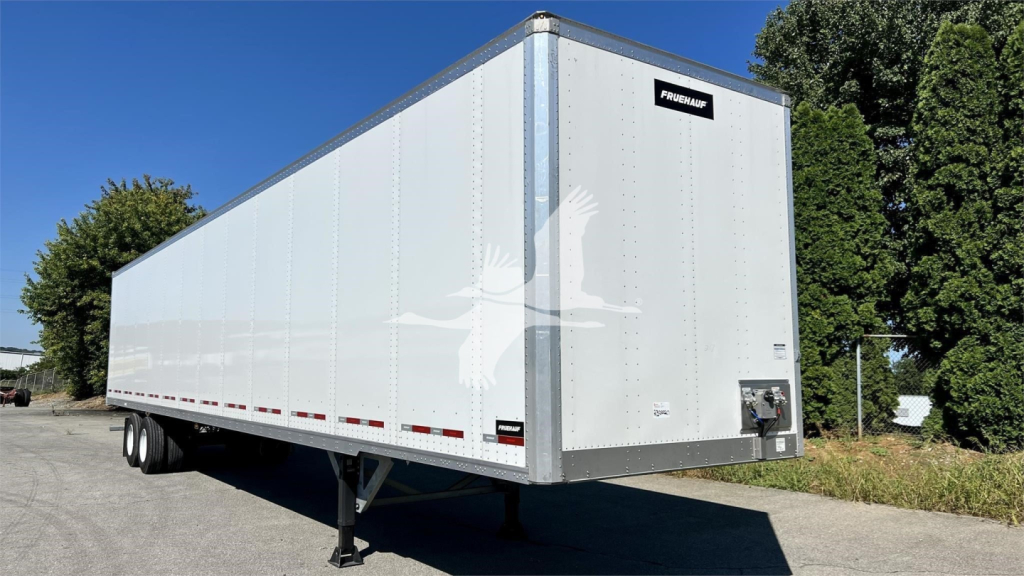
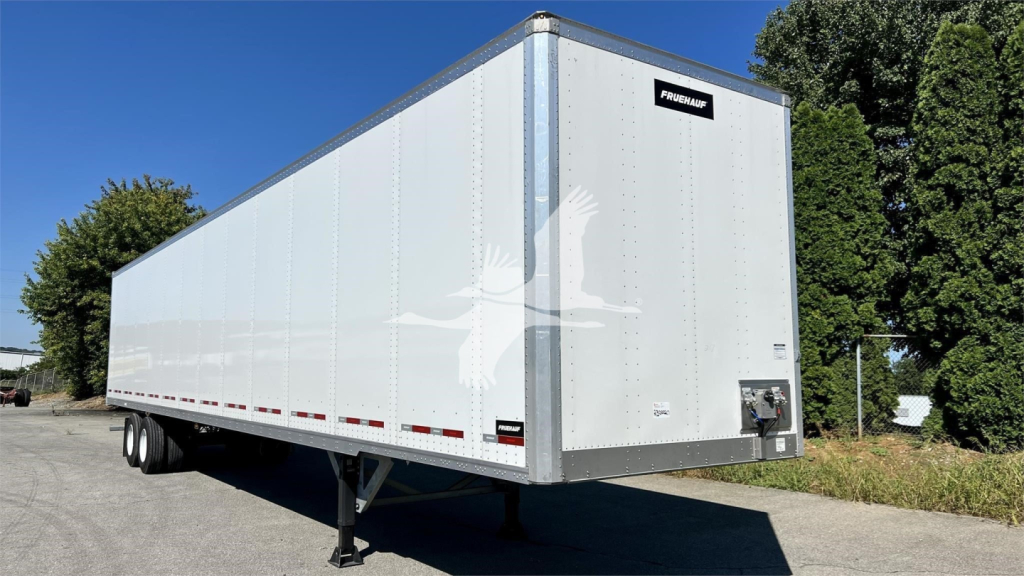
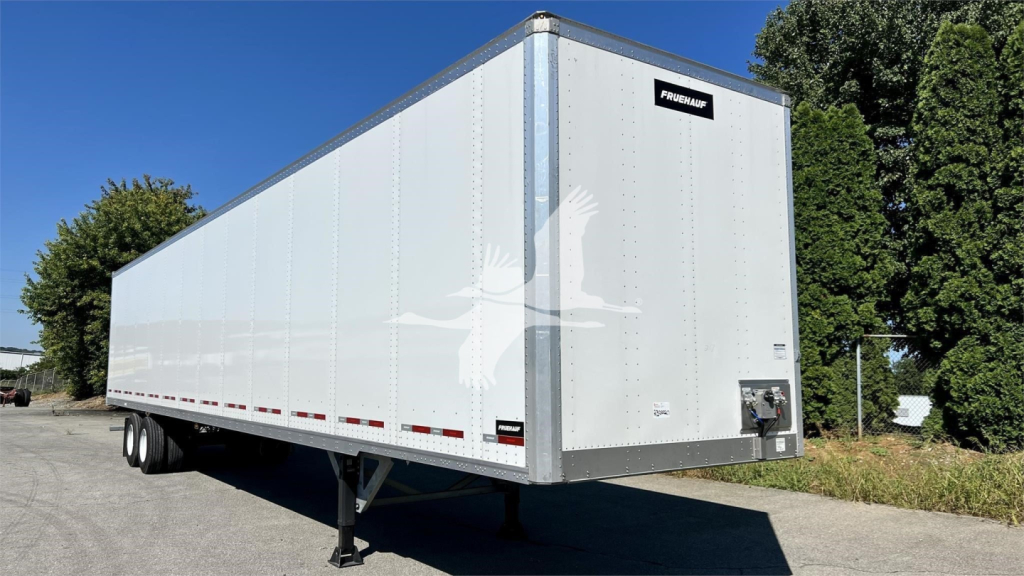
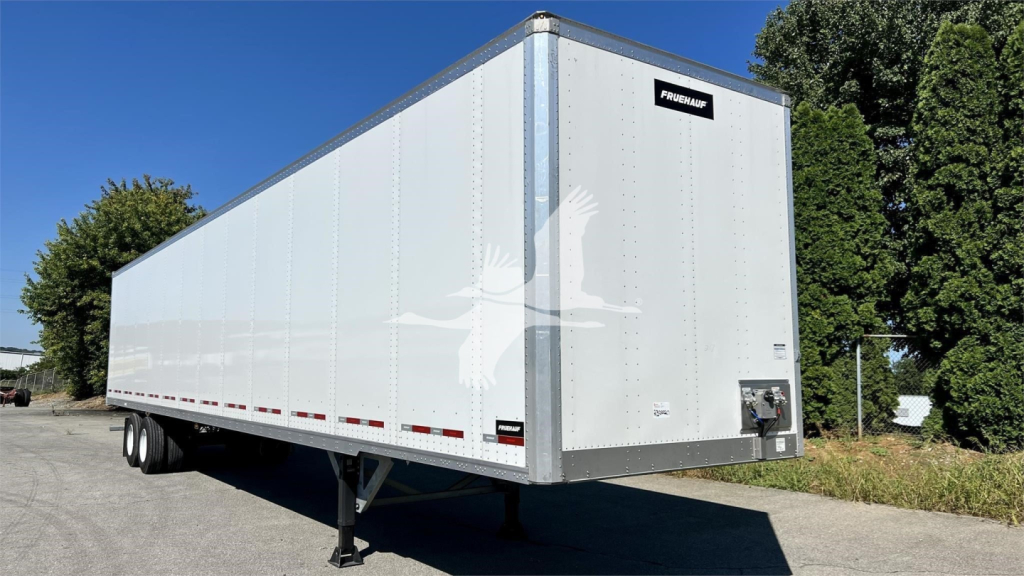
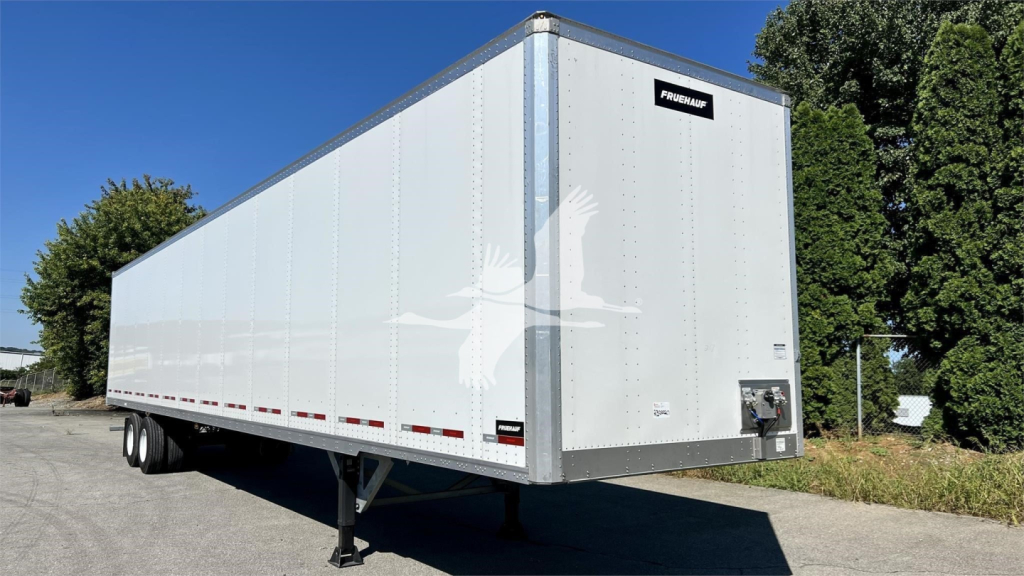
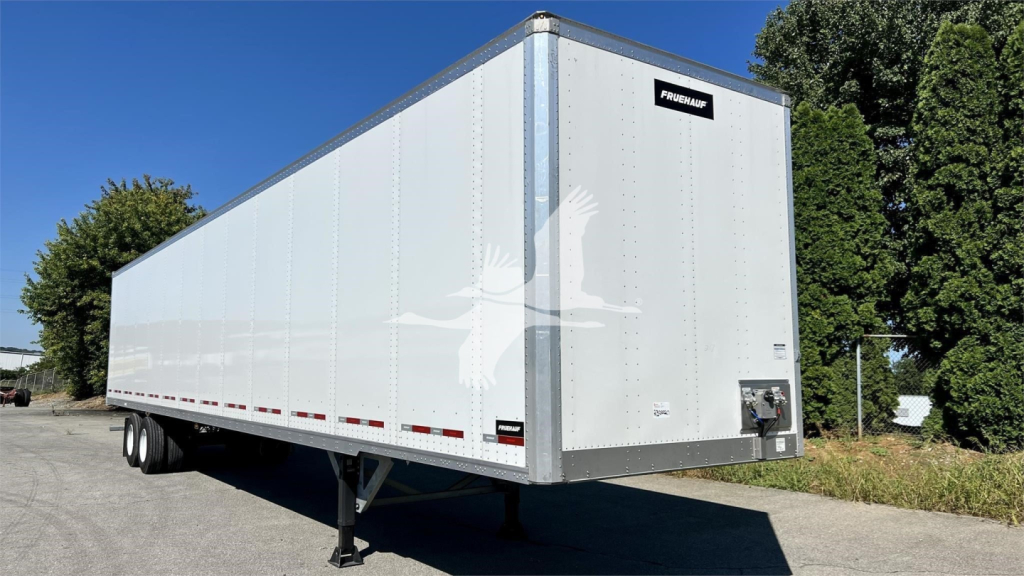
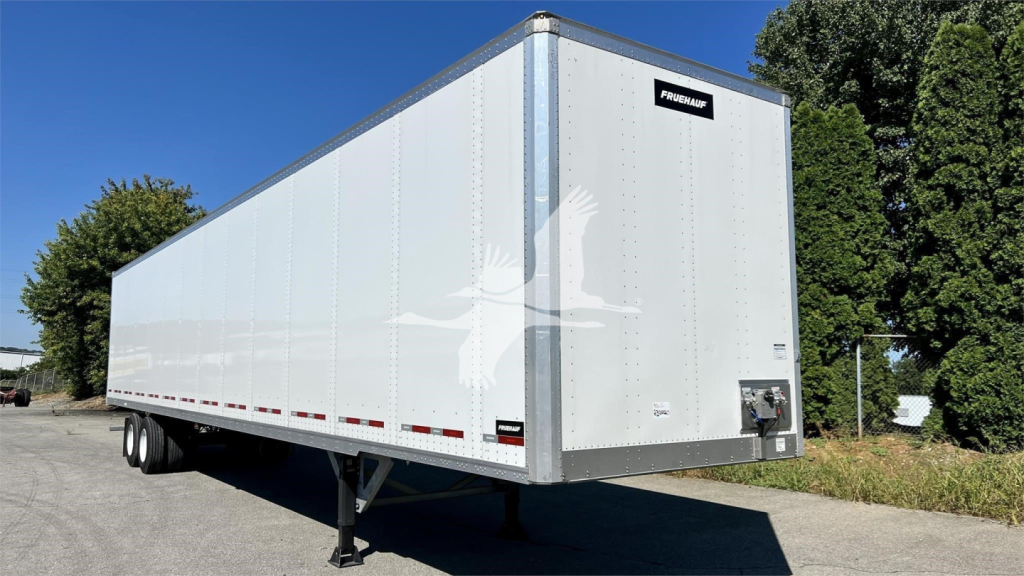
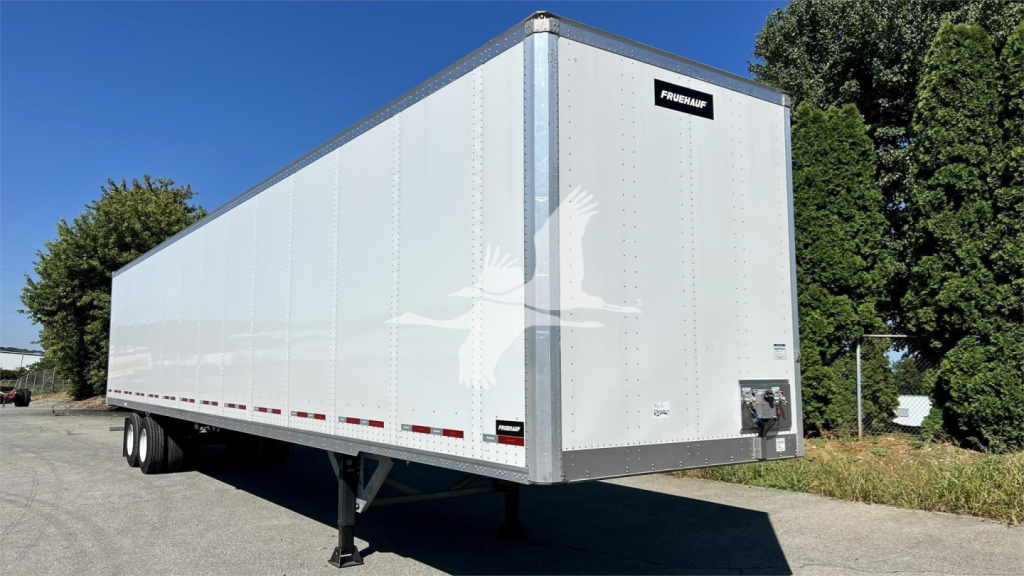
Have used 2024 van trailer to sell? List it here to reach thousands of buyers.
Used 2024 Van Trailers in Pennsylvania
The biggest buying decisions usually come down to body construction, suspension, and trailer spec consistency with your fleet. Plate vans use composite or plated sidewalls and are favored in operations that want a durable interior surface and solid trailer appearance over time. Logistics posts on 48-inch centers are common for load securement flexibility, and many late-model vans include scuff liners, nose lining, hardwood floors, galvanized rear frames, and bolt-on bumpers to control dock and forklift wear. A 1 3/8-inch laminated hardwood floor, 12-inch crossmember spacing, and a 36-inch kingpin setting are all common benchmarks worth confirming when you are comparing similar trailers.
In Pennsylvania, van trailer buyers should pay attention to suspension type, axle slider configuration, and corrosion resistance. Air-ride suspension remains the preferred setup for protecting cargo and reducing trailer shock on mixed highway and regional routes. Galvanized rear frames, galvanized or treated understructure components, aluminum roofs, and quality dock bumpers matter in four-season service where moisture, road treatment, and frequent docking can shorten trailer life. Tire size, landing gear brand, and wheel type may seem secondary, but they affect maintenance standardization if the trailer will be dropped into an existing fleet.
Late-model used 2024 van trailers can be attractive because they often carry current-spec features without the lead times tied to new builds. Buyers should still inspect floor condition, door alignment, roof integrity, scuff damage, slider operation, air system leaks, and signs of impact around the rear frame and threshold plate. If the trailer will stay in dedicated contract freight, consistency across dimensions and parts spec can be just as valuable as price. If it will move across mixed customers and docks, prioritize durability points like plate construction, robust lining, air-ride suspension, and a clean maintenance history.
Frequently Asked Questions about Used 2024 Van Trailers in Pennsylvania
What are the most common specs on a used 2024 van trailer?
Most used 2024 van trailers in this category are 53-foot dry vans with 102-inch width, tandem axles, swing doors, and air-ride suspension. Common interior measurements are about 101 inches wide and 110 inches high, with matching rear door opening height. Many are equipped with logistics posts on 48-inch centers, laminated hardwood floors, aluminum roofs, and slider tandems for bridge-law and dock positioning flexibility.
What should I inspect first on a used 2024 dry van trailer?
Start with the floor, rear frame, doors, and suspension. Check for forklift damage, soft spots, broken floor fasteners, threshold plate wear, and cracks or distortion around the rear sill and bumper area. Then inspect door seals, hinge condition, roof skin, sidewall integrity, slider travel, air bags, brakes, and tires. On a late-model van, structural damage or heavy dock impact is usually more important than cosmetic wear.
Is air-ride suspension worth it on a van trailer?
For most dry van applications, air-ride is the preferred suspension because it helps protect freight, reduces vibration, and is widely accepted in retail and packaged-goods service. It is especially useful for light, high-cube, or damage-sensitive loads. Mechanical suspension can be simpler in some operations, but air-ride is the more common spec on modern fleet van trailers and typically aligns better with general freight expectations.
What is the difference between a plate van and a sheet-and-post van?
A plate van uses plated or composite sidewall construction that creates a smoother, more durable wall surface and often a cleaner long-term appearance. Sheet-and-post designs can be lighter in some configurations and remain common in general service. For many buyers, the real decision comes down to damage tolerance, repair preferences, and the type of freight being hauled. Plate-style construction is often favored where interior durability and sidewall rigidity are priorities.
Why do kingpin setting and tandem slider position matter on a van trailer?
Kingpin setting and tandem slider position affect weight distribution, bridge compliance, and tractor-trailer compatibility. A common kingpin setting like 36 inches works well with many fleet tractors, but the right setup still depends on your wheelbase, fifth-wheel placement, and the states you run. A properly functioning slider gives more flexibility to balance axle weights and meet customer dock or route requirements.