
Used 2024 Van Trailers For Sale
Browse used 2024 van trailers with 53-foot dry van specs, swing or roll-up doors, tandem axles, aerodynamic options, and fleet-ready features.
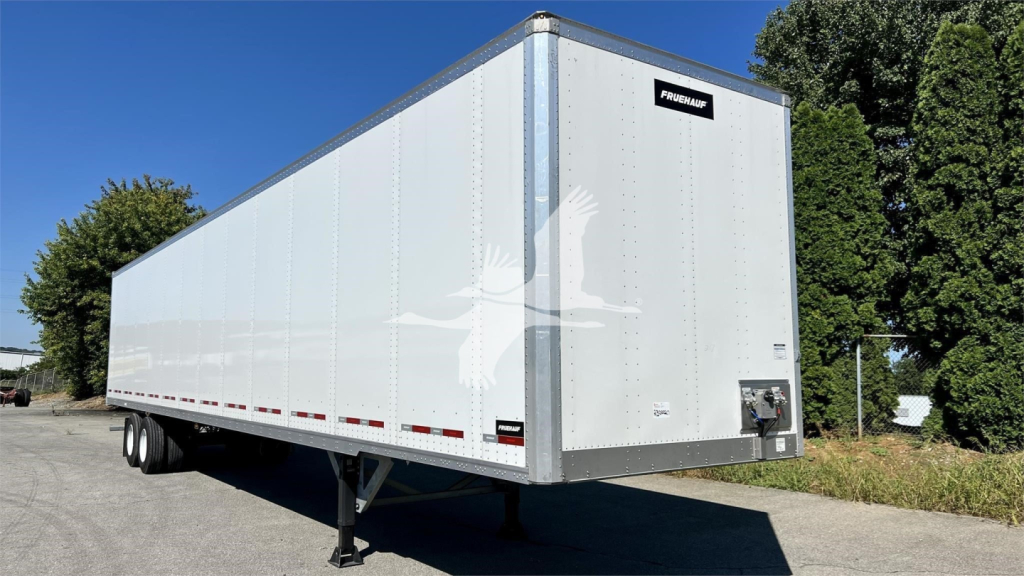
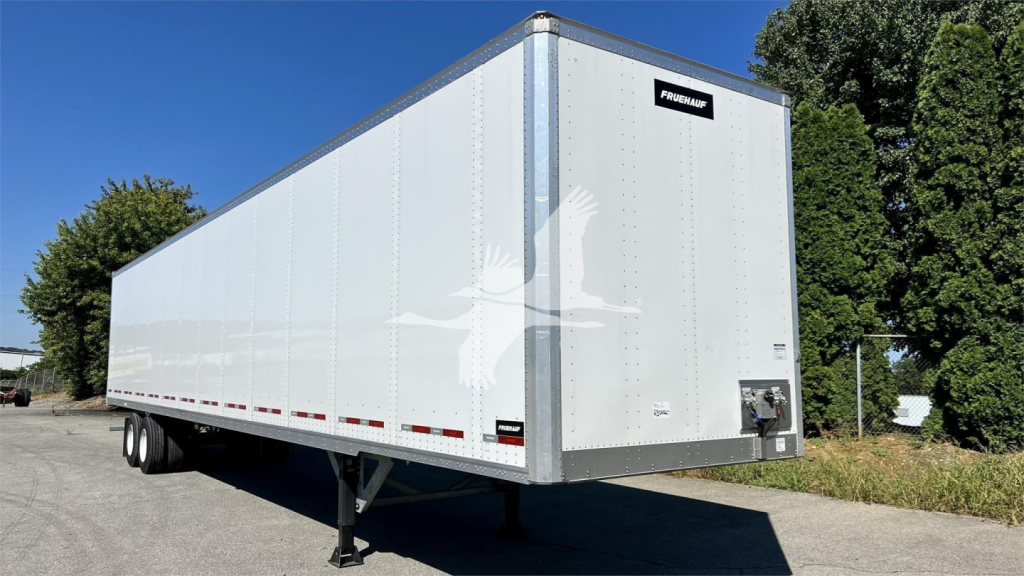
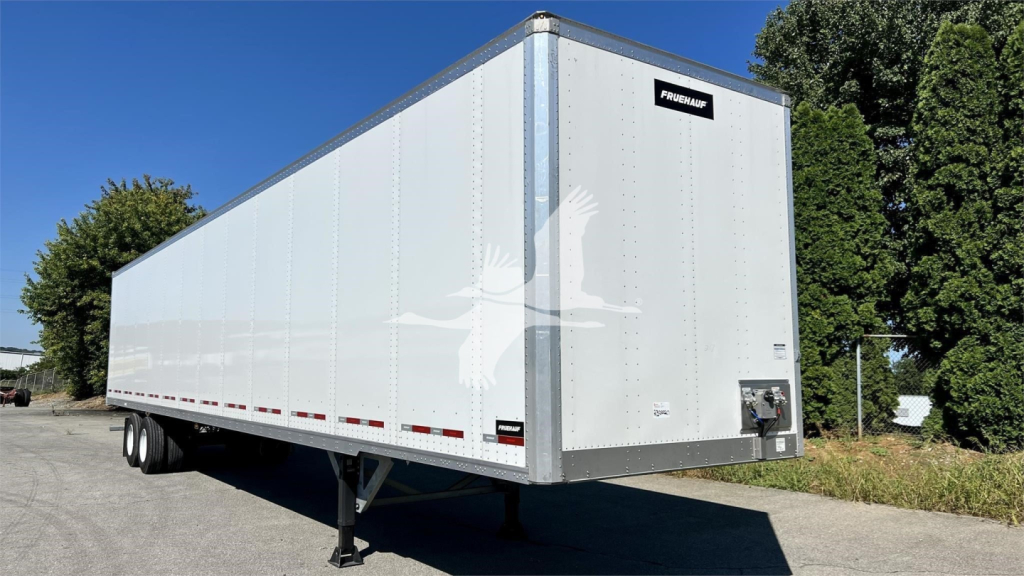
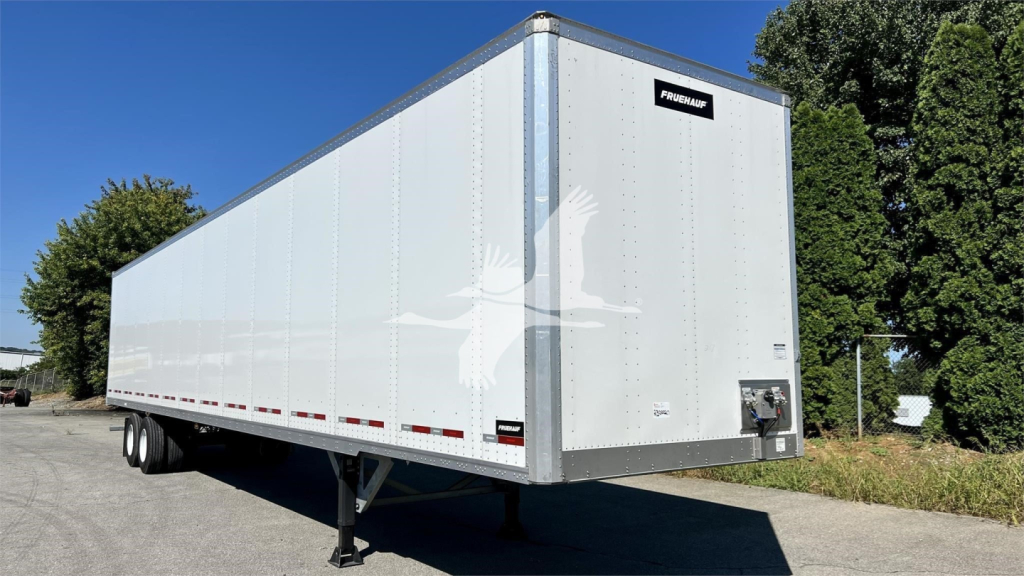
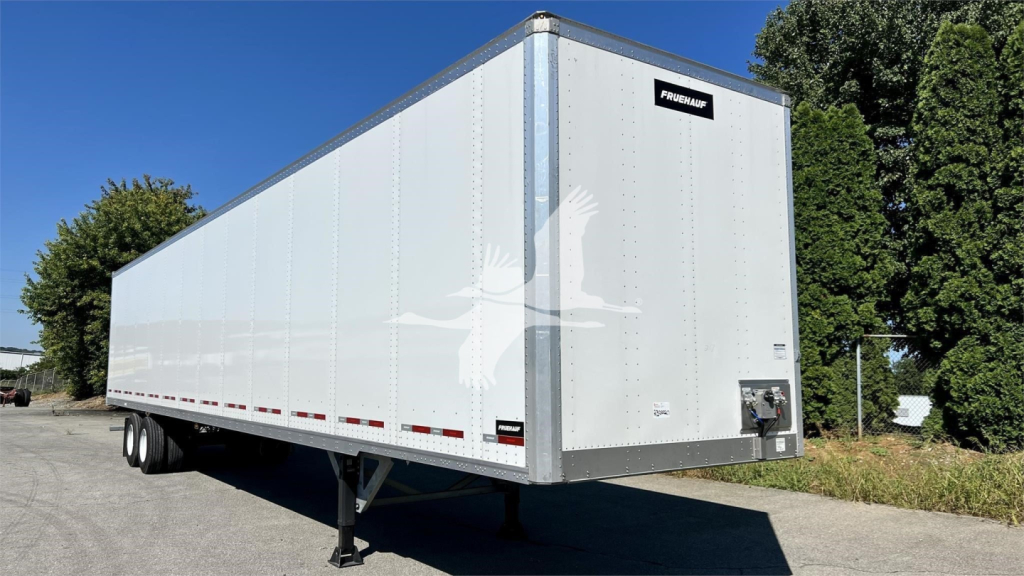
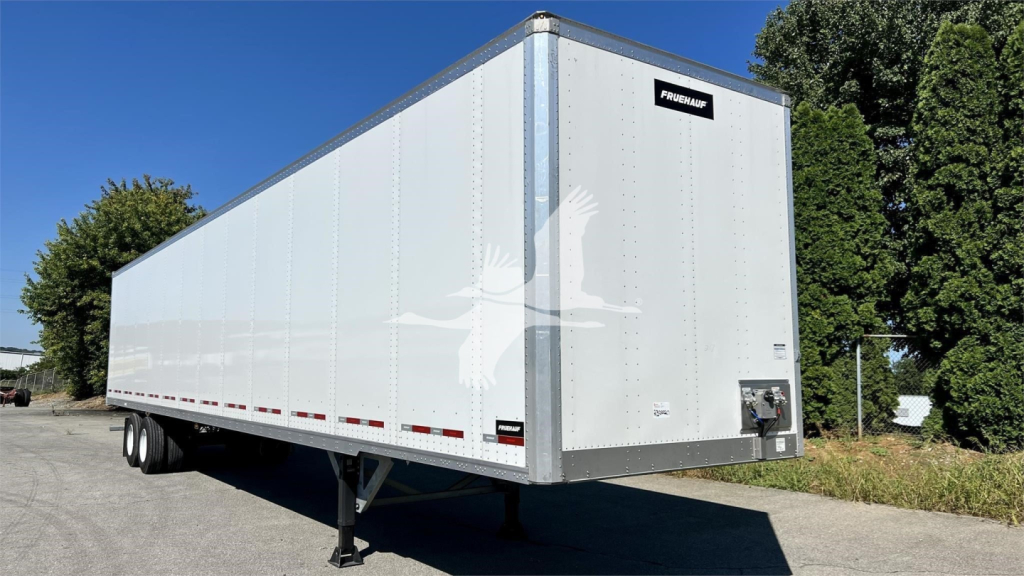
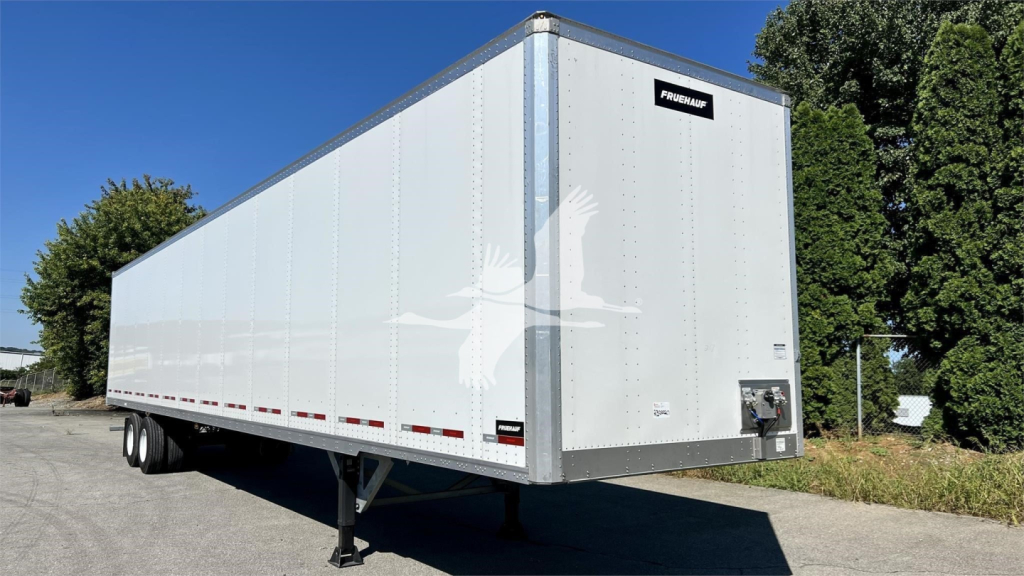
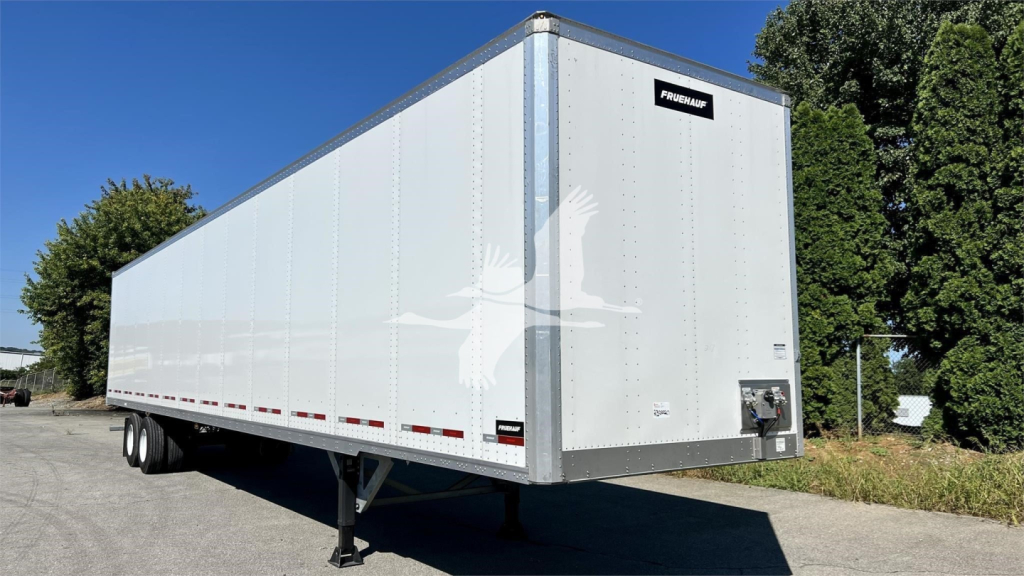
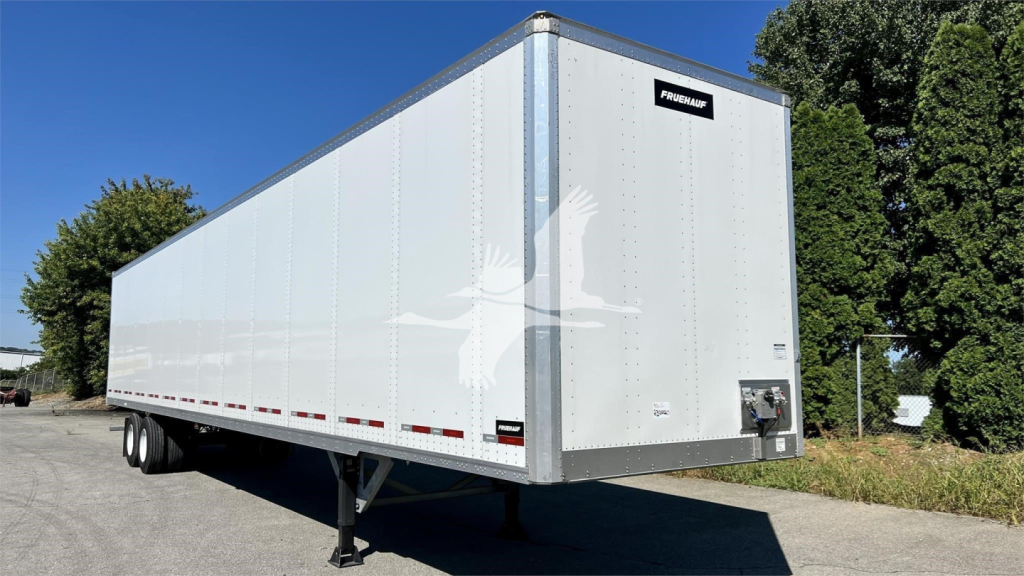
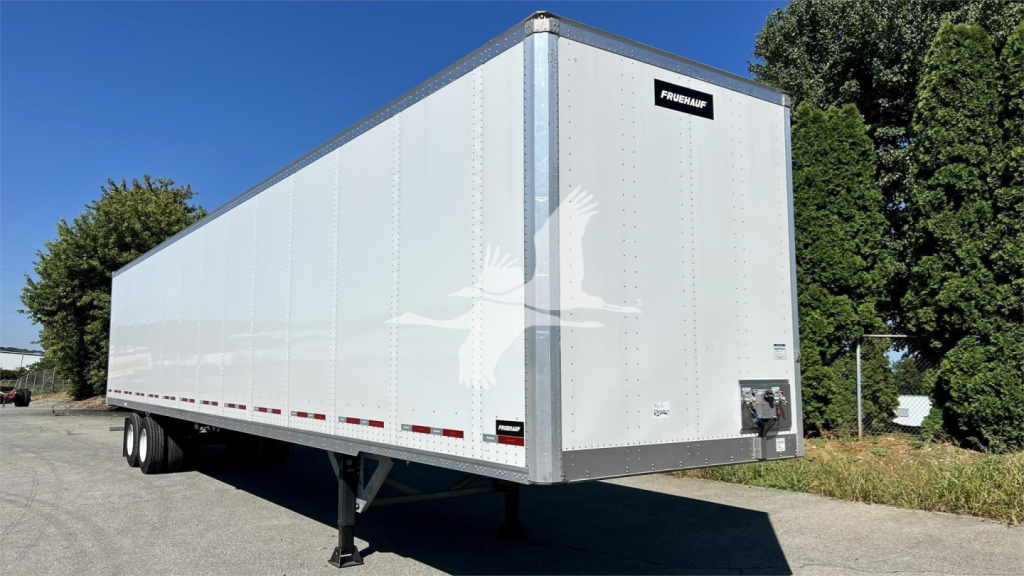
Have used 2024 van trailer to sell? List it here to reach thousands of buyers.
Used 2024 Van Trailers
The biggest buying decisions usually come down to body spec and operating cost. Aluminum sheet-and-post construction helps keep tare weight down, while steel crossmembers, hardwood floors, and durable rear frames are important for repeated forklift loading. Side skirts, aerodynamic noses, and tire inflation systems can lower operating costs on long-haul routes, especially in high-mile fleets. Buyers should also compare suspension type, axle spread, slider condition, and brake configuration. Air-ride suspension is common on newer dry vans and helps protect freight while reducing trailer shock, but spring ride still appears in some applications. Sliding tandems remain important for bridge law compliance and dock positioning, so check rail wear, locking pin engagement, and adjustment function.
Cargo access and interior layout matter just as much as the running gear. Swing doors are common for full rear access and easier seal management, while roll-up doors can be useful in certain route delivery operations, though they reduce some interior rear clearance. Inside the trailer, look for scuff liners, logistics posts, E-track or other cargo securement options, roof condition, wall straightness, and floor repair history. Forklift-heavy operations should inspect the floor closely for delamination, patching, and crossmember fatigue, especially in high-traffic zones just inside the rear door. If the trailer will be used in food, paper, parcel, or retail freight, interior cleanliness and water tightness are usually as important as mileage and age.
A used 2024 van trailer can fit regional haul, dedicated contract freight, private fleet work, or national over-the-road service, but the right spec depends on lane density, cube requirements, and loading style. Buyers moving light but bulky freight may prioritize cubic capacity and low tare weight, while heavier palletized freight may call for stronger floor ratings and proven suspension durability. Check kingpin area condition, roof bows, ICC bumper integrity, DOT compliance items, and the maintenance history on brakes, hubs, and wheel ends. For buyers comparing many listings, the best value is usually the trailer with the cleanest structural condition, the most useful fleet spec, and the least deferred maintenance, not simply the newest paint or lowest asking price.
Frequently Asked Questions about Used 2024 Van Trailers
What should I inspect first on a used 2024 van trailer?
Start with structural condition and maintenance history. Inspect the upper coupler, kingpin area, front wall, rear frame, threshold, floor, roof, and tandem slider for cracks, corrosion, repairs, or impact damage. Then check brake life, tire condition, wheel seals, suspension wear, and door function. A late-model trailer can still have costly issues if it was heavily dock-bumped, overloaded, or run with deferred maintenance.
Are most used 2024 van trailers 53-foot dry vans?
Yes. In the current market, the standard used van trailer is typically a 53-foot dry van with 102-inch width and tandem axles. That configuration fits the broadest range of palletized and cube freight, works across most dock networks, and has the strongest resale demand. Shorter lengths and specialized specs exist, but 53-foot units dominate general freight operations.
Is air-ride suspension worth it on a van trailer?
For many fleets, yes. Air-ride suspension helps reduce cargo shock and can improve ride quality for sensitive freight such as paper products, consumer goods, and packaged retail loads. It is common on newer dry vans and generally preferred in linehaul and dedicated service. Buyers should still inspect airbags, shocks, valves, and suspension alignment because repair costs can add up if the system has been neglected.
What features improve operating cost on a dry van trailer?
Aerodynamic side skirts, low-rolling-resistance tires, automatic tire inflation systems, and lighter-weight trailer construction can all help reduce total operating cost. The value of these features depends on annual mileage and route profile. On high-mile highway applications, fuel-saving equipment can make a measurable difference. On lower-mile local operations, durability, door cycle life, and floor condition may matter more than aero performance.
What is the difference between a van trailer and a dry van trailer?
In most trucking marketplaces, van trailer and dry van trailer mean the same basic equipment class. It is an enclosed box trailer used to haul non-temperature-controlled freight. The term van distinguishes it from flatbeds, reefers, tank trailers, and other trailer types. Buyers should still confirm the exact build spec, because door style, suspension, floor rating, and interior cargo control options can vary significantly from one dry van to another.