
Polar Tank Trailers For Sale in Pennsylvania
Shop Polar tank trailers for sale in Pennsylvania, including aluminum petroleum tankers with common specs like compartments, vapor recovery, and air ride.
No exact matches found for your search
Showing Polar Tank Trailers instead.
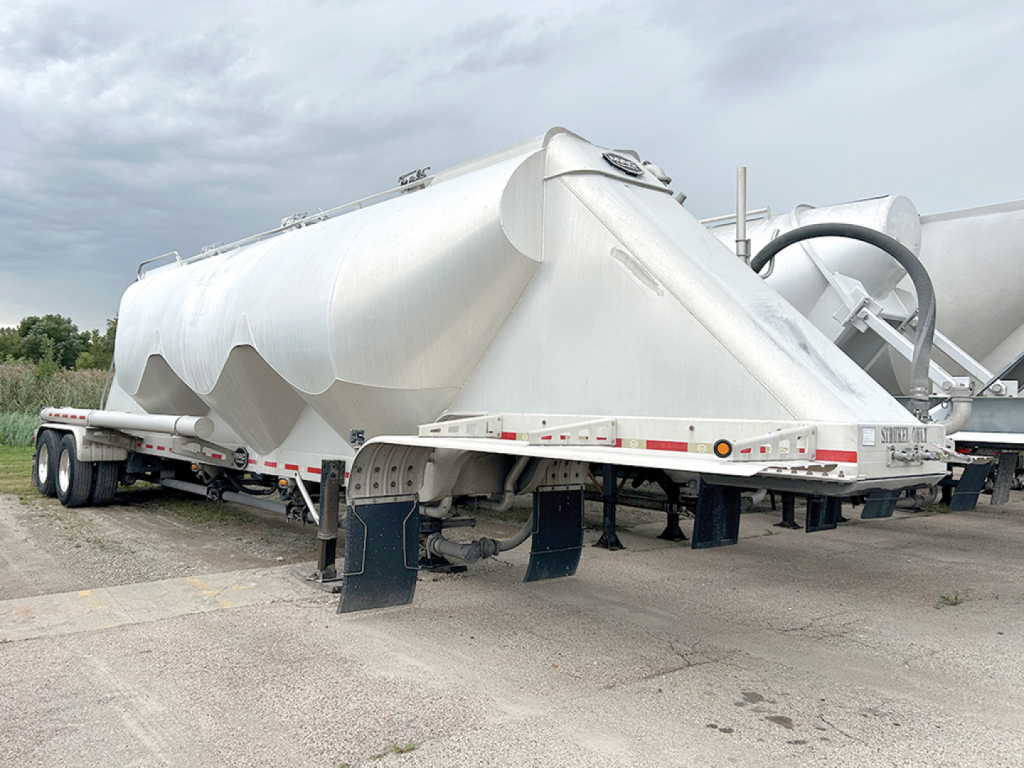
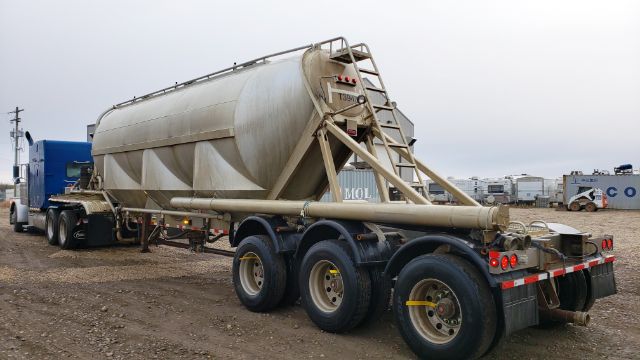
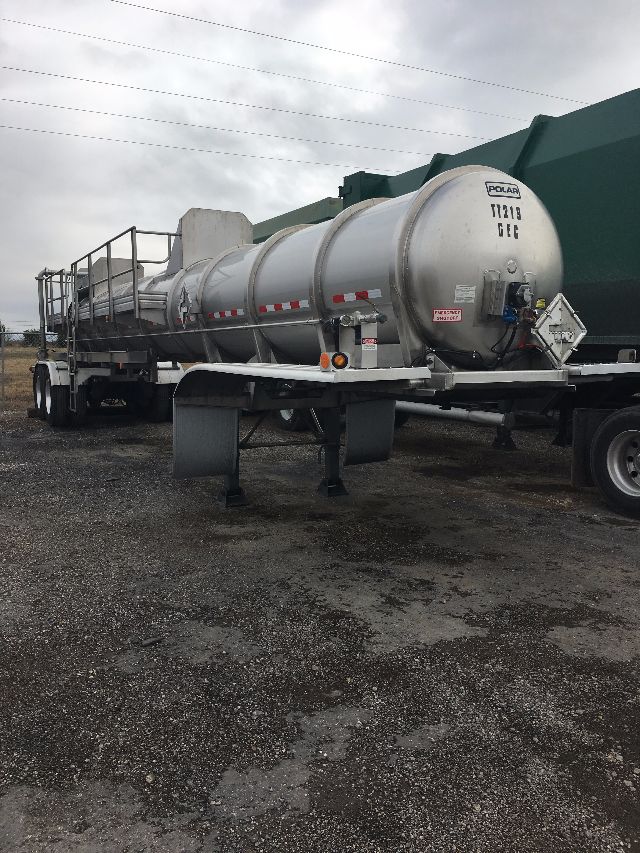
Selling a polar tank trailer? List your polar tank trailer for sale and reach thousands of commercial buyers.
Polar Tank Trailers in Pennsylvania
Capacity and compartment design are usually the biggest value drivers. A common setup is around 9,000 to 9,500 gallons with three to five compartments, which gives a good balance between payload and delivery flexibility. Buyers should look closely at compartment sizes, sump layout, manifold condition, and pipe diameter, especially on trailers used for fuel oil, gasoline, or refined products. Features like vapor recovery, overfill protection, hose troughs, and clearly maintained bottom loading components are not just convenience items. They directly affect compliance, safety, and loading rack compatibility.
Suspension, wheel-end spec, and overall barrel condition deserve as much attention as capacity. Air ride suspension is common on Polar petroleum trailers because it helps protect product stability and improves ride quality on mixed Pennsylvania routes that include highways, secondary roads, and terminal yards. Aluminum subframes, disc wheels, super singles, and tire inflation systems can reduce weight and operating cost, but buyers should inspect for corrosion, prior weld repairs, barrel damage, baffle or compartment integrity issues, and the condition of valves and vapor equipment. On older units, maintenance history matters as much as brand reputation.
A Polar tank trailer is often evaluated on fitness for a specific lane and product, not just age or price. A fuel distributor may prioritize compartment split and unloading speed, while a regional hauler may care more about tare weight, tire spec, and ease of service. If the trailer will stay in petroleum work, confirm the tank specification, inspection status, and required safety systems before purchase. If the goal is broader liquid bulk use, make sure the barrel material, seals, and plumbing arrangement match the products you plan to haul. The right trailer is the one whose spec sheet aligns with your loading racks, delivery points, and compliance requirements from day one.
Frequently Asked Questions about Polar Tank Trailers in Pennsylvania
What are the most important specs to check on a used Polar tank trailer?
Start with the tank specification, gallon capacity, compartment layout, barrel material, and discharge configuration. On petroleum trailers, buyers should also verify vapor recovery equipment, overfill protection, bottom loading components, pipe size, and manhole count. Suspension type, tire setup, wheel condition, and maintenance records are also important because they affect both operating cost and serviceability.
Are Polar tank trailers commonly used for petroleum hauling?
Yes. Polar is well known for aluminum petroleum tank trailers used to haul gasoline, diesel, fuel oil, and other refined products. Many of these trailers are built with elliptical barrels, multiple compartments, and center discharge systems that fit common fuel terminal and delivery requirements. The exact product suitability still depends on the tank code, lining or material, plumbing, and current certification status.
Why does compartment size matter on a tank trailer?
Compartment size determines how many products or delivery drops a trailer can handle on one route. A four-compartment trailer, for example, can give a fuel hauler more flexibility to carry different grades or split loads for multiple customers. The right compartment layout can improve route efficiency, but uneven or unusual compartment sizes may limit how the trailer fits your typical load planning.
What should a buyer inspect on an older aluminum tanker?
Pay close attention to the barrel exterior, weld areas, subframe, suspension mounts, and all plumbing components. Look for signs of corrosion, damage from prior repairs, worn valves, leaking seals, and issues with vapor or overfill systems. It is also smart to review inspection records, test documentation, and any evidence of major component replacement because an older trailer's value depends heavily on condition and compliance.