
2026 Eager Beaver Tag Trailers For Sale in Ohio
Shop 2026 Eager Beaver tag trailers with 20-ton capacity, pintle hitch setup, beavertail decks, and equipment-ready loading features.
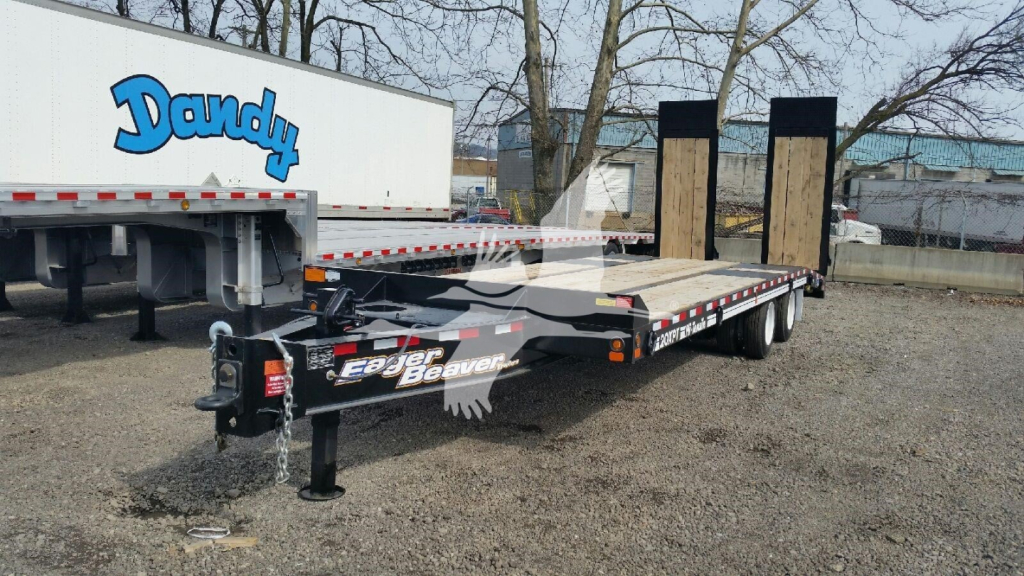
Selling a 2026 eager beaver tag trailer? List your 2026 eager beaver tag trailer for sale and reach thousands of commercial buyers.
2026 Eager Beaver Tag Trailers in Ohio
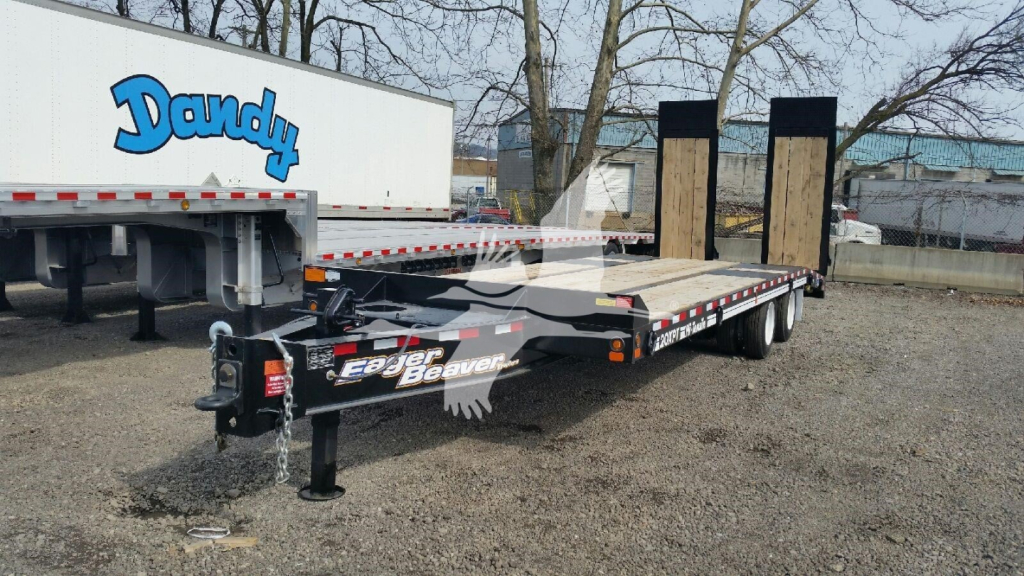
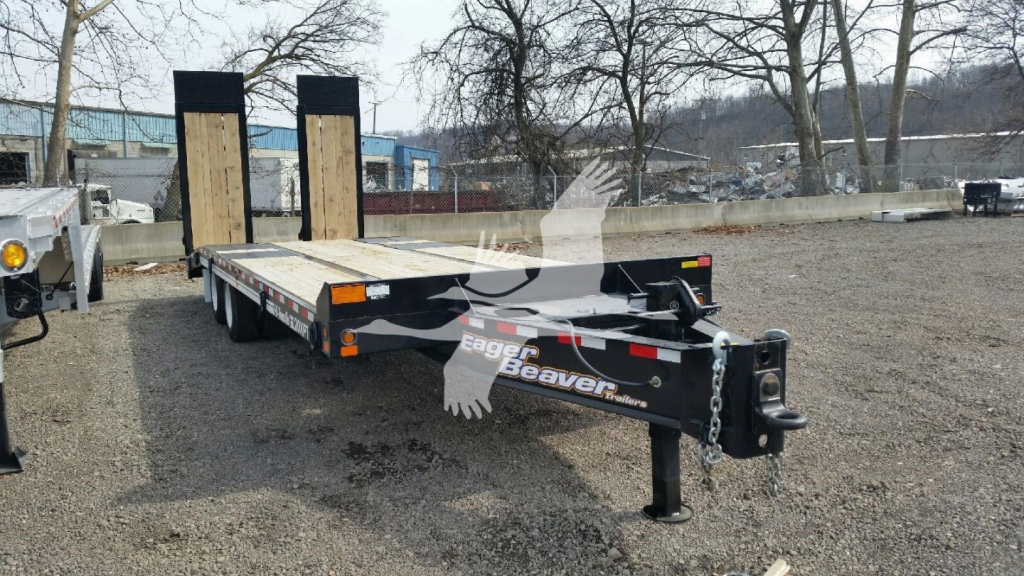
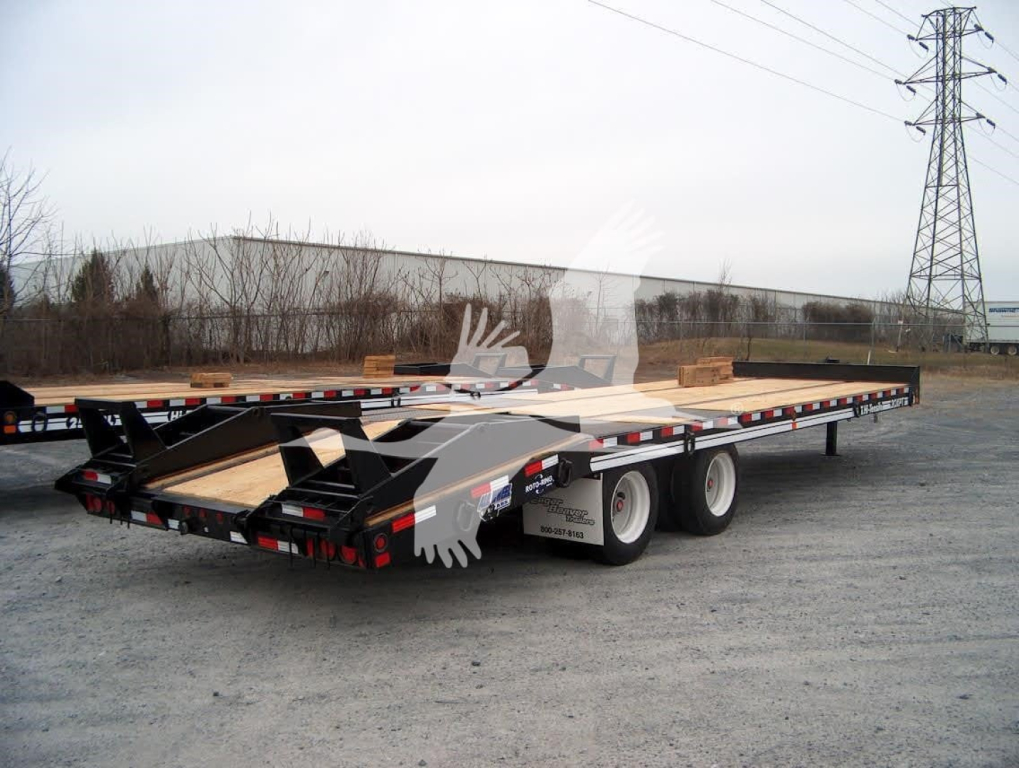
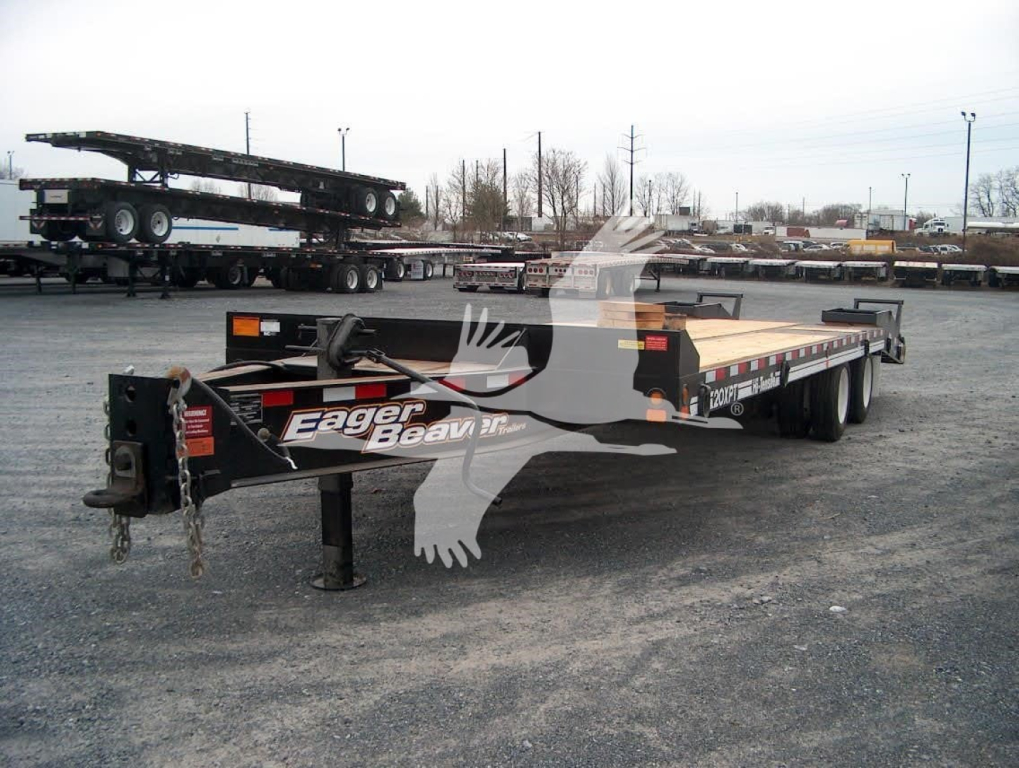
The details that matter most on an Eager Beaver tag are deck height, beavertail angle, ramp design, and securement points. A deck height around 34 inches and an 8-degree load angle help reduce hang-up when loading low-clearance machines. Buyers will also see different ramp styles, including angle iron ramps and electric-hydraulic or hydraulic wood-filled ramps. Hydraulic ramps speed up loading and reduce manual handling, while fixed heavy ramps can be simpler for fleets that want fewer hydraulic components to service. Apitong decking, steel side rails, full-width steel bulkheads, and multiple pairs of D-rings are common on this class and directly affect durability and tie-down flexibility.
Running gear and hookup specs are just as important as deck specs. Many Eager Beaver tag trailers in this range use Hutchens spring ride suspensions, 215/75R17.5 tires, steel wheels, ABS, and spring brakes on all axles. Adjustable pintle height, often spanning roughly 20.5 inches to 34 inches, gives more compatibility with different tow vehicles. On heavier tag setups, a tri-axle layout or lift axle may appear to spread load and improve legal payload. Buyers in Ohio and other states with mixed highway and jobsite use often look closely at empty weight, brake configuration, and axle count because those factors affect registration class, bridge compliance, and day-to-day hauling efficiency.
Eager Beaver has long been recognized in the construction and rental hauling market for practical, straightforward trailer designs. For buyers comparing 2026 tag trailers, the main question is not just rated tonnage but how the trailer matches the equipment fleet. Check machine operating weight, track width, ground clearance, and approach angle against the trailer's deck length, ramp width, floor material, and beavertail design. A properly matched tag trailer loads faster, secures easier, and holds up better in dirt, gravel, and pavement service than a trailer chosen only by gross rating.
Frequently Asked Questions about 2026 Eager Beaver Tag Trailers in Ohio
What is a tag trailer used for?
A tag trailer, also called a tag-along trailer, is commonly used to haul construction and agricultural equipment behind a pintle-equipped truck or tractor. It is a popular choice for skid steers, mini excavators, small dozers, rollers, and utility tractors because it offers a lower deck and easier loading than many flatbed trailers while remaining simpler and lighter than a detachable lowboy.
How do I choose between a 20-ton and 25-ton tag trailer?
The right rating depends on more than the heaviest machine in the fleet. Buyers should account for attachment weight, fuel, buckets, forks, and any tools carried on the deck, then compare that total against the trailer's payload capacity and axle configuration. A 20-ton tag is often a strong fit for mixed compact and mid-size equipment, while a 25-ton model can make sense when hauling heavier iron more regularly or when a tri-axle setup is needed for load distribution and legal compliance.
Are hydraulic ramps better than fixed ramps on a tag trailer?
Hydraulic ramps reduce manual effort and speed up loading, especially for crews making frequent stops or handling heavier machines. They can also improve operator convenience and consistency on uneven jobsites. Fixed ramps, including angle iron styles, are simpler and may be easier to maintain over the long term. The better choice depends on usage frequency, shop support, and whether the fleet values lower complexity or faster loading cycles.
Why do deck height and beavertail angle matter on a tag trailer?
Deck height and beavertail angle directly affect loadability. A lower deck and a shallow load angle help prevent machines with low ground clearance from dragging at the breakover point. This is especially important for pavers, rollers, scissor lifts, and some compact equipment with attachments. Even when two trailers share the same ton rating, the one with better loading geometry may be the more practical choice in daily use.
What features should buyers look for on an Eager Beaver tag trailer?
Important features include the correct ton rating, axle count, suspension type, brake package, adjustable pintle height, ramp style, deck material, D-ring placement, and beavertail design. Buyers should also review tire size, landing gear, toolbox or drawbar storage, and overall empty weight. On equipment trailers, these details affect loading speed, securement options, maintenance cost, and how well the trailer matches the tow vehicle and the machines being moved.