
2026 Tag Trailers For Sale in Ohio
Shop 2026 tag trailers for hauling equipment and machinery. Compare deck lengths, ramp styles, axle setups, and 20 to 25 ton ratings.
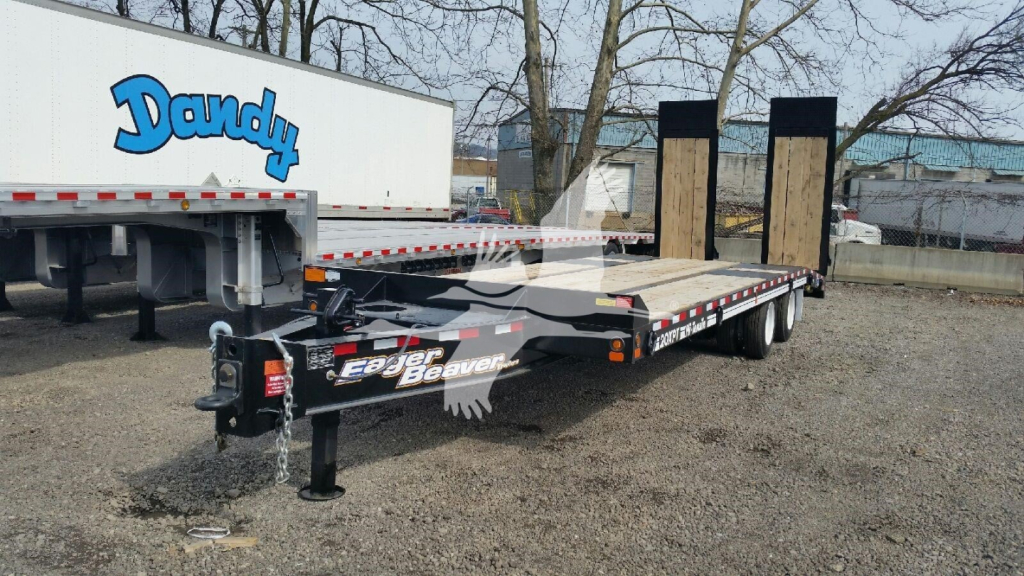
Selling a 2026 tag trailer? List your 2026 tag trailer for sale and reach thousands of commercial buyers.
2026 Tag Trailers in Ohio
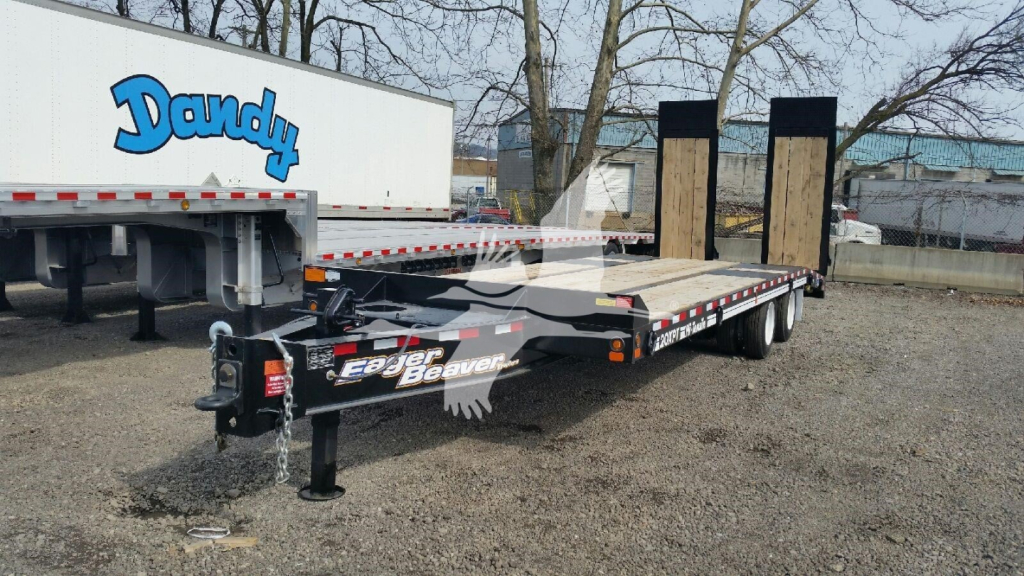
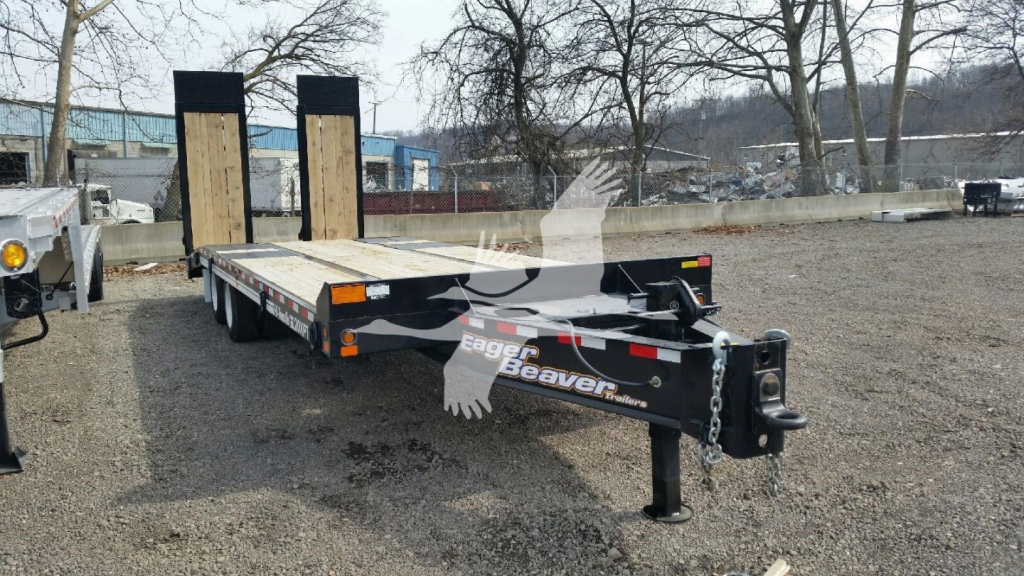
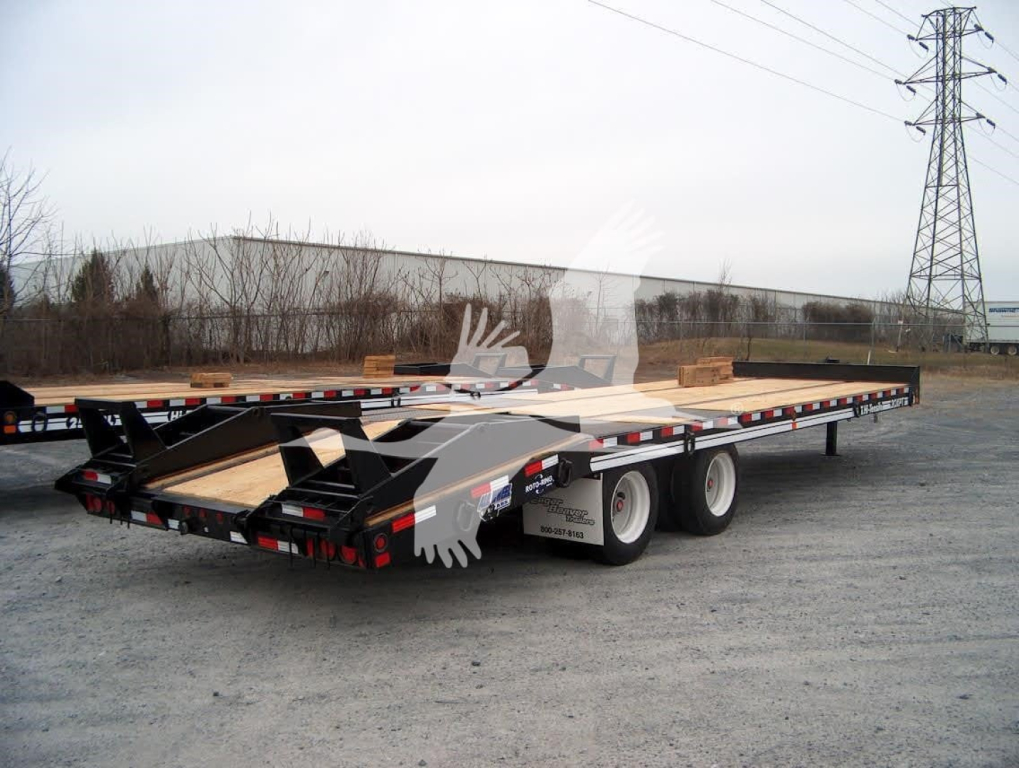
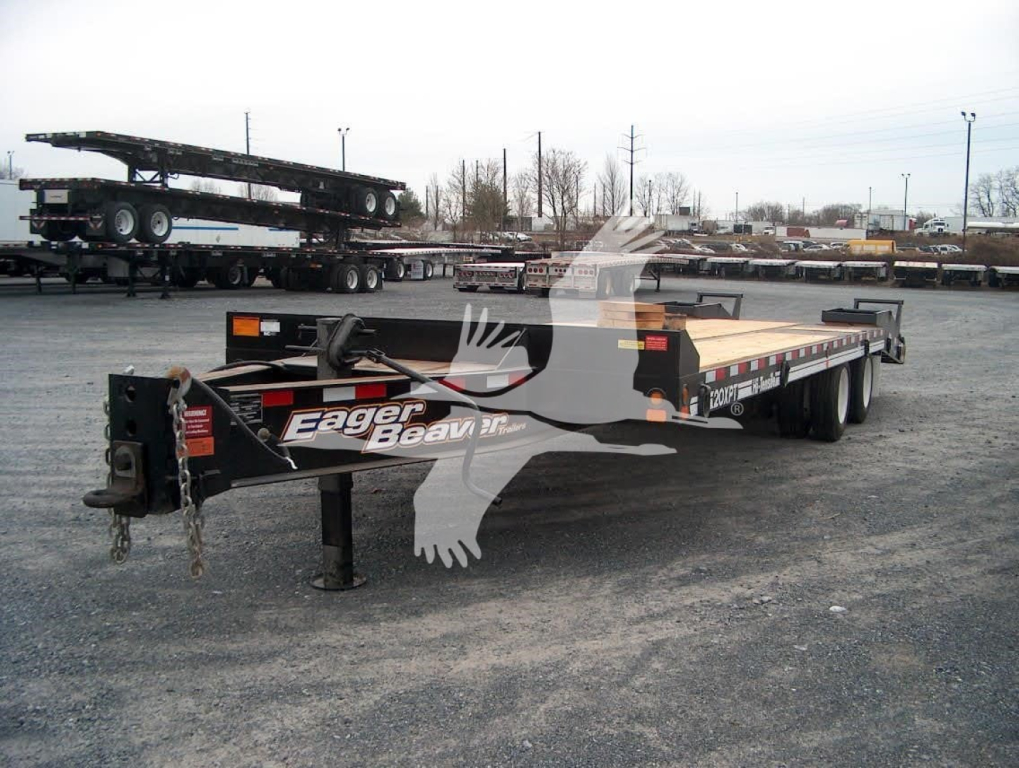
Deck layout matters almost as much as gross capacity. Many tag trailers in this class run 102-inch overall width, a flat main deck in the low-30-inch height range, and a beavertail around 6 feet with an 8-degree load angle. That combination helps keep loading manageable for low-clearance equipment while preserving deck space for attachments and balanced axle loading. Main deck lengths often fall in the low-20-foot range, with overall trailer length stretching into the mid-30-foot range. Buyers comparing listings should pay close attention to ramp design. Fixed heavy-duty ramps, flip-over ramps, and electric-hydraulic wood-filled ramps all change loading speed, operator effort, and suitability for rubber track versus steel track equipment.
Axle and suspension setup is another key separator in tag trailers for sale. Two-axle 20 ton units are common for compact and medium equipment, while triple-axle 25 ton trailers offer more payload margin and better distribution for heavier machines. Spring ride suspensions remain popular for durability and straightforward maintenance, though some trailers use lift axles or air-assisted configurations to improve tire life and maneuverability when empty. Standard specs often include Hutch-style spring suspension, 215/75R17.5 tires, steel wheels, ABS, and spring brakes on all axles. A buyer should also inspect tie-down provision carefully. Full-width bulkheads, multiple pairs of D-rings, steel side rails, and secure chain storage all matter when the trailer is used daily and the load changes from one job to the next.
In Ohio, tag trailers are a strong fit for road building, utility work, excavation, landscaping, paving, and municipal service where short regional hauls are the norm. An adjustable pintle eye height helps match different truck hitch heights, and landing gear choice can affect daily convenience if the trailer is dropped often. Flooring is commonly apitong or mixed hardwood for long wear under tracked equipment. If the work involves frequent loading in mud, gravel, or uneven jobsites, ramp traction, deck condition, brake function, and beavertail integrity deserve close review. The best 2026 tag trailer for sale is usually the one sized to the real machine mix, not just the heaviest unit on the fleet sheet.
Frequently Asked Questions about 2026 Tag Trailers in Ohio
What is a tag trailer used for?
A tag trailer is used to haul construction and industrial equipment behind a truck with a pintle hitch. Common loads include skid steers, compact excavators, rollers, scissor lifts, tractors, and other jobsite machinery. Tag trailers are popular because they load quickly, work well for regional hauling, and give operators a lower deck height than many general-purpose equipment trailers.
What capacity tag trailer do I need, 20 ton or 25 ton?
The right capacity depends on the heaviest machine you will haul plus attachments, fuel, buckets, hammers, and any tools carried on the deck. A 20 ton tag trailer is often sufficient for compact and medium equipment, while a 25 ton trailer gives more margin for heavier machines and changing fleet needs. Buyers should compare the trailer rating to actual operating weight, not just the base published machine weight.
Are hydraulic ramps better than spring-assisted or fixed ramps on a tag trailer?
Hydraulic ramps reduce manual effort and speed up loading, especially when the trailer is used multiple times per day or carries heavier equipment. They are also helpful when operators need more consistent ramp deployment on uneven ground. Fixed or mechanical ramps can be simpler and lighter, but they may require more effort and can be less convenient in high-cycle use.
What specs matter most when comparing tag trailers for sale?
The most important specs are weight rating, deck length, deck height, beavertail length and angle, ramp type, axle count, suspension, tire size, and tie-down layout. Buyers should also review brake configuration, ABS, flooring material, bulkhead design, side rails, and pintle height range. These details determine how safely the trailer loads, how well it matches the truck, and how efficiently it handles the equipment actually being moved.
Is a triple-axle tag trailer better than a tandem-axle model?
A triple-axle tag trailer usually provides higher capacity and better weight distribution for heavier equipment. It can be the better choice when payloads are near the upper end of the category or when machines carry heavy attachments. A tandem-axle model can be lighter, simpler, and easier to maintain, which makes it a strong fit for fleets hauling compact and mid-size equipment on a regular basis.