
Used Wabash Storage Trailers For Sale in Illinois
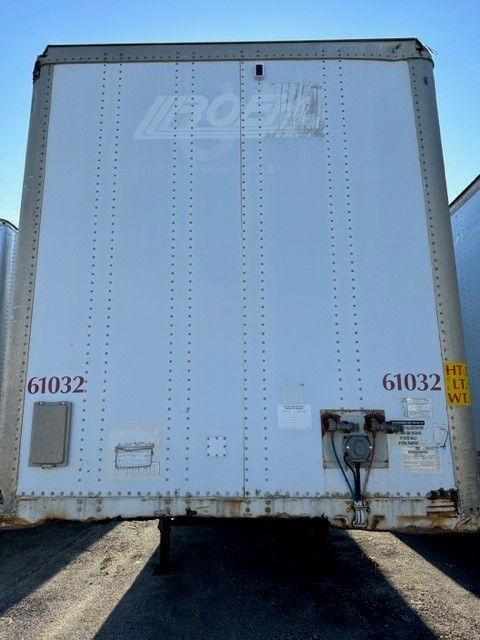
Have used wabash storage trailer to sell? List it here to reach thousands of buyers.
Used Wabash Storage Trailers in Illinois
For many buyers, the real decision starts with body condition and door configuration. Wabash Duraplate trailers are especially common in the storage category because the composite panel design is durable and well suited to repeated loading and unloading. Swing doors are often preferred for full-width access, while roll-up doors can be convenient in tight yards but add their own maintenance points. Roof condition matters more than many buyers expect, especially for trailers that will sit outside through Illinois rain, snow, and freeze-thaw cycles. Check the floor for soft spots, the rear frame for corrosion, wall integrity, door seals, and signs of previous patching. Good tires and serviceable brakes still matter even if the trailer will be moved only occasionally around a yard or to a final location.
Storage trailers are typically former dry vans in 48-foot or 53-foot lengths, and buyers should confirm overall dimensions, interior width, and floor rating based on the cargo being stored. Spring ride suspensions are common on older units and are usually adequate for storage applications. Landing gear condition is important if the trailer will be dropped and left loaded for long periods. Buyers in Illinois should also think about where the trailer will be placed, including yard surface, drainage, dock height compatibility, and clearance for door swing. If the trailer may need to be relocated later, inspect lights, air system condition, hubs, and basic roadability, even when the primary use is static storage.
A used Wabash storage trailer can be a cost-effective middle ground between a shipping container and a fully roadworthy van trailer. It offers familiar trailer dimensions, easier dock integration, and large cubic capacity for palletized freight or bulk boxed inventory. The best value usually comes from a trailer with a dry interior, solid floor, straight frame, dependable doors, and enough remaining structural integrity to handle years of stationary service. Buyers comparing listings should focus less on cosmetic age and more on water tightness, floor life, rear opening function, and how well the trailer fits the site and access pattern.
Frequently Asked Questions about Used Wabash Storage Trailers in Illinois
What should I inspect first on a used Wabash storage trailer?
Start with water tightness and structure. Inspect the roof for leaks or patched areas, check the floor for rot or soft spots, examine the rear frame and crossmembers for corrosion, and make sure the doors open, seal, and latch correctly. On a Wabash Duraplate, wall condition is also important because panel damage can affect long-term durability even if the trailer is only used for storage.
Are Wabash Duraplate trailers good for storage use?
Yes. Wabash Duraplate trailers are widely used for storage because the panel construction is durable, the interiors are typically well suited to palletized goods, and replacement parts and service familiarity are common in the trailer market. For storage duty, the key factor is not just the Duraplate name but the actual condition of the floor, roof, doors, and understructure.
What length is best for a storage trailer in Illinois?
Forty-eight-foot and fifty-three-foot trailers are the most common choices. A 53-foot trailer provides maximum cubic capacity, but a 48-foot unit can be easier to place on tighter properties or older yards. The right size depends on available space, site access, dock setup, and the type of inventory being stored.
Do tires and brakes matter if the trailer will stay in one place?
They still matter, just for different reasons. If the trailer needs to be delivered, repositioned on a yard, or moved later to another site, bad tires or neglected brakes can create avoidable cost and downtime. Even on a stationary trailer, wheel end condition, suspension stability, and landing gear function affect safe placement and long-term support.
How does a storage trailer compare with a shipping container?
A storage trailer usually offers easier dock-height loading, more familiar warehouse compatibility, and a larger rear opening for pallet movement. A shipping container may be more compact and easier to stack or place in confined areas, but it does not always integrate as well with standard trailer docks. For many commercial sites, a used Wabash storage trailer is the more practical option when access and capacity matter most.