
Storage Trailers For Sale
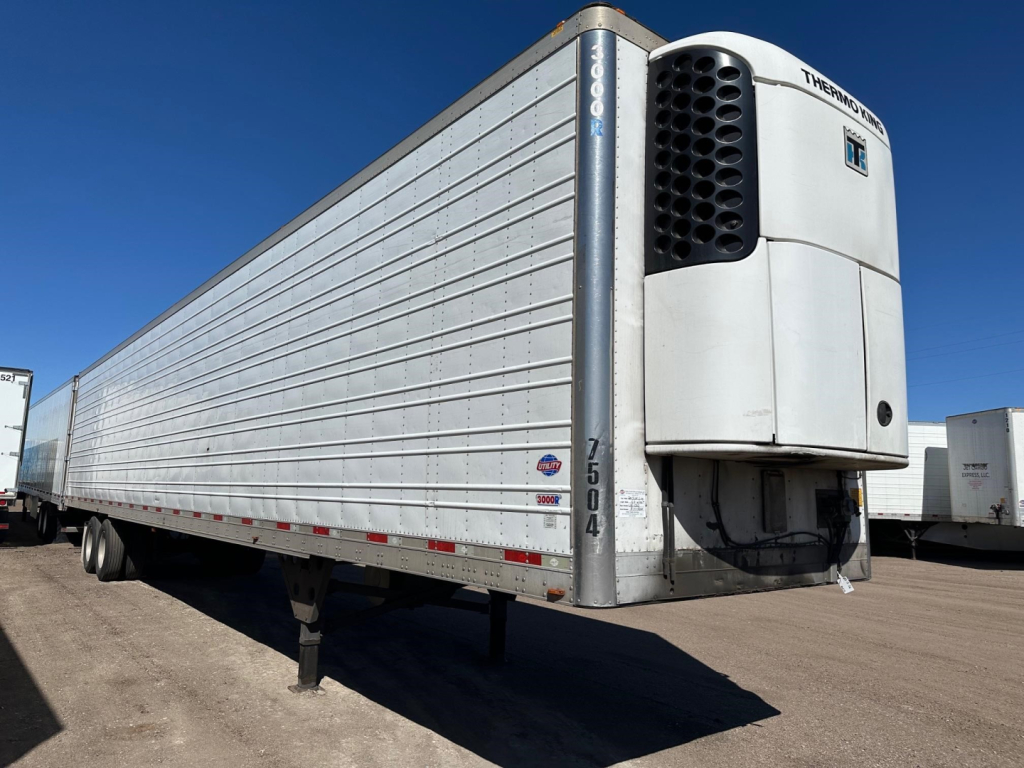
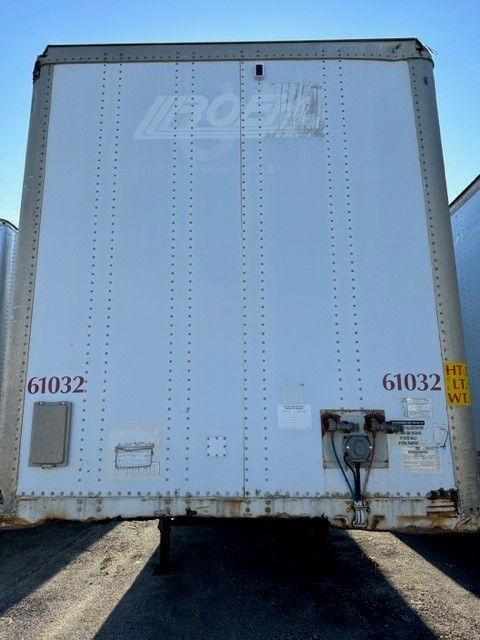
Browse storage trailers for sale, including 53-foot dry vans and insulated reefer boxes used for secure on-site, yard, and seasonal storage.
Selling a storage trailer? List your storage trailer for sale and reach thousands of commercial buyers.
Storage Trailers
The condition of the box matters more than road specs for most storage applications. Buyers usually focus first on roof integrity, wall condition, floor strength, and door operation. Swing doors are common and preferred for full-width access, but you should inspect hinge wear, locking gear, and frame alignment since a storage trailer may be opened and closed frequently while sitting in one spot. Floor type is another major decision point. Wood floors are common in older dry vans and are serviceable for palletized goods, while aluminum duct floors often show up in reefer bodies and can help with drainage and cleanup. Interior features such as E-track, scuff liners, wear bands, and insulated sidewalls can add value if the trailer will be used for organized inventory, tools, building materials, or job site supplies.
Running gear still matters, even when the trailer will live most of its life parked. Tandem axles, spring ride or air ride suspension, and slider undercarriages are common on storage trailers because many units started life as over-the-road vans. If the trailer needs to be repositioned around a yard or delivered to a tight location, check tire size and condition, brake function, landing gear operation, and whether the axle slide pins release correctly. Closed tandem setups can simplify long-term placement, while a sliding tandem can help with weight distribution during transport. Dock use is another practical factor. Standard van height works well for facilities loading from a dock, and features like anti-dock-walk devices, ICC bumpers, and solid rear thresholds can make repeated forklift loading safer and more efficient.
A good storage trailer is really a weather-tight steel and aluminum building that can still be moved when needed. Older Wabash, Great Dane, Hyundai, Stoughton, Utility, and similar van trailers are often used this way because parts support is still good and the box structure is proven. For long-term value, buyers should think in terms of total usable life: how dry the interior stays, how straight the frame and rear door opening remain, and how practical the trailer is for the site. If the goal is static storage only, cosmetic age matters far less than leaks, floor soft spots, and door seal condition. If the trailer may return to occasional road service, then suspension type, wheel-end condition, lights, tires, and DOT-related repair needs become much more important.
Also known as: Warehouse Trailer
Frequently Asked Questions about Storage Trailers
What is the difference between a storage trailer and a regular dry van trailer?
A storage trailer is usually a dry van or reefer trailer that is being used primarily as stationary or semi-stationary storage instead of active freight hauling. Structurally, it may be very similar to a regular van trailer, but buyers evaluate it differently. For storage use, roof condition, floor integrity, door sealing, and overall weather tightness are more important than cosmetic appearance or fuel-saving road specs. Many storage trailers are older over-the-road units that still have good box life left.
Are insulated reefer trailers a good choice for storage if the refrigeration unit is missing or inoperative?
Yes. An insulated reefer box without a working unit is often an excellent storage trailer when temperature buffering matters. The insulated walls, ceiling, and tighter rear door seals can help reduce interior heat gain and protect products from rapid temperature swings. Buyers should remember that insulation does not make the trailer climate controlled by itself. It simply slows heat transfer compared with a standard dry van.
What should I inspect first on a used storage trailer?
Start with leaks and structural condition. Check the roof for patches or damage, inspect the front wall and upper corners for water intrusion, and walk the floor carefully for soft spots, rot, or broken crossmember areas. Then inspect the rear frame, swing doors, hinges, locking rods, and seals because poor door fit is one of the most common problems on older storage trailers. If the trailer will be moved at all, also inspect tires, brakes, suspension, landing gear, and lights.
Is a 53-foot trailer the best size for storage?
For many buyers, yes. A 53-foot storage trailer offers high cubic capacity, standard dock compatibility, and strong availability in the used market. That makes it a practical choice for warehouse overflow, retail seasonal inventory, construction materials, and job site equipment. The right size still depends on your yard space, access for delivery, and whether the trailer needs to back into a dock or sit in a tighter area where a 48-foot unit may fit more easily.
Do axles and suspension matter if the trailer will stay parked?
They still matter, just for different reasons. Even a parked storage trailer needs stable support, functional landing gear, and running gear that can handle delivery and occasional repositioning. Spring ride and air ride suspensions are both common in this category. If the trailer has a sliding tandem, make sure the slider mechanism and pins work correctly because that affects transport and placement. Tire condition, brake release, and axle alignment also matter when the trailer has to move, even if road use is limited.