
New Other Trailers For Sale in Kansas
New other trailers for sale in Kansas, including spreader bars and specialty trailer equipment for heavy haul axle spacing and load setup.
Selling a new other trailer? List your new other trailer for sale and reach thousands of commercial buyers.
New Other Trailers in Kansas
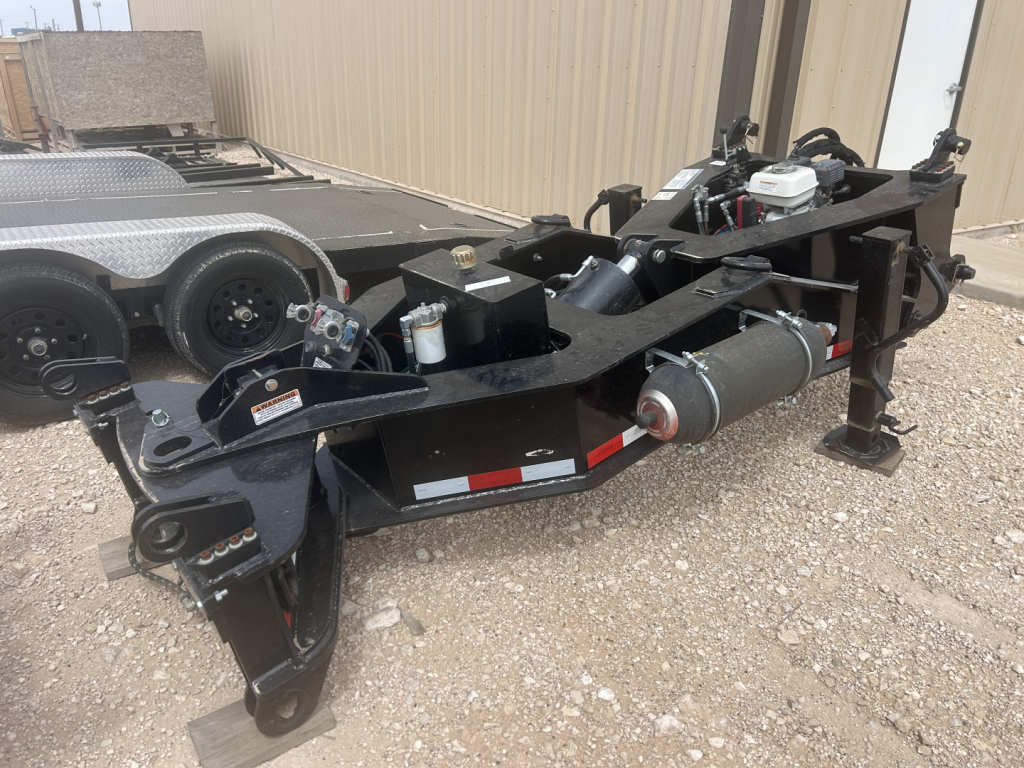
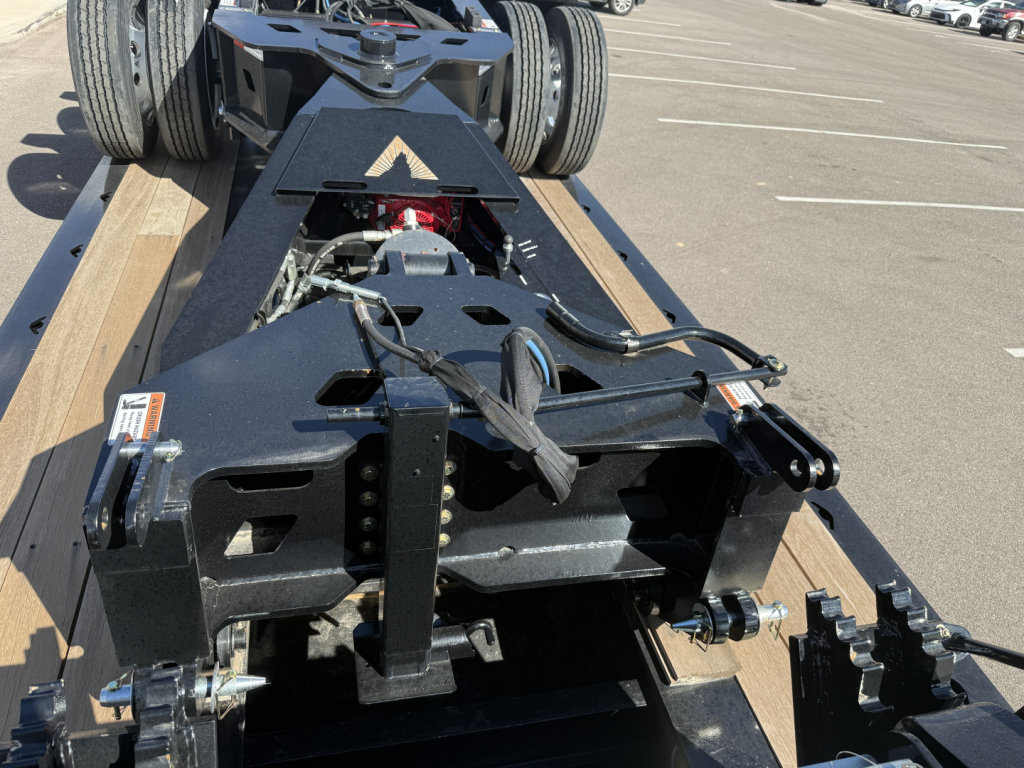
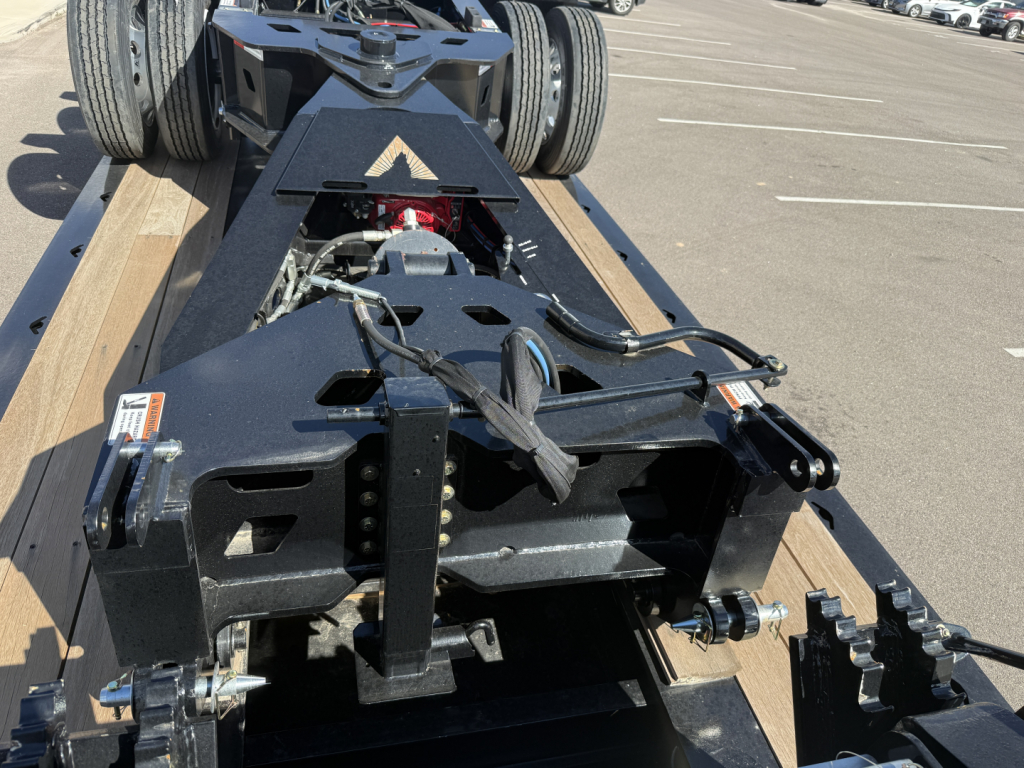
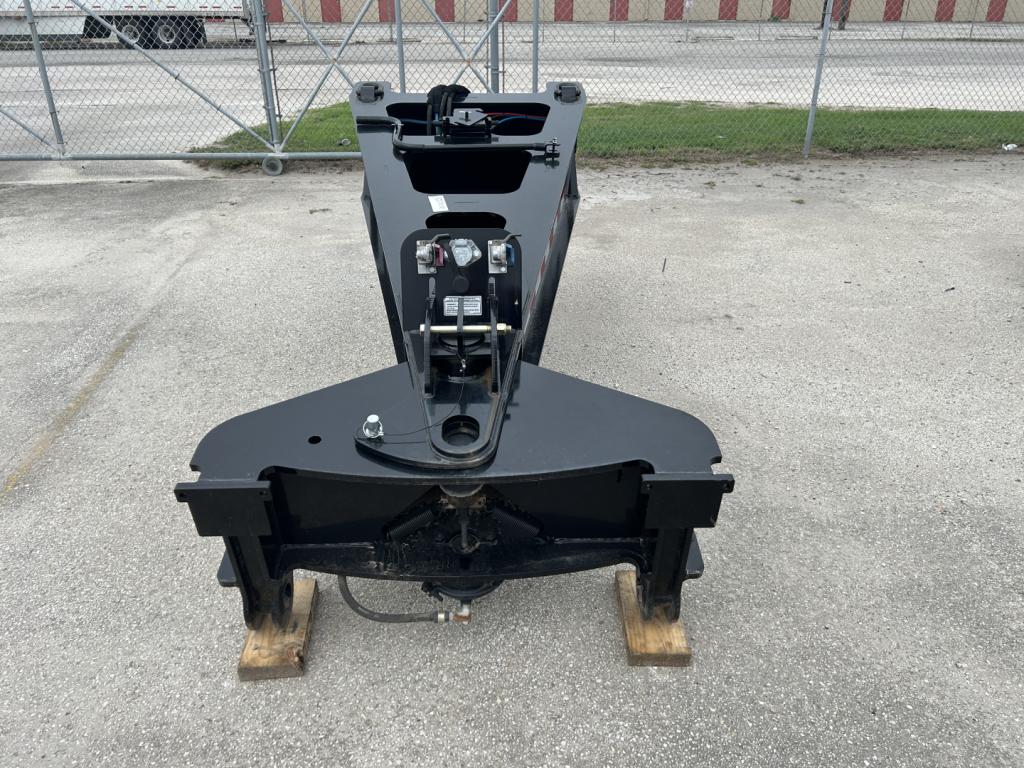
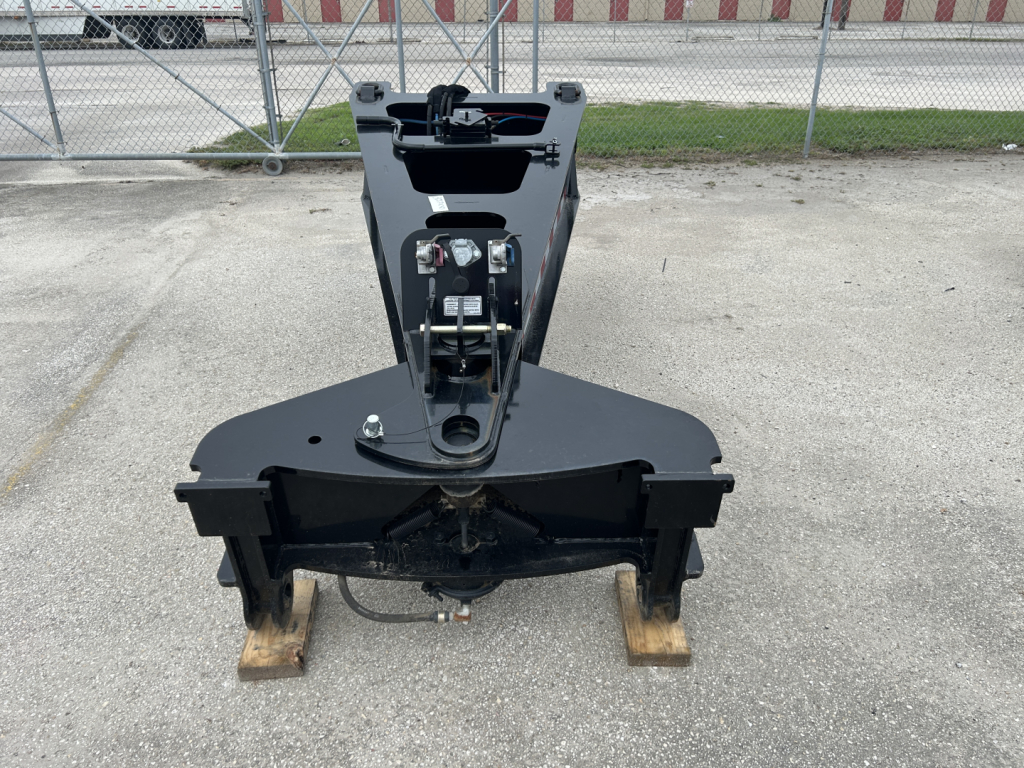
Spreader bars are a good example of what matters in this category. Width, axle spacing, flip axle compatibility, and ton rating need to match the base trailer and the loads you intend to move. Buyers should pay close attention to rated capacity, frame construction, connection points, landing gear style, electrical harness setup, and hydraulic or self-contained power units if the attachment uses powered functions. On heavy haul combinations, a spreader bar can change how the rear axle group tracks and how weight is distributed across the full setup. That affects permit routing, bridge calculations, turning characteristics, and tire wear, so fitment is just as important as raw capacity.
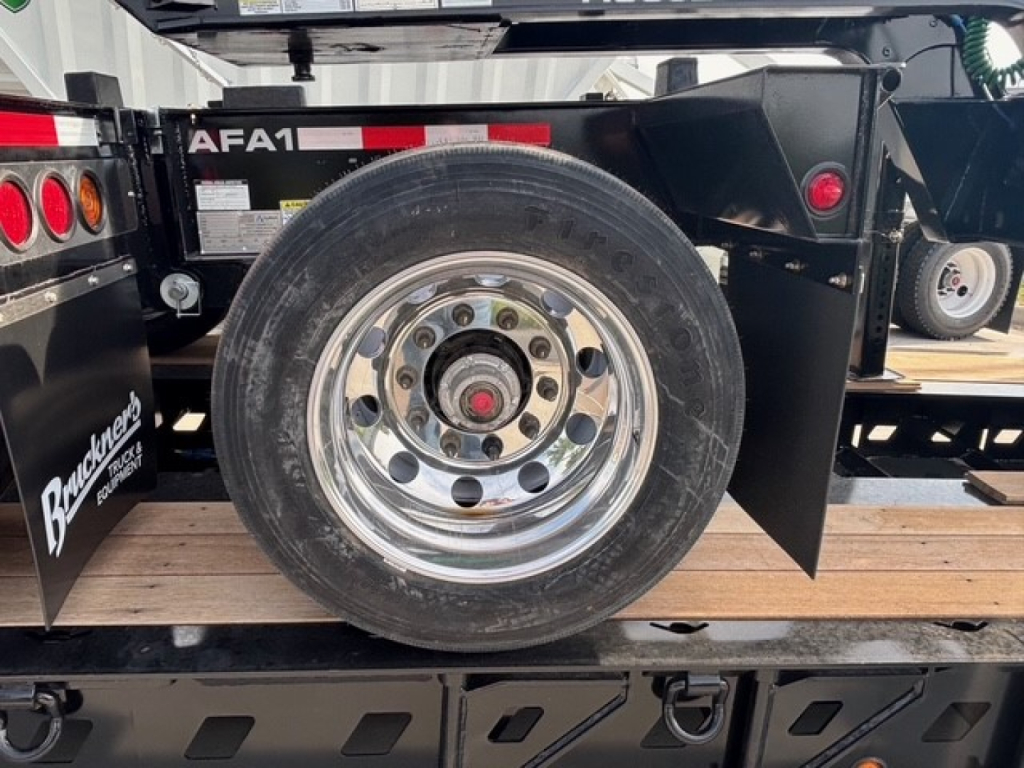
New specialty trailers and trailer components appeal to fleets that want current-spec equipment, cleaner maintenance history, and compatibility with newer heavy haul configurations. Common details include sealed wiring harnesses, modular axle provisions, black paint or corrosion-resistant finishes, and provisions for one or two flip axles. If you are buying for Kansas routes or multi-state heavy haul work, it is smart to verify legal width, loaded overall length impact, and how the equipment will perform on mixed road conditions that include rural county roads, jobsite entrances, and interstate travel. Suspension geometry, deck or attachment height, and ground clearance can all matter when the trailer combination has to cross uneven approaches or handle concentrated weight.
Because this is a broad category, the best buying decision usually comes down to application. Some units in Other Trailers are essentially support equipment for a larger heavy haul trailer system, while others are niche transport tools built for one industry segment. Buyers should confirm manufacturer compatibility, intended axle count, kingpin-to-rear dimension changes if applicable, brake and lighting integration, and serviceability of wear items. The right unit in this category is the one that solves a specific transport problem, fits the trailer combination correctly, and keeps the load legal, stable, and efficient to move.
Frequently Asked Questions about New Other Trailers in Kansas
What is included in the Other Trailers category?
The Other Trailers category typically includes specialty trailers and heavy haul support equipment that do not fit standard groups like flatbed, dump, dry van, or lowboy. Common examples include spreader bars, specialty axle attachments, niche hauling platforms, and trailer components designed for a specific load configuration. These units are usually application-driven, so compatibility with your existing trailer and intended load is the main buying consideration.
What does a spreader bar do on a heavy haul trailer setup?
A spreader bar is used to increase spacing between axle groups in a heavy haul configuration, often when running one or more flip axles behind a lowboy or other specialized trailer. That added spacing can help distribute weight more effectively and support bridge law or permit requirements. It also changes the overall footprint and handling of the combination, so buyers need to verify the exact dimensions, rated capacity, and approved trailer fitment.
How do I know if a spreader bar or specialty trailer attachment will fit my trailer?
Fitment starts with the base trailer manufacturer and model, then moves to width, connection style, axle spacing requirements, and rated tonnage. Buyers should confirm the trailer's original design for add-on equipment, the distance from the rear axle group to the flip axle centerline, electrical and brake integration, and any hydraulic or power unit requirements. Manufacturer documentation is important because small differences in geometry or mounting design can affect legal operation and safe load transfer.
Why buy new specialty trailer equipment instead of used?
New specialty trailer equipment can reduce unknowns in a category where precise dimensions and structural integrity matter. A new unit typically offers current wiring, cleaner paint and corrosion protection, unworn connection points, and less risk of hidden fatigue or prior overloading. For fleets that depend on consistent heavy haul permitting and predictable setup times, new equipment can also simplify spec matching across multiple trailer combinations.
What should Kansas buyers pay attention to with specialty trailers and heavy haul components?
Kansas buyers should look closely at how the equipment affects legal width, overall combination length, axle spacing, and permit compliance. State and multi-state routes may include a mix of interstate travel, agricultural roads, and jobsite access points, so turning clearance, ground clearance, and stability under concentrated loads are all important. Buyers moving oversize or overweight freight should also confirm that the equipment supports the axle layout and load distribution needed for their most common permit scenarios.