
New Alpha Other Trailers For Sale in Kansas
New Alpha other trailers for heavy-haul setups, including flip axles and spreader bars built for capacity, width, and jobsite durability.
Selling a new alpha other trailer? List your new alpha other trailer for sale and reach thousands of commercial buyers.
New Alpha Other Trailers in Kansas
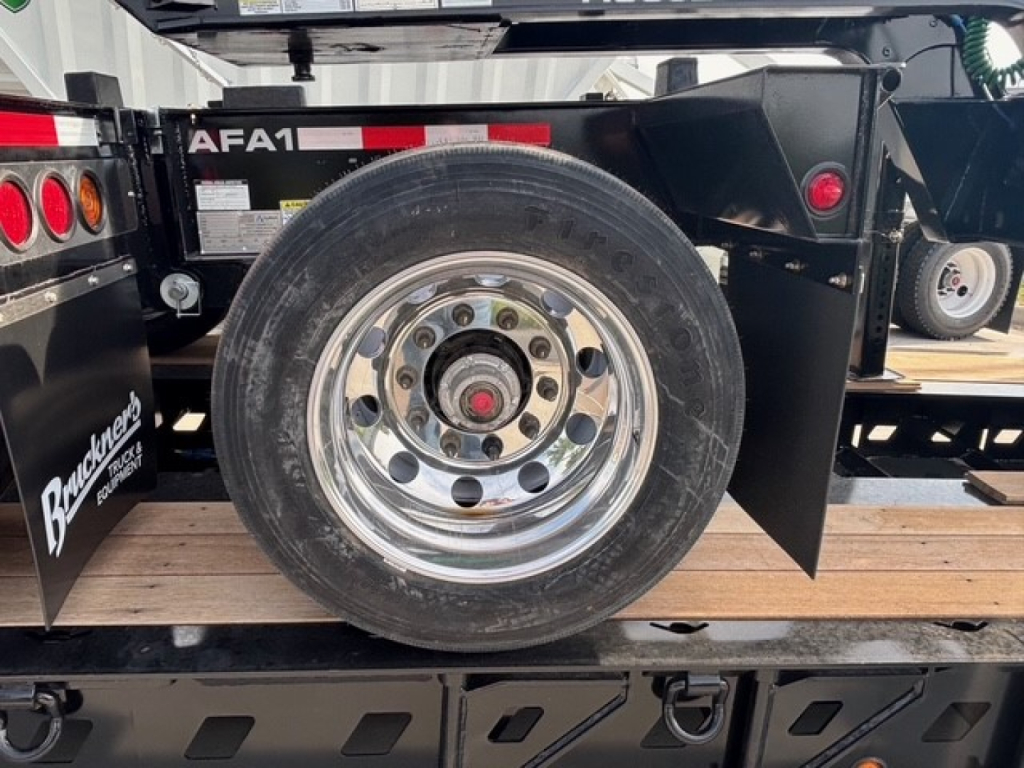
A buyer should start with capacity rating, axle configuration, and connection compatibility. Alpha flip axles in the 60-ton class are commonly spec'd for wide lowboy and detachable applications where additional axle capacity is needed at the rear of the combination. Key details include axle spacing, suspension type, brake setup, tire size, and overall width. Air ride suspension is often preferred for ride quality and load protection, while drum brakes remain common for serviceability and parts availability. Features like stake pockets, D-rings, limit chains, flag holders, sealed harnesses, and backup electrical connections matter because these trailers and attachments spend their lives in real heavy-haul conditions, not just on paper specs.
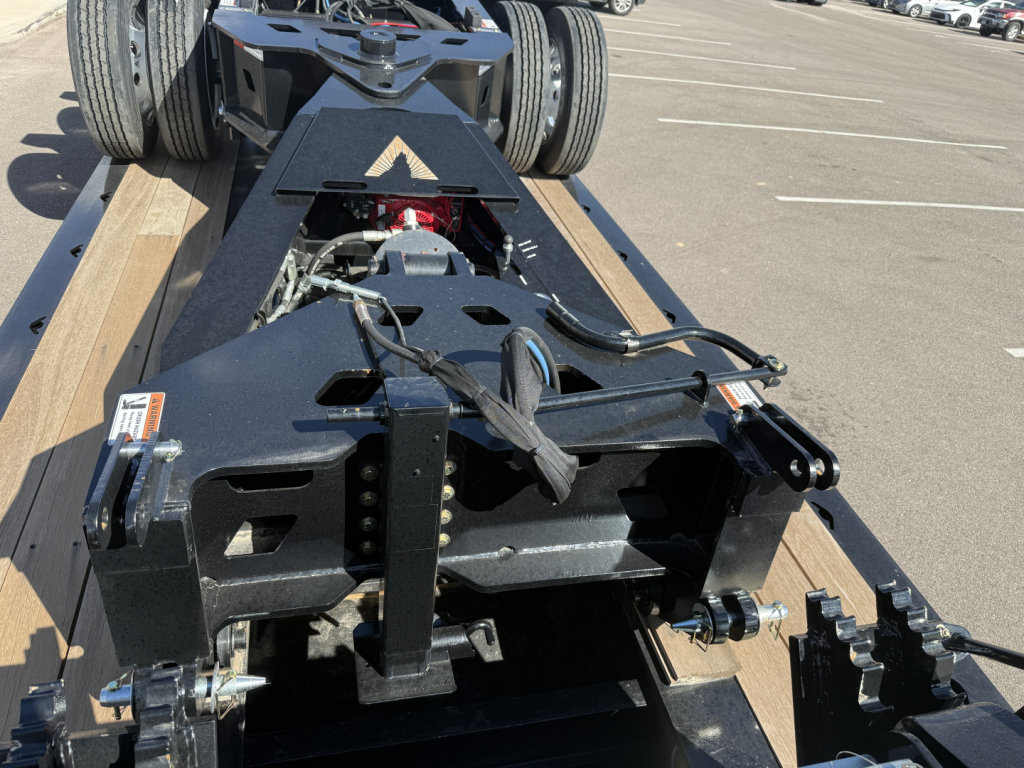
Spreader bars are equally important when a trailer is designed to run one or more flip axles. A properly matched spreader bar helps distribute load across the axle group and can be critical for achieving the bridge and spacing requirements a permit load demands. Buyers should confirm whether the spreader bar is rated for one or two flip axles, how the hydraulic or power unit is configured, what landing gear style is used, and whether the electrical system is sealed for weather and road exposure. On specialized heavy-haul gear, small spec differences can create major compatibility issues, so kingpin-related setup, top link dimensions, shim arrangements, pin connections, and trailer manufacturer fitment should all be verified before purchase.
New Alpha other trailers appeal to fleets that want purpose-built heavy-haul components with current wiring, fresh suspension and brake systems, and no uncertainty about prior structural use. For Kansas operators and multistate carriers alike, width, axle spacing, and load rating should be reviewed alongside the permit environment the trailer will run in most often. The best choice is the one that matches the base trailer, the freight profile, and the states where the combination will be permitted, inspected, and worked hard.
Frequently Asked Questions about New Alpha Other Trailers in Kansas
What is a flip axle trailer attachment used for?
A flip axle is used to add axle capacity to the rear of a lowboy or detachable trailer combination. In heavy-haul service, it helps distribute weight more effectively, supports higher gross load ratings, and can improve permit compliance by changing the axle group layout. The exact benefit depends on the trailer it is paired with, the axle spacing, and the states where the load will operate.
Why does a spreader bar matter on a heavy-haul trailer setup?
A spreader bar changes the spacing relationship between the rear trailer and the added flip axle or axle group. That spacing can be critical for bridge law calculations, state permit approval, and overall weight distribution. If the spreader bar is not correctly rated or matched to the trailer and flip axle, the combination may not perform as intended and may not meet the dimensional or legal requirements of the load.
What specs should I check first on an Alpha flip axle or spreader bar?
Start with rated capacity, overall width, axle spacing, suspension type, brake type, and tire size. Then confirm connection details such as top links, pins, shims, electrical harness type, and compatibility with the trailer model it will be used on. These are specialized heavy-haul components, so fitment and legal configuration are just as important as the published ton rating.
Are new heavy-haul support trailers and attachments worth it over used ones?
For many fleets, new units reduce the risk tied to hidden structural fatigue, worn bushings, aging wiring, and brake or suspension wear. With specialized heavy-haul equipment, downtime and incompatibility are expensive, so buyers often place a premium on known specs, fresh components, and manufacturer-supported configuration. The value depends on utilization, but new equipment is often favored when consistency and permit-ready condition matter.
Do width and axle spacing affect permit loads?
Yes. Width and axle spacing are central to how a heavy-haul combination is permitted and routed. A 9-foot-wide component, for example, may align with a wider trailer setup, while axle spacing affects bridge calculations and how weight is assigned across the group. Buyers should compare these dimensions to their typical freight and the permit rules in the states where the trailer will run most often.