
New 2024 Trailers For Sale
Shop new 2024 trailers for sale including dry vans, dump trailers, lowboys, and pneumatic bulk trailers with current specs and configurations.
Learn more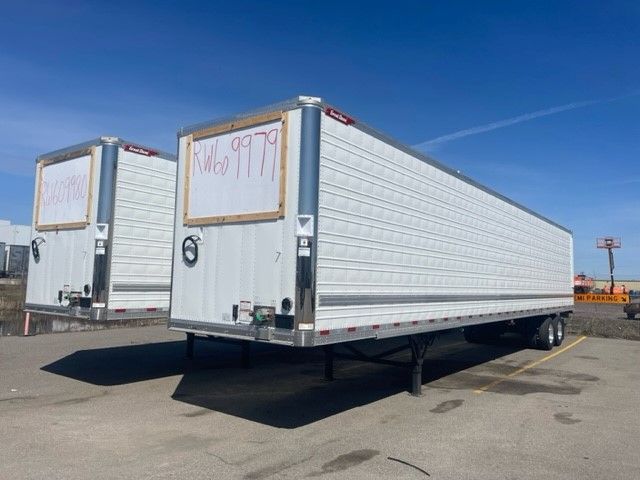
Showing 13 to 16 of 16 results
Have new 2024 trailer to sell? List it here to reach thousands of buyers.
About New 2024 Trailers
For van trailers, buyers usually compare length, roof construction, floor design, wall system, rear door style, and running gear. Common specs include 53-foot length, 102-inch width, tandem sliding axles, air ride suspension, 22.5 low-profile tires, and aluminum roofs. Details like scuff liners, logistic post spacing, composite sidewalls, threshold plates, anti-dock-walk systems, tire inflation systems, and side skirts matter because they directly affect cargo securement, dock durability, fuel economy, and tire life. A dry van trailer, also known as an enclosed van trailer, is typically the right fit for palletized freight, retail distribution, and general dry goods where weather protection and versatile loading are priorities.
Vocational buyers should pay close attention to material choice and body design. A steel frameless end dump is built for abrasive loads such as rock, demolition, and aggregate, with common considerations including tub shape, cubic yard capacity, gate style, tarp system, suspension type, and tire package. Pneumatic dry bulk trailers, often used for cement, lime, fly ash, and other powdered commodities, are usually evaluated by cubic foot capacity, number of hoppers, discharge layout, barrel material, and plumbing design. Aluminum construction reduces tare weight and can improve payload, while suspension brand, axle spacing, hose tube placement, and valve specification all affect daily operation and unloading efficiency.
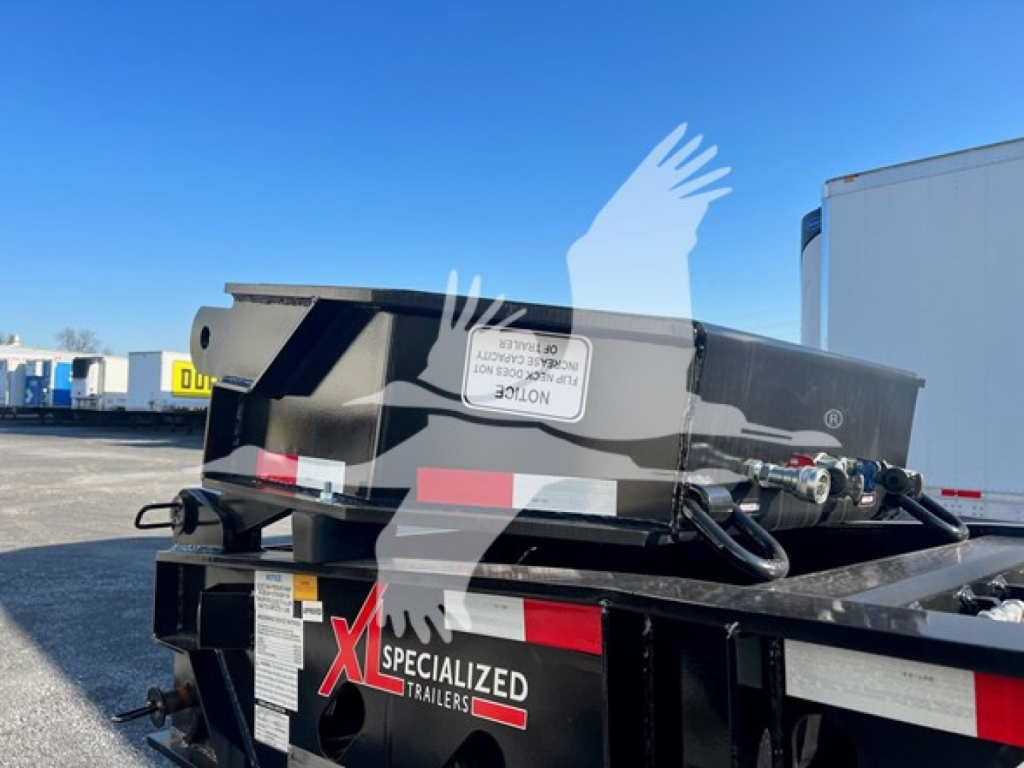
Heavy haul trailer buyers in this category may also be sorting through lowboy platforms, jeep combinations, and flip axles. For that equipment, compatibility with the main deck, suspension setting, axle count, deck height, width, and legal load strategy are more important than simple purchase price. A rear flip axle, for example, is chosen to increase capacity and help distribute load for bridge compliance, but it needs to match the intended lowboy and operating states. Across all new trailers, the smartest comparison is total application fit: empty weight versus durability, fixed versus sliding tandem, steel versus aluminum wheels, and the supportability of common wear items like brakes, bushings, liners, tarps, and air system components.
Frequently Asked Questions
What should I compare first when shopping for a new 2024 trailer?
Start with the application, then compare the core operating specs that affect revenue and maintenance. Trailer type, payload target, length, axle configuration, suspension, construction material, and loading or unloading method should all match the freight and route. A dry van buyer may focus on floor strength, logistics posts, slider position, and tire inflation systems, while a dump or pneumatic buyer may care more about body material, capacity, discharge equipment, and tare weight. The right comparison is not simply year and price, but how well the trailer spec fits the work cycle.
Is aluminum or steel better for a new trailer?
Neither material is universally better. Aluminum usually reduces empty weight and can improve payload on dry vans, pneumatic bulk trailers, and some tanker or platform applications. Steel is often preferred where impact resistance and abrasion resistance matter more, such as rock dumps and severe-duty vocational use. Many new trailers use a mixed-material approach, combining aluminum components where weight savings help and steel where structural durability is critical.
Why do sliding tandems matter on van trailers?
Sliding tandems help a van trailer adapt to bridge laws, axle weight distribution, and dock positioning. They give the operator flexibility to shift axle position based on freight placement and legal requirements in different states. For buyers running general freight over long distances, sliding tandems can make the trailer easier to scale legally and easier to assign across a broader mix of loads. Fixed tandems may be simpler, but they do not offer the same operational flexibility.
What is most important on a pneumatic dry bulk trailer?
Capacity and unloading performance are the two biggest priorities. Buyers should look at cubic foot capacity, number of hoppers, barrel material, discharge location, valve size, aeration system, and overall tare weight. The trailer also needs a practical hose storage setup, accessible gauges, and a suspension package suited to the roads and loading points it will see. For commodities like cement or fly ash, small specification differences in plumbing and hopper design can affect unload time and product flow every day.
How do I choose the right dump trailer spec?
Match the body design and material to the commodity. A steel half-round frameless end dump is common for rock, asphalt millings, and demolition because it sheds material well and handles abrasive loads better than lighter construction. Key specs include tub length, cubic yard capacity, gate style, tarp system, suspension type, wheel and tire package, and fender or liner options. If the trailer will spend most of its life on uneven job sites, durability and stability should carry more weight than chasing the lightest possible tare.