
New 2024 Dump Trailers For Sale
Shop new 2024 dump trailers for sale, including end dumps, side dumps, and bottom dumps with air ride, tarp systems, and heavy-duty specs.
Learn more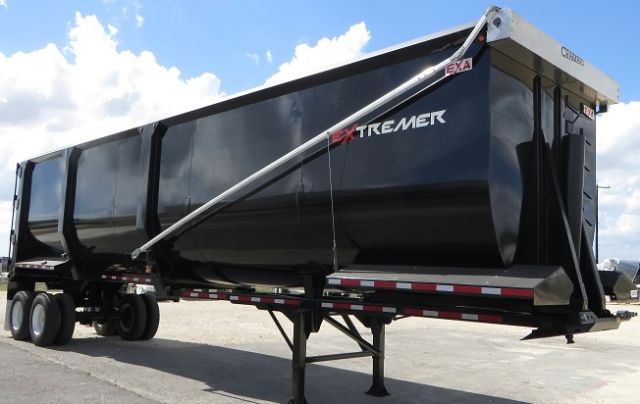
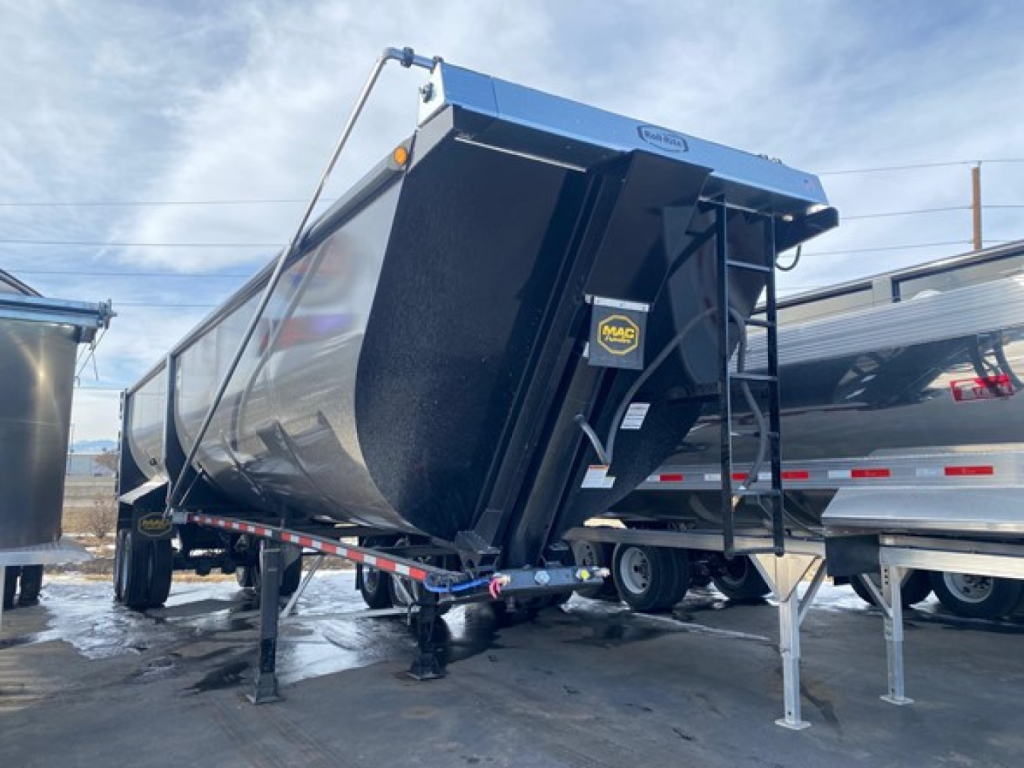
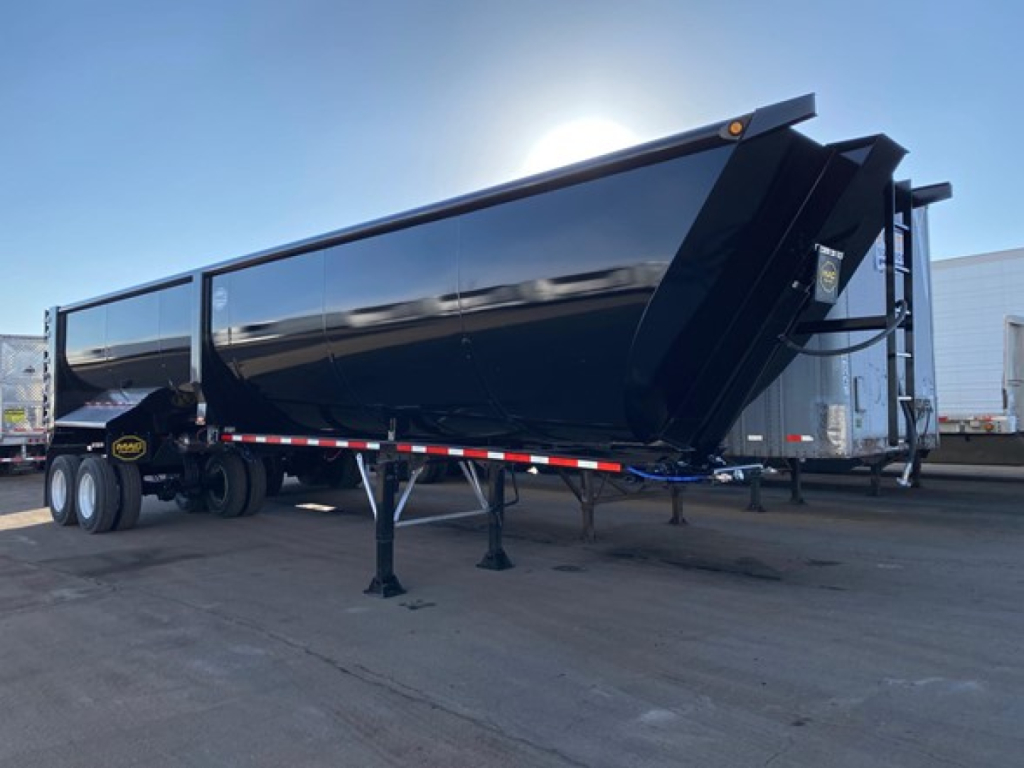
Have new 2024 dump trailer to sell? List it here to reach thousands of buyers.
About New 2024 Dump Trailers
A buyer should start with body construction and suspension. Steel tubs, including AR400 and other abrasion-resistant specs, are common for rock, riprap, and abrasive aggregate. Aluminum bodies reduce tare weight and increase payload potential, which matters in grain, fertilizer, coal, and lighter bulk commodities. Air ride suspension is widely preferred for ride quality, cargo protection, and resale, while lift axles, spread axle layouts, and closed tandem setups affect bridge compliance, tire wear, and maneuverability. On side dumps and bottom dumps, axle spacing, pivot design, gate controls, and cylinder layout have a direct impact on how cleanly the trailer unloads and how stable it feels under load.
Tarp systems, gate controls, and liner options are not minor details on a dump trailer. Electric flip tarps, electric roll tarps, and slide tarp systems save time and improve load security, especially in states with strict cover requirements. Gate limiters, grain doors, coal doors, windrow deflectors, and push blocks should match the material and the unloading method. Interior liners help with sticky material and can reduce carryback, while scuff-prone applications may call for heavier wall construction or reinforced corners. Tire size, wheel choice, landing gear spec, and lighting package also matter because dump trailers spend their lives in tough environments where uptime depends on durable everyday components.
For many buyers, the best 2024 dump trailer is the one whose specs match the route, the commodity, and the ground conditions. A paving contractor may prioritize a lightweight bottom dump with precise gate control and a reliable tarp. A quarry fleet may lean toward a steel side dump or end dump with abrasion-resistant tub material and heavy-duty running gear. Agricultural and commodity haulers often focus on aluminum construction, high sidewalls, and door configurations that improve versatility. When comparing listings, pay close attention to trailer length, wall height, cubic yard capacity, suspension type, axle arrangement, tub material, and discharge design because those factors determine payload, unloading safety, and long-term operating cost more than paint or badge name.
Frequently Asked Questions
What is the difference between an end dump, side dump, and bottom dump trailer?
An end dump trailer raises the front of the body and unloads out the rear, making it a common choice for aggregate, scrap, demolition, grain, and general bulk material. A side dump trailer uses hydraulic cylinders to roll the tub to one side, which allows fast unloading and typically offers better stability on uneven ground because the body does not rise as high. A bottom dump trailer, also called a belly dump, discharges through gates underneath the hopper and is widely used in road building because it can spread material in a controlled windrow.
Is steel or aluminum better for a dump trailer?
Steel is generally better for severe-duty applications such as rock, riprap, demolition debris, and other abrasive materials because it resists impact and wear well, especially when abrasion-resistant steel is used. Aluminum is preferred when lowering tare weight is the priority, which can increase legal payload on lighter commodities such as grain, coal, fertilizer, or some aggregate products. The right choice depends on the commodity, haul distance, and how often the trailer will see rough loading conditions.
Why do many buyers prefer air ride suspension on dump trailers?
Air ride suspension is popular because it improves ride quality, reduces shock to the trailer structure, and can help protect both the cargo and running gear over rough roads. It is also commonly associated with better resale appeal in many markets. On dump trailers, air ride can be especially valuable when the trailer runs mixed highway and jobsite miles, although the best suspension setup still depends on axle configuration, load profile, and terrain.
What features matter most on a bottom dump trailer?
On a bottom dump trailer, buyers usually focus on hopper design, gate control precision, kingpin setting, axle layout, and tarp configuration. Windrow deflectors, gate limiters, and reliable pneumatic or valve controls are important because they directly affect material placement and discharge consistency. If the trailer will be used in paving or road base work, clean gate operation and stable tracking under load often matter more than maximum cubic capacity alone.
What should I compare first when shopping new 2024 dump trailers for sale?
Start with the trailer type, tub or hopper material, axle configuration, suspension, and body dimensions. Those core specs determine the trailer’s payload, unloading method, durability, and legal fit for the routes you run. After that, compare tarp systems, liner options, door or gate style, tire and wheel package, and any application-specific features such as grain doors, lift axles, push blocks, or abrasion-resistant body construction.