
New 2024 Trailers For Sale in Minnesota
Shop new 2024 trailers in Minnesota, including dry vans and reefers with current specs, safety systems, and fleet-ready configurations.
Selling a new 2024 trailer? List your new 2024 trailer for sale and reach thousands of commercial buyers.
New 2024 Trailers in Minnesota
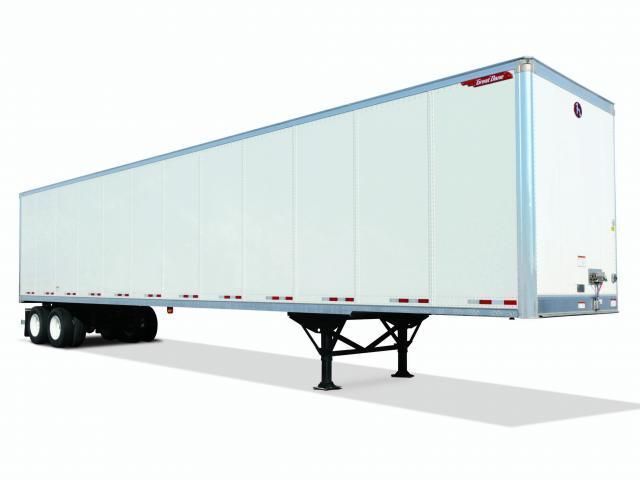
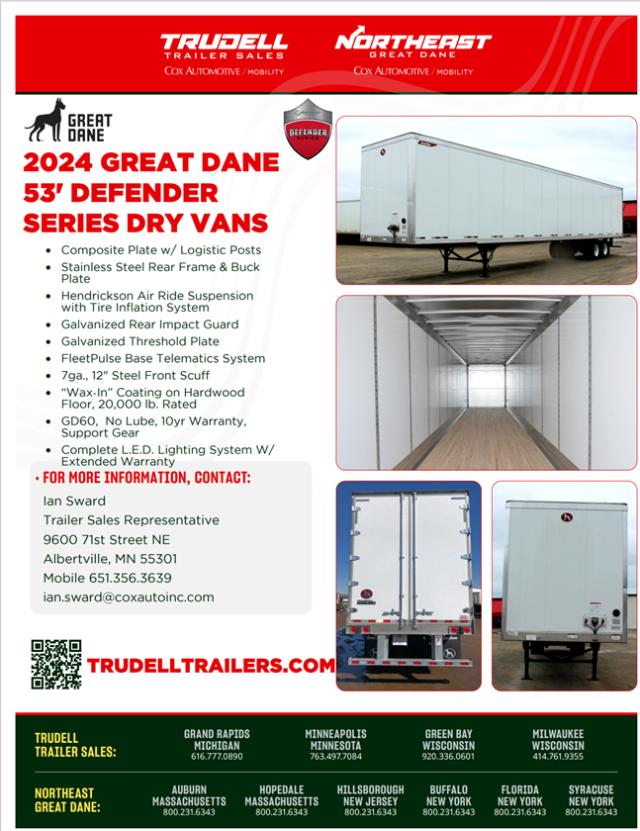
On new 2024 dry van trailers, buyers typically compare wall construction, roof design, floor rating, and rear frame durability. Composite plate vans are popular because they balance structural strength, repairability, and trailer weight. Common buyer checkpoints include hardwood or laminated flooring, logistics posts, duct floors, threshold design, and interior scuff liner height based on freight mix and forklift traffic. Swing doors remain common for dock freight, but spec details like stainless rear frames, galvanized components, and LED lighting can make a noticeable difference in long-term maintenance, especially in upper Midwest service where road salt and freeze-thaw cycles are hard on trailer hardware.
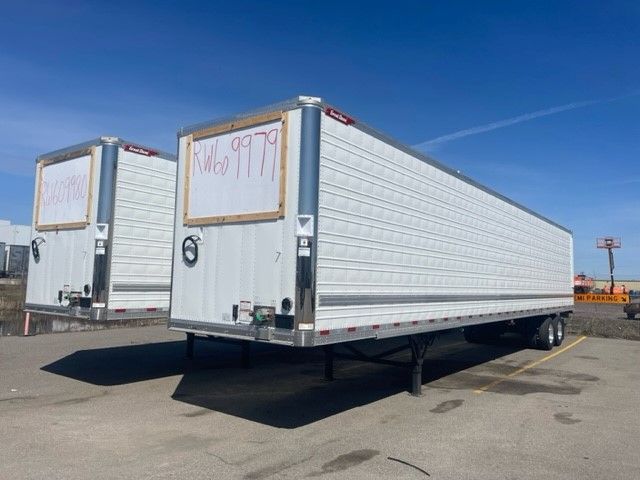
For new 2024 reefer trailers, the key specs go beyond box dimensions. Buyers should look closely at brake package, suspension, tire management, aero equipment, telematics readiness, and door construction alongside the refrigeration unit itself. Disc brakes continue to gain traction in reefer fleets because they improve stopping consistency and simplify some maintenance intervals compared with traditional drum setups. Tire inflation systems such as Tiremaax Pro help protect tire life and reduce roadside events, while roll-stability systems support control in winter conditions and during evasive maneuvers. Features like stainless quilted rear doors, extended interior scuff liners, aluminum lift pads, rub rails, and trailer skirts or roof fairing systems can all improve durability, forklift resistance, and fuel economy depending on the lane.
A buyer comparing new trailers in this class should think in terms of total cost per mile, not just purchase price. Minnesota operations often demand stronger corrosion protection, dependable door seals, reliable ABS and stability systems, and specifications that hold up to repeated dock cycles and cold-weather loading. Check axle spread and bridge law requirements, trailer tare weight, floor capacity, reefer fuel tank size, and compatibility with fleet maintenance practices. The best 2024 trailer spec is the one matched to the freight, route length, loading method, and maintenance environment, with enough durability built in to protect resale value when the trailer eventually rotates out of service.
Frequently Asked Questions about New 2024 Trailers in Minnesota
What types of new 2024 trailers are most common in Minnesota?
The most common new 2024 trailers in Minnesota are 53-foot dry vans and 53-foot refrigerated trailers. Dry vans handle general freight, palletized goods, and distribution freight, while reefers are used for food, beverage, and other temperature-sensitive loads. Minnesota buyers often prioritize specs that handle cold weather, road salt exposure, and heavy dock use, so corrosion protection, door sealing, insulation, and braking systems tend to get more attention than in milder regions.
Are disc brakes worth it on a new 2024 reefer trailer?
For many reefer operations, disc brakes are a strong upgrade. They generally offer more consistent braking performance, better heat management, and improved stopping feel, which is especially useful in heavy traffic, long-haul service, and winter road conditions. They can also simplify certain maintenance tasks. The value is highest for fleets that run high annual miles, operate in demanding weather, or want stronger safety performance and easier brake inspection routines.
What should I look for in a new dry van trailer spec?
The most important dry van decisions are wall construction, floor rating, rear frame durability, and cargo control layout. Composite plate construction is a common choice because it offers a good mix of strength and manageable repair costs. Buyers should also review scuff liner height, logistics post spacing, roof material, threshold protection, and corrosion-resistant components. If the trailer will see frequent forklift loading or dense freight, floor capacity and impact protection become especially important.
How do Minnesota conditions affect trailer buying decisions?
Minnesota weather pushes buyers toward durable, low-maintenance trailer specs. Cold temperatures make door seals, insulation performance, and refrigeration efficiency more important, while snow, ice, and road chemicals increase the need for galvanized or stainless components and well-protected wiring and air systems. Stability systems, dependable ABS function, quality lighting, and strong brake performance also matter more because winter traction and visibility can change quickly.
What features help reduce operating cost on a new trailer?
Operating cost is influenced by trailer weight, aerodynamics, tire performance, brake design, and maintenance-friendly component choices. Tire inflation systems can extend tire life and cut roadside service calls. Aero devices such as trailer skirts or roof fairings can improve fuel economy on highway lanes. Durable flooring, corrosion-resistant hardware, LED lighting, and quality door assemblies help reduce downtime and repair spend. On reefer trailers, efficient insulation, sound refrigeration integration, and damage-resistant interior finishes also play a major role in long-term cost control.