
New 2024 Great Dane Trailers For Sale in Minnesota
Shop new 2024 Great Dane trailers in Minnesota, including dry vans and reefers with modern specs for regional, fleet, and over-the-road use.
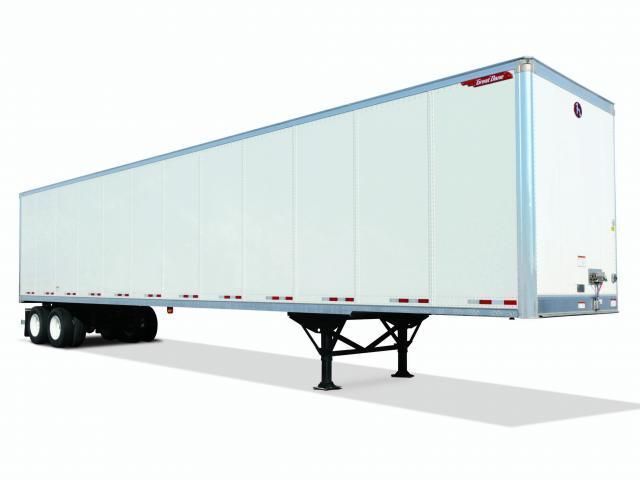
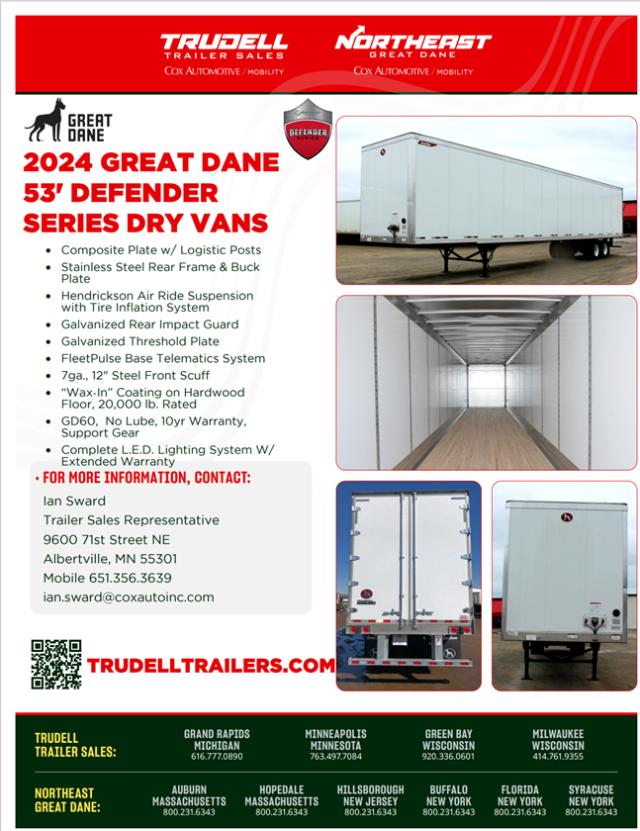
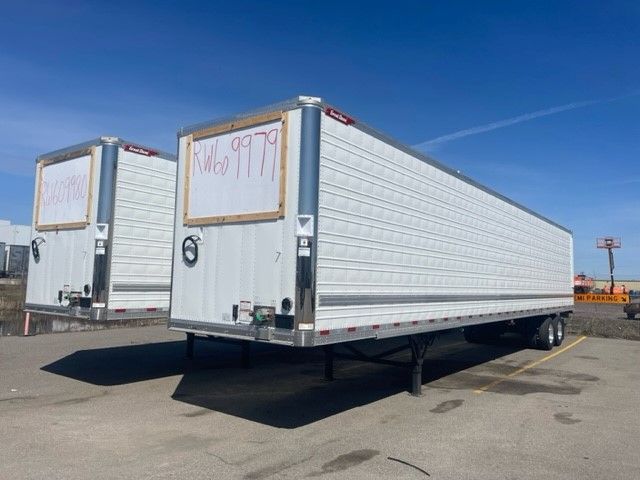
Selling a new 2024 great dane trailer? List your new 2024 great dane trailer for sale and reach thousands of commercial buyers.
New 2024 Great Dane Trailers in Minnesota
On dry vans, buyers usually compare wall construction, floor ratings, roof design, and rear frame durability. Composite plate vans are popular because they balance impact resistance, repairability, and tare weight for high-cycle freight. Interior details like scuff liners, logistics posts, duct floors, and swing or roll doors matter if the trailer will be assigned to dedicated retail, LTL, or general over-the-road service. Suspension spec, axle spread, wheel end package, and brake type also affect total operating cost, especially in Minnesota where freeze-thaw cycles, road chemicals, and seasonal weight considerations can accelerate wear on undercarriage components.
For reefer buyers, the trailer body is only part of the equation. Insulation package, door configuration, floor type, and air flow management all influence pull-down performance and temperature integrity. Many 2024 Great Dane reefers are equipped with higher-efficiency features such as aerodynamic roof treatments, tire inflation systems, roll-stability systems, aluminum components, and disc brakes. Disc brakes are drawing more attention in fleet and food-grade applications because they improve stopping consistency, reduce brake fade, and can simplify certain maintenance intervals compared with traditional drum setups. Stainless rear doors, lift pads, rub rails, and extended interior scuff protection are also common on premium reefer specs built for dock-heavy service.
Minnesota buyers often look closely at corrosion resistance, winter traction planning, and uptime support when selecting a new trailer. Great Dane trailers are frequently chosen for fleet standardization, lease fleet replacement, and private carriage because they can be ordered with practical specs instead of unnecessary add-ons. The right trailer comes down to cargo type, loading method, maintenance strategy, and expected trade cycle. A high-cube dry van may be the better fit for general palletized freight, while a reefer with advanced telematics, air management, and durable interior protection makes more sense for food, beverage, and pharmaceutical lanes.
Frequently Asked Questions about New 2024 Great Dane Trailers in Minnesota
What are the most common 2024 Great Dane trailer configurations for sale in Minnesota?
The most common configurations are 53-foot by 102-inch dry vans and refrigerated trailers. Dry vans are typically used for general freight, retail, and palletized goods, while reefers are built for temperature-controlled freight such as food and beverage products. Many buyers will also see common fleet-oriented options like composite plate sidewalls, air ride suspension, tire inflation systems, and upgraded brake packages.
Are disc brakes worth it on a new Great Dane reefer trailer?
Disc brakes can be a strong option for reefer operations that run dense traffic lanes, frequent stops, or high annual mileage. They generally provide more consistent braking performance, shorter stopping distances in many conditions, and less fade under repeated braking. For fleets focused on safety, driver confidence, and maintenance standardization, disc brakes are often worth the higher initial cost.
What should I look for when comparing a Great Dane dry van to a Great Dane reefer?
The key difference is the freight requirement. A dry van buyer should focus on wall construction, floor rating, rear frame strength, and cargo control features like logistics posts and scuff liners. A reefer buyer should also evaluate insulation, floor design, door sealing, air flow management, and the supporting trailer spec around the refrigeration unit, since body performance directly affects temperature control and fuel efficiency.
Why do Minnesota trailer buyers pay close attention to corrosion protection and undercarriage specs?
Minnesota operating conditions can be hard on trailers because of snow, ice, freeze-thaw cycles, and road treatment chemicals. Those conditions can accelerate corrosion on frames, fasteners, wiring connections, landing gear, and brake components. Buyers often prioritize durable coatings, corrosion-resistant materials, and practical wheel end and suspension specs to protect resale value and reduce downtime.
What does composite plate construction mean on a Great Dane van trailer?
Composite plate construction generally refers to a sidewall design that combines outer skin and internal structure to improve durability, impact resistance, and repair characteristics versus lighter sheet-and-post arrangements. For many fleets, it is a practical middle ground between strength and tare weight. It is especially common in applications where trailers see repeated dock contact, urban deliveries, or high trailer pool utilization.