
New 2024 Flatbed Trailers For Sale
Shop new 2024 flatbed trailers with common specs, load securement features, axle setups, deck materials, and hauling applications explained.
Selling a new 2024 flatbed trailer? List your new 2024 flatbed trailer for sale and reach thousands of commercial buyers.
New 2024 Flatbed Trailers
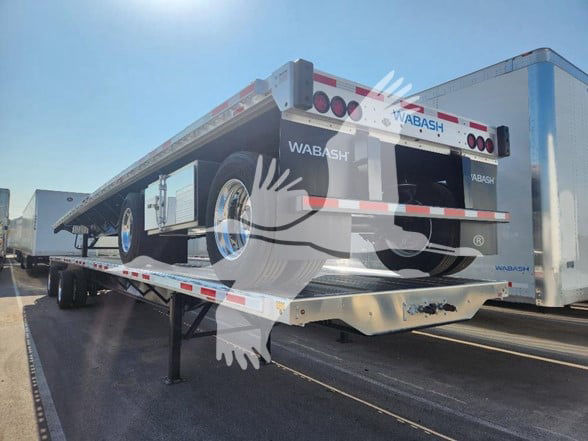
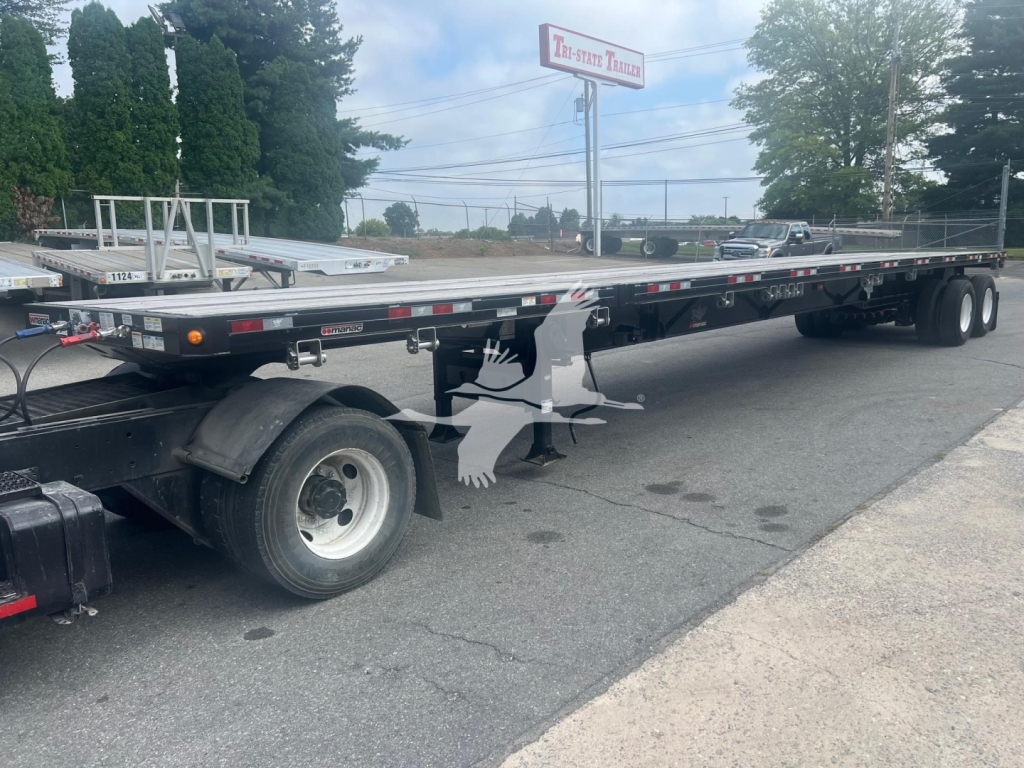
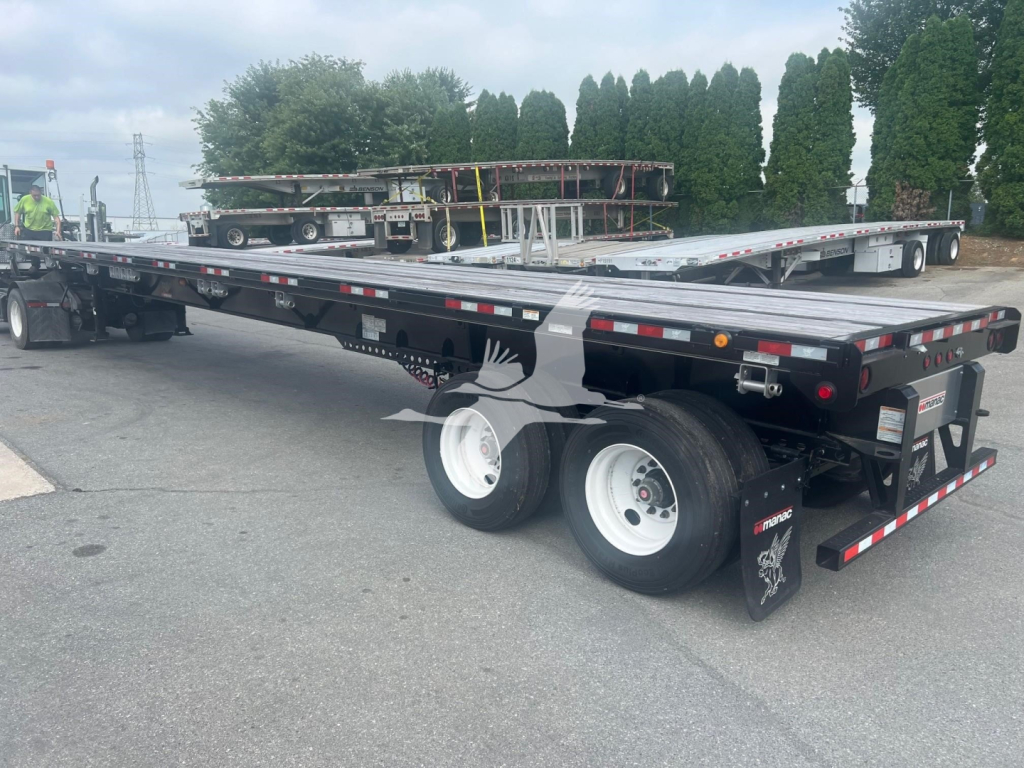
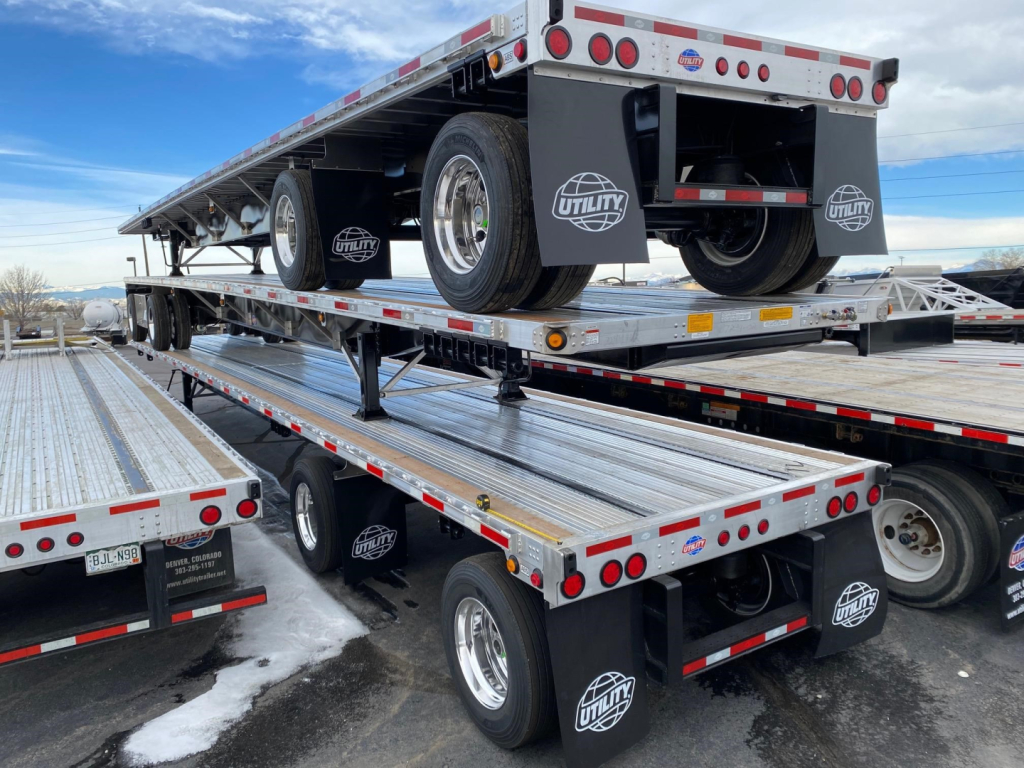
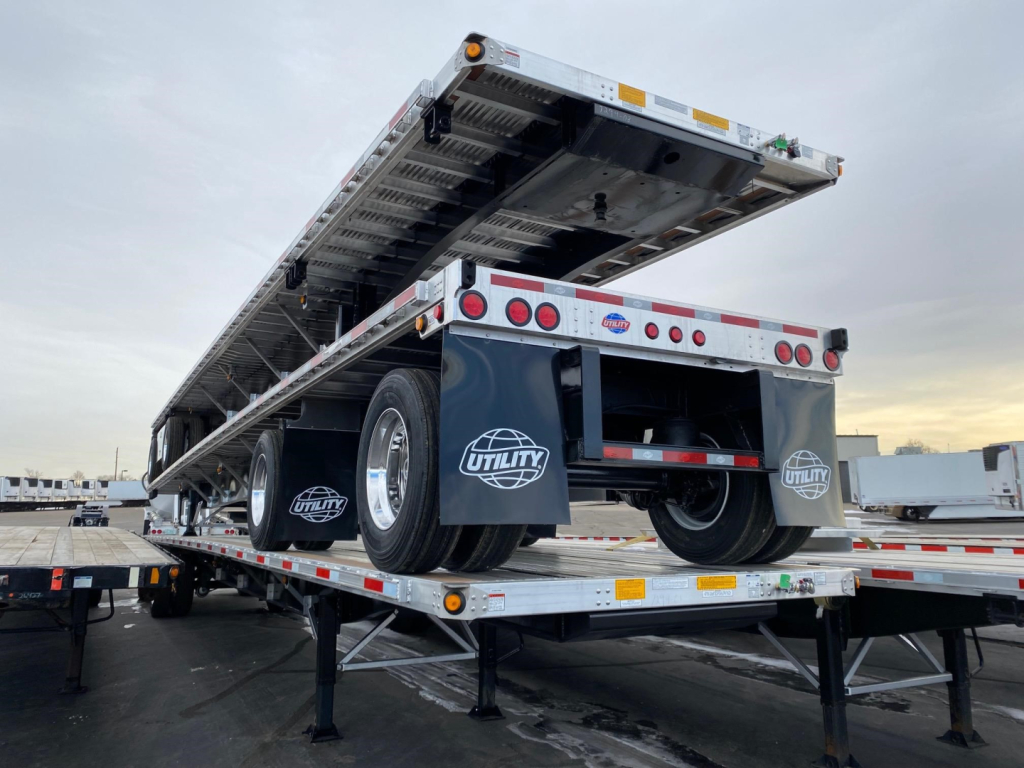
Payload strategy matters more than brand decals on a flatbed. A light combo trailer can maximize legal payload for general freight, while a heavier steel or heavy-haul style deck may be better for rugged jobsite use, repeated forklift loading, or demanding point loads. Common 2024 specs include aluminum floors with wood nailer strips, steel or aluminum crossmembers, integrated rub rails, stake pockets on 24-inch centers, pipe spools, winch tracks on one or both sides, and sliding winches for flexible securement. Coil packages are a major buying point for steel haulers, and buyers should confirm coil well rating, concentrated load capacity, and deck reinforcement if coils are part of the freight mix. Bulkhead options, forklift kits, and counterweight configurations also matter on regional building products routes where truck-mounted forklifts are used.
Suspension and axle layout affect both compliance and day-to-day operating cost. Tandem sliding air ride remains the most common setup for general freight because it gives flexibility on bridge law, kingpin-to-rear-axle adjustment, and load placement. Spread axle flatbeds can improve stability and weight distribution but may reduce maneuverability in tighter yards and urban deliveries. Tire size, wheel material, axle spacing, and loaded deck height all influence how easily the trailer fits your lanes and customers. On 2024 flatbed trailers, LED lighting, sealed harnesses, 4S/2M ABS, dock bumpers, and toolbox packages are standard considerations, but buyers should also pay attention to corrosion protection such as galvanizing, especially in northern climates where road treatment shortens trailer life.
If you are comparing new 2024 flatbed trailers, focus on the work the trailer will do most often, not just the published GVWR. Look closely at tare weight, distributed versus concentrated load rating, kingpin setting, loaded fifth wheel height, suspension type, deck material, and securement layout. For general commodity hauling, a 48-foot or 53-foot combo flatbed with air ride, winch tracks, stake pockets, and nailer strips covers most freight. For oversized freight, steel products, long structural members, or specialized construction loads, an extendable flatbed or reinforced deck may be the better fit. The best flatbed spec is the one that balances payload, durability, securement flexibility, and axle placement for the lanes you actually run.
Frequently Asked Questions about New 2024 Flatbed Trailers
What is the difference between a combo flatbed and an all-steel flatbed trailer?
A combo flatbed typically uses steel main beams with aluminum crossmembers, decking, side rails, or other components to reduce trailer weight. That lower tare weight can improve payload capacity and fuel efficiency for general freight operations. An all-steel flatbed is usually heavier but can be a better choice for severe-duty use, repeated forklift traffic, rough jobsites, and freight with high point-loading demands. The right choice depends on how often the trailer sees concentrated loads and how important tare weight is to your operation.
How do I choose between a 48-foot, 53-foot, and extendable flatbed trailer?
A 48-foot flatbed is still a common standard for general freight and offers good maneuverability with broad load compatibility. A 53-foot flatbed provides more deck space and can be a better fit for longer commodities, higher cube freight, and customers that routinely load to full deck length. An extendable flatbed is designed for long freight such as steel beams, poles, pipe, and structural components that exceed standard deck length. Buyers should match trailer length to actual freight profile, routing restrictions, and how often oversized permits will be required.
What securement features should buyers look for on a new 2024 flatbed trailer?
Stake pockets, rub rails, winch tracks, and sliding winches are core flatbed securement features because they determine how easily the trailer can handle different commodities. Many buyers also want pipe spools, chain tie-down points, bulkhead pockets, and wood nailer strips for added flexibility. The ideal layout depends on the cargo mix. Steel, lumber, machinery, and palletized freight all secure differently, so a buyer should think in terms of securement patterns used every week, not just the trailer's base spec sheet.
Is a sliding tandem or spread axle better for a flatbed trailer?
A sliding tandem is generally the most versatile setup for over-the-road flatbed work because it helps with bridge law compliance, kingpin adjustment, and balancing different load lengths and weights. A spread axle can offer improved stability and favorable weight distribution on some loads, but it is often less maneuverable in tight yards and may create tire scrub in certain turns. The better choice depends on where the trailer runs, how often axle adjustment is needed, and the shipper and receiver environments it sees.
What flatbed specs matter most for hauling steel coils or concentrated loads?
For steel coils or other concentrated loads, buyers should verify more than the overall weight rating. Important details include coil package rating, floor and crossmember reinforcement, concentrated load capacity, main beam strength, kingpin setting, and suspension suitability under heavy point loads. A trailer built for general commodity freight may not be ideal for repeated coil work. If steel is a regular part of the operation, the deck structure and load rating need to match that duty cycle to avoid premature wear and compliance issues.