
New 2024 Flatbed Trailers For Sale in Colorado
Have new 2024 flatbed trailer to sell? List it here to reach thousands of buyers.
New 2024 Flatbed Trailers in Colorado
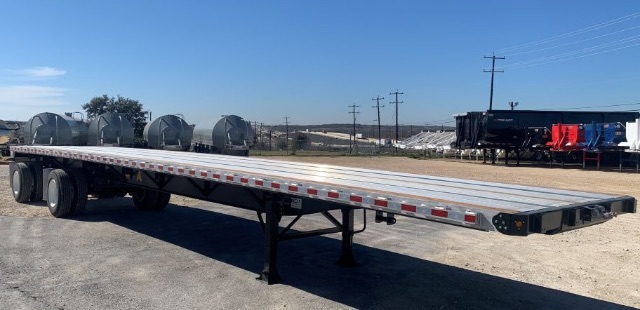
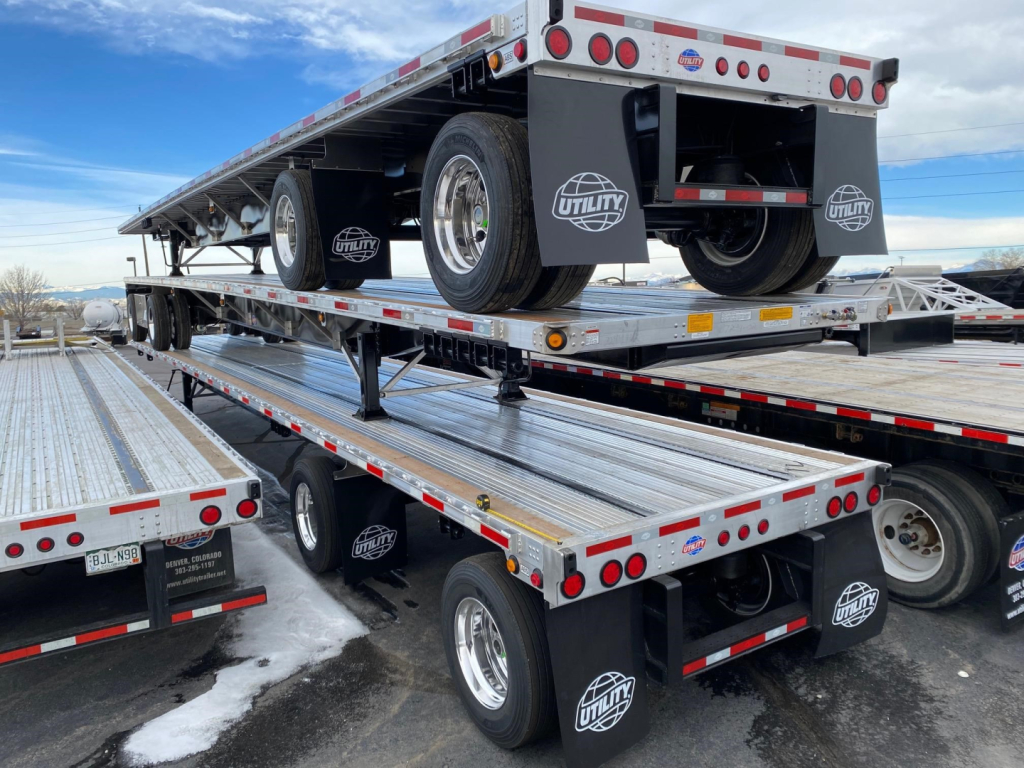
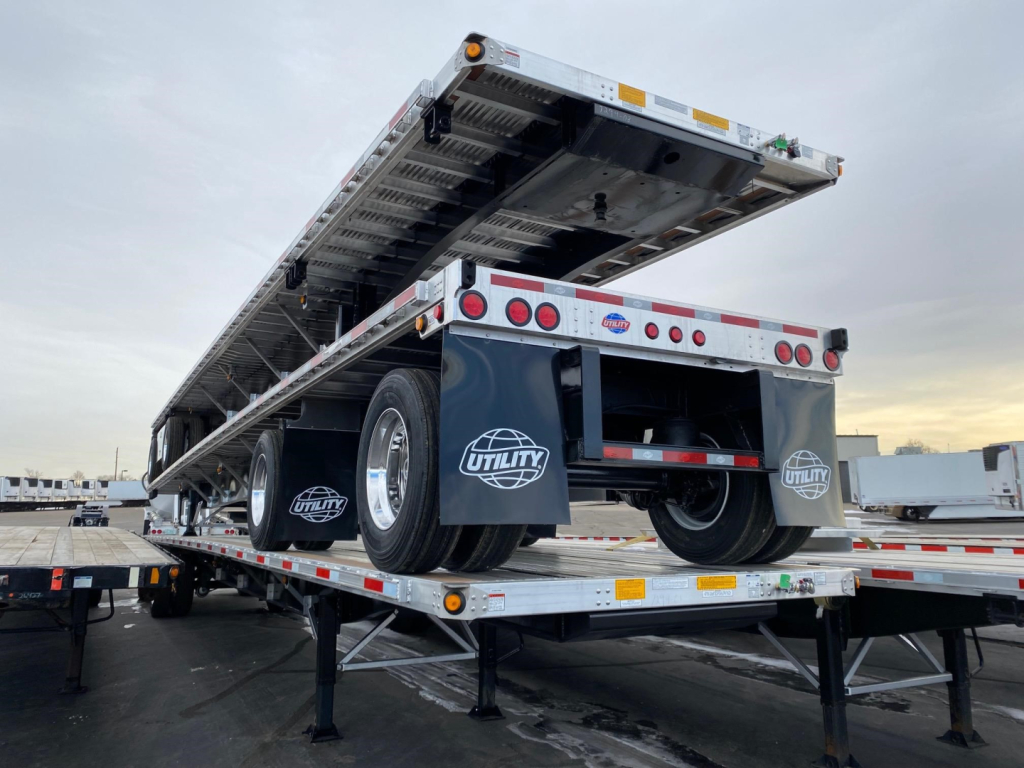
Deck and securement details matter as much as the frame. Many buyers look for Apitong wood decking or aluminum deck systems, plus stake pockets, sliding winches, winch tracks, pipe spools, nail strips, and coil package reinforcement. Those features support a broad range of loads including steel, lumber, building materials, machinery, and palletized freight that cannot be enclosed in a van. A coil package is especially important for operations hauling concentrated steel coil weight, since it changes how the trailer handles point loading and securement. Tool boxes, ICC bumpers, and wheel specifications also deserve attention because they affect day-to-day usability and maintenance.
Axle layout is another major buying point for Colorado fleets. Tandem, spread axle, fixed spread, and sliding axle setups each have tradeoffs in tire wear, bridge compliance, and maneuverability. Air ride suspension is common on higher-spec flatbeds because it improves ride quality for sensitive freight and tends to be preferred in many general freight applications, while spring ride can still make sense for straightforward, lower-cost hauling. Buyers running interstate lanes should also compare slider options, air pin settings, and California-legal or bridge-law-sensitive setups if the trailer may leave the region.
For 2024 model-year buyers, the right flatbed trailer usually comes down to matching empty weight, structural rating, and securement package to the freight actually hauled. A lighter combo or aluminum flatbed can add revenue payload, but a steel platform may be the better long-term choice for rough loading environments and concentrated commodity work. Pay close attention to GVWR, suspension type, tire size such as 11R22.5 or 22.5 low-profile, wheel material, and the number and placement of winches and spool locations. A flatbed trailer that is spec'd correctly from the start will load faster, secure freight more efficiently, and fit more lanes without costly compromises.
Frequently Asked Questions about New 2024 Flatbed Trailers in Colorado
What is the difference between a steel, combo, and aluminum flatbed trailer?
A steel flatbed trailer typically offers lower initial cost and strong durability in tough loading conditions, but it usually carries more tare weight. A combo flatbed uses steel main beams with aluminum crossmembers, rails, or decking to reduce weight while keeping structural strength where it matters most. An all-aluminum flatbed is generally the lightest option and can maximize payload, but buyers should compare repair practices, operating environment, and freight type before deciding.
Is a 48-foot or 53-foot flatbed better for general freight?
A 48-foot flatbed remains common for many steel, machinery, and regional freight applications and can be easier to manage in tighter yards or metro deliveries. A 53-foot flatbed gives more deck space and is often preferred for building materials, longer freight, and operations that want maximum flexibility across broader lane networks. The best choice depends on commodity length, bridge-law requirements, customer docks, and the states where the trailer will operate.
Why is a coil package important on a flatbed trailer?
A coil package is designed for concentrated load applications, especially steel coils, where weight is focused into a smaller section of the deck. It reinforces the trailer for that type of loading and helps the unit handle point-load stress more effectively than a standard flatbed spec. Buyers hauling steel, metal products, or other dense commodities should verify coil rating, deck design, and securement layout before purchase.
Should I choose air ride or spring ride on a new flatbed trailer?
Air ride suspension is widely preferred for general freight because it provides a smoother ride, can be easier on cargo, and is common on higher-spec trailers. Spring ride remains a simpler and often less expensive option, and some operations value that simplicity for certain freight types or maintenance strategies. The better choice depends on cargo sensitivity, total cost of ownership, and the type of roads and loading conditions the trailer will see.
What securement features should I look for on a flatbed trailer?
Most buyers should evaluate stake pockets, sliding winches, winch tracks, pipe spools, nail strips, and deck material first, because those features directly affect how easily the trailer can be loaded and tied down. The number and placement of winches matter if the trailer will carry mixed freight instead of one consistent commodity. A well-spec'd securement package reduces loading time, supports DOT-compliant tie-down practices, and makes the trailer more adaptable across different freight types.