
New 2024 Trailers For Sale in Colorado
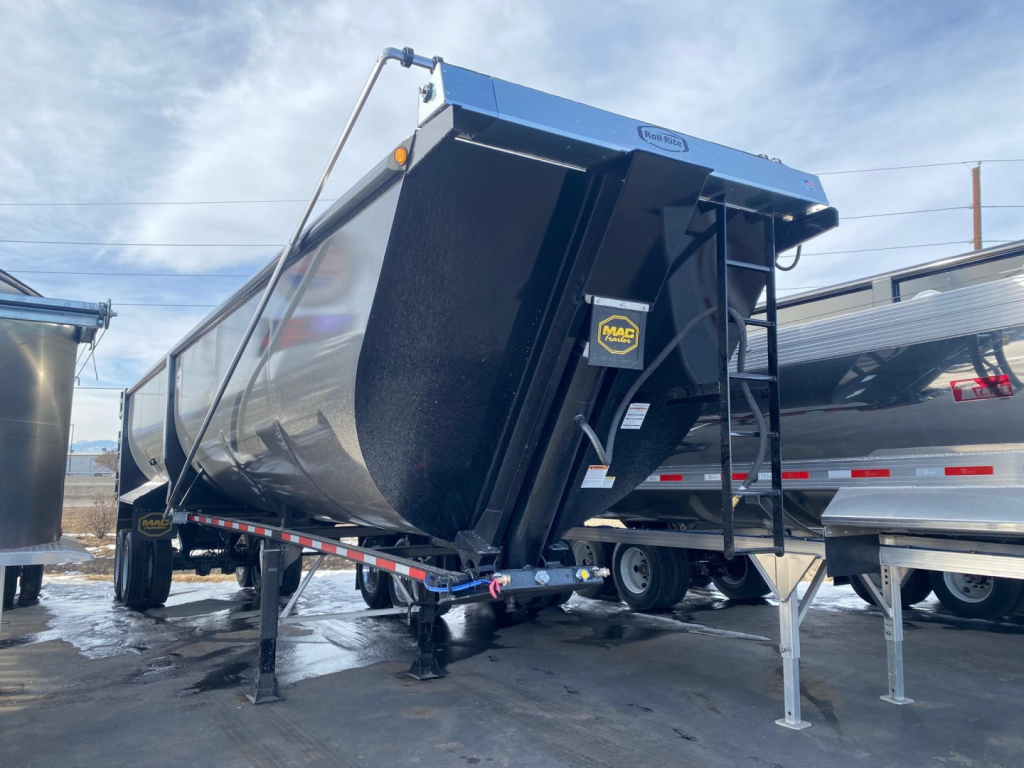
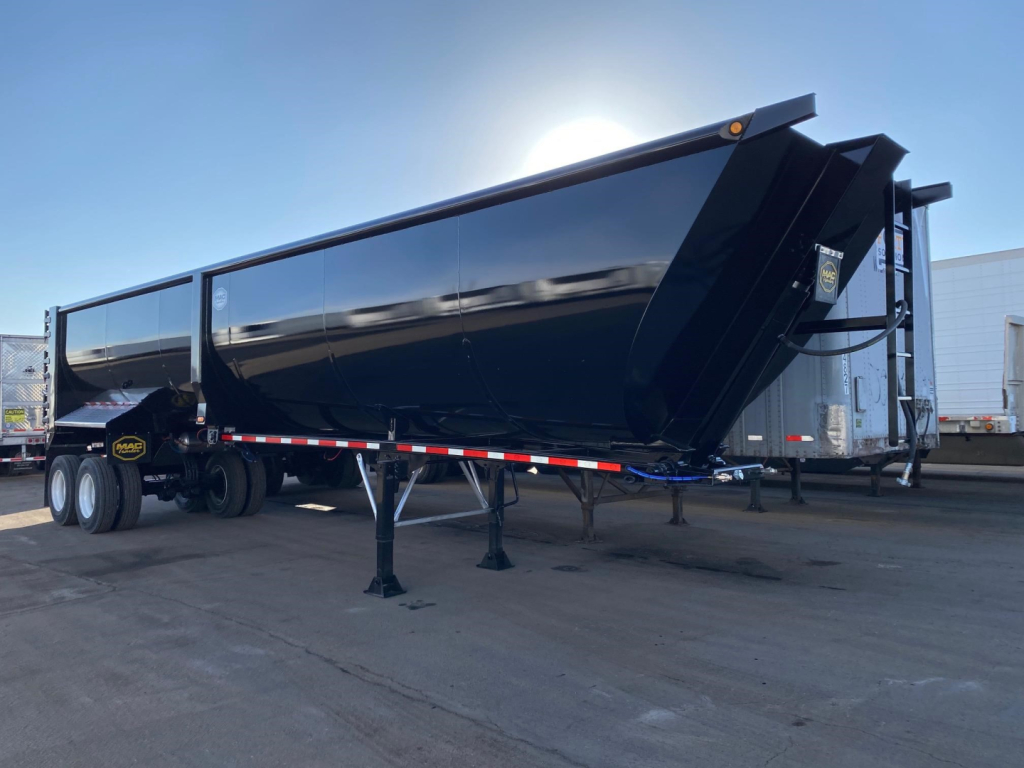
Shop new 2024 trailers for sale in Colorado, including dump, end dump, side dump, and bottom dump trailers for aggregate, scrap, and demolition work.
Selling a new 2024 trailer? List your new 2024 trailer for sale and reach thousands of commercial buyers.
New 2024 Trailers in Colorado
Length, side height, and cubic capacity have a direct effect on payload strategy and job suitability. A 34-foot to 40-foot end dump is a common range for rock and asphalt, while high-cube scrap trailers often stretch to 38 feet with 76-inch to 80-inch sides and 60 cubic yard class capacity. Bottom dumps are favored for controlled spreading on road base, shoulder work, and other applications where gate metering matters. Side dumps appeal to fleets running uneven ground or tighter unloading areas because they offer a lower center of gravity during discharge than a traditional end dump. In Colorado, that distinction can matter on rural road projects, quarry routes, and jobs with soft shoulders or uneven site conditions.
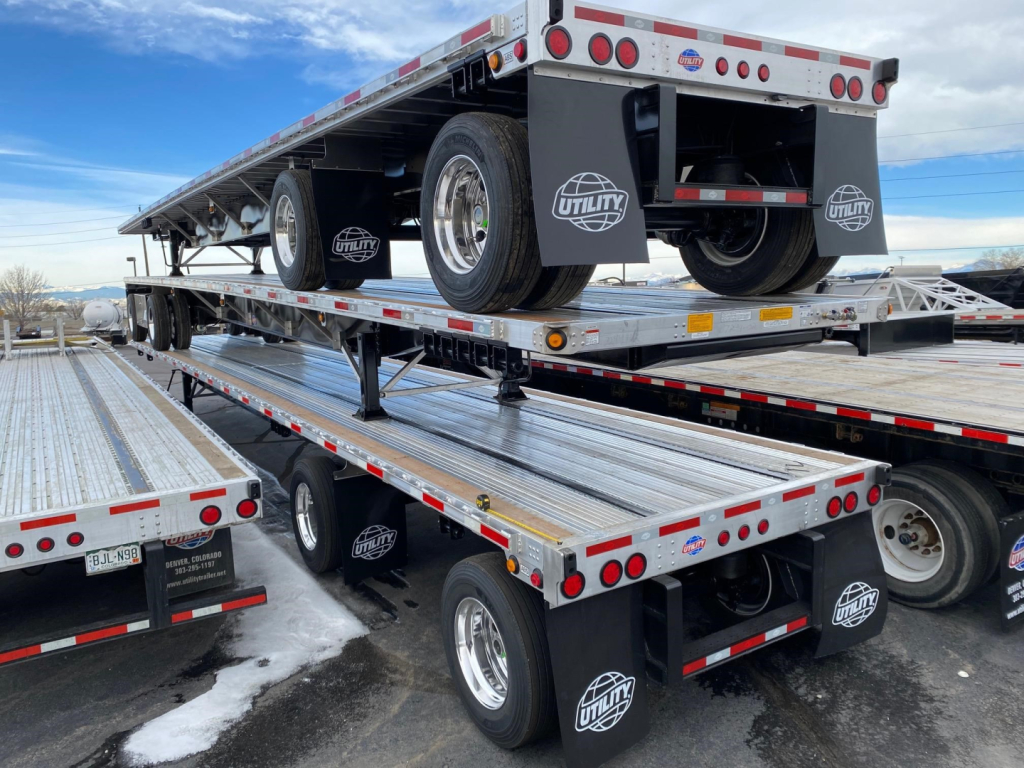
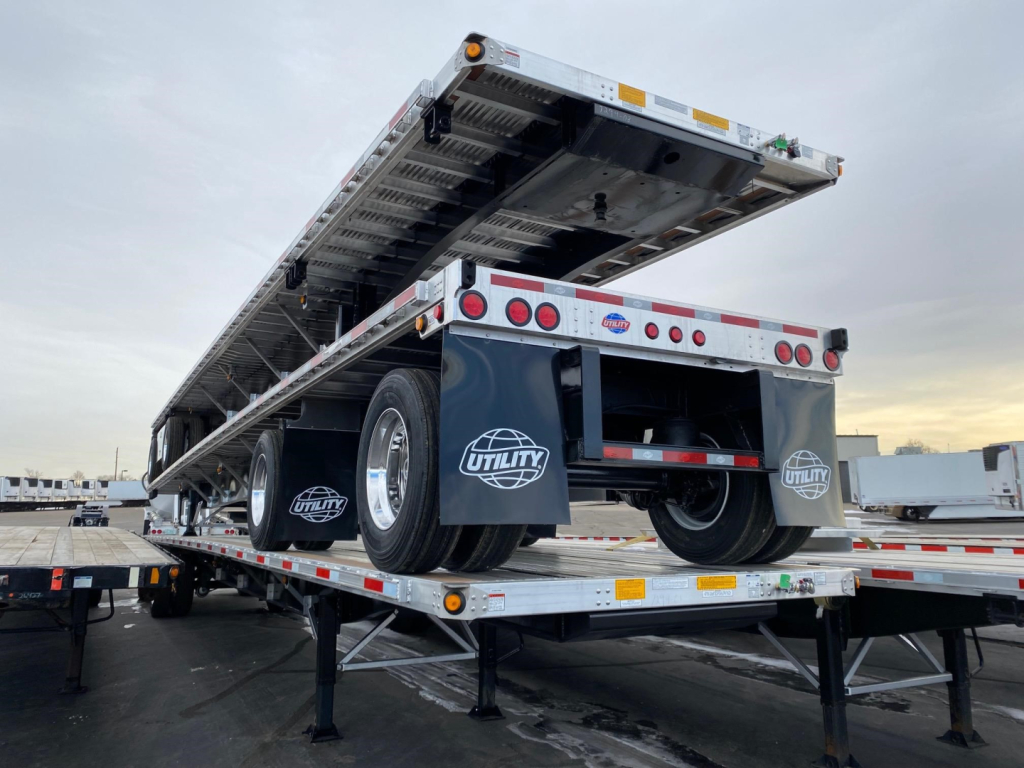
Suspension, axle layout, and tire package should be matched to the terrain and legal payload targets. Tandem and tri-axle setups are both common, with air ride suspensions frequently specified for ride quality and load stability. Axle spacing, kingpin setting, and overall length all affect bridge compliance and maneuverability, so buyers should review local operating routes before settling on a configuration. On new trailers, it is also worth paying attention to electric flip tarps or roll tarps, landing gear spec, gate style, push blocks, fenders, LED lighting, and single-point air and electrical connections. These details have a real impact on uptime and day-to-day usability.
A new 2024 trailer also gives buyers the advantage of current safety and convenience features without inheriting prior wear in the tub, hoist system, gate hardware, or suspension. For severe-duty work, buyers usually focus on tub thickness, cylinder design, corner reinforcement, liner options, and gate controls. For lighter bulk hauling, tare weight becomes a bigger factor. The right choice comes down to what material is being hauled, how it must be unloaded, and how often the trailer will run loaded on rough roads versus paved highway. A buyer comparing trailers in this class should treat the body design, steel package, and axle configuration as the three biggest decisions.
Frequently Asked Questions about New 2024 Trailers in Colorado
What is the main difference between an end dump, side dump, and bottom dump trailer?
An end dump trailer raises the tub to unload out the rear and is commonly used for aggregate, demolition debris, and general construction material. A side dump trailer discharges to the side through a tub that tips laterally, which can improve stability on uneven ground and speed up unloading in certain jobsites. A bottom dump trailer releases material through hopper gates underneath the trailer, making it the preferred choice for controlled spreading of gravel, sand, and road base.
Why do so many new dump trailers use AR400 or AR450 steel?
AR400 and AR450 are abrasion-resistant steel grades that hold up better than standard steel when hauling rock, scrap, concrete, and other aggressive materials. They help reduce wear in the tub floor and sidewalls, which can extend service life and maintain structural integrity under repeated impact and abrasion. Buyers hauling severe-duty material usually pay close attention to steel grade, body thickness, and reinforcement details because these directly affect long-term durability.
How do I choose the right trailer capacity and side height?
Capacity should be matched to the material being hauled, legal axle weights, and the route profile. Higher sides and larger cubic yard ratings are useful for lighter bulk material such as scrap or demolition cleanup, while denser commodities like rock can reach gross weight limits before the trailer is full. The best approach is to balance cubic capacity against tare weight, axle configuration, and the type of load so the trailer works efficiently without sacrificing payload compliance.
Is a tri-axle trailer better than a tandem axle trailer?
A tri-axle trailer can improve weight distribution and may offer advantages for specific payload targets, bridge laws, or operating environments, but it is not automatically the better choice for every fleet. Tandem axle trailers are often lighter, simpler, and easier to maintain. The right decision depends on state regulations, haul distance, ground conditions, expected payload, and how much maneuverability is needed on the jobsite.
What features on a new trailer matter most for daily operation?
Tarp systems, gate style, suspension type, axle spacing, lighting, landing gear, and single-point connections all affect how the trailer performs in everyday service. Electric tarps save time and improve load security, while the right gate setup can make unloading faster and safer. Buyers should also pay attention to practical items such as fenders, push blocks, tire size, and service access because these details influence uptime, driver satisfaction, and maintenance cost over the life of the trailer.