
Talbert Lowboy Trailers For Sale in Texas
Browse Talbert lowboy trailers for sale in Texas. Compare capacities, deck lengths, axle setups, and detach options for heavy haul work.
No exact matches found for your search
Showing Lowboy Trailers in Texas instead.
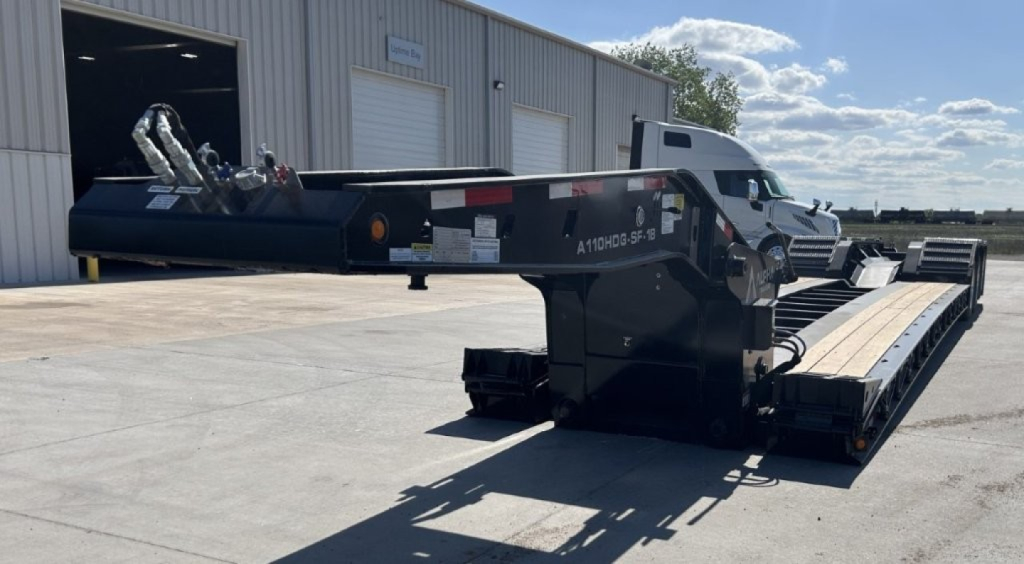
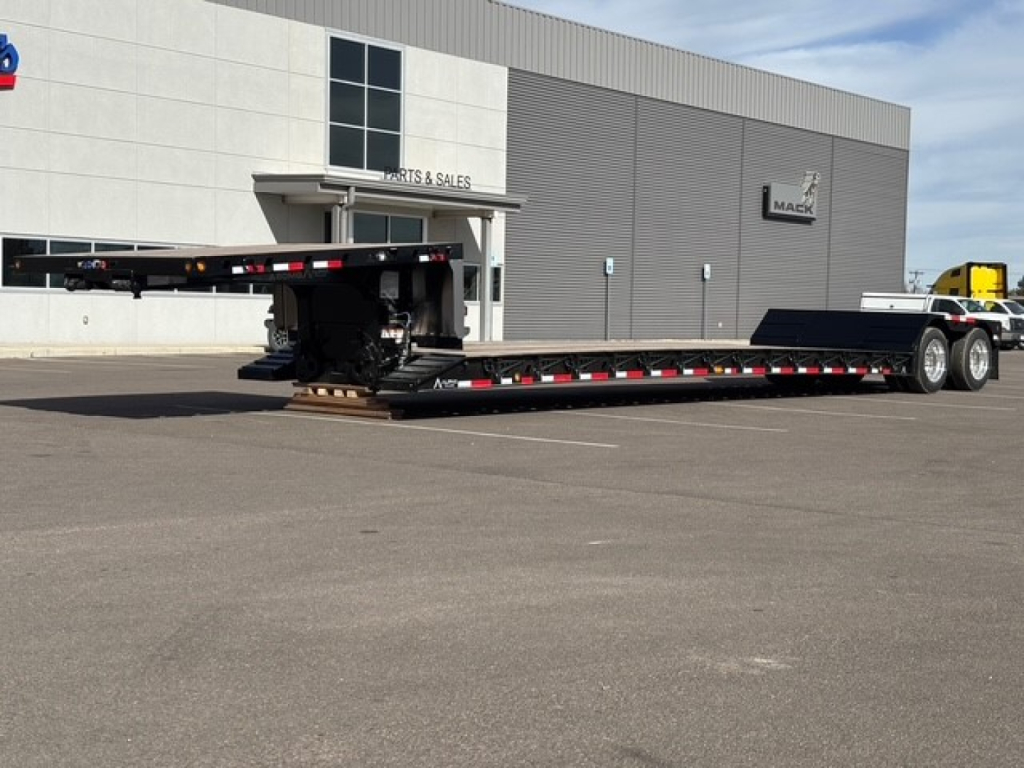
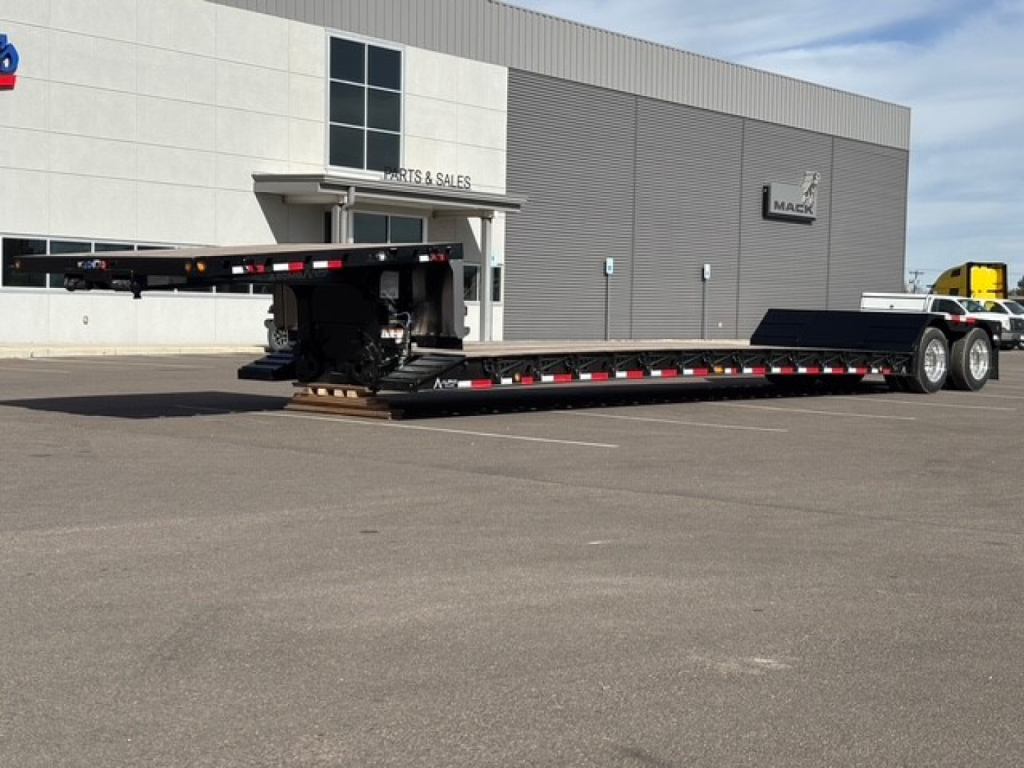
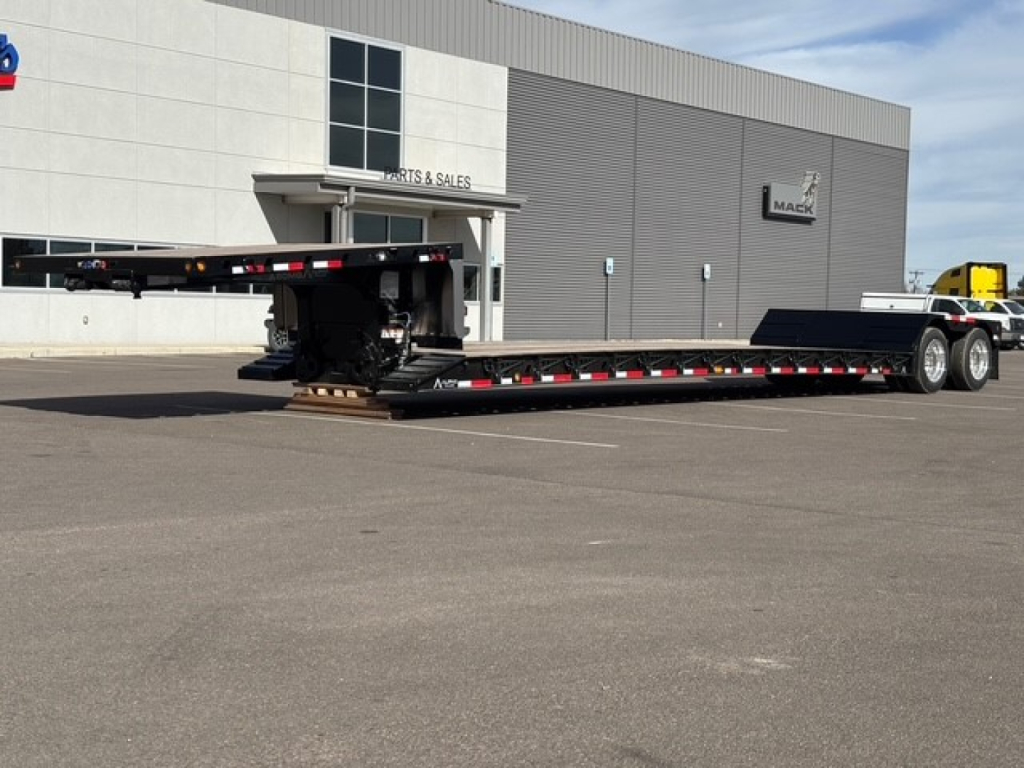
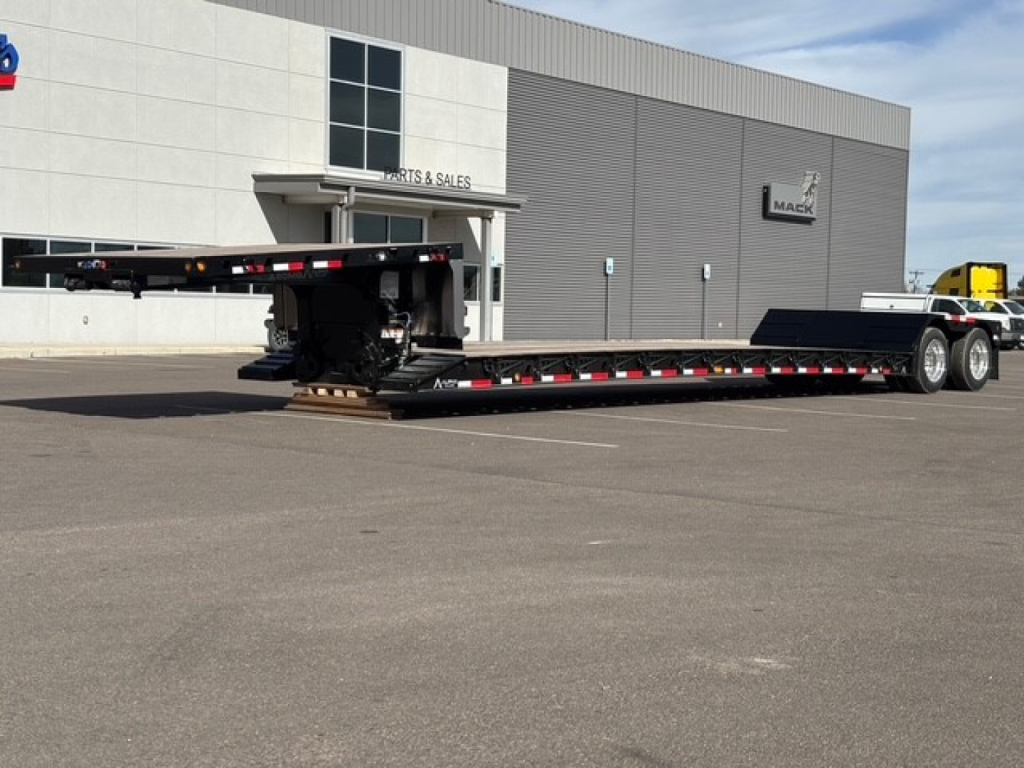
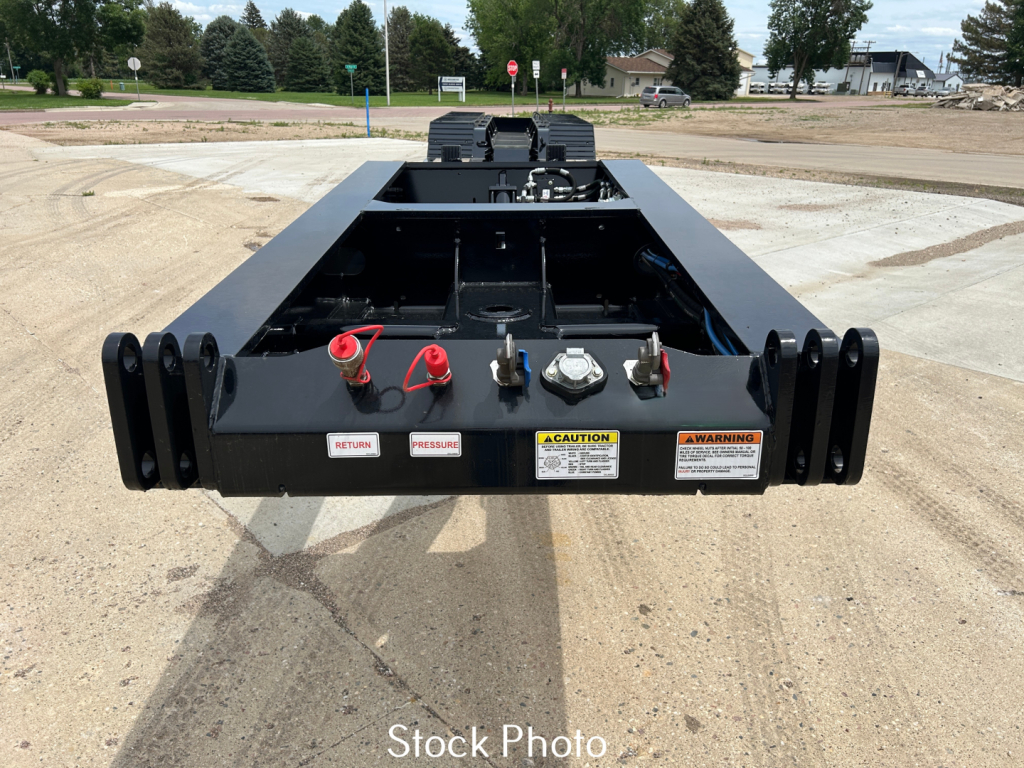
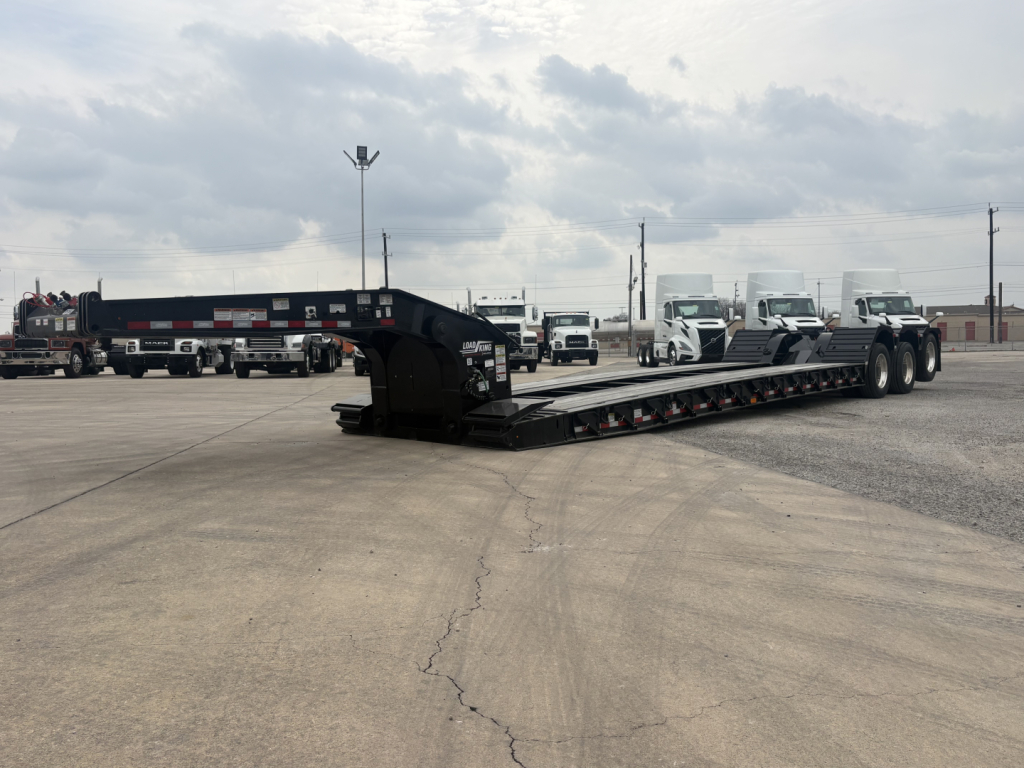

2027 Load King 604/5 SS SF-20" - 8'6" Wide
2027 Load King 604/5 SS SF-20" - 8'6" Wide
Showing 29 to 52 of 52 results
Selling a talbert lowboy trailer? List your talbert lowboy trailer for sale and reach thousands of commercial buyers.
Talbert Lowboy Trailers in Texas
The spec decisions that usually separate one Talbert lowboy from another are capacity, deck length, neck style, axle count, axle spacing, and whether a flip axle is part of the package. A 50 to 55 ton class trailer is common for mixed fleet use, but the right rating depends on both the machine weight and how that weight is distributed across the deck. Buyers in Texas should also pay attention to axle groupings and lift axle configurations because bridge law compliance and permitting can change by route and load. Loaded deck height is a major advantage on a lowboy, especially when moving taller machines that would be difficult to haul legally on a standard flatbed or step deck. Detachable gooseneck models remain popular because they allow straightforward drive-on loading for tracked and wheeled equipment.
Talbert trailers are often spec'd with heavy duty front ramps, recessed boom or bucket wells, multiple tie-down points, air ride or mechanical suspension choices, and aluminum or steel wheel packages depending on duty cycle and maintenance preference. On hydraulic detach models, buyers should review pony motor setup, hydraulic controls, battery backup systems, and raise-lower functions, since those affect daily usability in the field. Axle ratings, tire size, and suspension design should match the type of jobsite access and road miles expected. For fleets hauling excavators, dozers, pavers, or crushers, details like concentrated load rating, deck crossmember spacing, and the condition of the neck locking system are worth close inspection.
For Texas operations, the best Talbert lowboy is usually the one matched to permitting reality as much as payload needs. A trailer that looks similar on paper can perform very differently based on deck length, rear bridge, flip axle compatibility, and how easily it can be configured for legal transport. Buyers comparing listings should look closely at detachable neck condition, hydraulic system performance, frame integrity, tire wear, axle alignment, and the trailer's actual tare weight. A well-spec'd Talbert lowboy can serve oilfield support, roadbuilding, aggregate, utility, and general construction fleets for years, especially when the trailer's capacity and dimensions are selected around the heaviest machine in regular rotation rather than the occasional load.
Frequently Asked Questions about Talbert Lowboy Trailers in Texas
What is the main advantage of a Talbert lowboy trailer?
The main advantage is the combination of low deck height and heavy haul construction. A Talbert lowboy trailer is designed to move tall, heavy equipment while keeping overall loaded height lower than a flatbed or many step deck configurations. That matters for legal transport, route flexibility, and safer hauling of machines such as excavators, dozers, and other high center-of-gravity equipment.
What capacity Talbert lowboy trailer is common for general heavy equipment hauling?
A 50 to 55 ton class Talbert lowboy is a common range for general construction and equipment transport fleets, but the correct capacity depends on the actual machine weight, attachment weight, and axle distribution. Buyers should size the trailer for the heaviest routine load, not just occasional moves, and confirm that the deck and axle setup support the machine's footprint and concentrated load points.
Why does deck height matter on a lowboy trailer?
Deck height directly affects overall loaded height, which is one of the biggest constraints in heavy haul transport. A lower loaded deck height allows taller machines to travel with fewer clearance problems and can reduce permit complications on some routes. It also makes lowboys the preferred trailer style for many types of construction and earthmoving equipment that would sit too high on other trailer classes.
What should buyers inspect on a used Talbert detachable lowboy?
Key inspection points include the neck locking mechanism, hydraulic detach system, pony motor operation, frame condition, deck wear, crossmembers, axle alignment, suspension components, brake condition, tire wear, and all tie-down equipment. Buyers should also check for repairs around high-stress areas, confirm that lift axles and flip axle hardware function correctly, and verify that the trailer's data plate and capacity ratings match the intended use.
Are Talbert lowboy trailers a good fit for Texas heavy haul work?
Yes, Talbert lowboy trailers are a strong fit for Texas heavy haul applications because they are commonly spec'd for construction, energy, roadbuilding, and utility work. Texas buyers still need to match the trailer to state and route-specific permitting requirements, especially on axle spacing, overall length, and axle count. A trailer that is well matched to local hauling patterns can improve legal load flexibility and reduce operational headaches.