
New Talbert Lowboy Trailers For Sale in Indiana
New Talbert lowboy trailers for sale in Indiana. Compare hydraulic gooseneck, 55-ton class, deck height, axle setups, and heavy haul specs.
No exact matches found for your search
Showing New Talbert Lowboy Trailers instead.
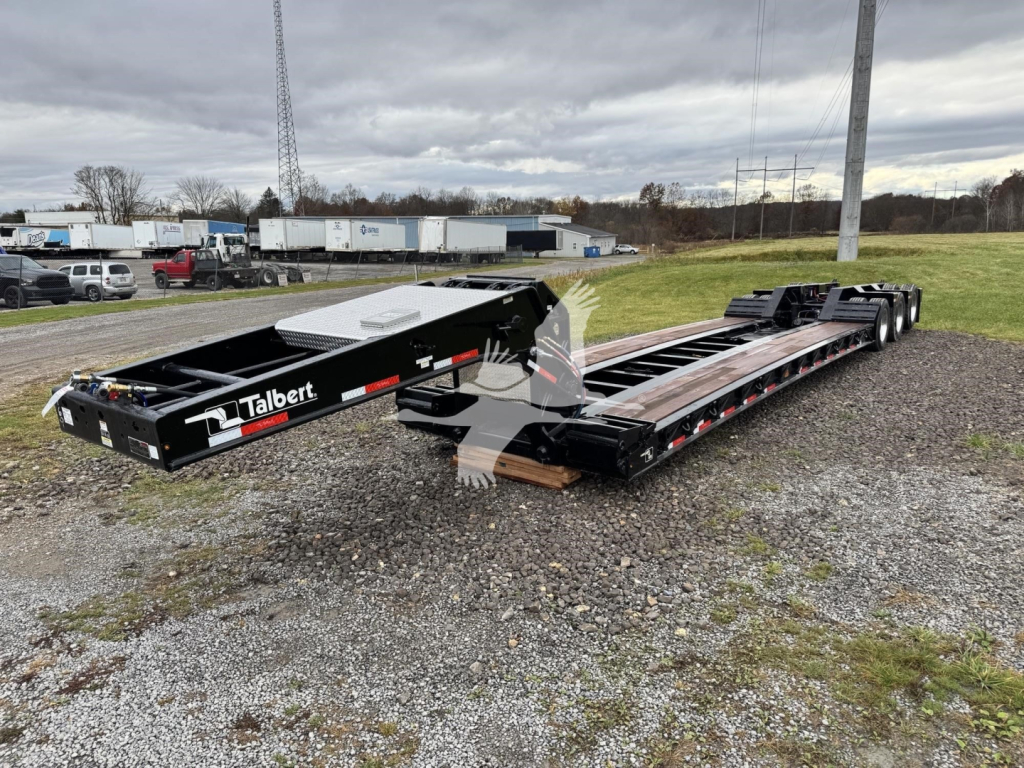
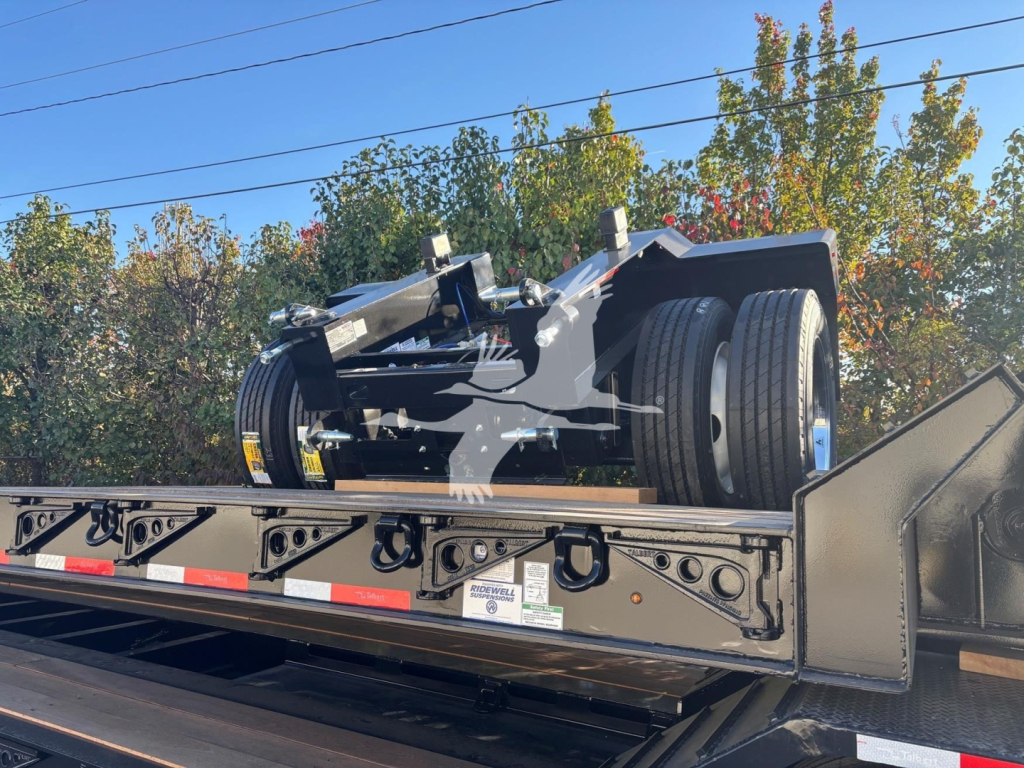
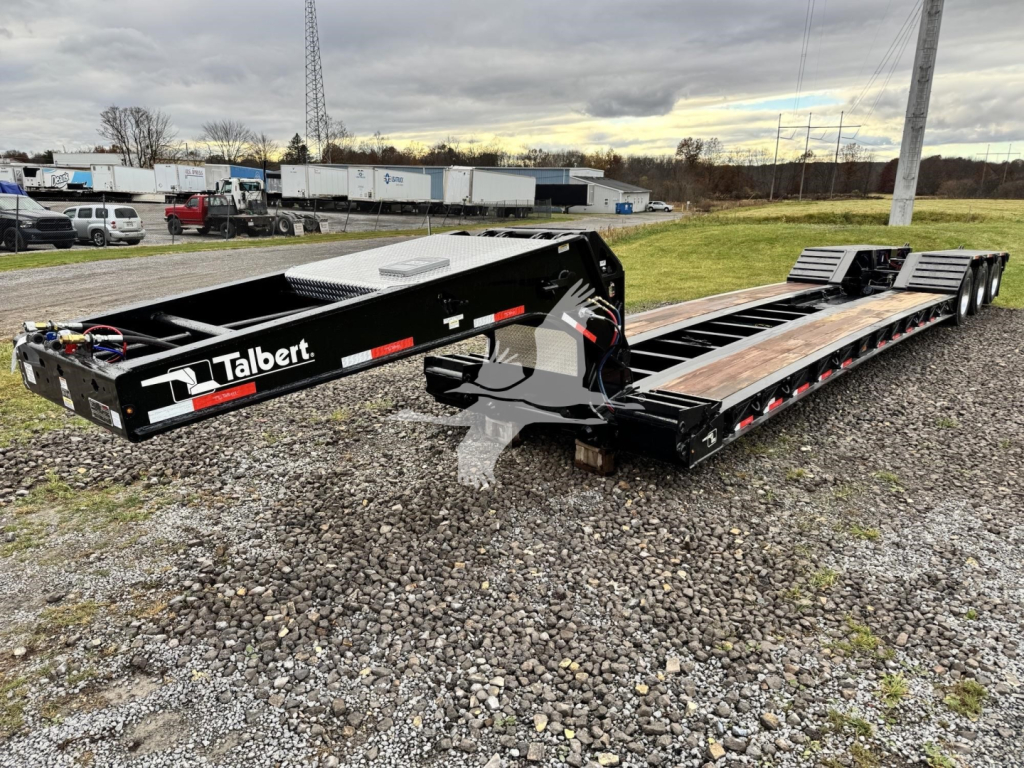
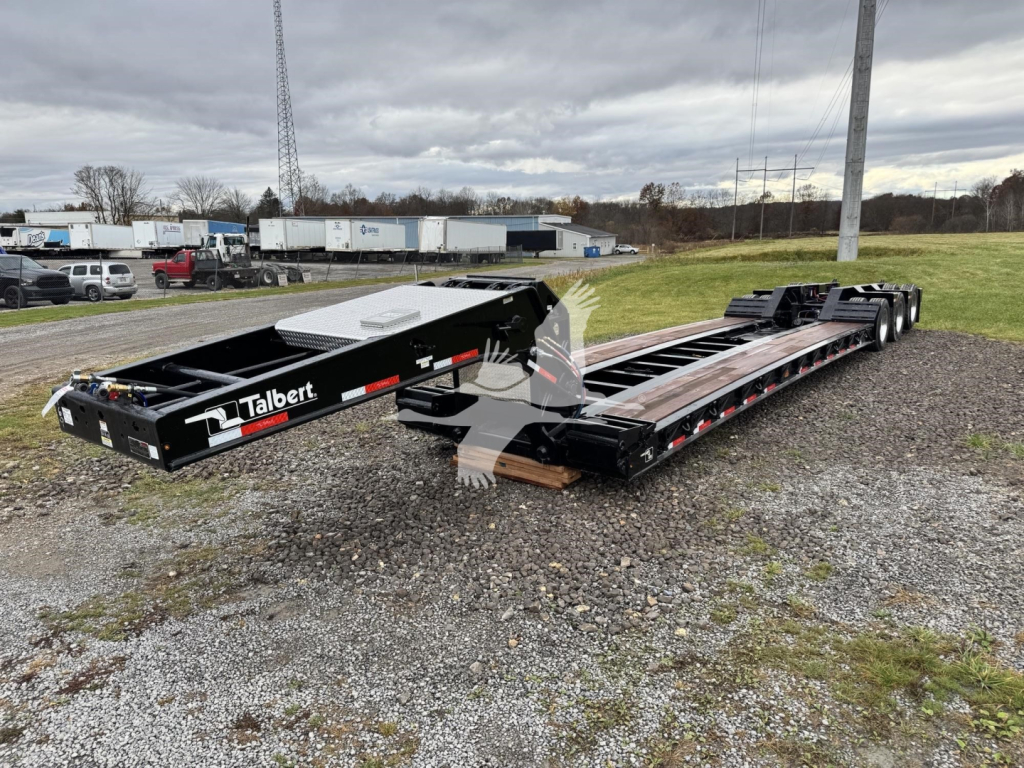
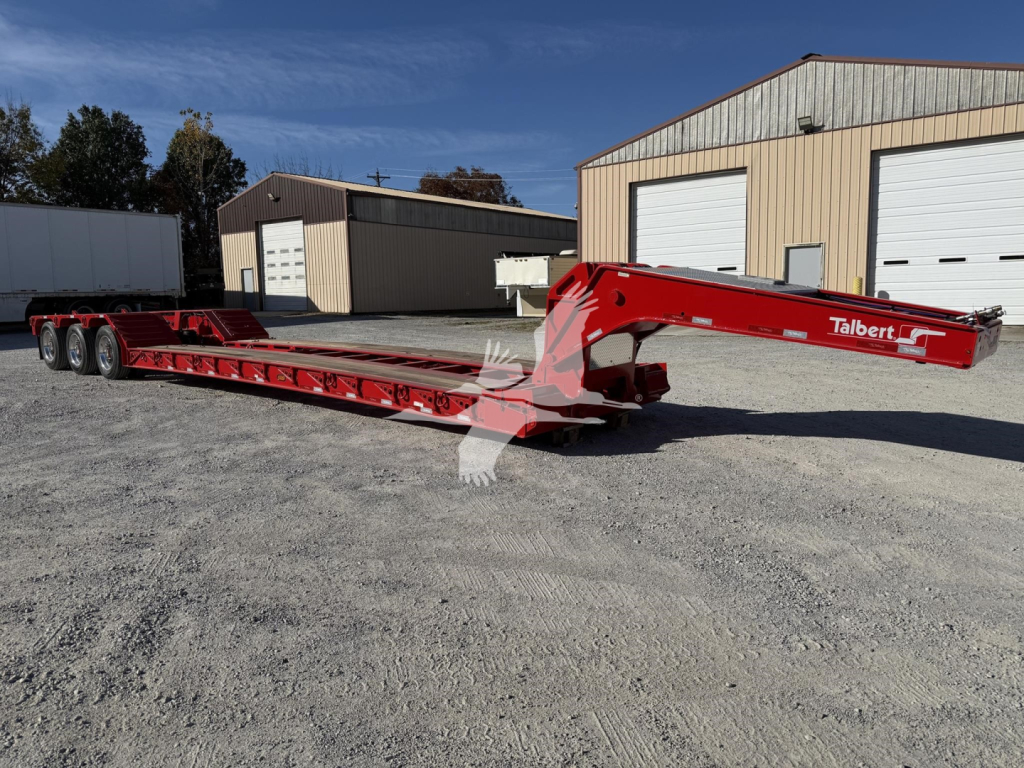
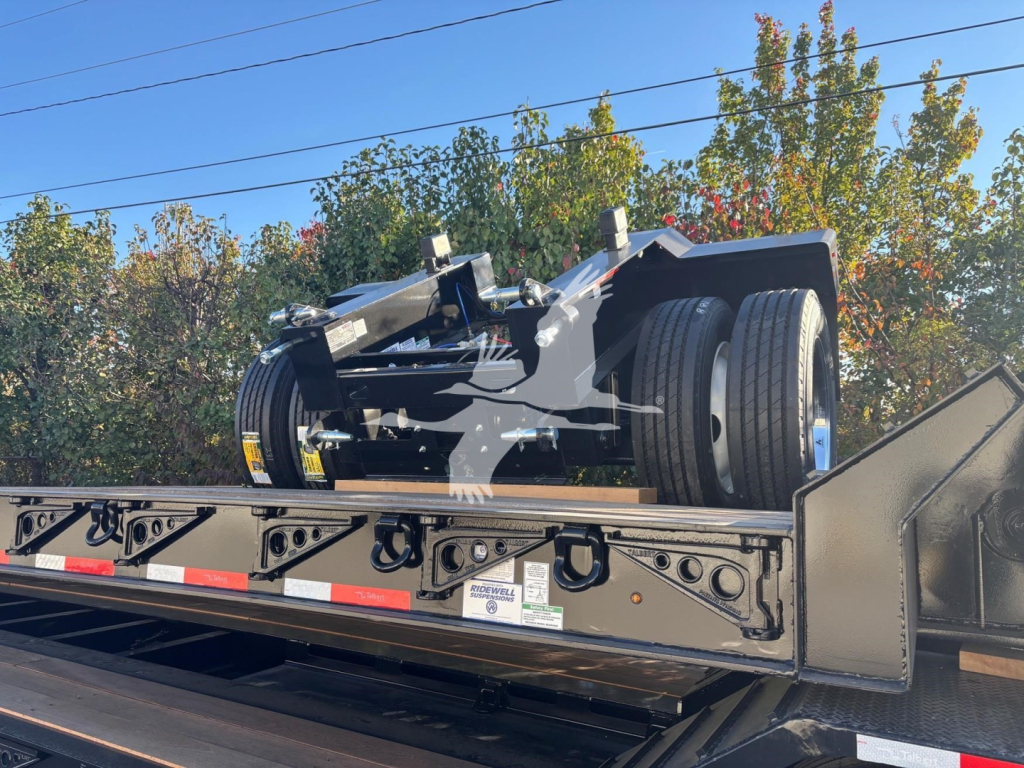
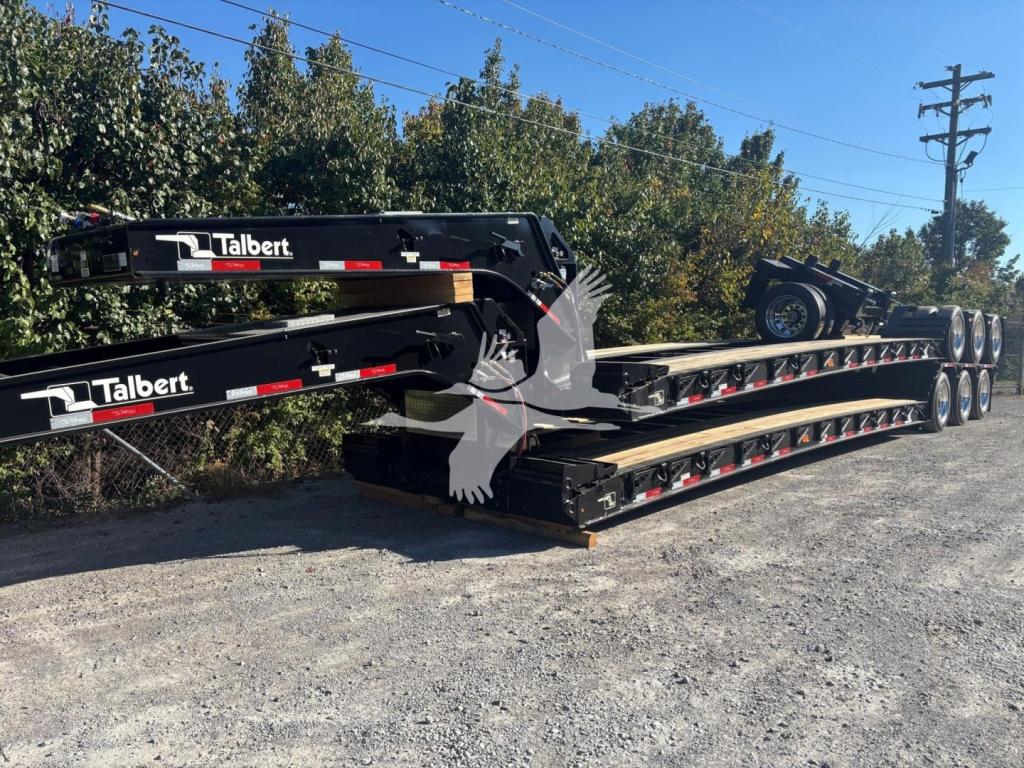
Selling a new talbert lowboy trailer? List your new talbert lowboy trailer for sale and reach thousands of commercial buyers.
New Talbert Lowboy Trailers in Indiana
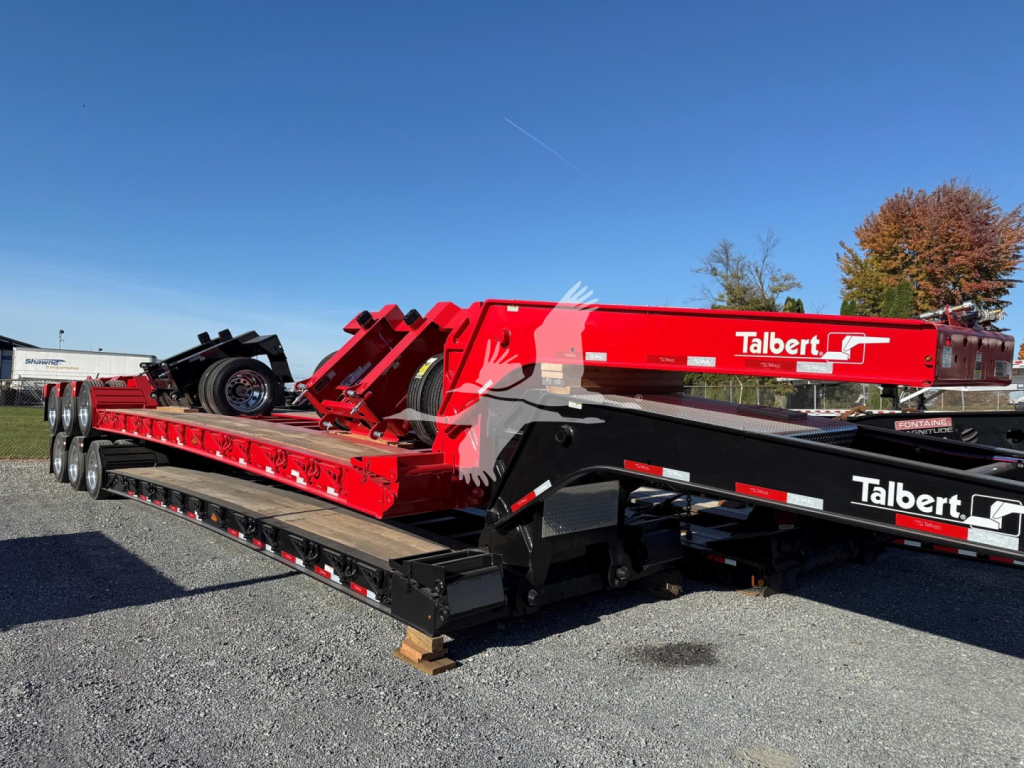
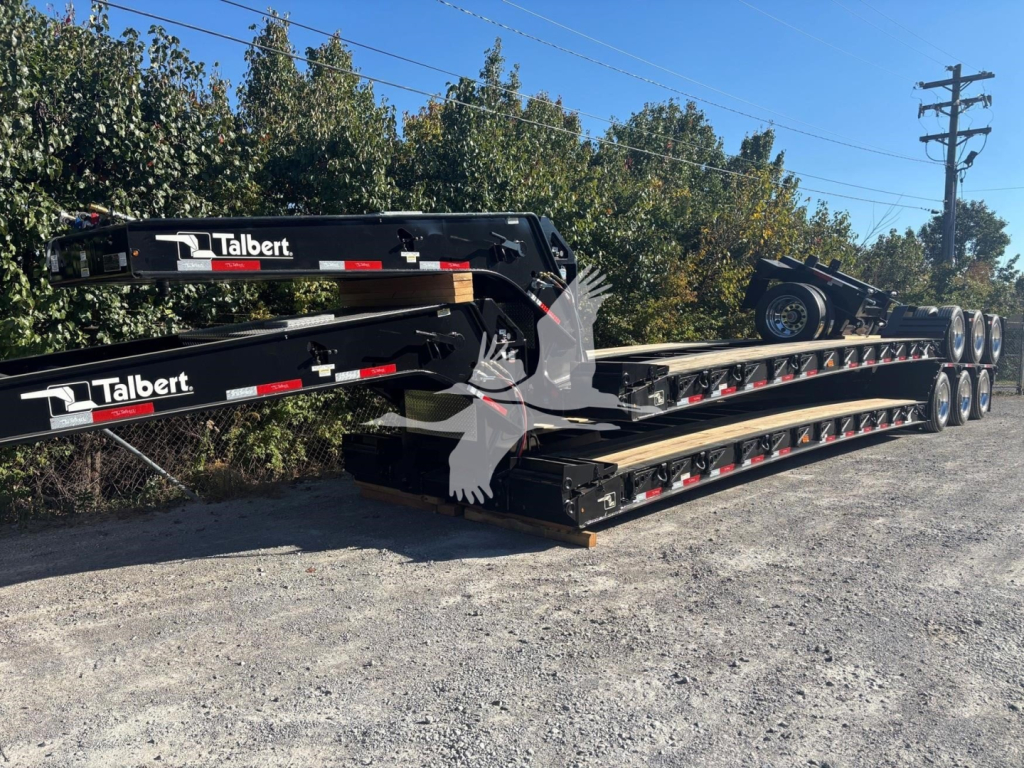
One of the first decisions buyers make is gooseneck style and capacity class. A hydraulic removable gooseneck is popular because it speeds loading and unloading of tracked equipment and reduces dependence on ramps. In the 50 to 55 ton range, a Talbert lowboy often hits the sweet spot for fleets that need serious capacity without stepping into a much more specialized multi-axle platform. Buyers should compare loaded deck height, overall well length, neck design, and whether an open boom well or close-coupled layout better suits the machines being hauled. Deck height around the high-teens is attractive when every inch counts for legal loaded height.
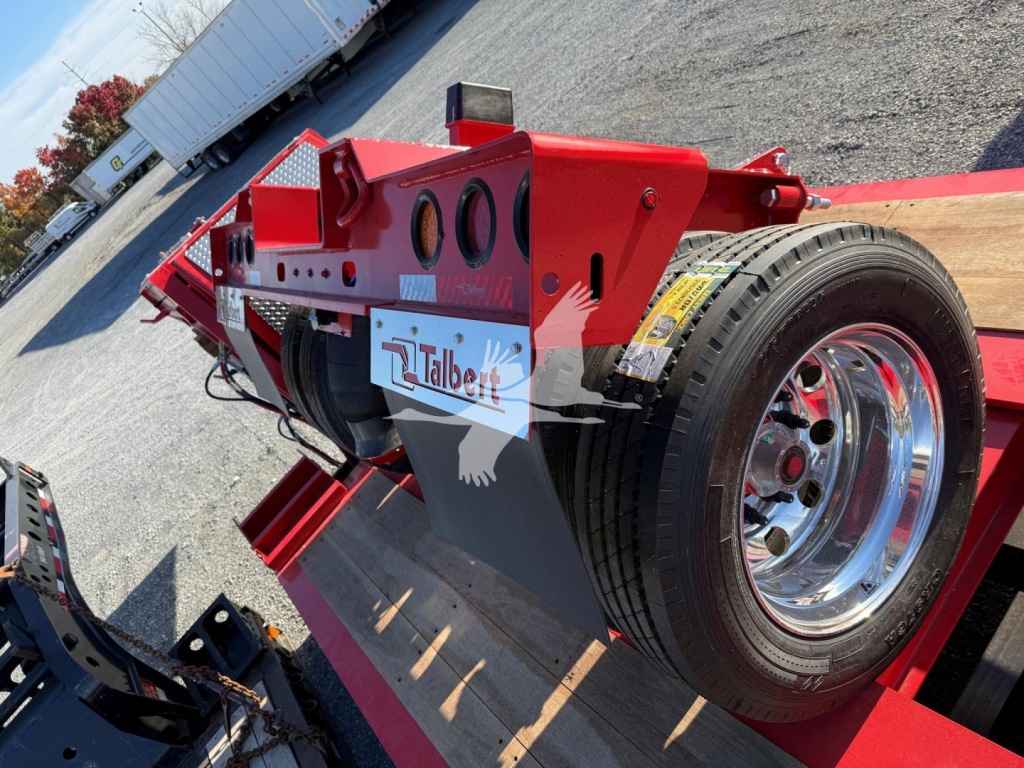
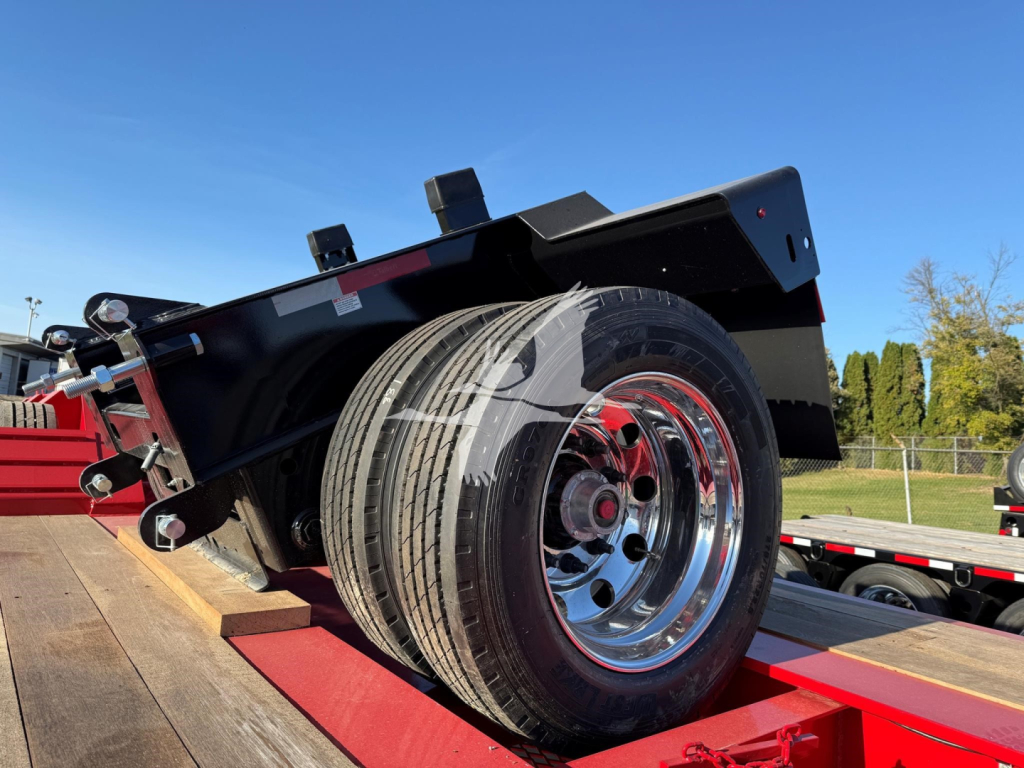
Axle configuration and suspension setup have a direct effect on tire life, maneuverability, and permit flexibility. Tridem arrangements are common on heavier lowboys because they help spread load while keeping the trailer workable in tighter jobsite conditions. It is worth checking axle spacing, tire size, brake package, apitong or other hardwood decking, and the availability of features like outriggers, D-rings, chain slots, winch tracks, or ride-height control. Buyers moving mixed fleets of iron should also pay attention to deck width, rear bridge measurement, ground clearance, and kingpin settings so the trailer matches the tractor wheelbase and the states where it will run.
Talbert trailers have long been associated with heavy-duty fabrication, and that matters on a lowboy that sees repeated loading cycles, uneven ground, and high point loads from tracked equipment. For Indiana buyers, local familiarity with Talbert can also be a practical advantage when it comes to spec support, parts access, and service knowledge. A well-spec'd new Talbert lowboy is less about brand alone and more about choosing the right neck, well, axle group, and capacity for the freight you actually move. The best match is the one that keeps machines low, balanced, legal, and efficient to load day after day.
Frequently Asked Questions about New Talbert Lowboy Trailers in Indiana
What is a Talbert lowboy trailer best used for?
A Talbert lowboy trailer is primarily used to haul heavy equipment and over-height machinery that needs a low deck position for legal transport. Common loads include excavators, bulldozers, wheel loaders, pavers, and some crane components. The low deck height helps reduce overall loaded height, and removable gooseneck designs make it easier to load tracked machines from the front.
What should I look at first when comparing new Talbert lowboy trailers?
Start with capacity, gooseneck type, loaded deck height, and axle configuration. Those four items determine what equipment the trailer can legally and practically handle. After that, compare well length, deck width, rear load angle, suspension type, and tie-down layout. Buyers should also make sure the kingpin setting and overall trailer dimensions are compatible with the tractor and the states where the trailer will operate.
Is a hydraulic removable gooseneck better than a fixed neck on a lowboy?
A hydraulic removable gooseneck is often the better choice for fleets loading tracked equipment frequently because it allows fast front loading and a smoother transition onto the deck. It can improve safety and loading efficiency on uneven jobsites. A fixed neck can be simpler and lighter in some applications, but many heavy equipment operations prefer hydraulic detachable necks because of their versatility and ease of use.
Why does deck height matter on a lowboy trailer?
Deck height directly affects legal loaded height and route flexibility. A lower deck allows taller equipment to move with fewer permit issues and fewer route restrictions. Even a small difference in loaded deck height can determine whether a machine moves as a routine permitted load or becomes more difficult and expensive to route. That is why lowboy buyers pay close attention to deck height, tire size, suspension, and frame design.
Are tridem axles common on Talbert lowboy trailers?
Yes. Tridem axle configurations are common on heavier Talbert lowboy trailers because they help distribute weight across more tires and can support higher gross load ratings. They are often used in applications where buyers need a strong combination of capacity, stability, and manageable maneuverability. The exact axle spacing and suspension setup should be reviewed carefully because those details affect bridge compliance, tire wear, and state-by-state permit planning.