
New Talbert Lowboy Trailers For Sale
Shop new Talbert lowboy trailers built for heavy equipment hauling, with hydraulic goosenecks, low deck heights, and 55-ton class options.
No exact matches found for your search
Showing New Lowboy Trailers instead.
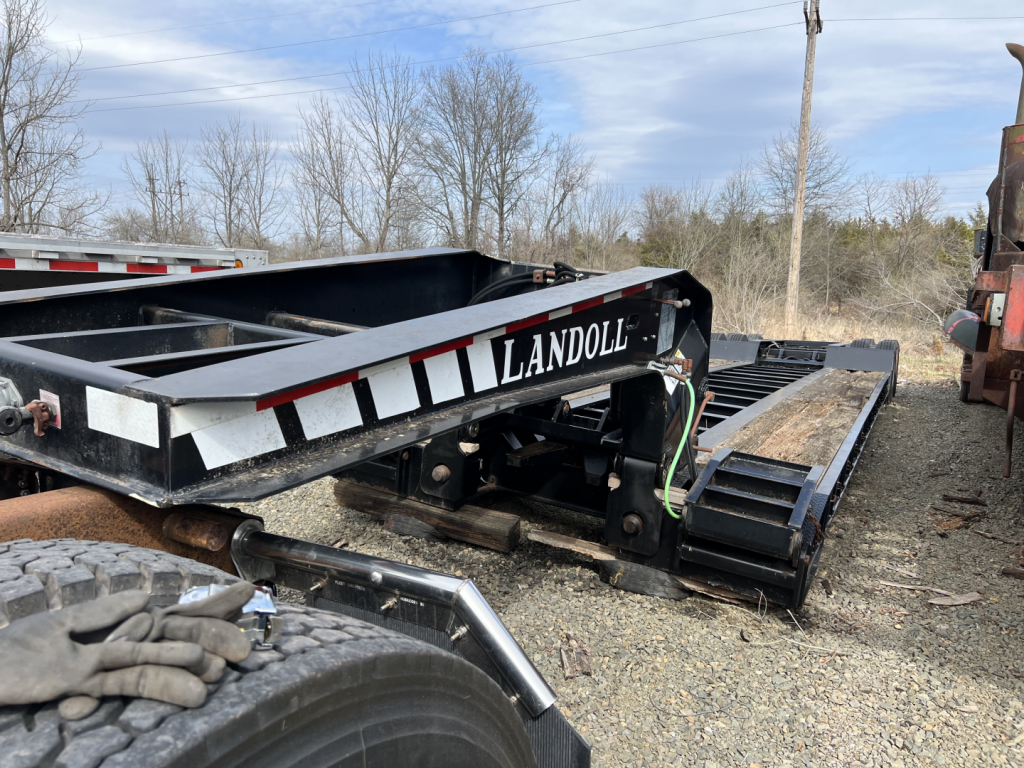
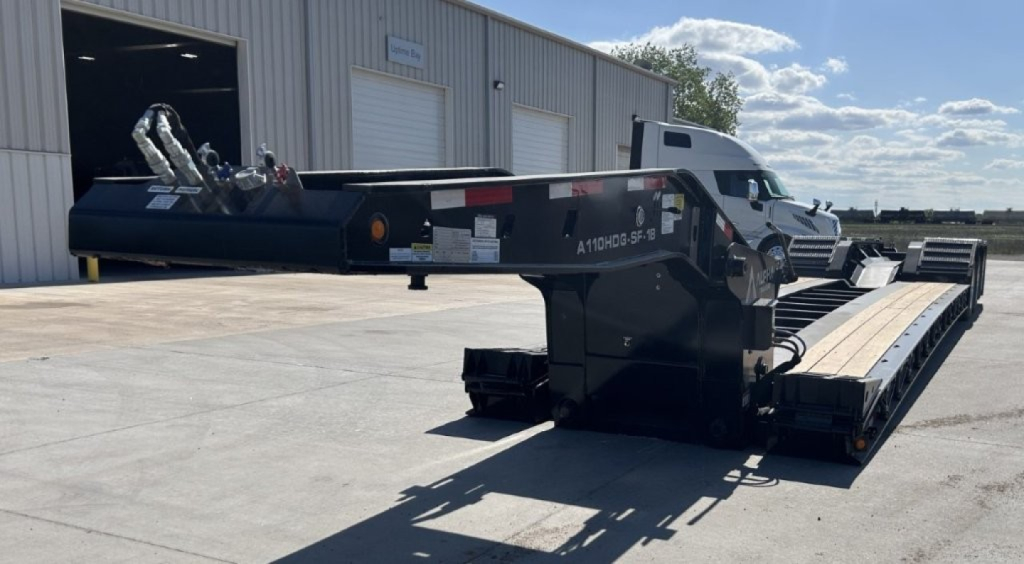
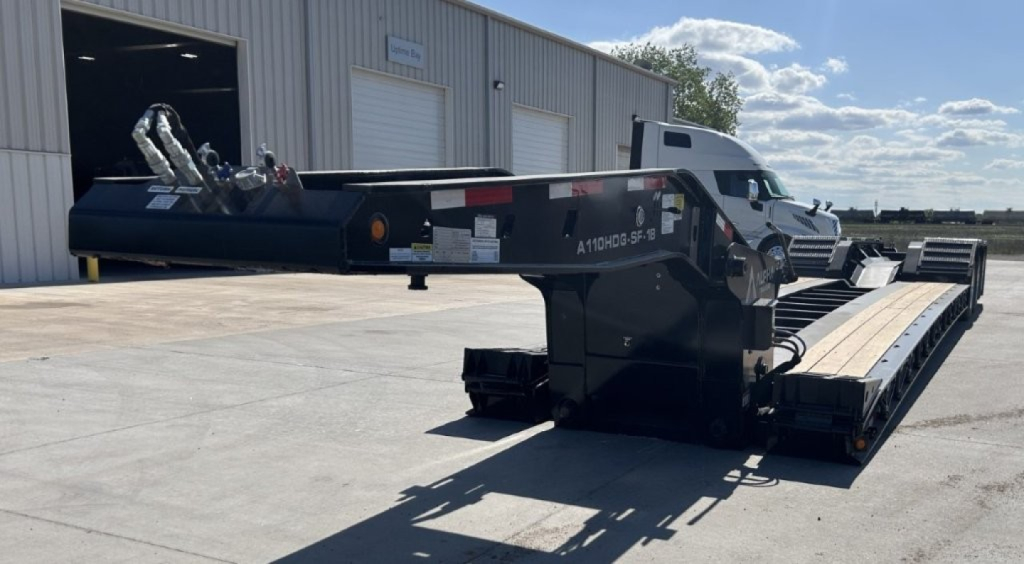
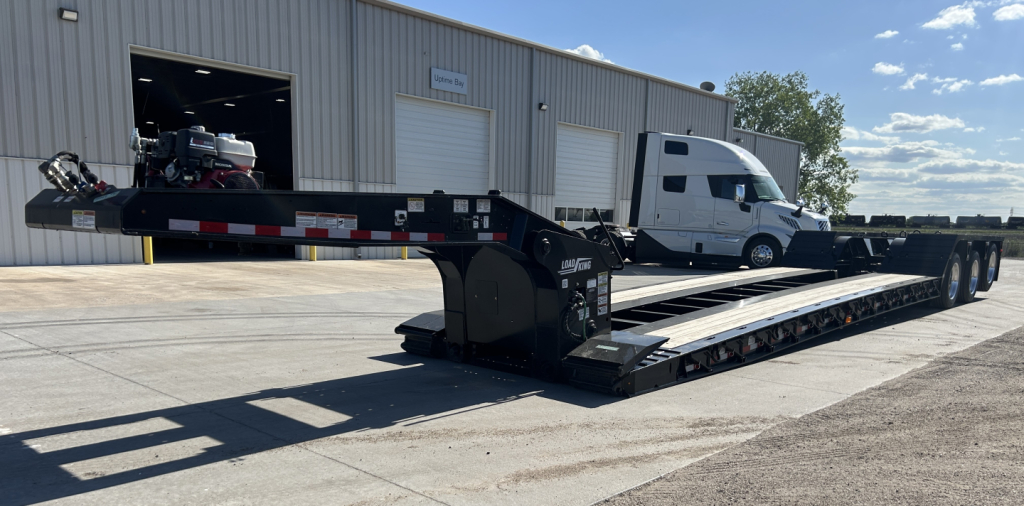
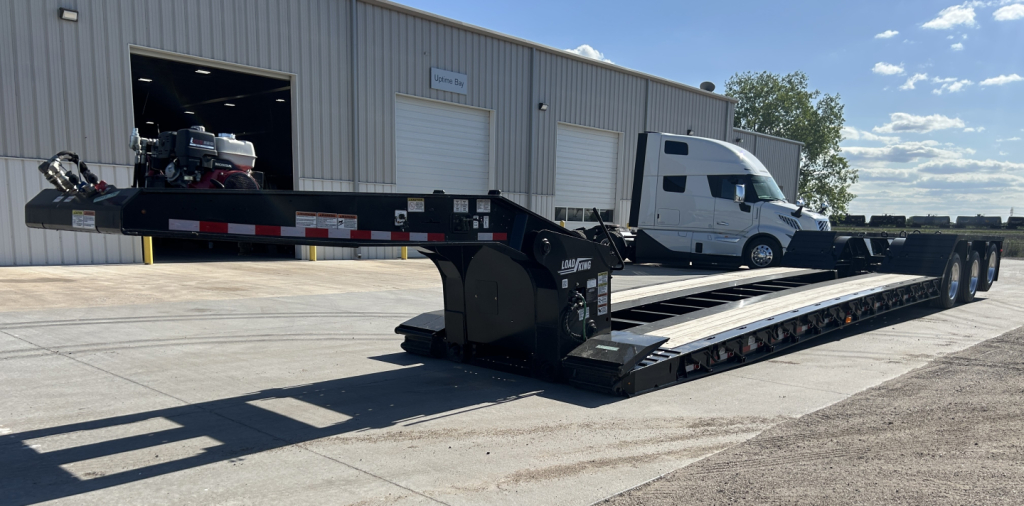
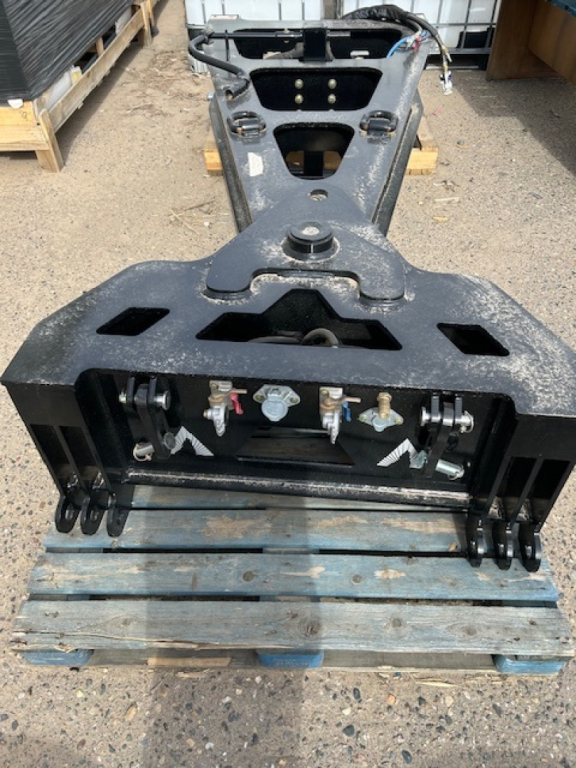
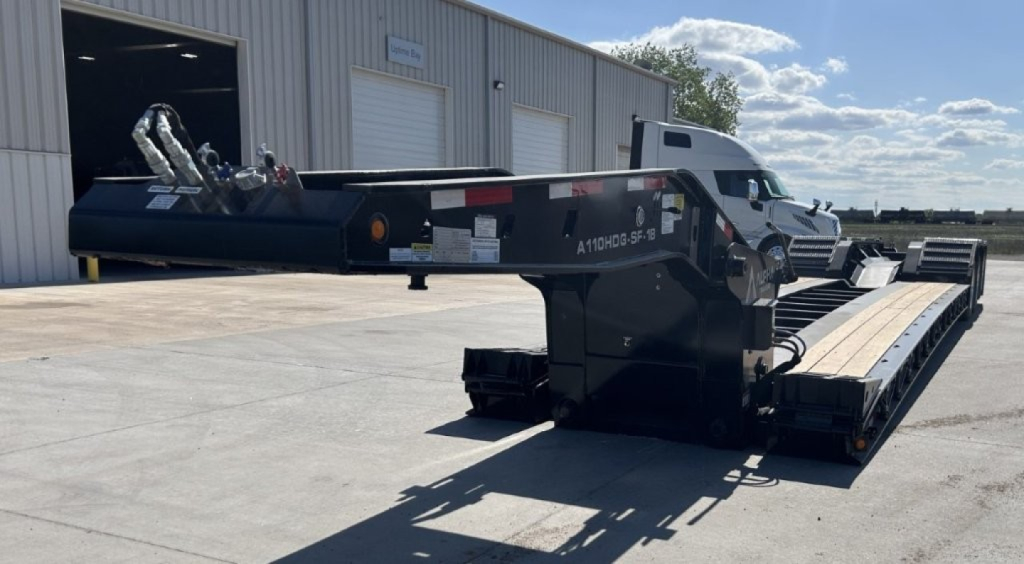
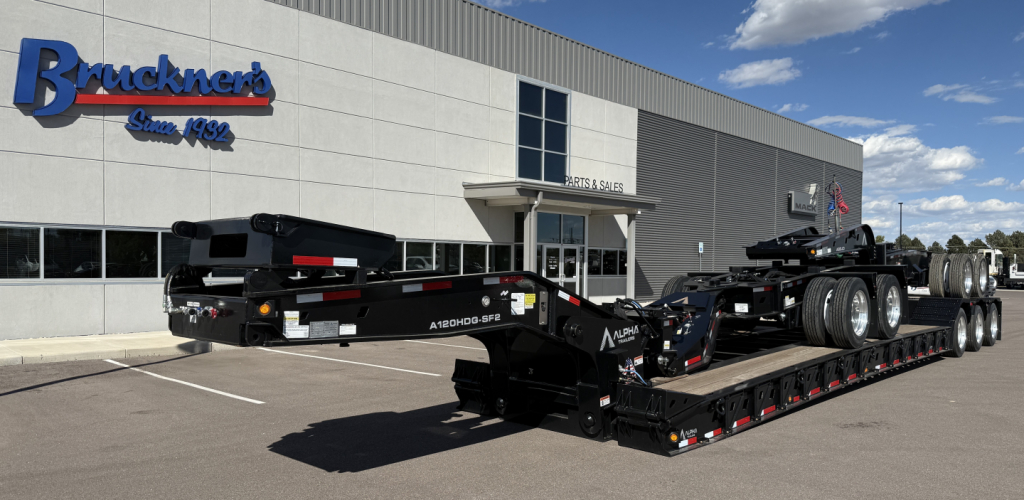
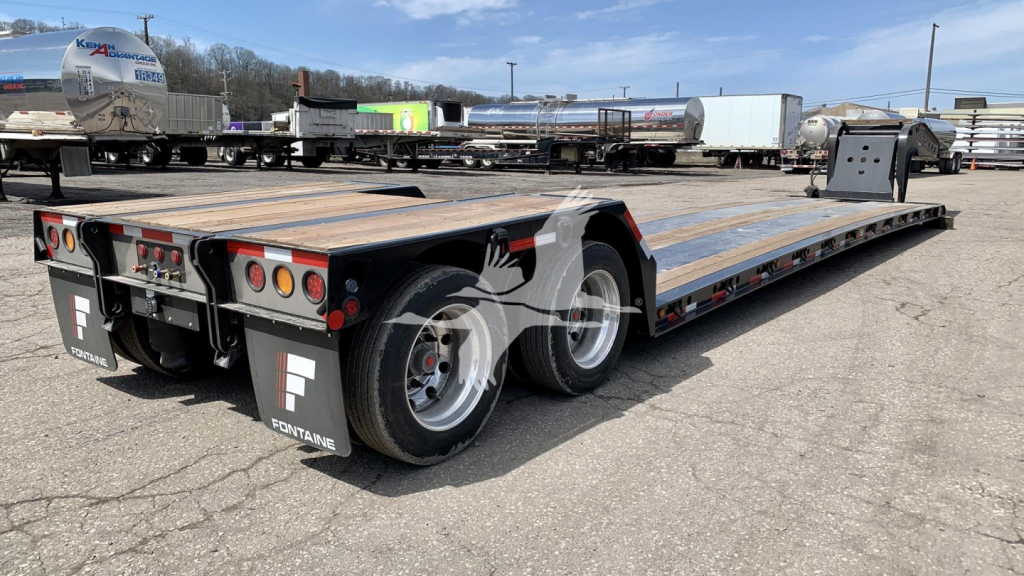
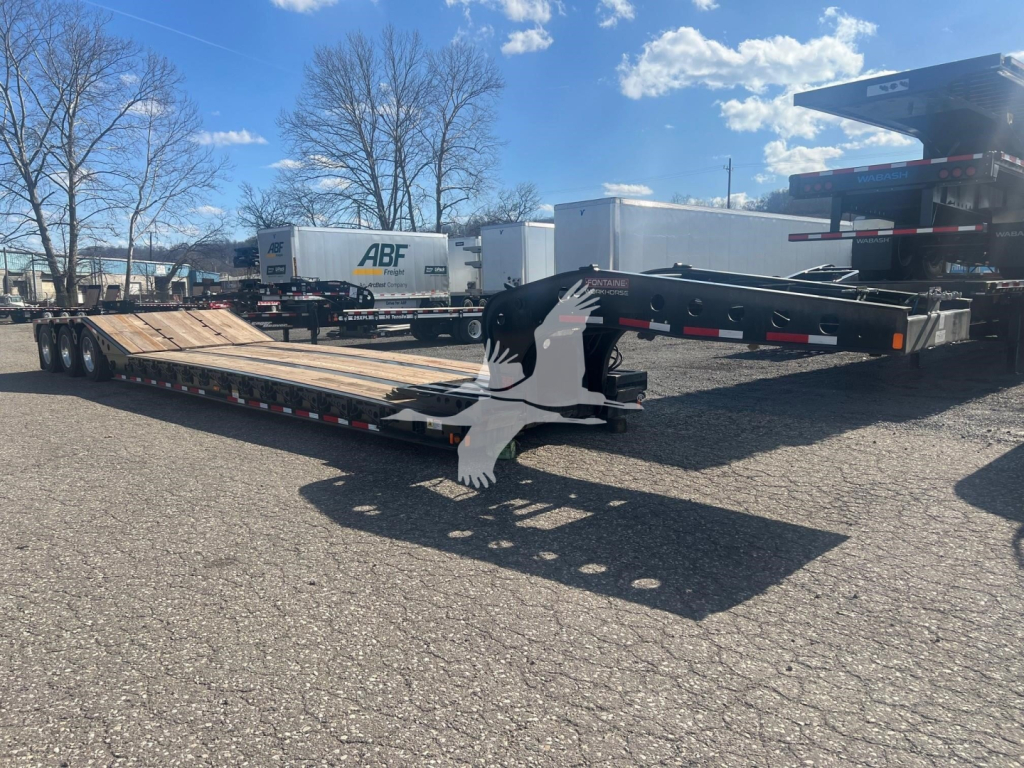
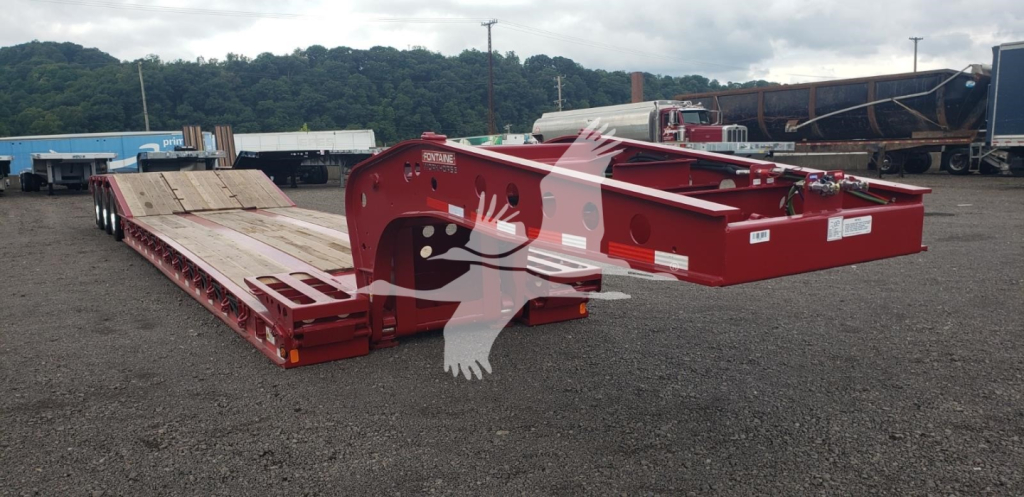
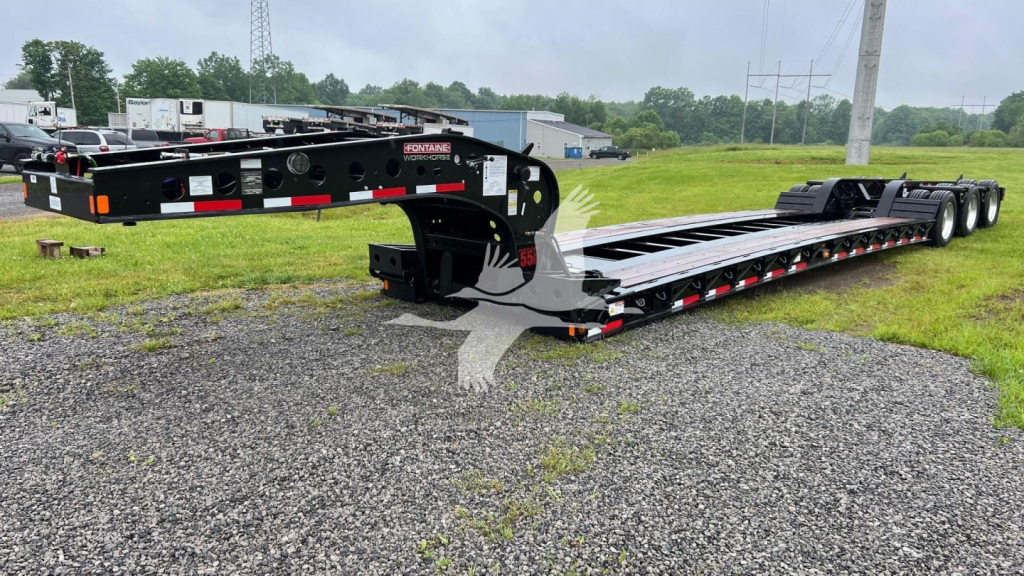
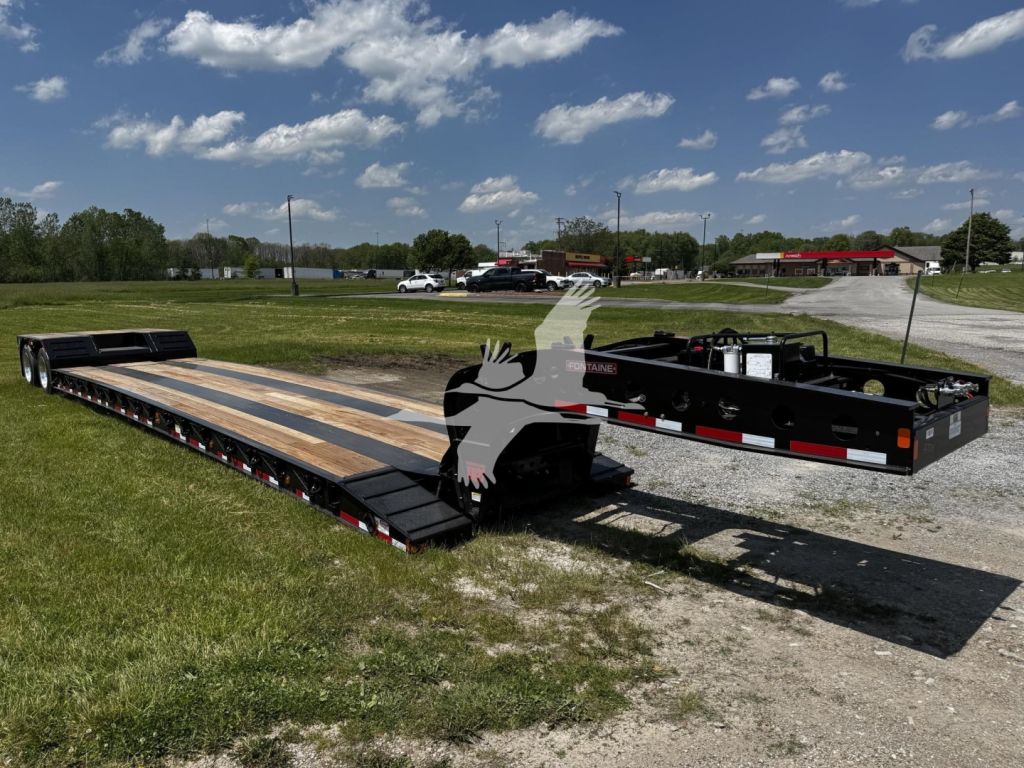
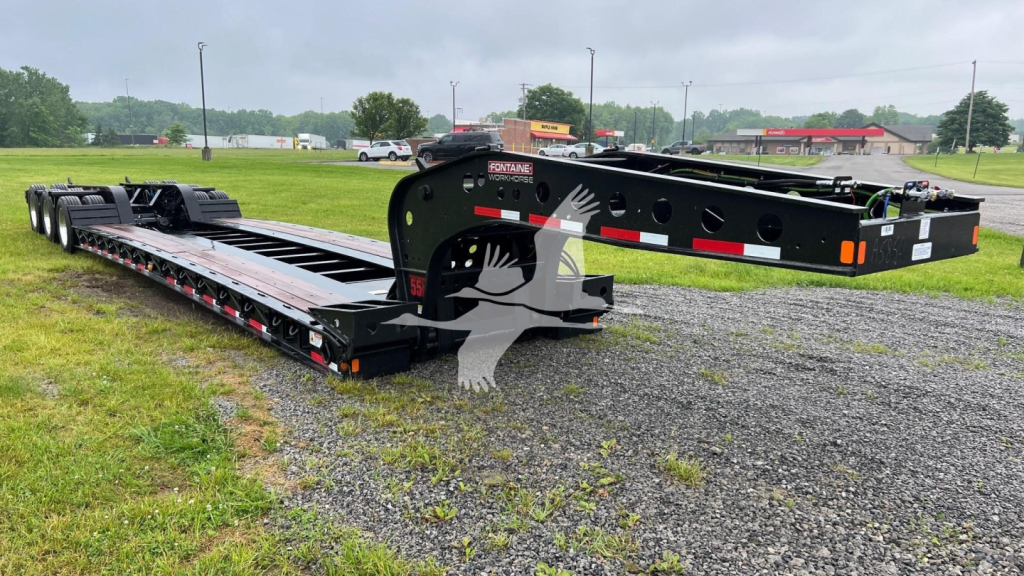
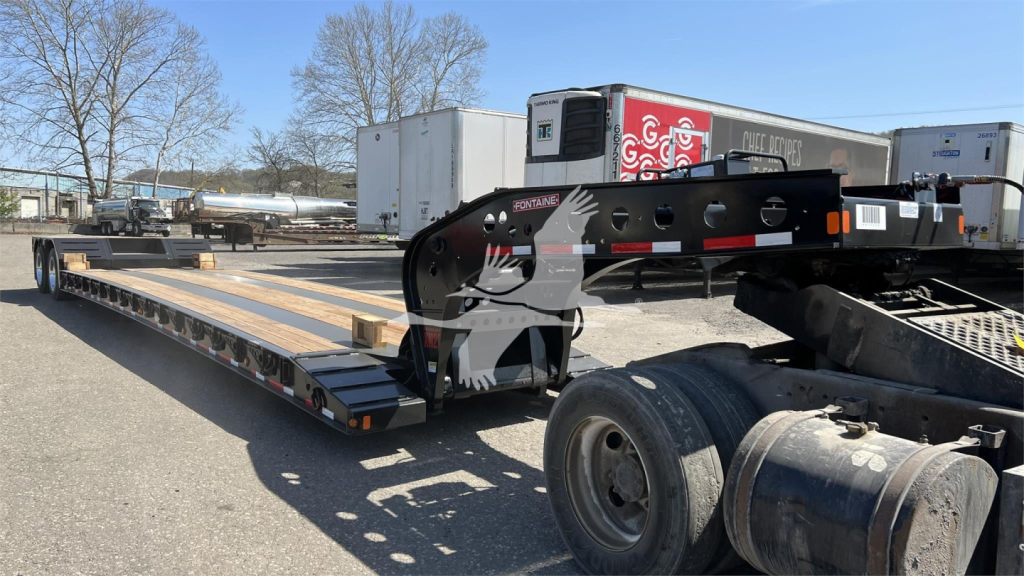
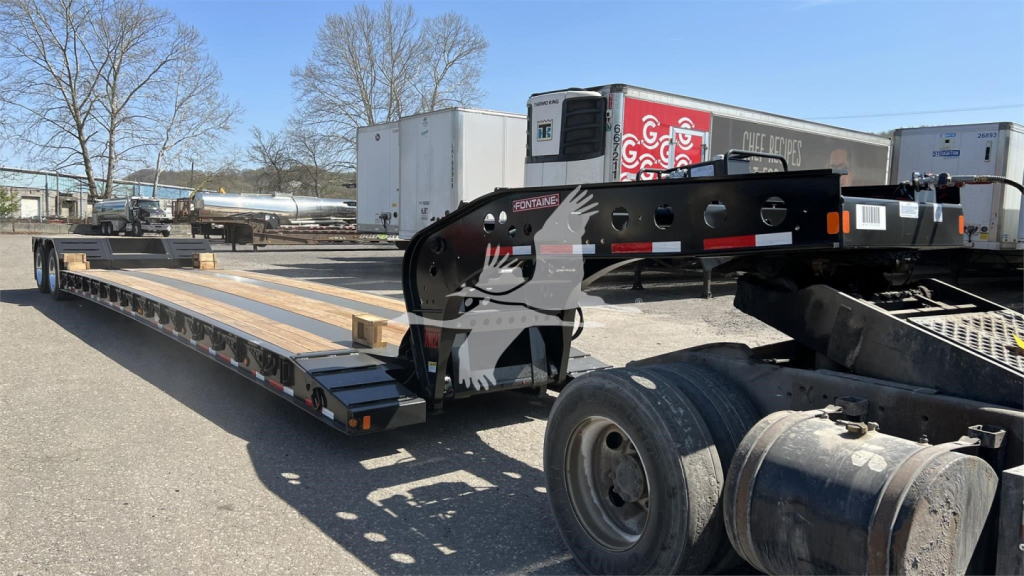
Showing 1 to 28 of 125 results
Have new talbert lowboy trailer to sell? List it here to reach thousands of buyers.
New Talbert Lowboy Trailers
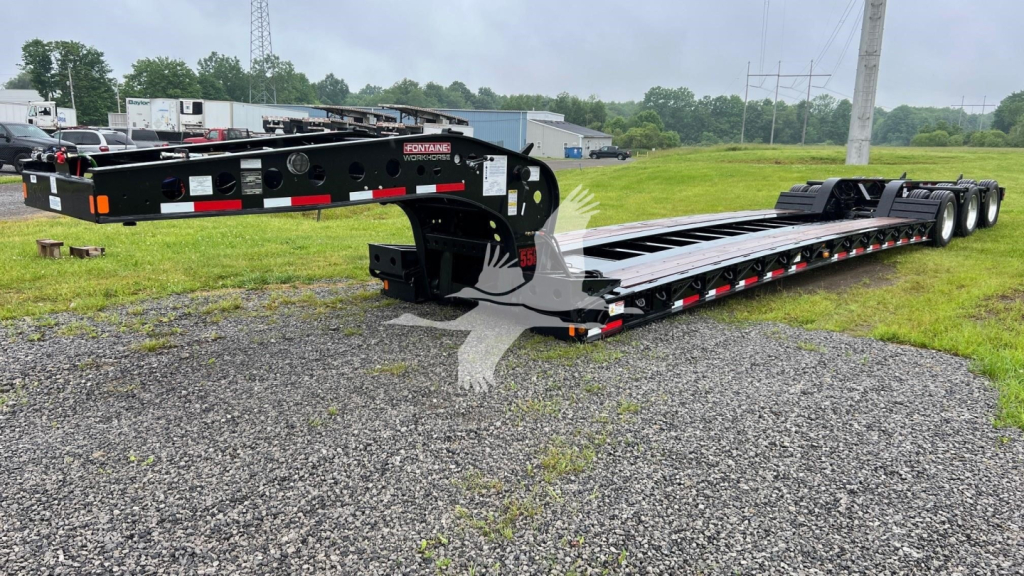
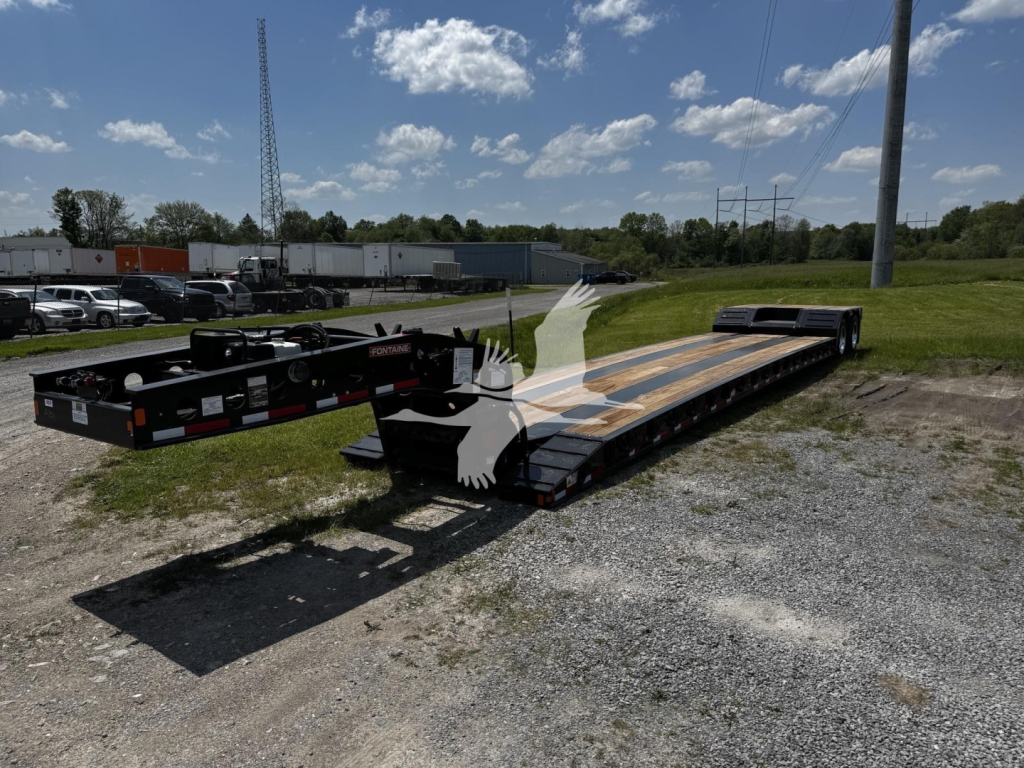
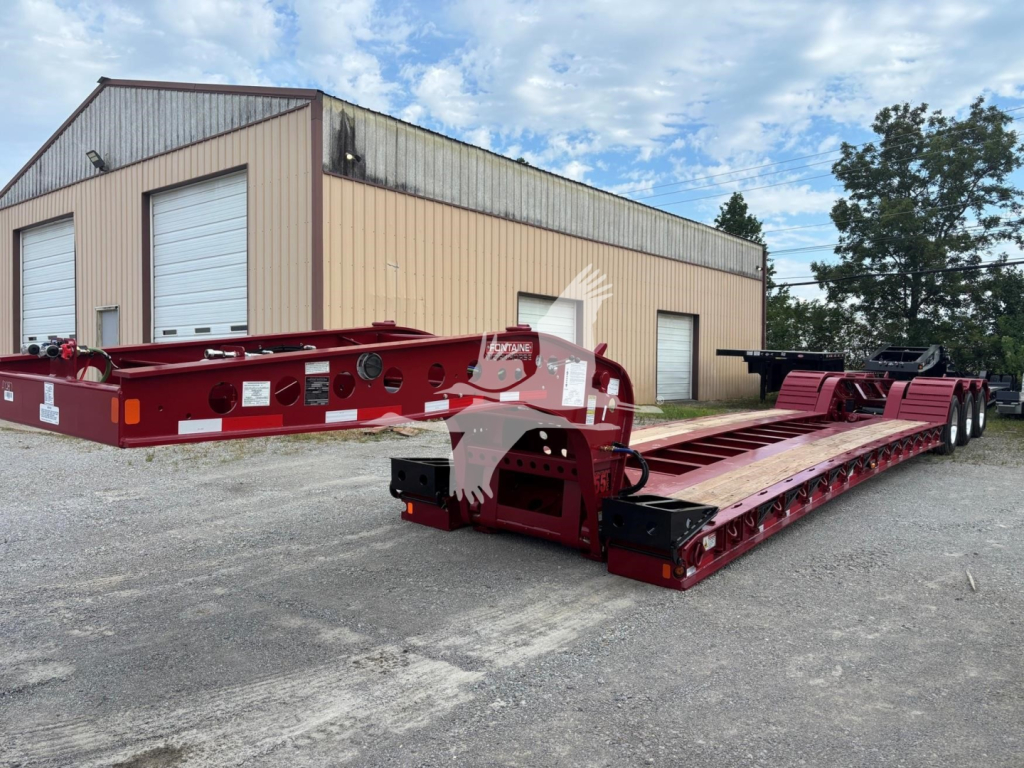
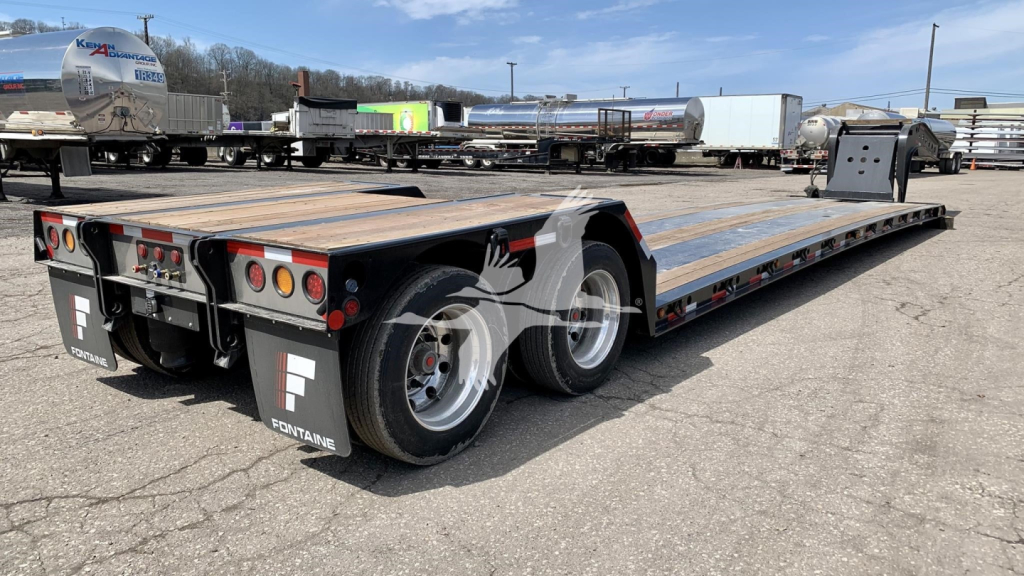
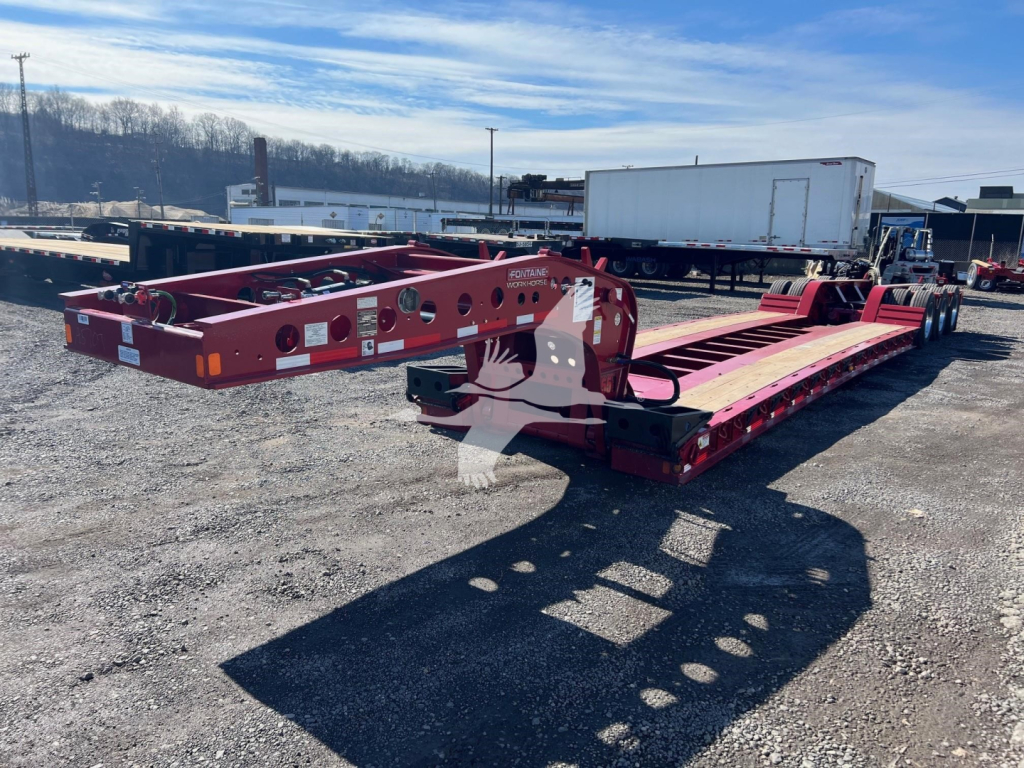
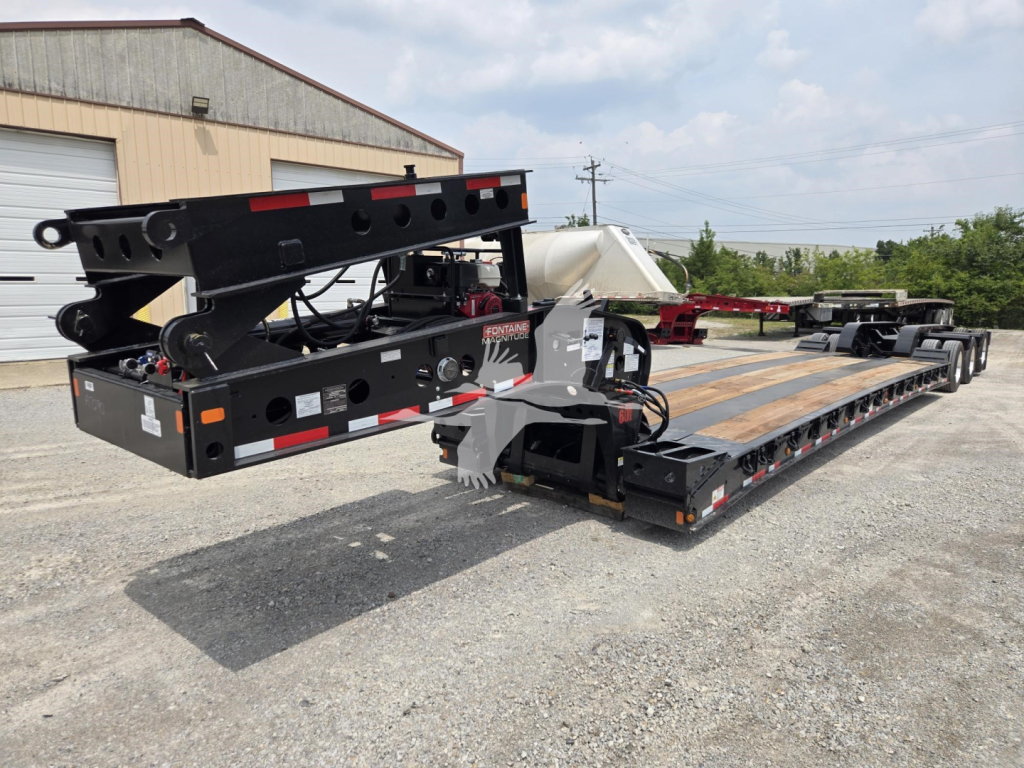
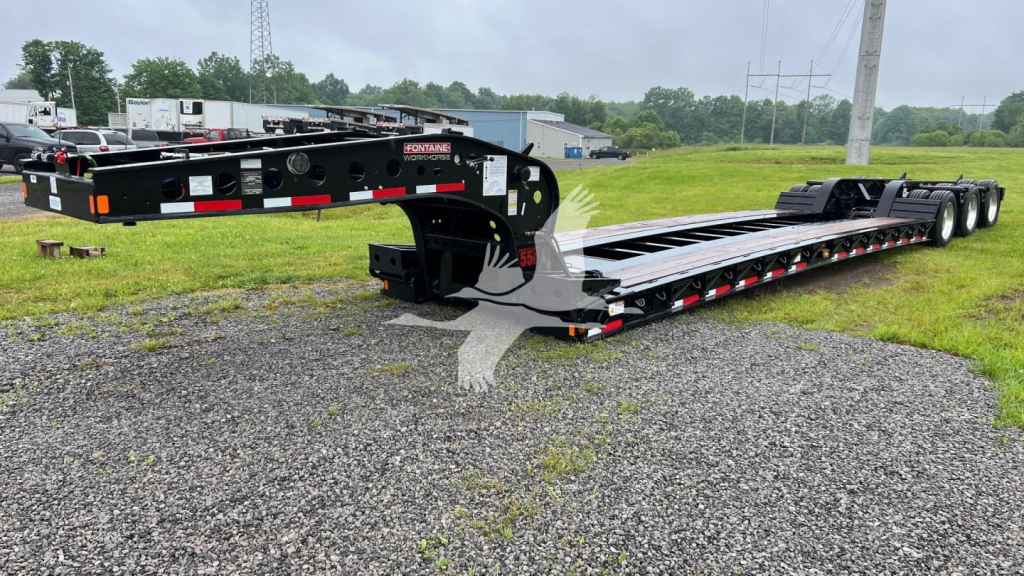
The key buying decisions usually start with deck style and axle setup. A flat level deck is useful for machines and attachments that need a consistent loading surface, while an open boom well or excavator well helps lower the transport height of taller equipment. Loaded deck heights around 18 to 20 inches are common in this class and can make a major difference when trying to stay legal on overall height. Many Talbert lowboys in this size range run tridem axle groups with 25,000-pound axles, and some are built to accept a spreader bar or a fourth flip axle when heavier permitted loads are part of the job. Two-position kingpin settings are also common and give the trailer more flexibility across different tractors and bridge law requirements.
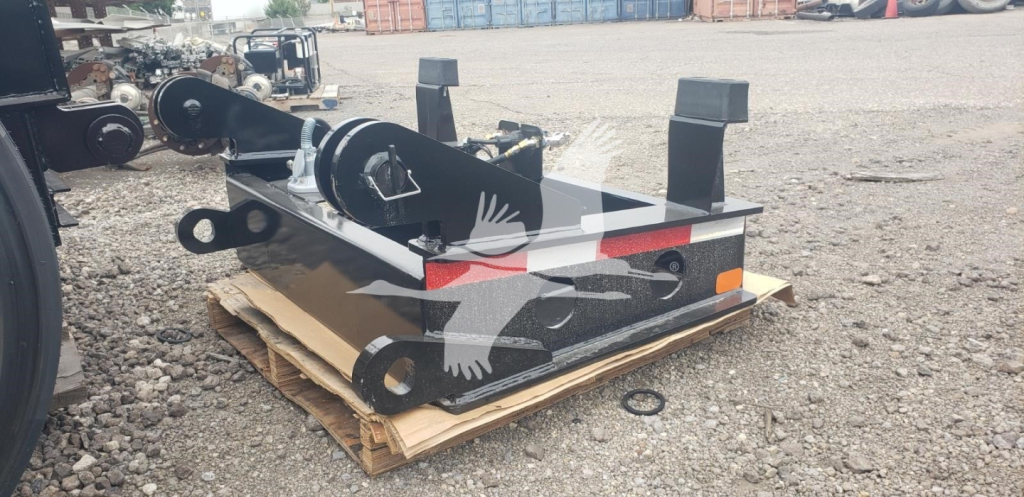
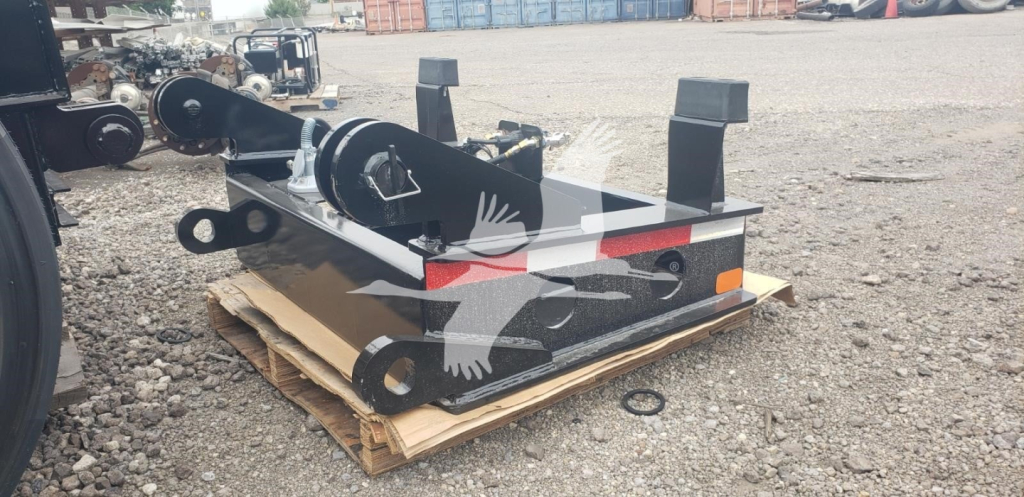
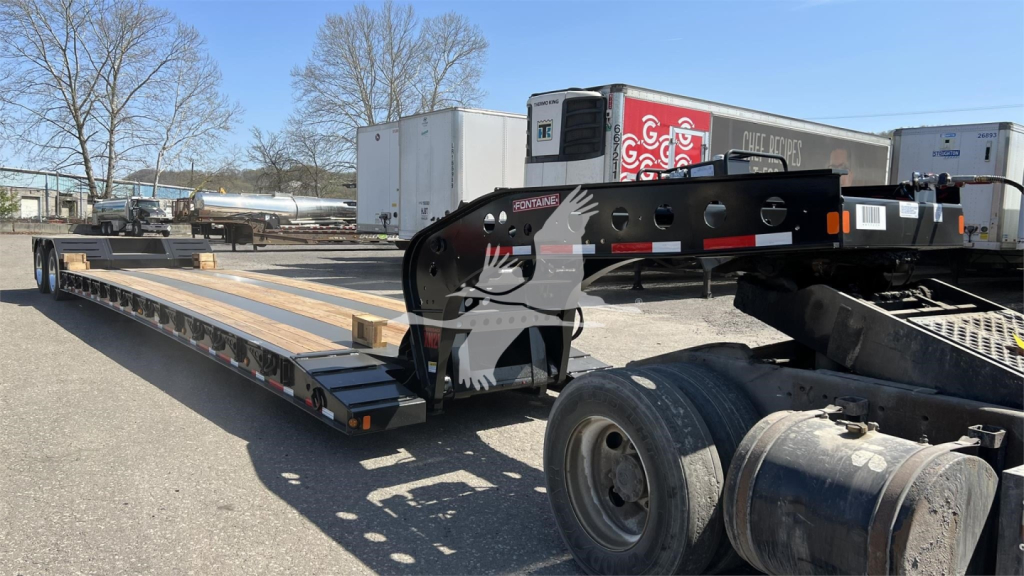
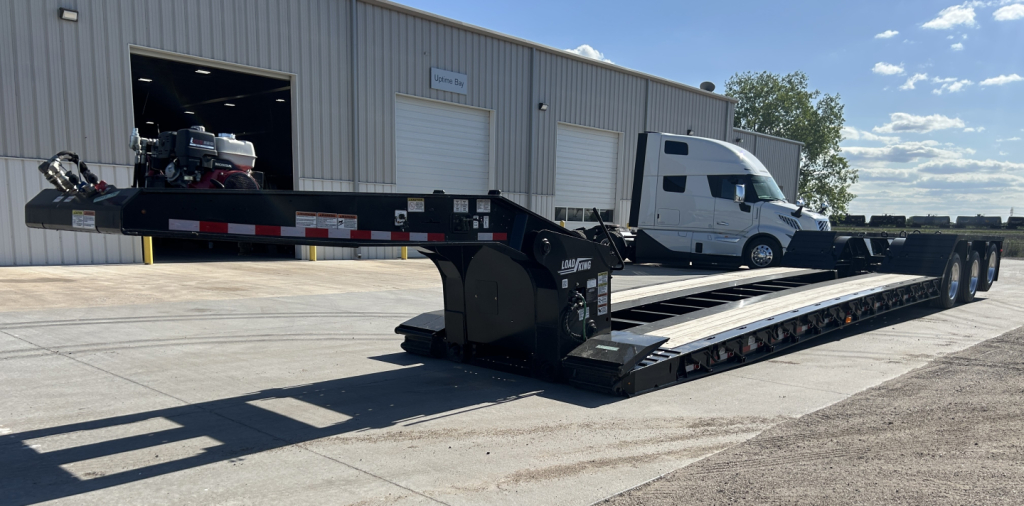
Gooseneck style is another major factor. Hydraulic detachable goosenecks simplify loading for dozers, excavators, pavers, and other self-propelled equipment by allowing ground-level approach without relying on steep rear loading angles. On new Talbert units, buyers should pay attention to whether the gooseneck is ground-bearing or non-ground-bearing, the cylinder arrangement, and the hydraulic power source such as a pony motor setup. Features like front flip ramps, recessed bucket wells, swinging outriggers, D-rings, battery backup for strobes, LED lighting, and axle lift systems all affect day-to-day usability and permit readiness. Tire size, axle spacing, and ride height also matter because they influence turning clearance, bridge spacing, and how the trailer carries concentrated machine weight.
A Talbert lowboy is typically selected by contractors, equipment dealers, and specialized carriers that need a trailer with predictable heavy-haul performance and strong resale value. When comparing listings, focus on the actual payload target, deck length, well design, kingpin location, axle grouping, and whether the trailer is already configured for future axle additions. Matching those specs to the machines you move most often is what determines whether a lowboy works as a high-utilization asset or an expensive compromise.
Frequently Asked Questions about New Talbert Lowboy Trailers
What is the typical application for a new Talbert lowboy trailer?
A new Talbert lowboy trailer is typically used to haul construction and industrial equipment such as excavators, dozers, loaders, pavers, compactors, and similar high-weight or high-profile machines. The low deck height helps control loaded height, which is critical for legal transport and permit planning. In the 55-ton class, these trailers are commonly used for regional heavy haul, equipment rental fleets, contractor transport, and dealer delivery work.
What is the difference between a flat level deck and an open boom well lowboy?
A flat level deck provides a consistent loading surface across the deck and is often preferred when hauling mixed equipment, attachments, or machines with undercarriage layouts that benefit from a uniform platform. An open boom well, sometimes called an excavator well, lowers the load in the center section so taller machines can ride lower overall. Buyers should choose based on the machines they transport most often, especially track equipment with booms, sticks, buckets, or other components that affect transport height and weight distribution.
Why does deck height matter so much on a lowboy trailer?
Deck height directly affects overall loaded height, and that impacts route options, permit costs, and legal compliance. In heavy equipment transport, even a small reduction in loaded deck height can help avoid height restrictions or simplify permitting. Many new Talbert lowboy trailers in this category offer loaded deck heights in the 18 to 20 inch range, which is one of the main reasons lowboys remain the standard choice for taller machines.
What should I look for in the axle configuration on a Talbert lowboy?
Axle configuration determines legal capacity, bridge compliance, maneuverability, and future flexibility. Buyers should look at the number of axles, axle spacing, axle rating, lift axle availability, and whether the trailer is built to accept a flip axle or spreader bar. A tridem setup is common for this class, but operations hauling heavier or more concentrated loads may benefit from a trailer already designed for a fourth axle option. Matching the axle group to your usual load weights and permit states is more important than simply choosing the highest published capacity.
What does HRG mean on a Talbert lowboy trailer?
HRG generally refers to a hydraulic removable gooseneck. This design allows the neck to detach so self-propelled equipment can be loaded from the front at a shallow angle, which is safer and more practical for many machines than rear loading. On a new Talbert lowboy, an HRG setup is often a major advantage for fleets that regularly load tracked equipment and want faster turnaround at jobsites, yards, and dealer locations.