
Used Fruehauf Trailers For Sale
Shop used Fruehauf trailers including vans, flatbeds, dry bulk and dollies. Compare specs, construction, suspension, and application fit.
Learn more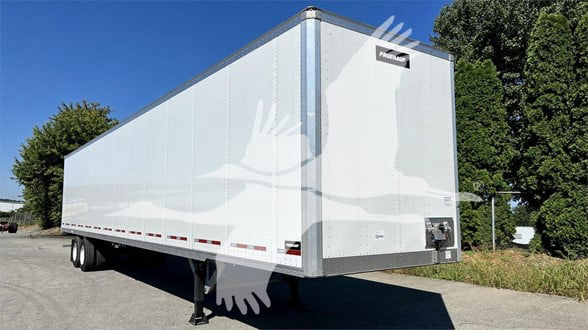
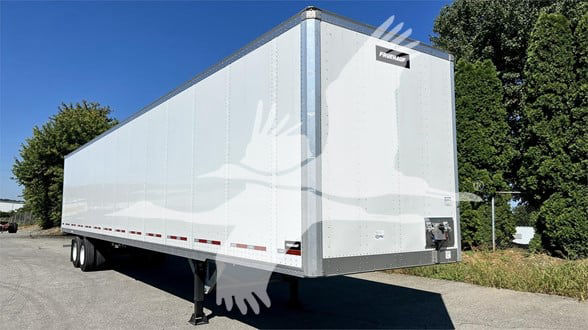
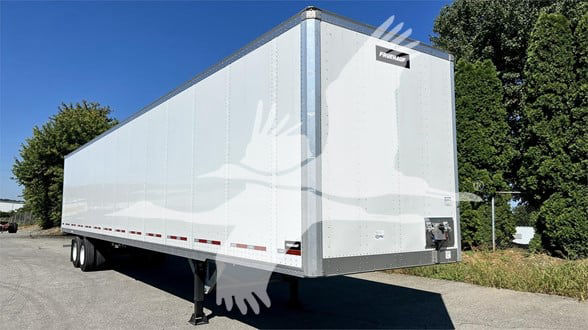
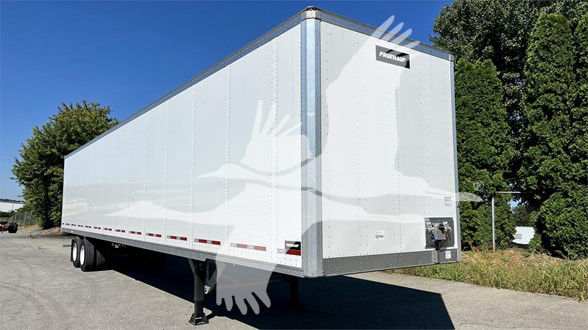
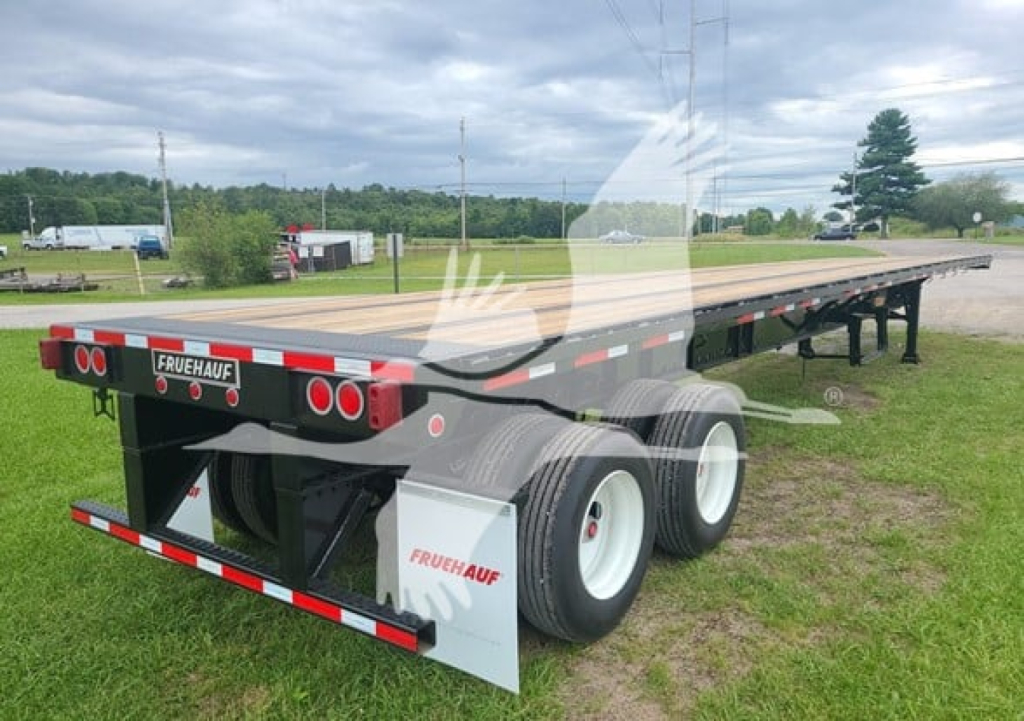
Showing 37 to 48 of 57 results
Have used fruehauf trailer to sell? List it here to reach thousands of buyers.
About Used Fruehauf Trailers
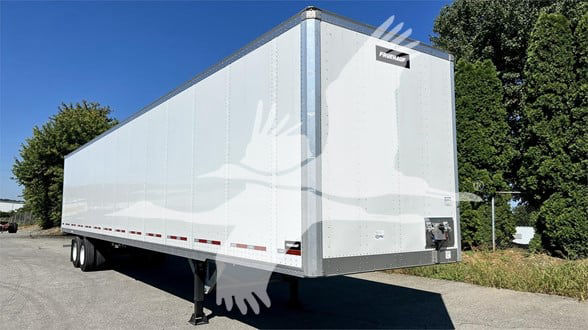
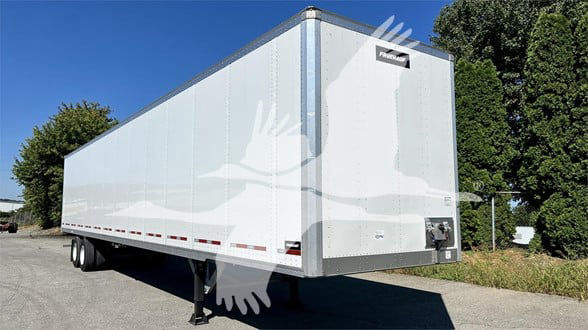
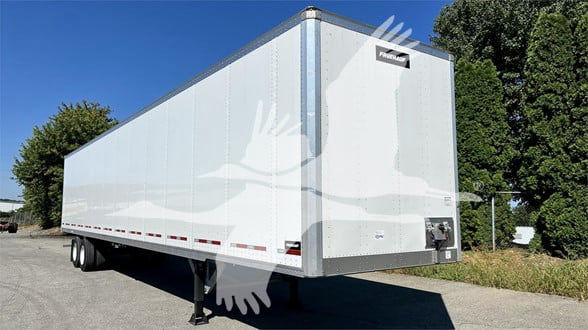
On van trailers, the key decisions are side construction, floor condition, and dock compatibility. Many late-model Fruehauf vans are built as plate vans with galvanized steel side sheets, composite construction elements, swing doors, hardwood floors, and aluminum roofs. Buyers should check inside height, door opening, kingpin setting, crossmember spacing, and scuff protection if the trailer will see forklift freight. Logistics posts, side scuff liners, nose lining, and galvanized rear impact components matter on high-cycle warehouse freight because they affect durability and repair cost over time. Air ride suspensions are common on freight-sensitive van applications, while tandem sliding suspensions help with bridge law compliance and axle spread adjustment.
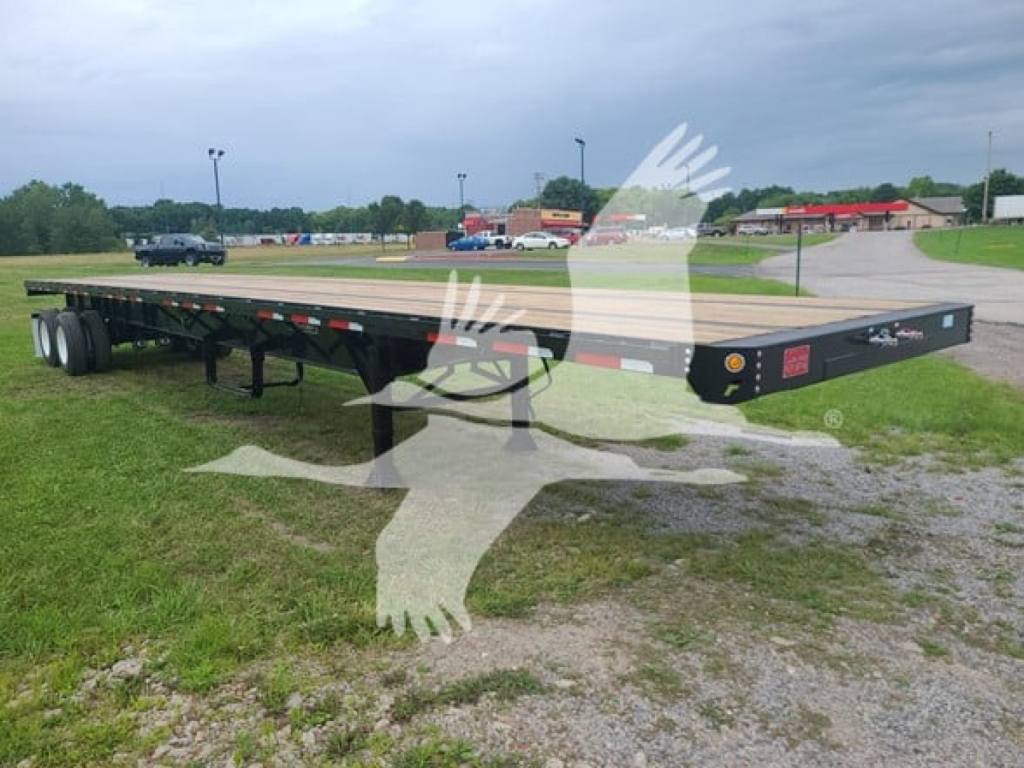
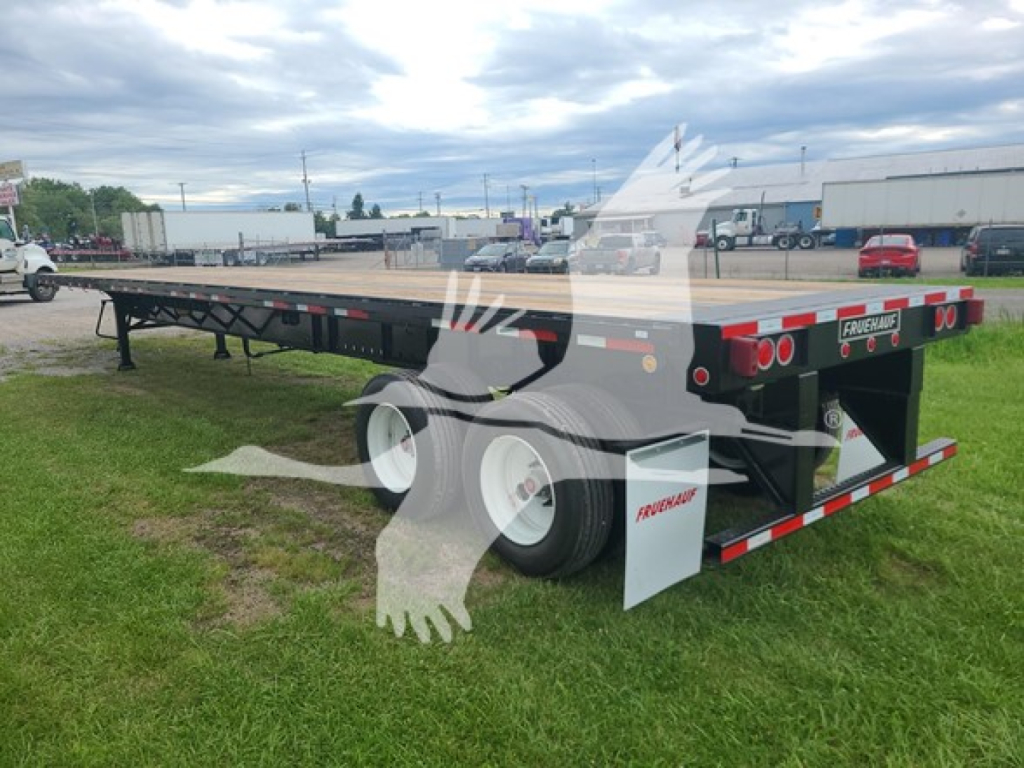
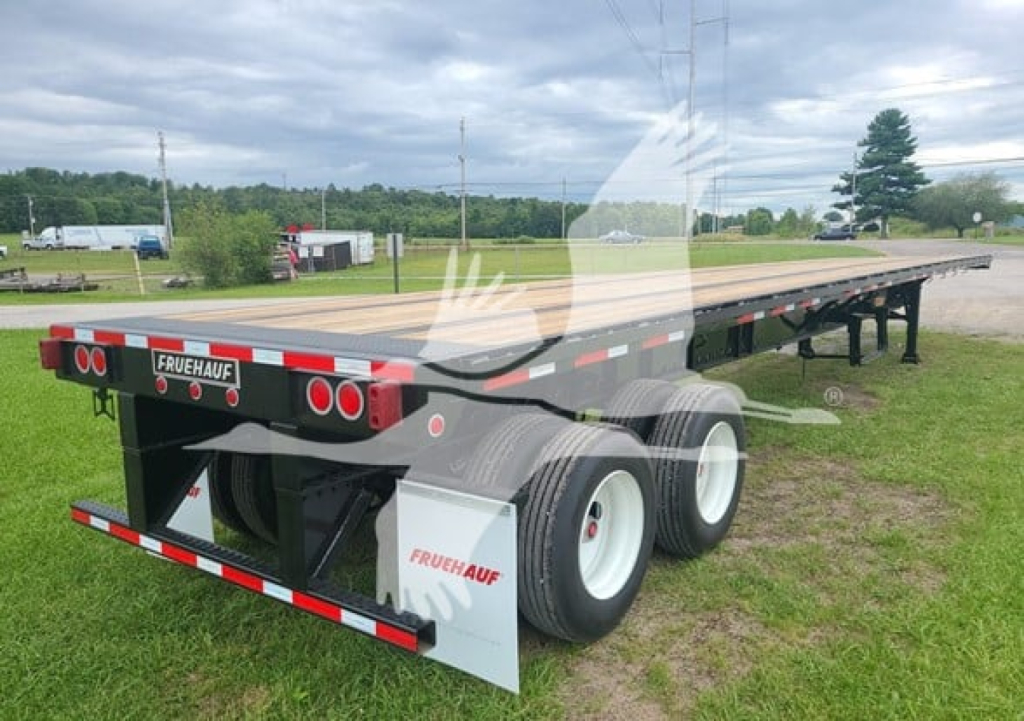
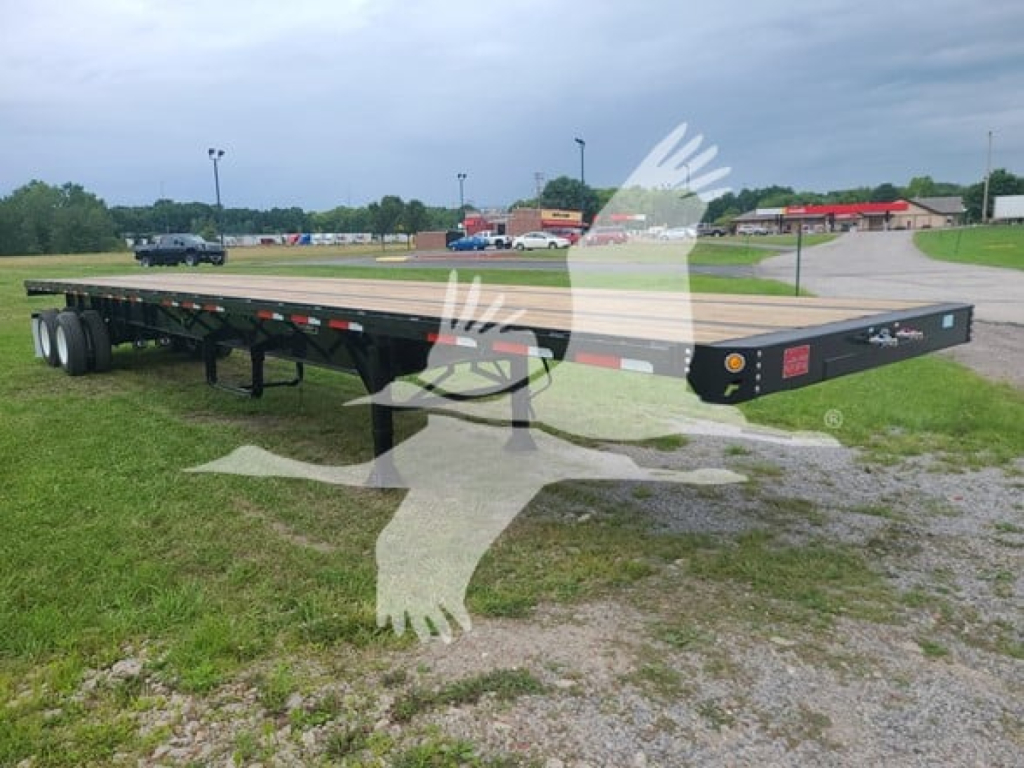
On flatbeds, Fruehauf units are typically straightforward work trailers built around steel frames, tandem axles, and wood floors such as Apitong. The details that matter most are main beam condition, crossmember spacing, side rail integrity, winch track layout, bulkhead configuration, and suspension type. Spring ride flatbeds can still be a good fit for general steel, lumber, and machinery work, but buyers should inspect for deck wear, rail damage from chains and binders, and any signs of overloading around the suspension hangers and rear frame. If the trailer will haul coil or concentrated loads, confirm whether it has a coil package and whether the frame was spec'd for that service.
Older Fruehauf specialty trailers such as pneumatic dry bulk units and dollies can still be useful equipment when the setup matches the lane and commodity. On dry bulk trailers, focus on vessel condition, hopper layout, discharge plumbing, valve sizes, product pipe routing, and overall weight. Aluminum-steel combination construction can help balance durability and payload, but the system condition matters more than age on bulk equipment. On dollies, inspect the stationary or steerable 5th wheel arrangement, pintle setup, brake system, axle configuration, and frame condition. Across any used Fruehauf trailer, buyers should pay close attention to VIN legibility, prior repairs, brake wear, tire date codes, wheel-end service history, and availability of replacement parts for older models.
Frequently Asked Questions
What should I check first on a used Fruehauf trailer?
Start with the trailer's structural condition and original application. On vans, inspect the floor, side panels, roof, rear frame, and door hardware. On flatbeds, look closely at main beams, crossmembers, side rails, and deck condition. On dry bulk trailers, inspect the tank, hoppers, piping, and valves. Also verify axle alignment, brake condition, suspension wear, tire age, and kingpin area integrity, because those items drive operating cost quickly after purchase.
Are used Fruehauf dry vans a good choice for general freight?
Yes, many used Fruehauf dry vans are well suited for general freight if the trailer has the right interior dimensions and the floor and wall structure are still sound. Plate side construction, logistics posts, hardwood flooring, scuff liners, and galvanized rear components are all desirable on warehouse and dock freight. Buyers should confirm inside width and height, door opening dimensions, suspension type, and kingpin setting to make sure the trailer fits both the freight and the tractor spec.
What matters most on a used Fruehauf flatbed?
The most important factors are frame condition, deck condition, and securement setup. A flatbed may look serviceable but still have costly wear in the crossmembers, side rails, suspension mounts, or rear frame. Check for an Apitong or other hardwood floor with minimal rot and fastener pullout, verify the number and placement of sliding winches, and inspect the winch track and rub rail for damage. If the trailer will haul concentrated loads, confirm crossmember spacing and whether the trailer was built with a coil package or other heavy-haul-friendly features.
Can an older Fruehauf dry bulk trailer still be productive?
Yes, if the vessel, plumbing, and discharge system are in good operating condition and the trailer matches the commodity being hauled. Older dry bulk trailers can still perform well in cement, lime, sand, and similar applications, but buyers need to inspect hopper geometry, top-fill openings, product pipe size, valve condition, and signs of contamination or internal corrosion. Payload, tare weight, and ease of unloading often matter more than model year on pneumatic bulk equipment.
Are parts and service a concern on older Fruehauf trailers?
They can be, especially on older specialty models, but many running gear components such as brakes, hubs, suspension parts, landing gear, and lights are standard industry items. The bigger concern is proprietary body hardware, older structural pieces, and application-specific components on bulk trailers or dollies. Buyers should identify the axle, suspension, brake, and landing gear brands before purchase and evaluate whether replacement parts for body and system components are still practical to source.