
Used Fruehauf Trailers For Sale in New York
Shop used Fruehauf trailers in New York, including dry van trailers and converter dollies with common specs, applications, and inspection tips.
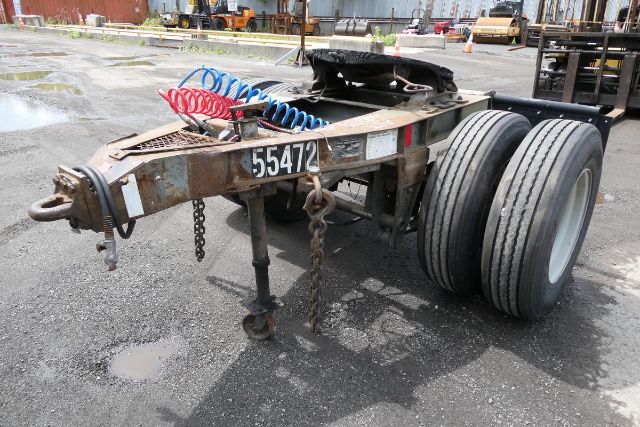
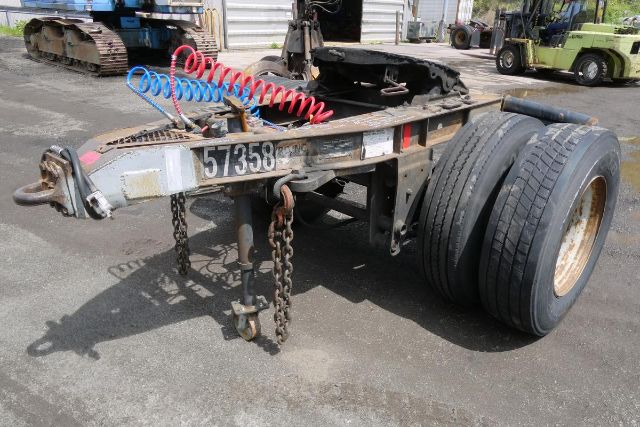
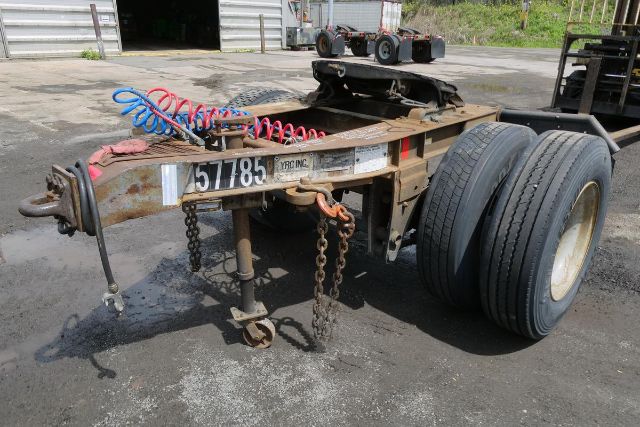
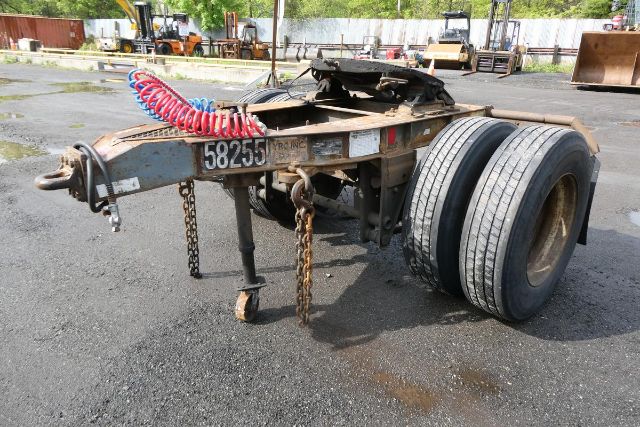
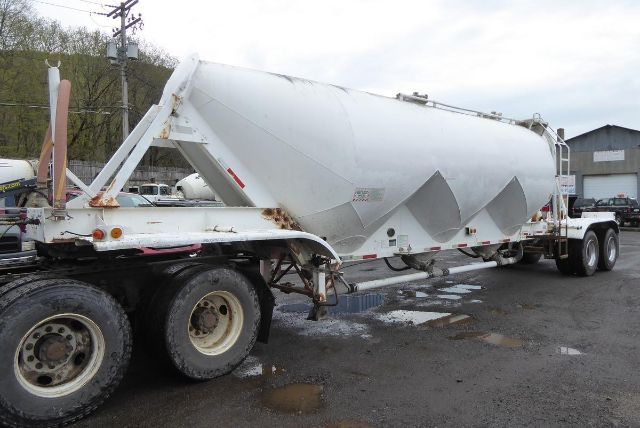
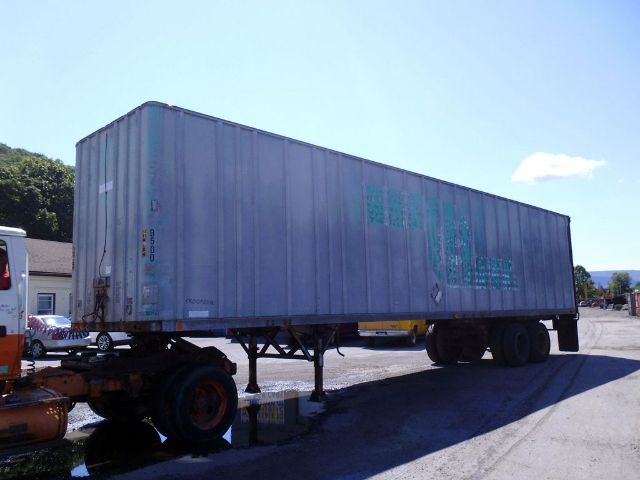
Selling a used fruehauf trailer? List your used fruehauf trailer for sale and reach thousands of commercial buyers.
Used Fruehauf Trailers in New York
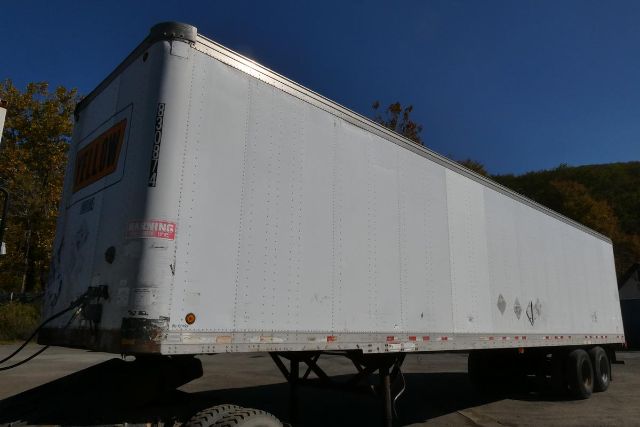
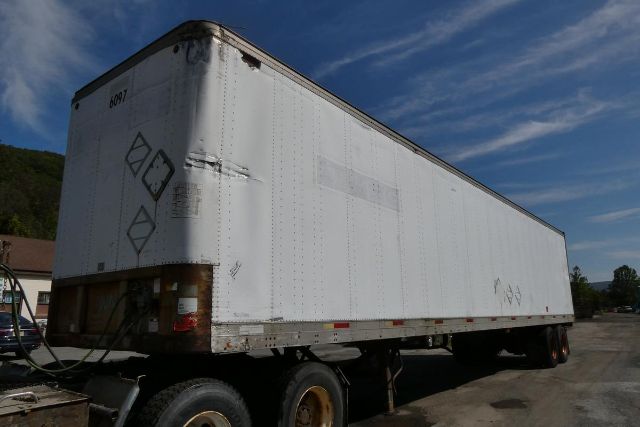
On dry van trailers, common specs include 45-foot lengths, tandem axles, aluminum construction, wood or wood-over-steel floors, and roll-up rear doors. Some older units are 96-inch wide, while later vans may be 102 inches wide, so cargo profile and route requirements should be checked before buying. Slideable closed tandems can be a real advantage for axle scaling and dock positioning, but they need to be inspected for rail wear, locking pin condition, and general slider function. Floor integrity is another major checkpoint on older vans, especially if the trailer handled concentrated pallet traffic or forklift loading. Soft spots, patchwork, threshold damage, and sidewall fastener issues can turn a low purchase price into a repair project quickly.
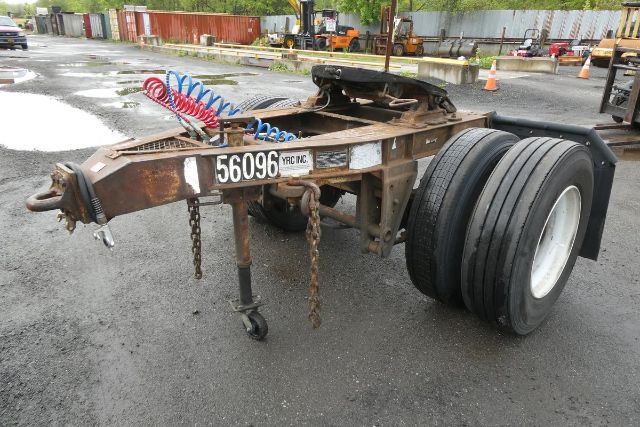
Fruehauf converter dollies, often used in doubles service, deserve a different inspection approach. A typical dolly in this class may have a fixed single axle, stationary fifth wheel, spring suspension, and 20,000-pound GVWR. Buyers should pay close attention to fifth wheel plate wear, pintle eye condition if applicable, air line routing, brake chamber condition, and axle alignment. Because many of these dollies have seen regional or terminal work, tire wear patterns and brake balance tell you a lot about how they were maintained. In New York operations, where stop-and-go traffic, winter corrosion, and tight terminal maneuvering are part of the job, structural rust and air system leaks need close review.
The best used Fruehauf trailer for a fleet depends on duty cycle more than age. A dry van suited for short regional freight may be perfectly acceptable with older spring ride and mixed tire brands if the structure is sound and the doors seal correctly. A dolly headed into regular linehaul doubles service needs stronger emphasis on brake performance, fifth wheel condition, and parts compatibility with the rest of the fleet. Buyers should verify VIN data, GVWR, tire size, wheel type, suspension spec, trailer height, and legal width before purchase. For older Fruehauf trailers, a careful inspection of maintenance basics usually tells the story faster than the badge on the nose.
Frequently Asked Questions about Used Fruehauf Trailers in New York
What should I inspect first on a used Fruehauf dry van trailer?
Start with the frame, crossmembers, floor, roof, and rear door structure. On older dry vans, those areas determine whether the trailer is still a practical freight tool or a repair-heavy asset. Check for floor rot or soft spots, cracked crossmembers, sidewall bowing, roof leaks, and damage around the rear threshold and door frame. Then review the slider assembly, suspension, brakes, tires, and wheel ends to understand remaining service life.
Are older 45-foot Fruehauf van trailers still useful in commercial service?
Yes, if the trailer matches the freight and route profile. A 45-foot dry van can still be a fit for regional hauling, storage use, dedicated lanes, or operations that do not require a 48-foot or 53-foot trailer. The buyer needs to confirm legal dimensions, dock compatibility, load capacity, and interior condition. The trailer's structural health and brake readiness matter far more than the fact that it is an older 45-footer.
What is a Fruehauf converter dolly used for?
A converter dolly is used to connect one trailer to another in doubles operations. It typically includes an axle, suspension, air brake system, drawbar arrangement, and a fifth wheel to support the lead end of the rear trailer. On a used Fruehauf dolly, buyers should focus on fifth wheel wear, brake condition, tire age, structural rust, and compatibility with fleet air and connection standards.
Do slideable tandem axles matter on a used van trailer?
Yes, a sliding tandem affects axle weight distribution, bridge compliance, and how the trailer works at docks and in tight yards. On a used trailer, the feature only adds value if it operates correctly. Inspect the slider rails for wear, confirm the locking pins engage fully, and look for damage from prior impact or poor maintenance. A frozen or badly worn tandem slider can become a recurring downtime issue.
Why are suspension and brake specs important when buying a used Fruehauf trailer in New York?
New York service conditions are tough on trailer running gear because of winter road treatment, heavy traffic, tight urban deliveries, and frequent braking. Spring suspension components, hangers, bushings, brake chambers, slack adjusters, and air lines should be inspected closely for corrosion and wear. A trailer with ordinary specs can still be a strong buy if the undercarriage has been maintained well and the brake system is in solid working order.