
Fontaine Flatbed Trailers For Sale
Shop Fontaine flatbed trailers with combo or all-aluminum construction, air ride suspensions, coil packages, and axle setups for varied freight.
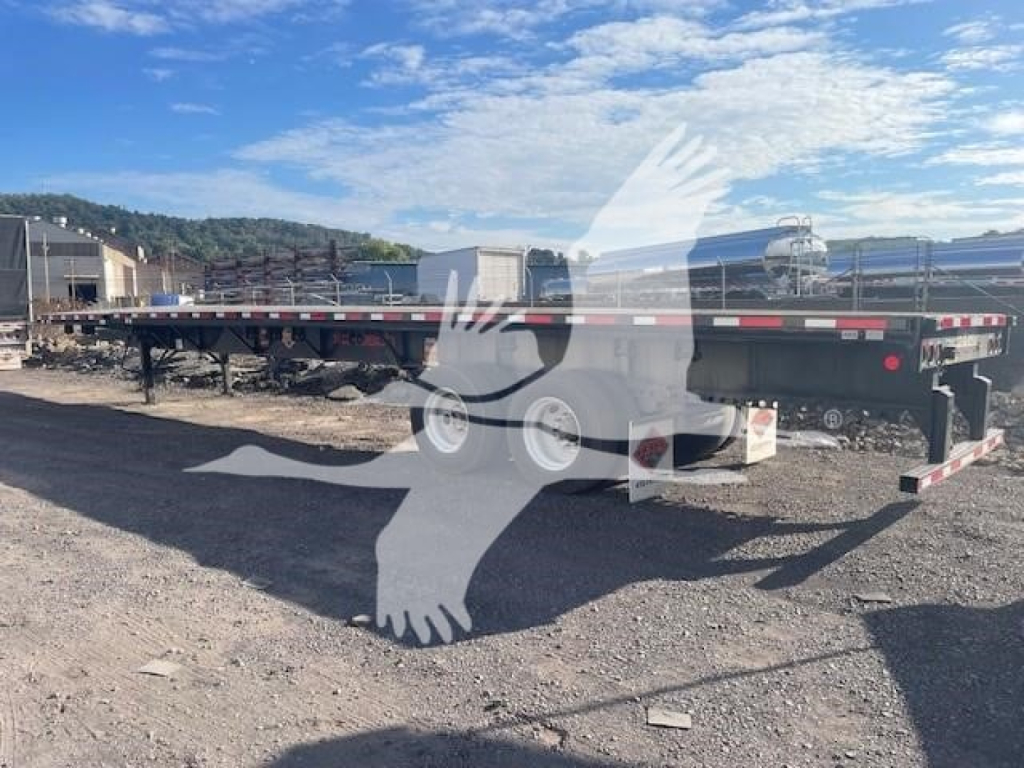
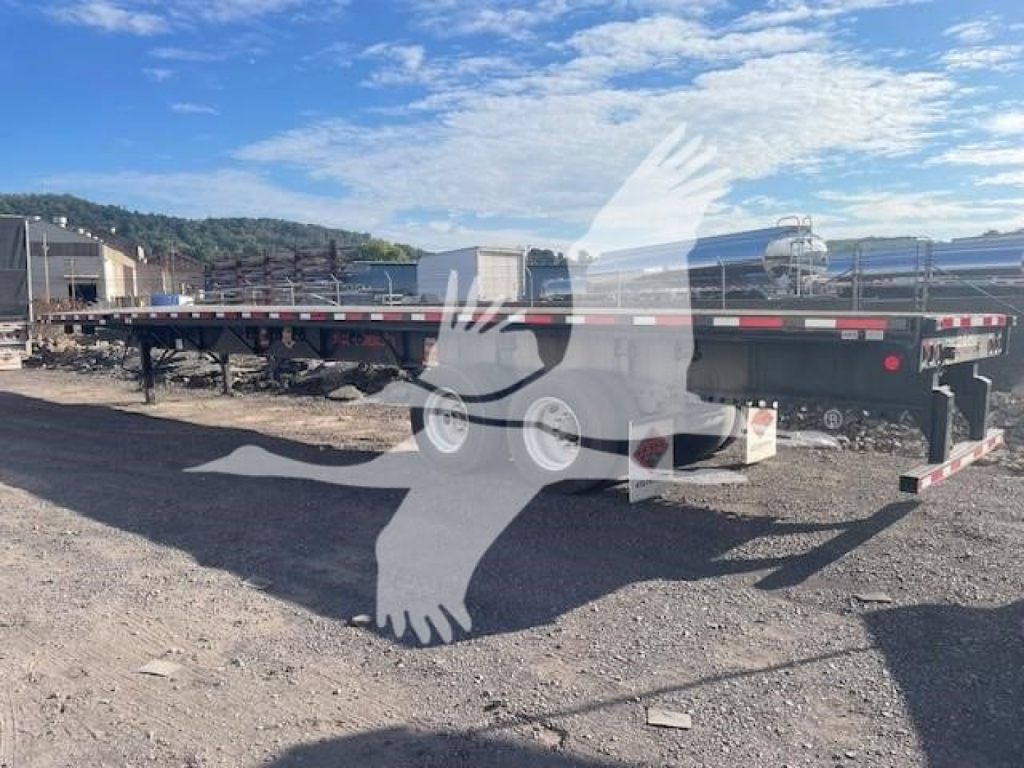
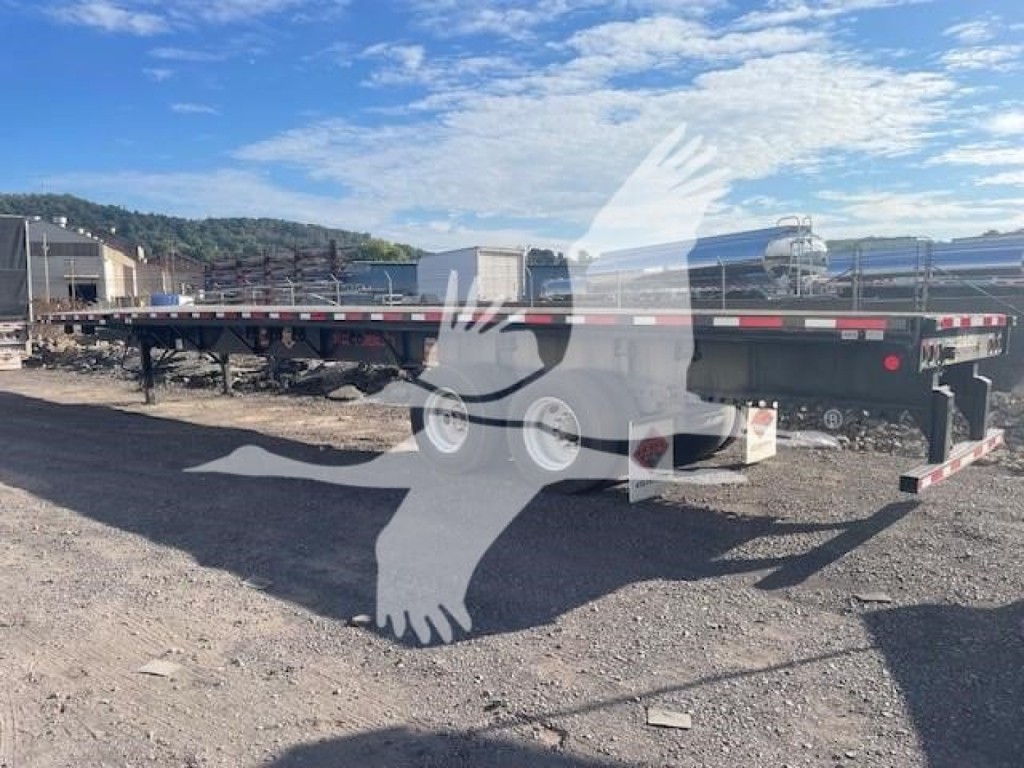
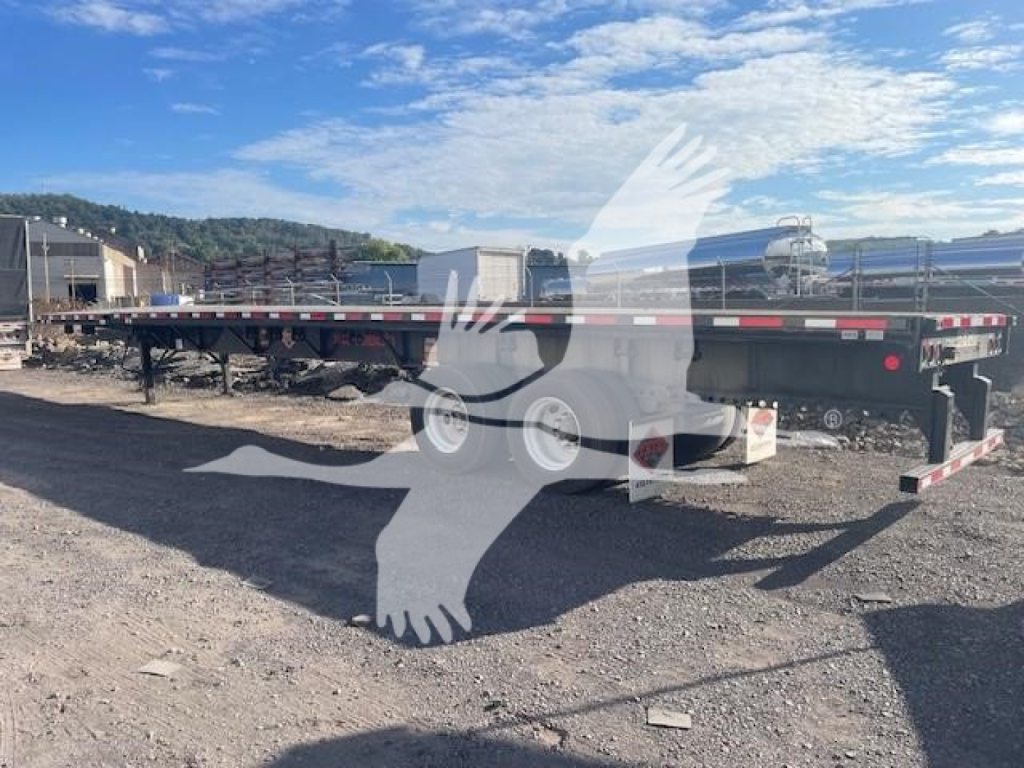
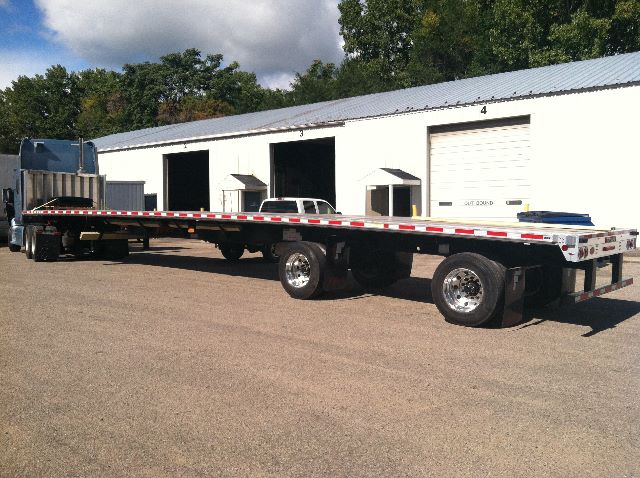

Showing 57 to 70 of 70 results
Have fontaine flatbed trailer to sell? List it here to reach thousands of buyers.
Fontaine Flatbed Trailers
A lot of Fontaine flatbeds are configured for steel, building materials, machinery, and general deck freight, so securement details matter. Buyers should look closely at winch track placement, number of sliding winches, recessed chain ties, stake pocket spacing, and whether the trailer has a coil package. Features like full-length double L style winch tracks, pop-up or recessed chain tie assemblies, sliding rope hooks, and wood nail strips in aluminum floors are common on work-ready specs. Fontaine's routed aluminum side rail design is popular because it helps protect the rail from outside impact damage while keeping the trailer practical for daily loading with forklifts and side securement.
Suspension and axle layout have a direct effect on how the trailer performs in your freight lane. Fontaine flatbeds are commonly found with tandem sliders, closed tandems, or widespread air ride spreads, often using Hendrickson air ride suspensions. A spread axle can help with weight distribution and deck access, while a sliding tandem is often preferred for regional flexibility, dock approach, and state bridge compliance. Typical specs in this class include 295/75R22.5 tires, drum brakes, 4S/2M ABS, steel or aluminum wheels, and frame ratings suitable for concentrated loads such as 55,000 pounds in 4 feet on properly equipped trailers.
For used Fontaine flatbeds, condition should be judged by more than floor appearance. Check crossmember spacing, rail straightness, landing gear bracing, floor wear around forklift traffic areas, suspension bushing condition, axle alignment, and the condition of the winches, hooks, and chain tie assemblies. On aluminum models, inspect for prior weld repairs and stress cracking near high-load areas. On combo trailers, look for corrosion where steel and aluminum components meet. Fontaine remains a strong name in the flatbed market because these trailers are widely spec'd for practical freight, easy securement, and long service life when the trailer is matched to the right freight mix.
Frequently Asked Questions about Fontaine Flatbed Trailers
What is the difference between a Fontaine combo flatbed and a Fontaine all-aluminum flatbed?
A Fontaine combo flatbed uses both steel and aluminum components, typically to deliver a strong deck structure at a lower cost than a full aluminum trailer. An all-aluminum Fontaine flatbed is built to reduce trailer weight and improve payload capacity while also helping with corrosion resistance. Buyers hauling dense freight often compare these two designs based on payload needs, repair preferences, and expected service environment.
Which axle setup is better on a Fontaine flatbed, spread axle or sliding tandem?
The right axle setup depends on the freight and the lanes you run. A spread axle Fontaine flatbed can improve weight distribution and can be a good fit for open-deck freight that benefits from stable load placement and unobstructed deck space around the suspension area. A sliding tandem offers more flexibility for bridge compliance, loading dock access, and changing weight distribution across different states and load types. Many buyers choose based on regional laws and the type of freight they haul most often.
What features should I look for on a Fontaine flatbed for steel or coil hauling?
For steel service, a coil package is one of the first items to confirm. Buyers should also look for recessed chain ties, enough sliding winches for the securement style they use, full-length winch tracks, stake pockets on practical spacing, and a floor design that can handle concentrated load demands. Crossmember spacing, frame rating, and side rail durability are especially important when the trailer will see regular heavy concentrated loads.
Are Fontaine flatbed trailers known for being lightweight?
Many Fontaine flatbed models are designed to be competitive on weight, especially all-aluminum versions like the Revolution series. Weight varies by length, axle configuration, floor design, toolbox spec, wheel choice, and securement package. A lightweight trailer can improve payload, but buyers should compare tare weight alongside frame rating, load concentration capacity, and the securement equipment already installed on the trailer.
What should I inspect first on a used Fontaine flatbed trailer?
Start with the structural items that affect safety and long-term cost. Check the main rails, crossmembers, floor condition, side rail damage, landing gear mounts, suspension wear, and axle alignment. Then inspect the practical working parts such as winches, chain ties, stake pockets, brakes, tires, hubs, lights, and ABS function. On any used flatbed, repair history and evidence of concentrated-load stress are just as important as cosmetic condition.