
2020 Flatbed Trailers For Sale in Pennsylvania
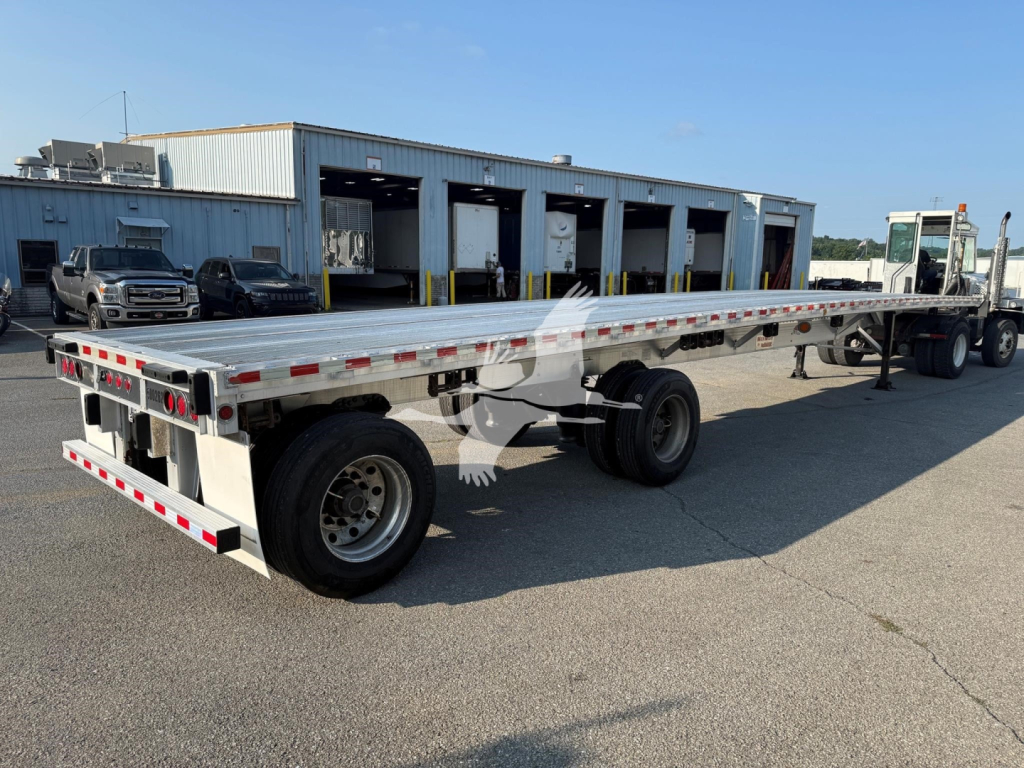
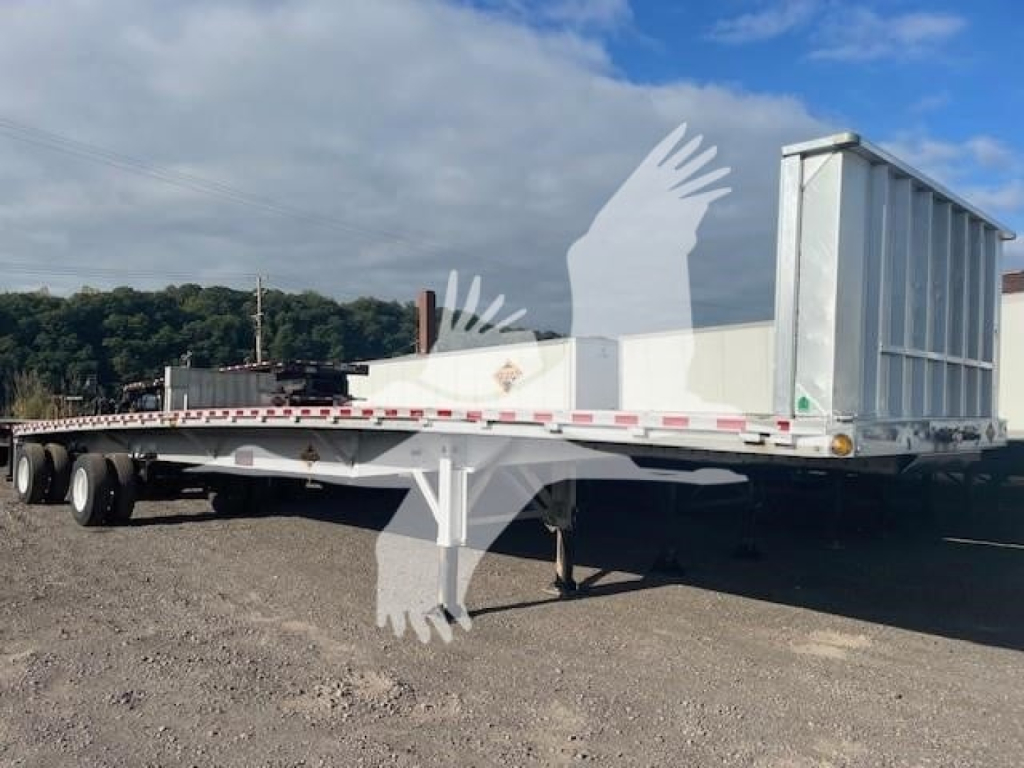
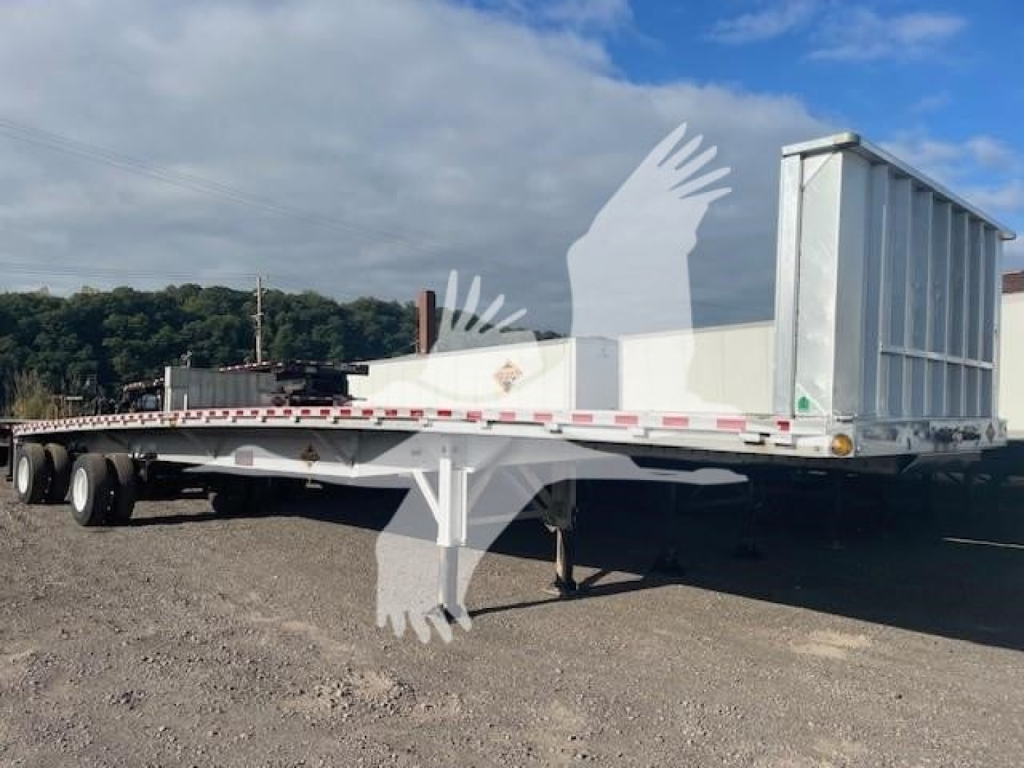
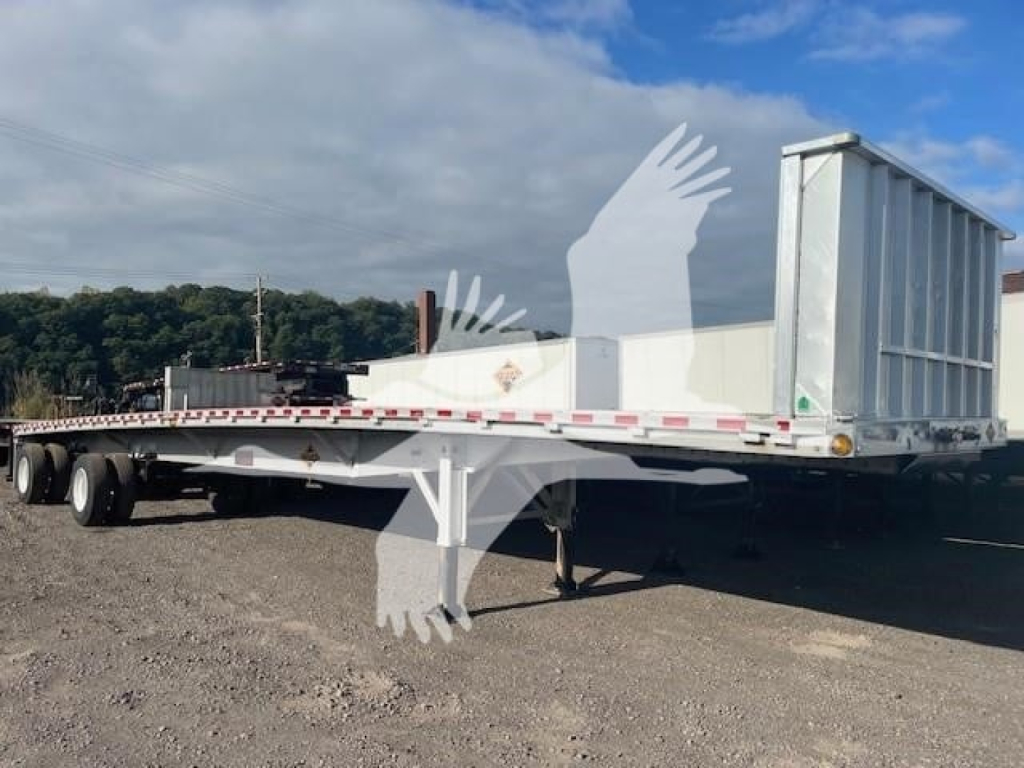
Shop 2020 flatbed trailers in Pennsylvania. Compare 48'x102" steel, aluminum, combo, air ride, spread axle, and sliding tandem specs.
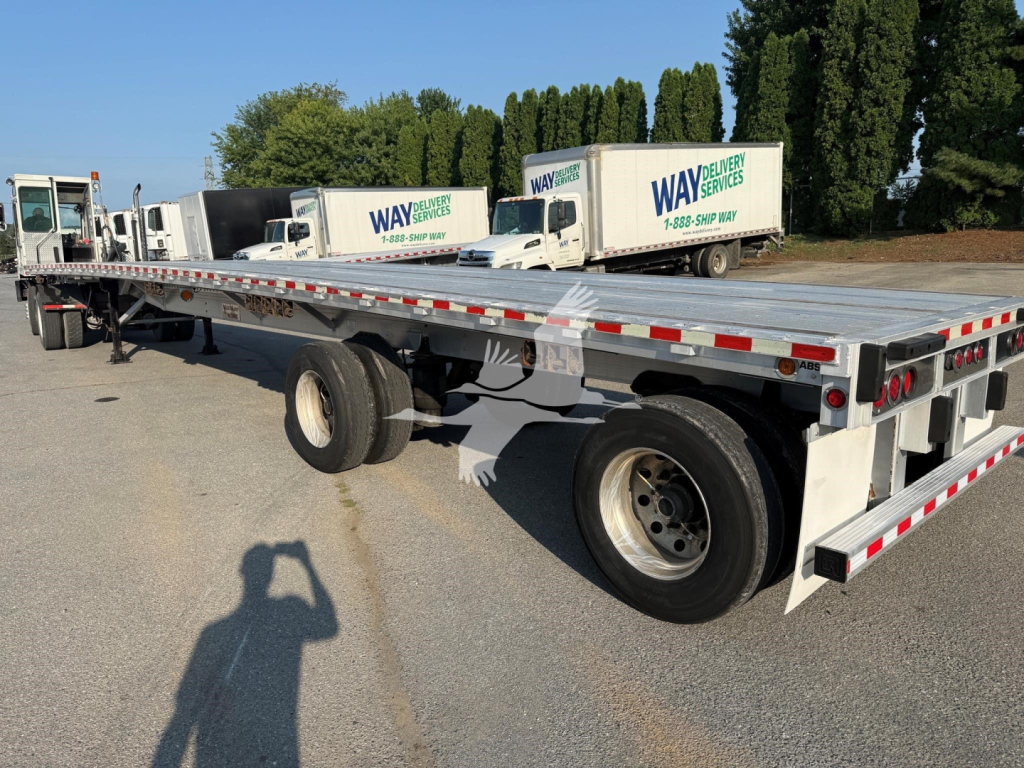
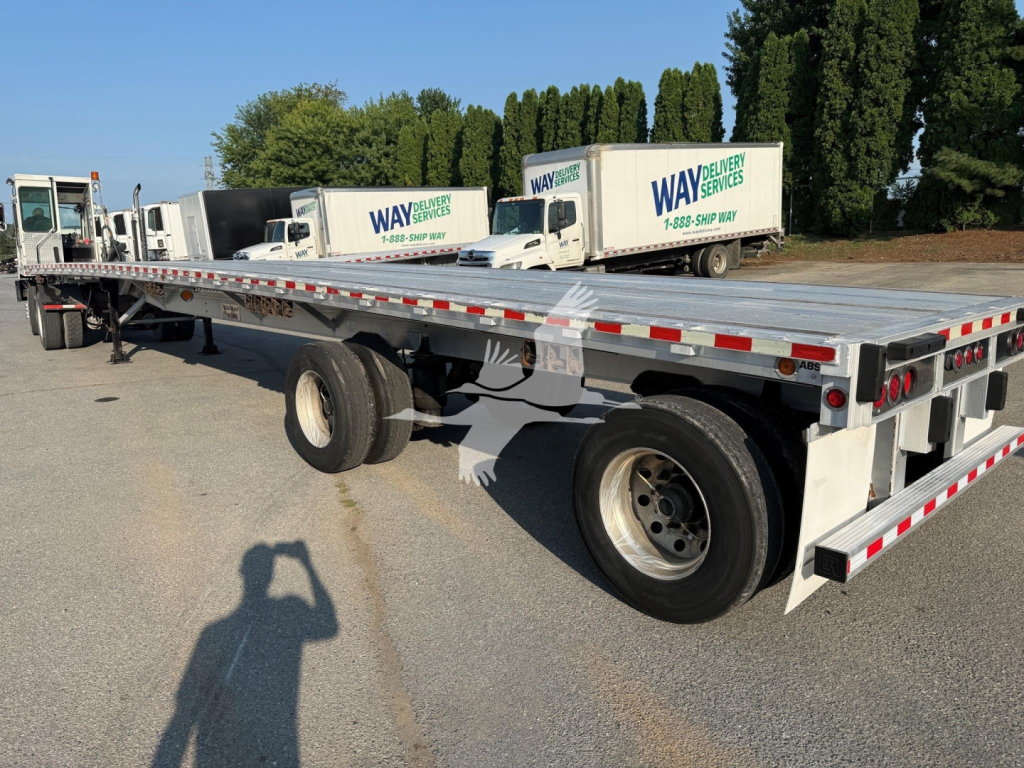
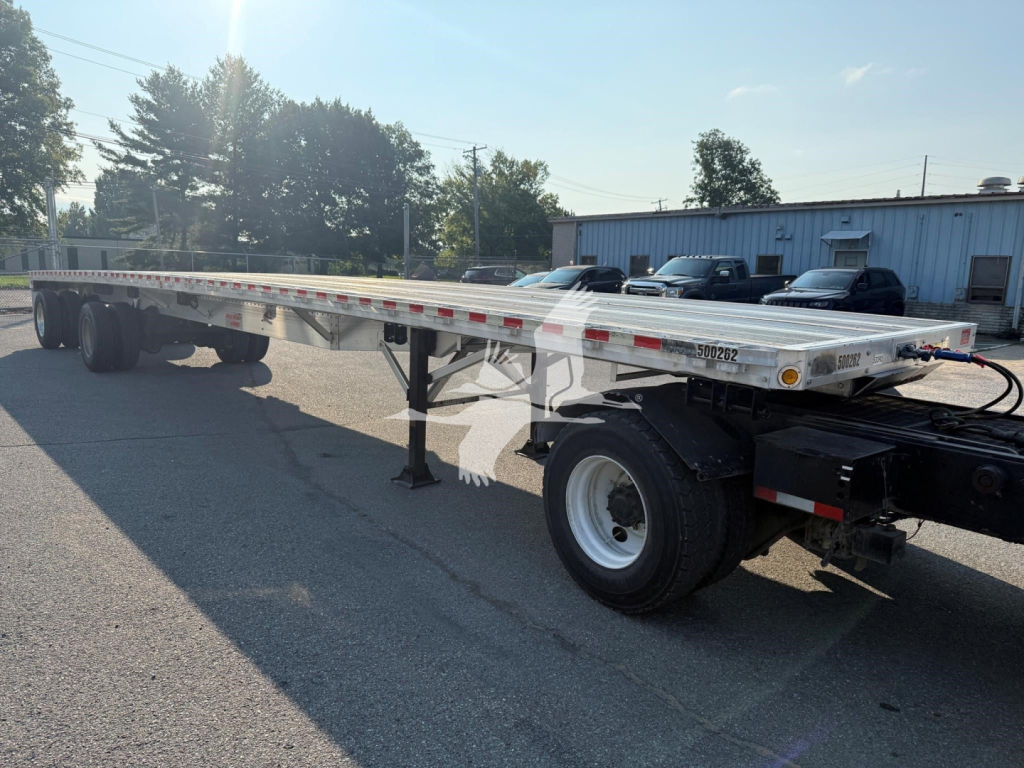
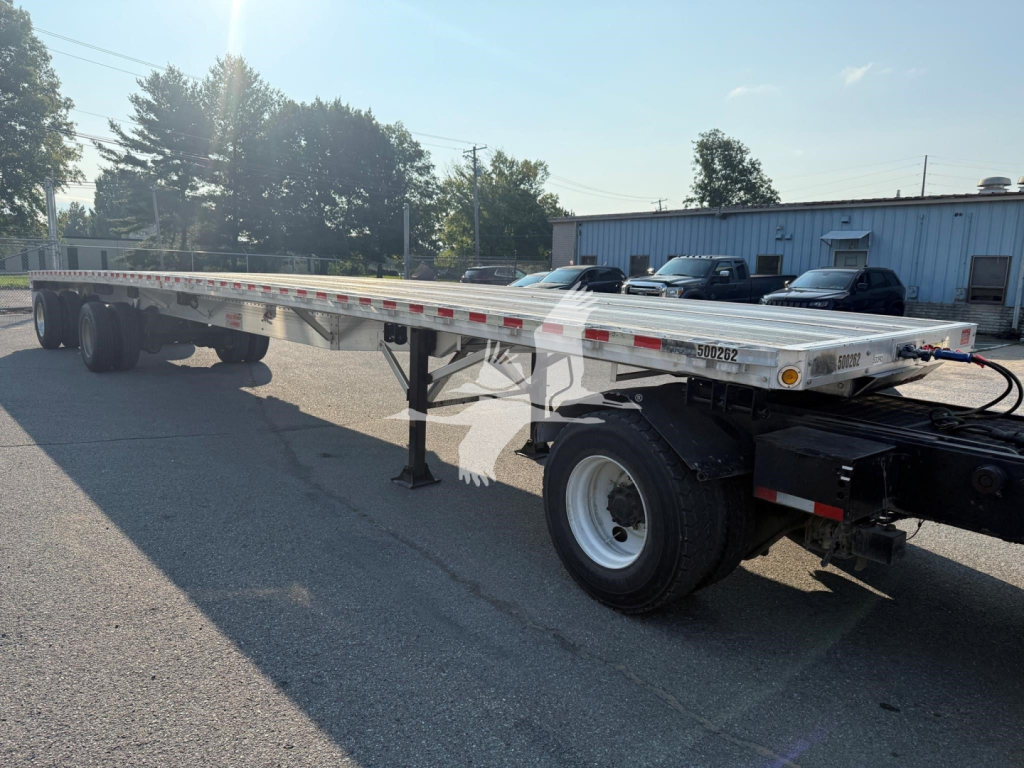
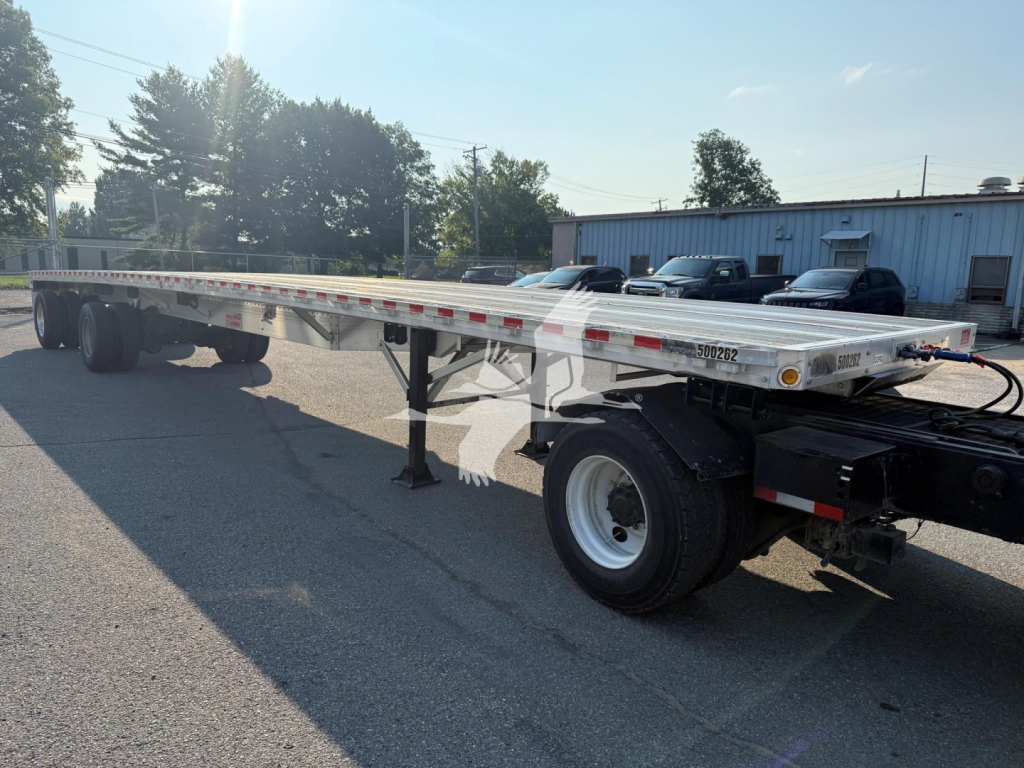
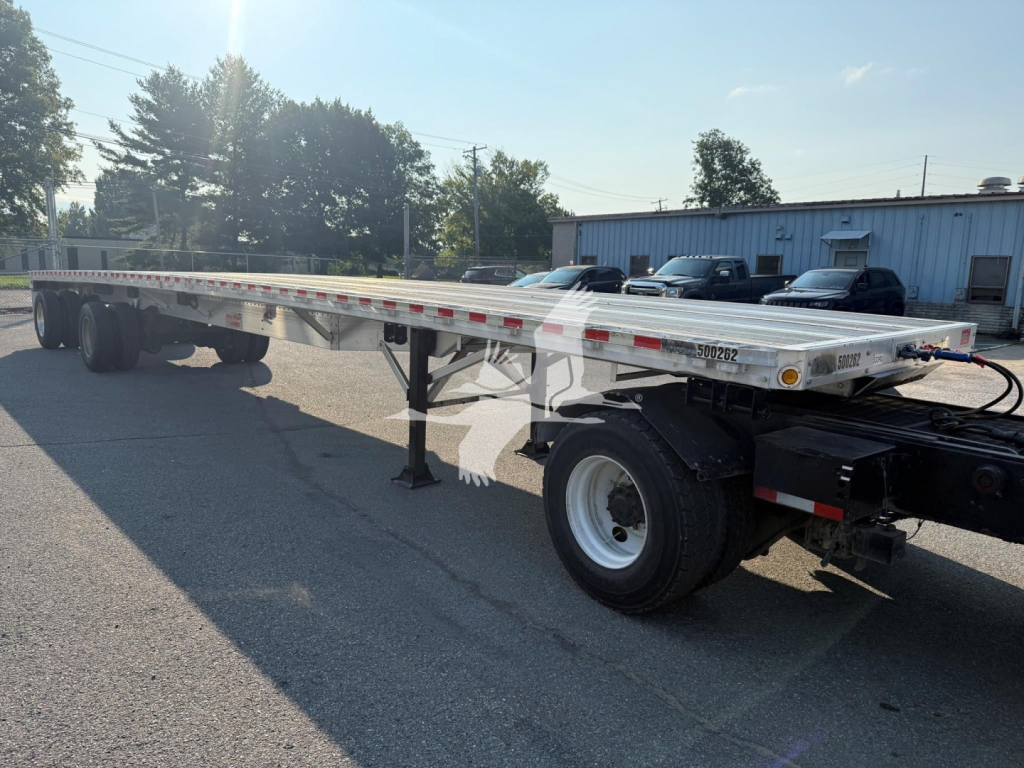
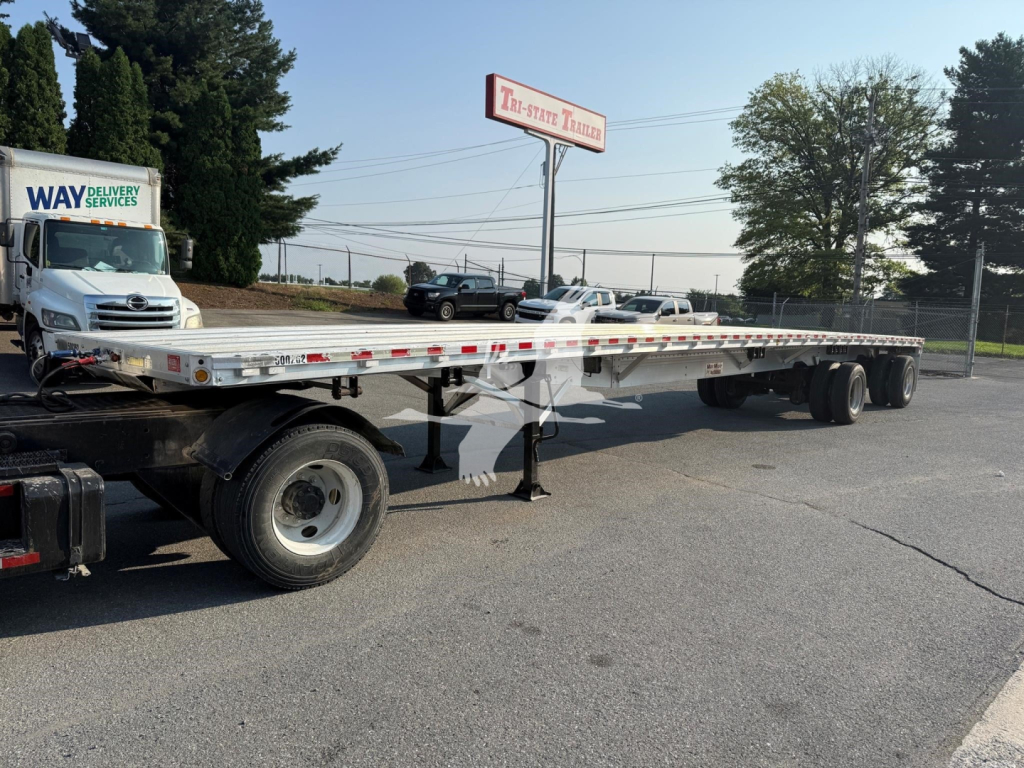
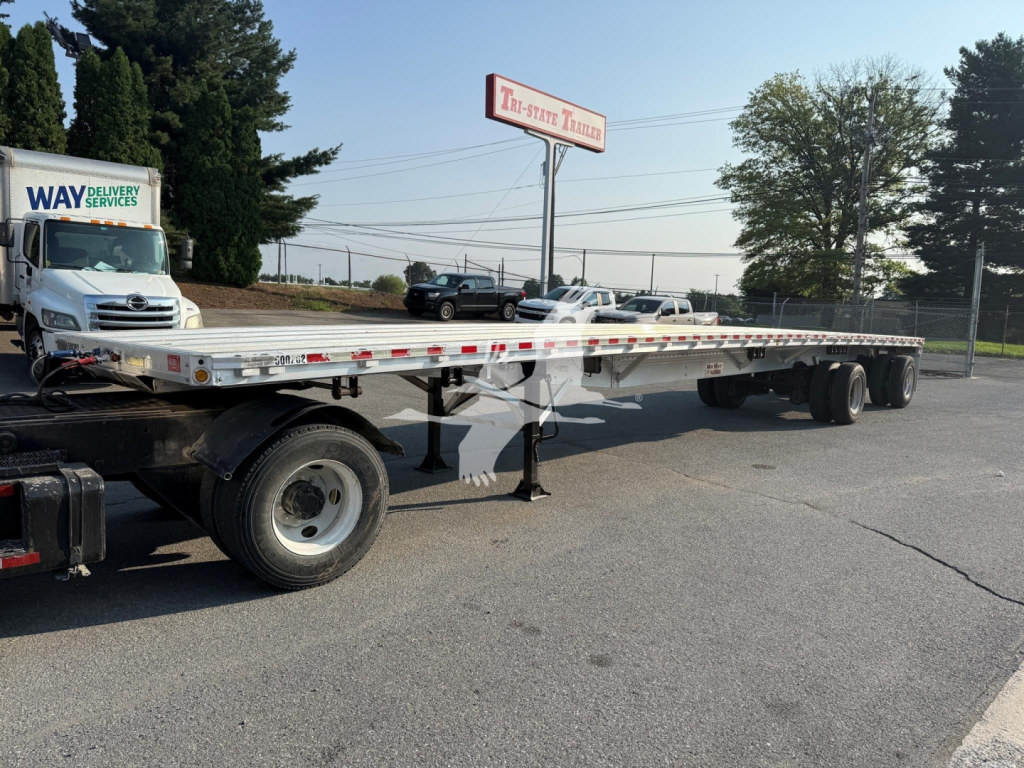
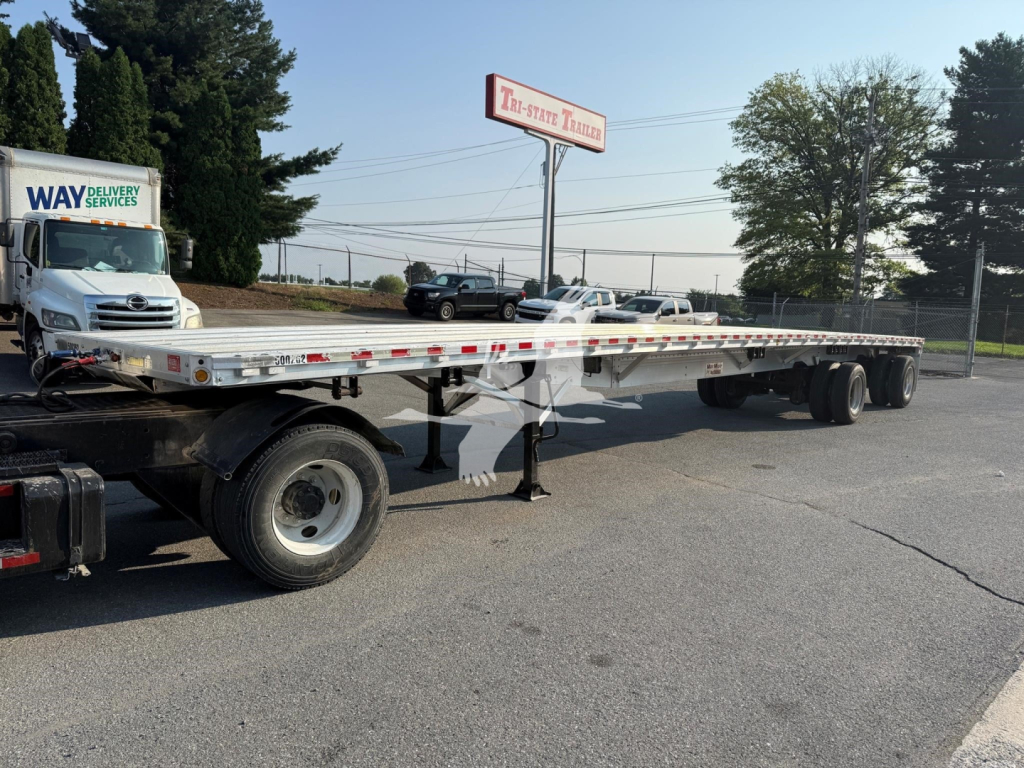
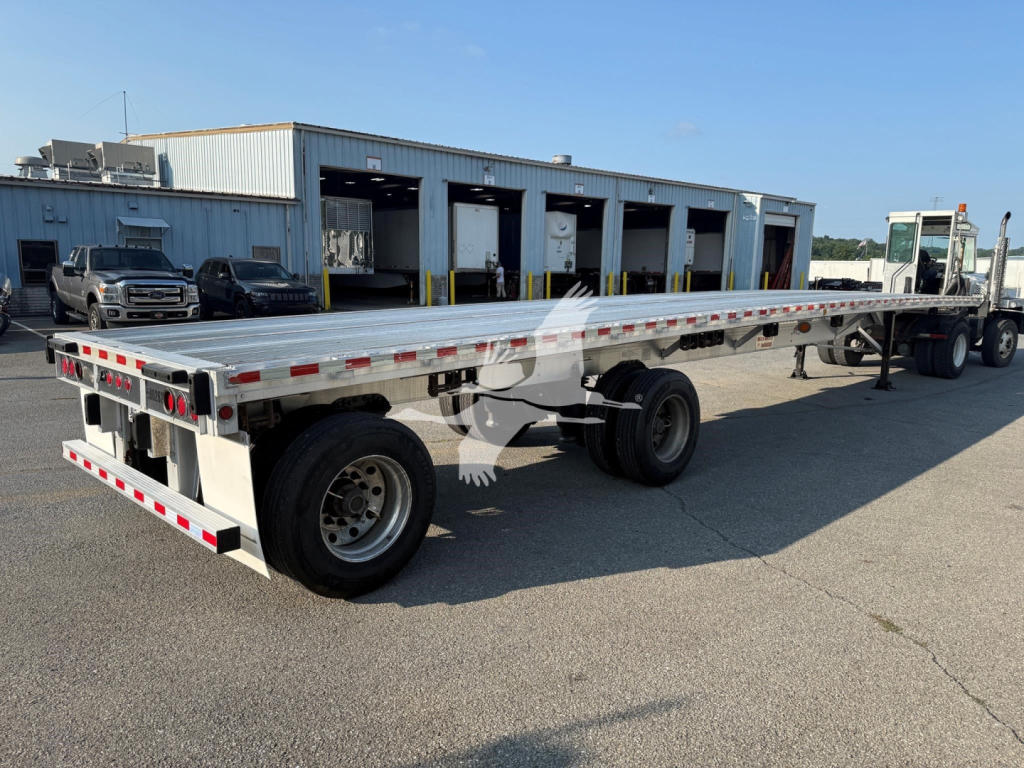
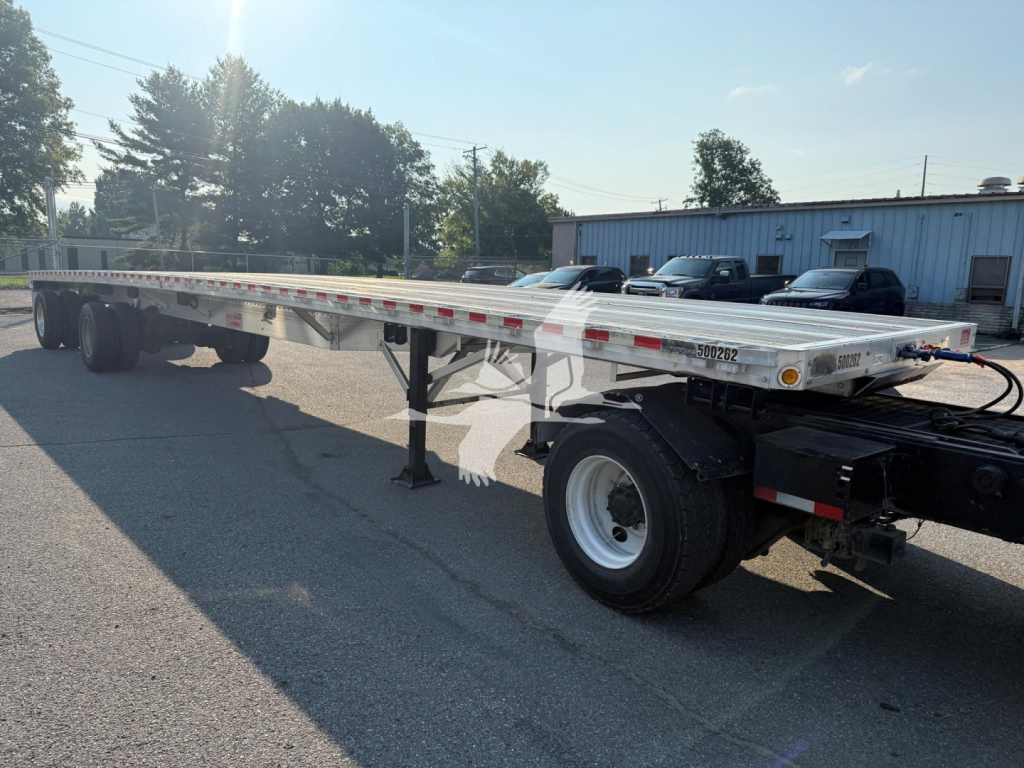
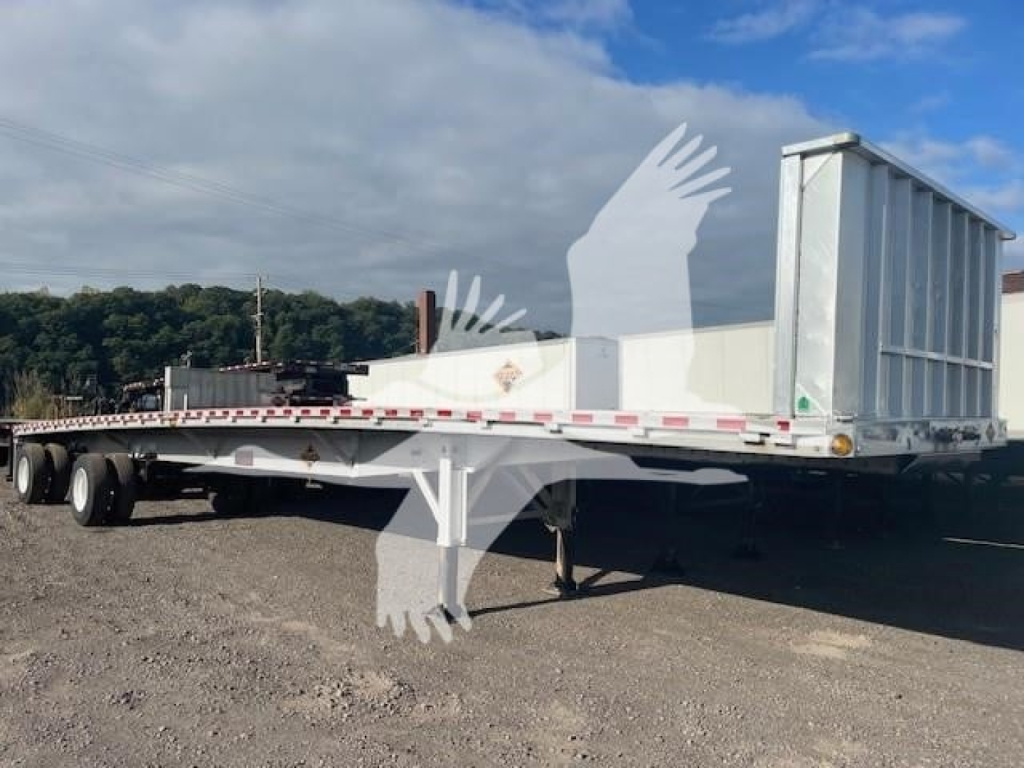
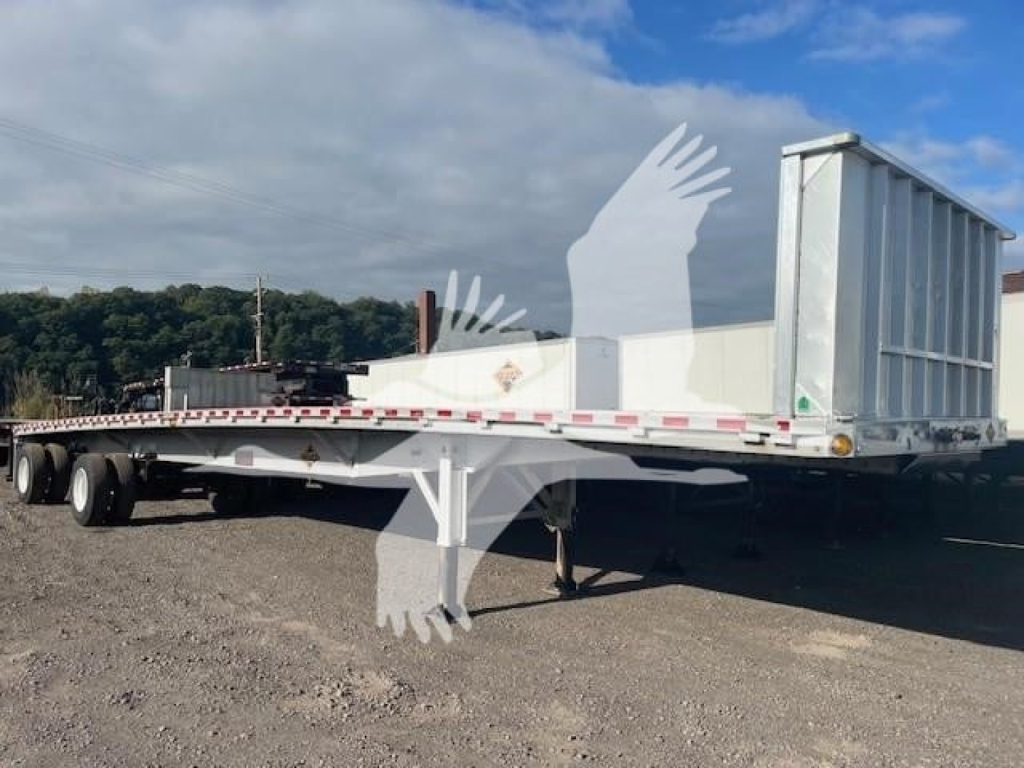
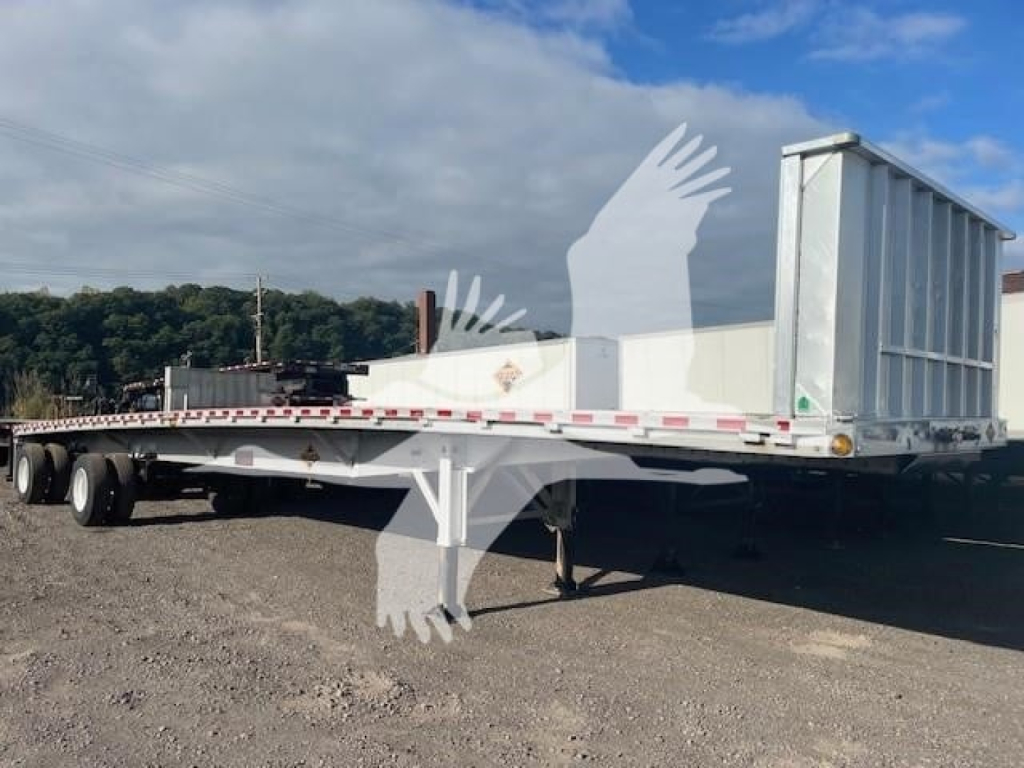
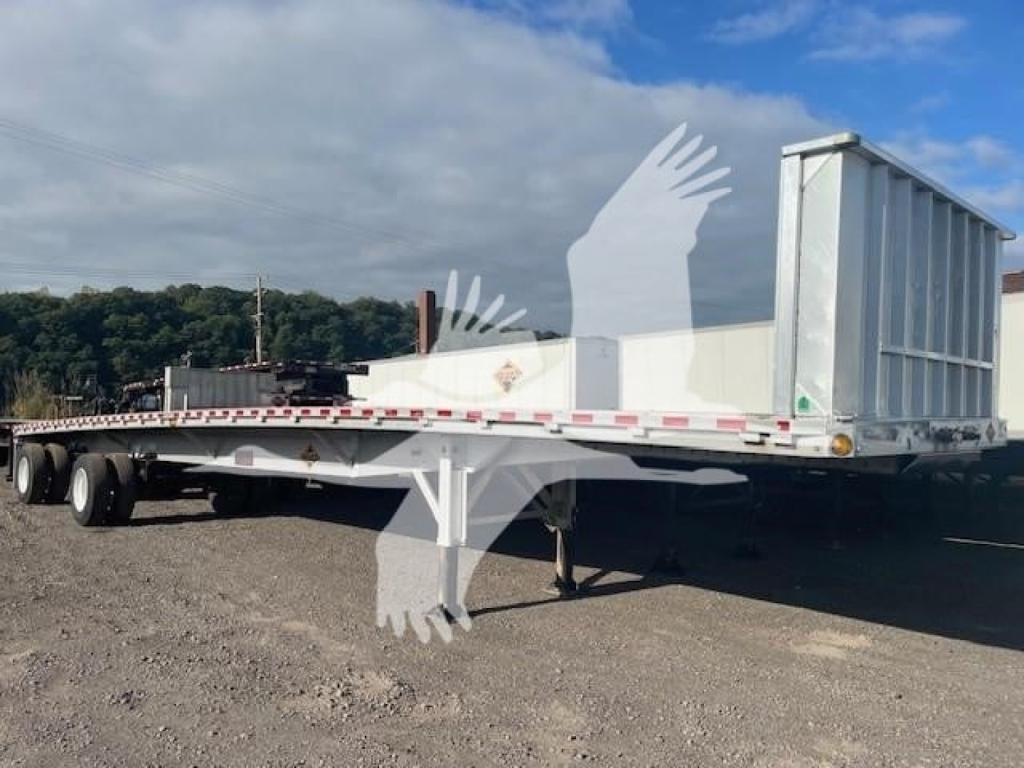
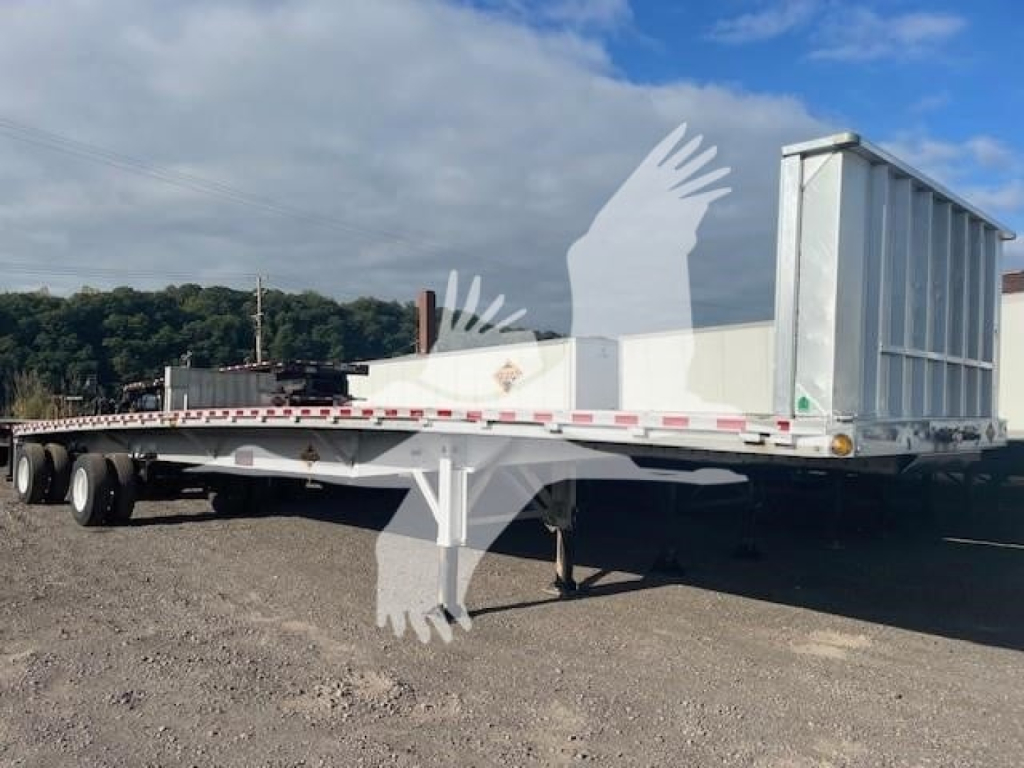
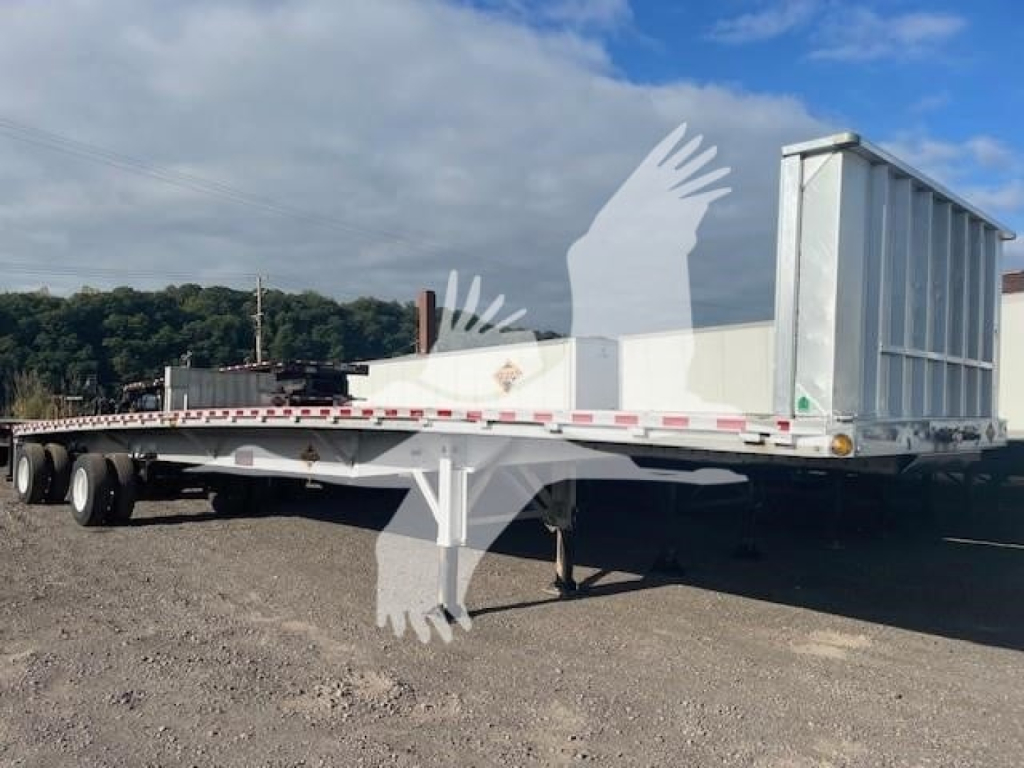
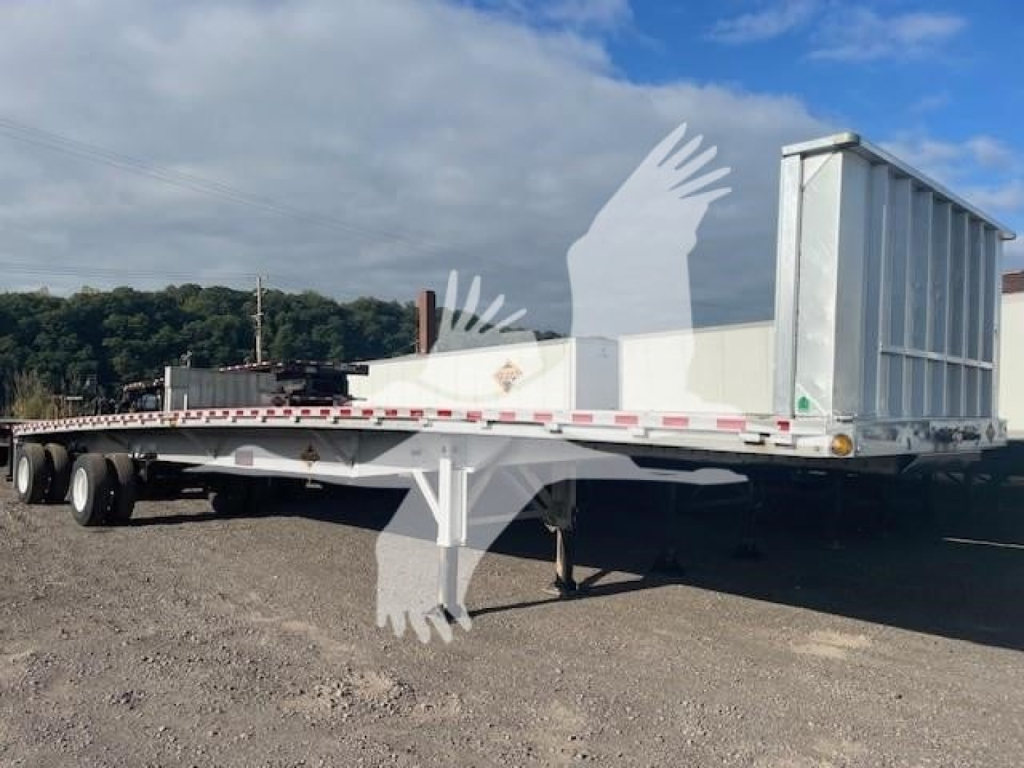
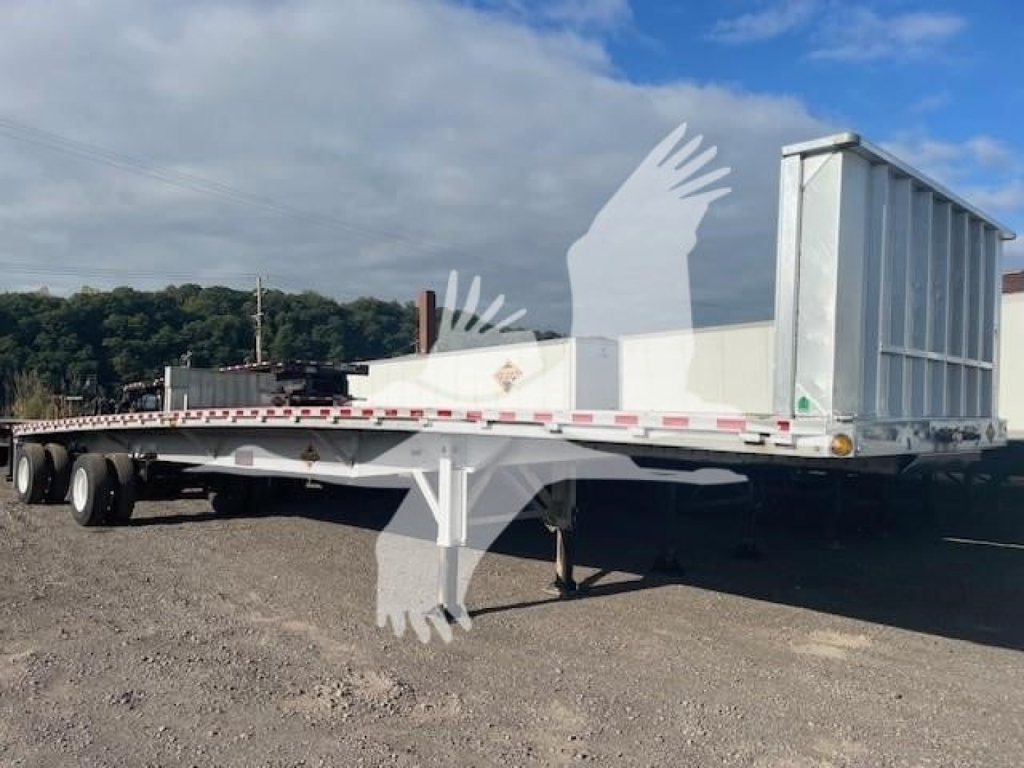
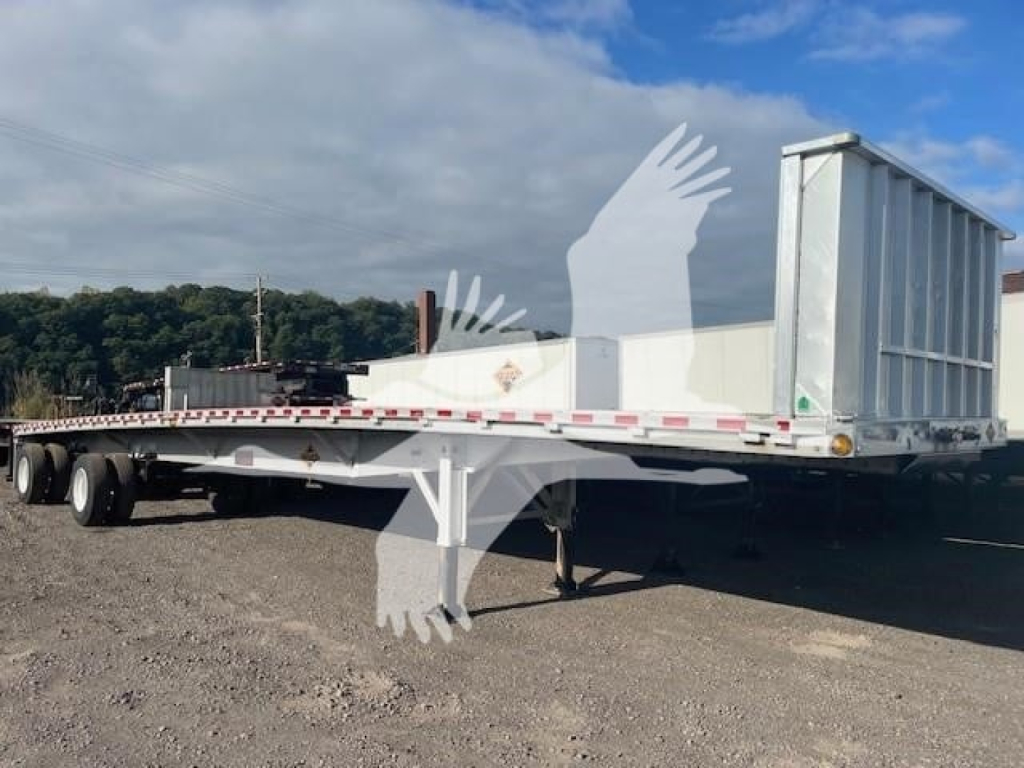
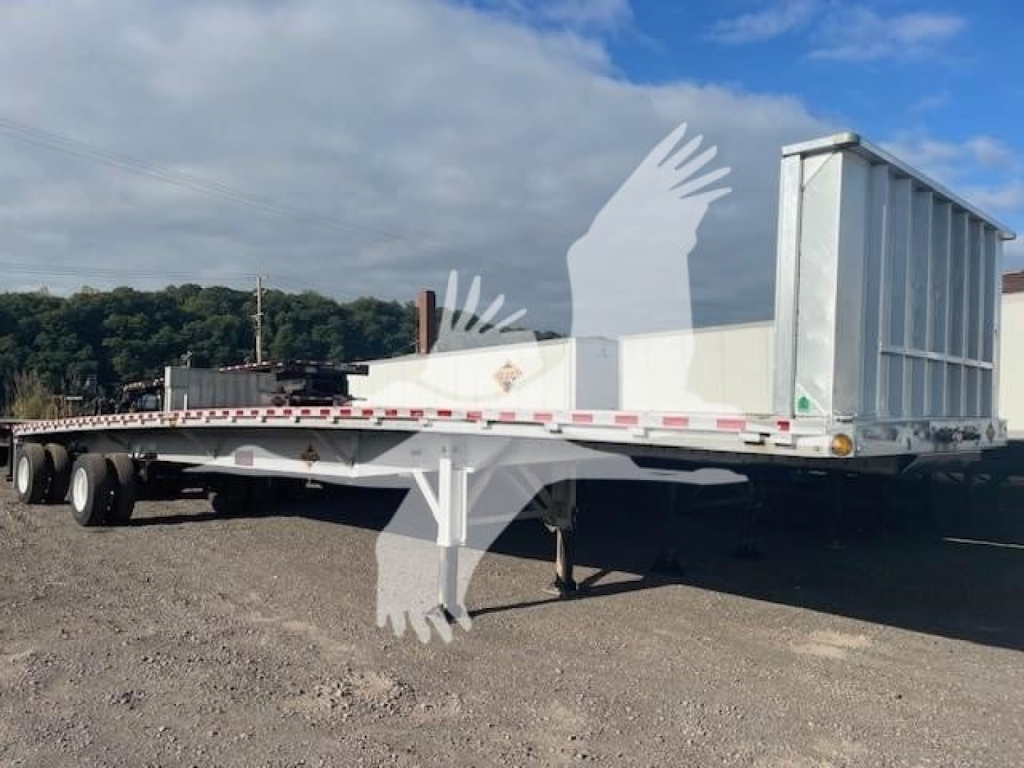
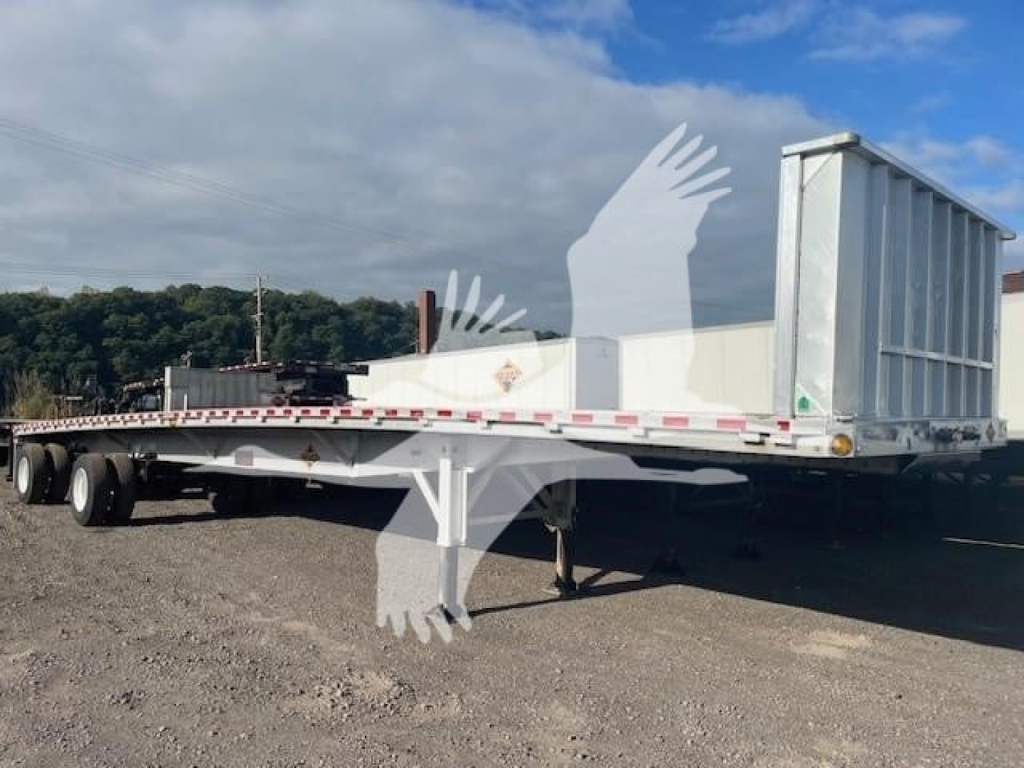
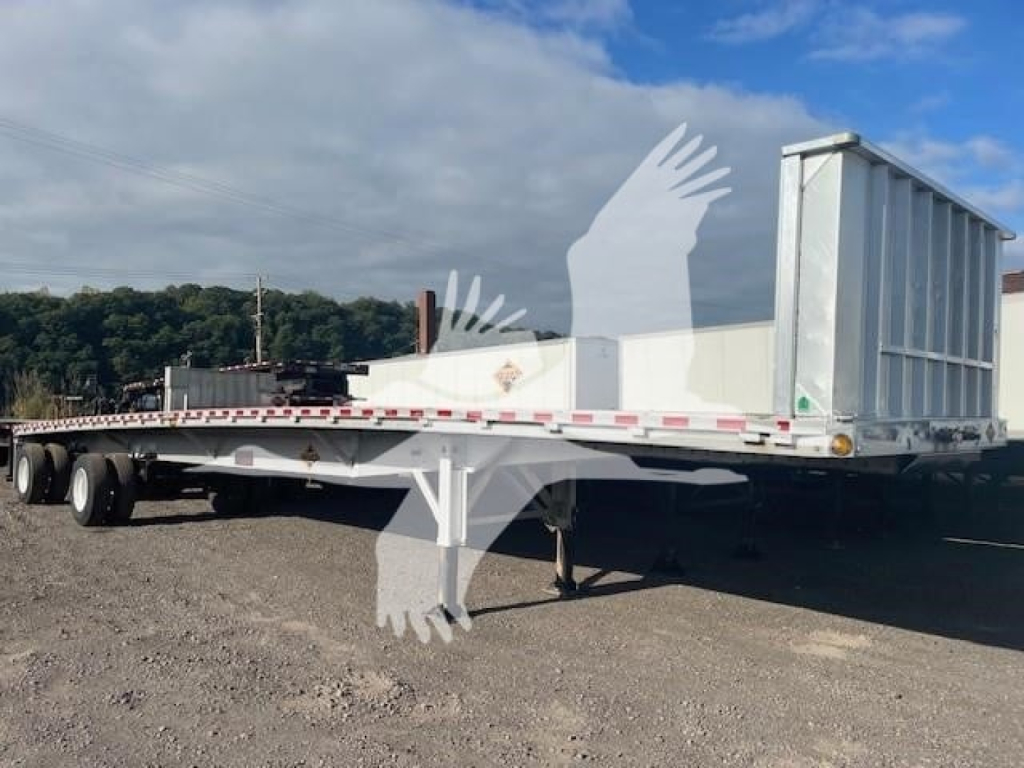
Showing 1 to 28 of 49 results
Selling a 2020 flatbed trailer? List your 2020 flatbed trailer for sale and reach thousands of commercial buyers.
2020 Flatbed Trailers in Pennsylvania
Spec details matter more on a flatbed than many buyers expect. Suspension type affects both ride quality and load protection, with air ride commonly preferred for more delicate freight and spring ride still found on straightforward commodity work. Sliding tandems give flexibility for bridge laws and axle scaling, while spread axles can improve stability and weight distribution but may limit maneuverability in tighter yards and older Northeast facilities. Buyers should also look closely at kingpin setting, crossmember spacing, beam rating, side rail design, winch track layout, number of sliding winches, coil package configuration, and whether the trailer has single or double pipe spools. Those details directly affect how easily the trailer fits your freight mix.
For Pennsylvania operations, floor condition, frame corrosion, and suspension wear deserve extra attention. Road salt and freeze-thaw cycles can accelerate rust on steel components, landing gear, crossmembers, rear structure, and light brackets. On used 2020 flatbeds, check the apitong floor for rot, soft spots, and fastener pull-through, especially near high-traffic forklift zones and at the rear. Inspect the side rails for chain damage, bent rub rail sections, and winch track wear. Tire size, wheel type, brake condition, and slider function should all be verified, particularly if the trailer has spent time in regional stop-and-go service.
A good 2020 flatbed trailer can cover a wide range of freight, including steel, lumber, machinery, building products, palletized freight, and certain coil loads when properly spec'd. Buyers comparing listings should match the trailer to the real work, not just the advertised length and width. A lightweight aluminum flatbed may be the right choice for payload-sensitive lanes, while a steel or heavy-duty model may be better suited for concentrated loads and rugged daily use. If your freight regularly changes, a general-purpose 48-foot flatbed with air ride, a coil package, adequate winches, and a slider setup usually offers the best balance of versatility and resale appeal.
Frequently Asked Questions about 2020 Flatbed Trailers in Pennsylvania
What should I look for first on a used 2020 flatbed trailer?
Start with structure, floor, suspension, and running gear. Check the main beams, crossmembers, side rails, and rear frame for cracks, corrosion, poor repairs, or bent sections. Inspect the apitong floor for rot, gouging, and loose fasteners. Verify brake condition, tire wear, wheel condition, and the operation of the slider if equipped. On a 2020 model, overall maintenance history often matters more than brand alone.
Is a steel, aluminum, or combo flatbed better for my operation?
It depends on freight type and payload priorities. Steel flatbeds are typically heavier but durable and often less expensive to purchase. Aluminum flatbeds reduce tare weight and help maximize legal payload, which matters on dense freight and long-haul lanes. Combo flatbeds balance durability and weight savings by using a steel frame with aluminum components. Buyers hauling machinery, steel products, or rough freight often lean toward steel or combo, while payload-sensitive carriers often prefer aluminum.
What is the difference between a sliding tandem and a spread axle flatbed?
A sliding tandem lets you adjust axle position to help with bridge law compliance and load distribution. That flexibility is useful in mixed freight operations and varied routing. A spread axle flatbed generally offers improved stability and weight spread, and it is common on specialized or heavier commodity work. The tradeoff is reduced maneuverability in tight spaces and, in some cases, added tire scrub during turns.
Do I need a coil package on a flatbed trailer?
If you haul steel coils or expect to bid coil freight, a coil package is highly desirable. A coil package usually includes reinforced floor structure and a coil well area designed to better support concentrated weight. Even if coil freight is only occasional, having that capability can improve trailer versatility and resale appeal. If your freight is limited to general building products, lumber, or machinery, it may be less critical.
Are 2020 flatbed trailers a good value in Pennsylvania?
Yes, if condition and spec match the intended work. A 2020 flatbed is new enough to include many current features such as LED lighting, air ride options, modern suspension designs, and common 48-foot by 102-inch dimensions, but old enough to offer a lower acquisition cost than newer units. In Pennsylvania, value depends heavily on corrosion exposure, floor condition, brake and tire life, and whether the trailer's axle and securement setup fit your freight and route requirements.