
New Eager Beaver Trailers For Sale in Ohio
Shop new Eager Beaver trailers for sale in Ohio, including tag and lowboy models built for heavy equipment hauling and jobsite durability.
Learn more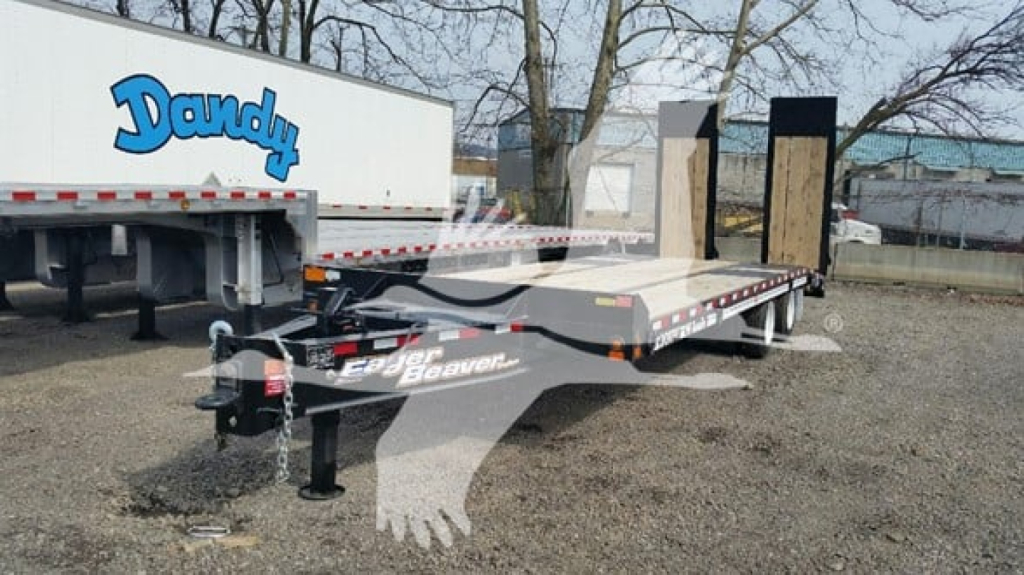
Showing 1 to 12 of 15 results
Have new eager beaver trailer to sell? List it here to reach thousands of buyers.
About New Eager Beaver Trailers in Ohio
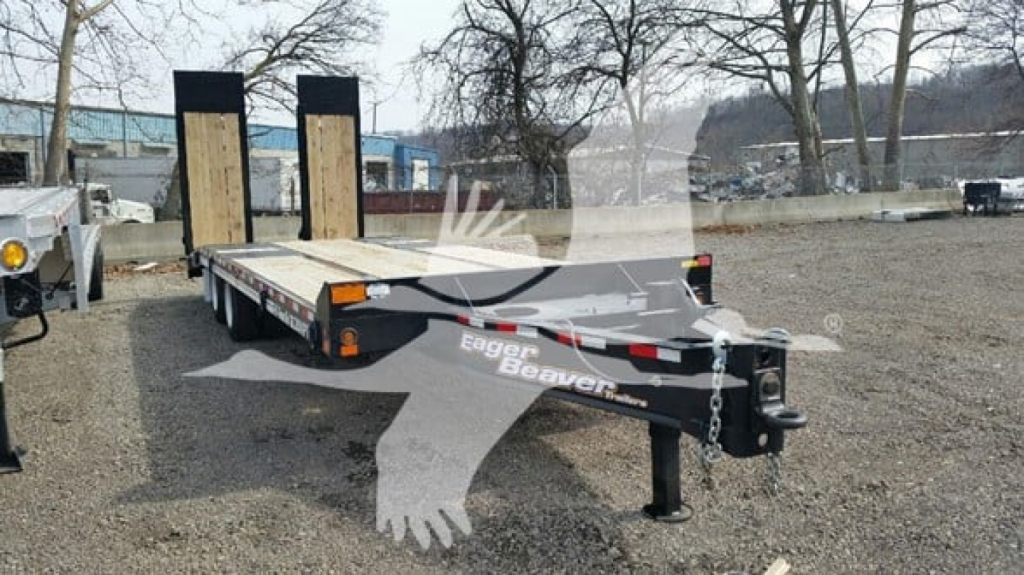
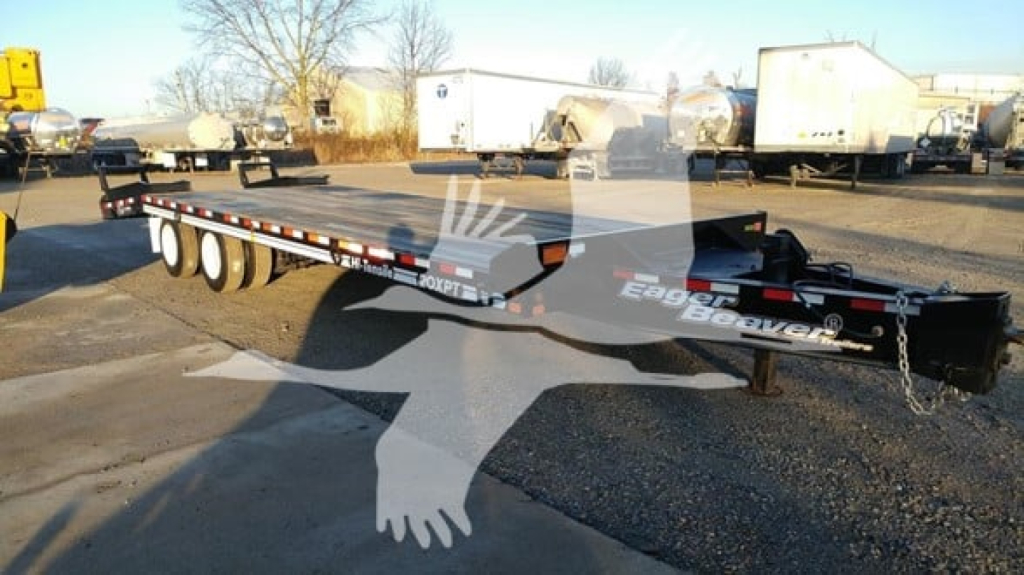
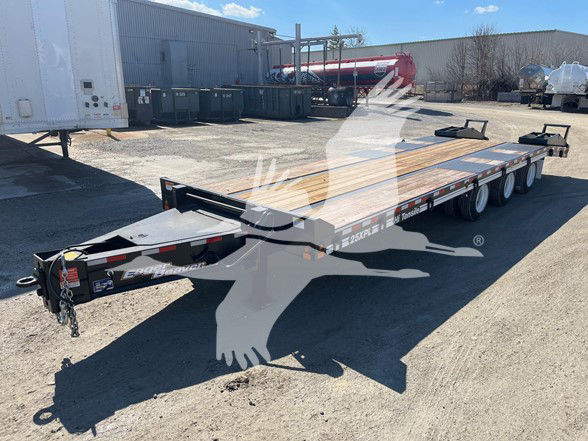
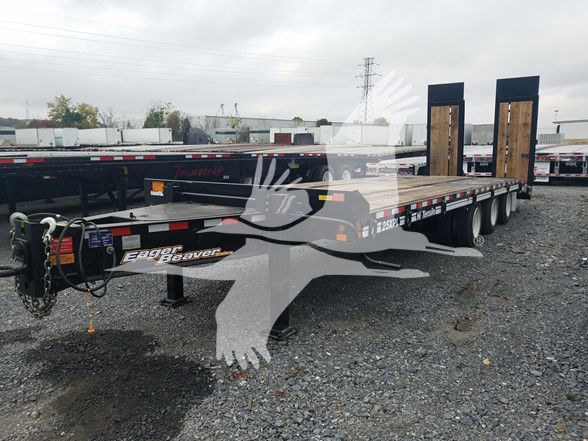
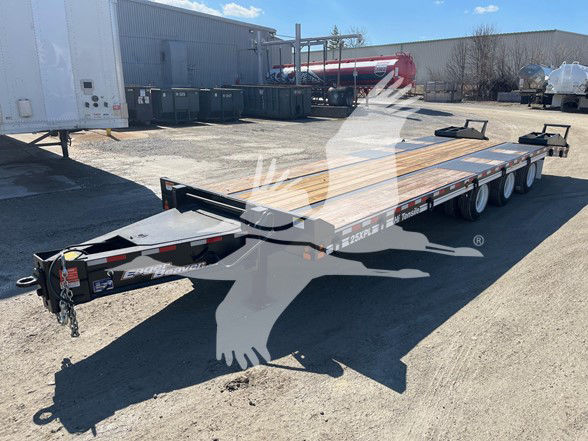
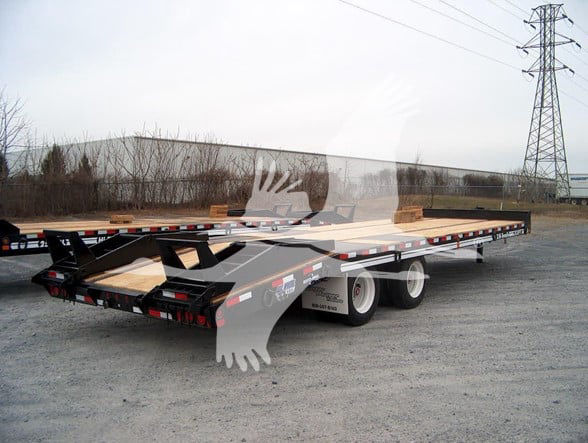
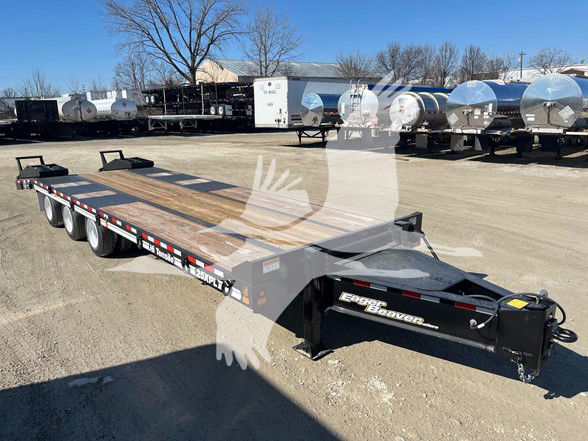
For tag and pintle-style trailers, deck layout matters as much as gross rating. Many Eager Beaver equipment trailers use a 102-inch wide deck, steel side rails, full-width bulkheads, Apitong wood flooring or mixed hardwood deck construction, and multiple pairs of D-rings for securement flexibility. Beavertails with spring-assist or angle-iron ramps are common, and load angle is a practical buying point if you haul low-clearance equipment like pavers, trenchers, or scissor lifts. A 6-foot beavertail with an 8-degree load angle is a typical setup in this category because it balances easy loading with a usable flat deck. Pintle-height adjustability, landing gear design, and toolbox or drawbar storage also make a difference for fleets that hook to different trucks or move daily between jobsites.
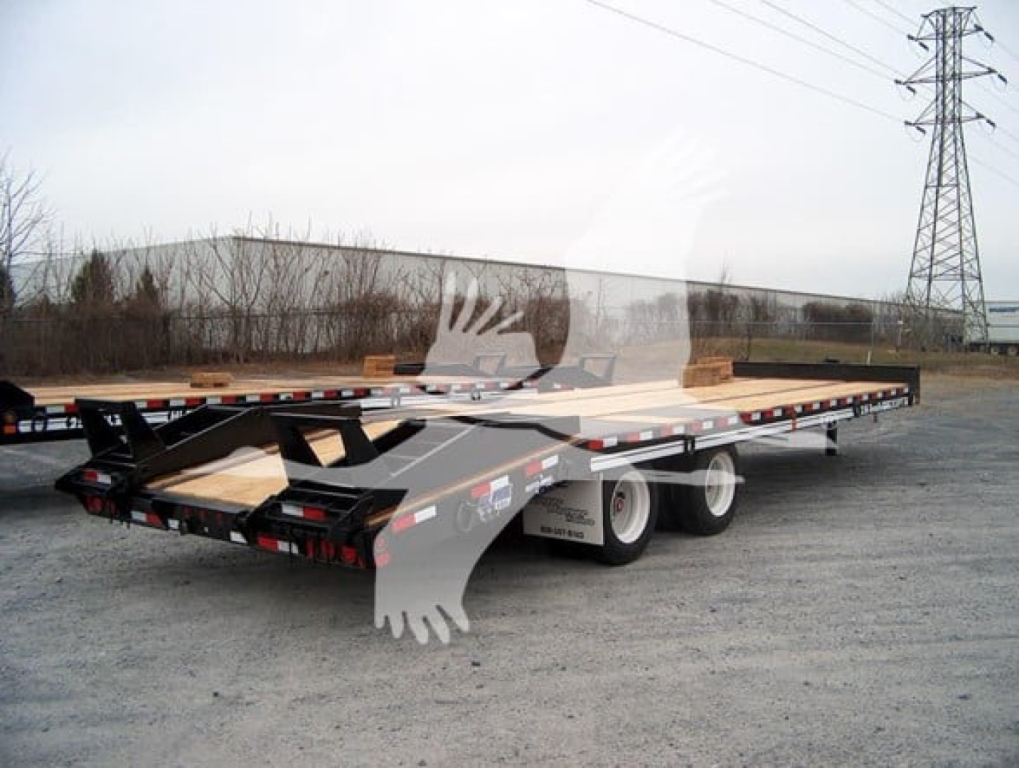
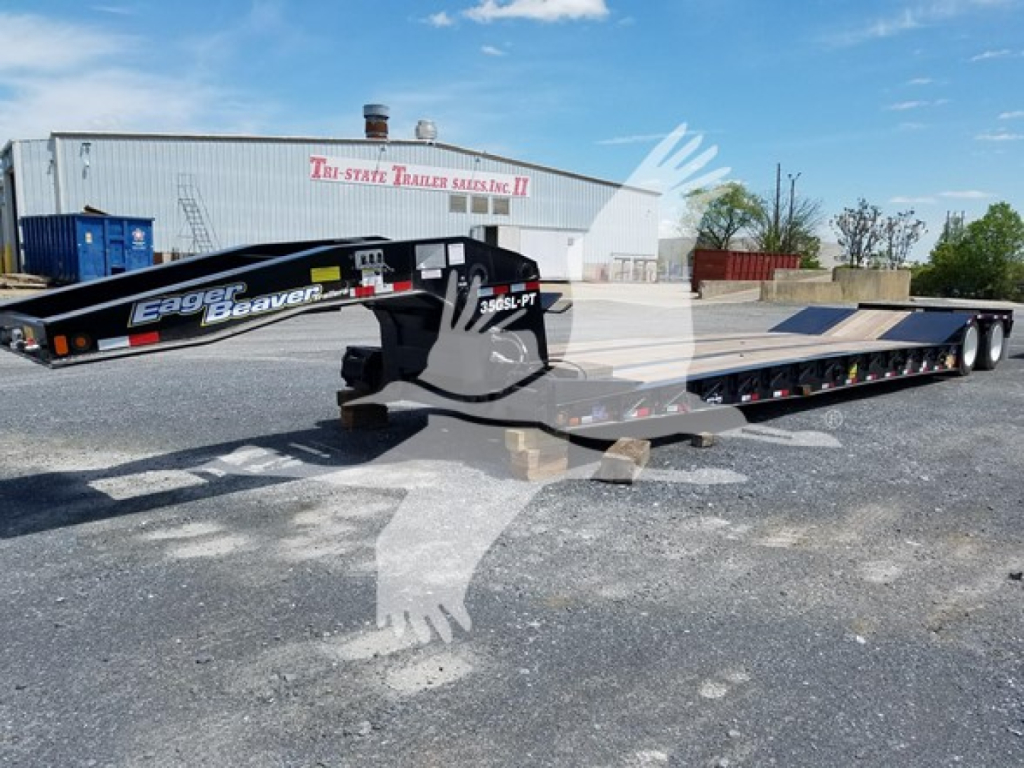
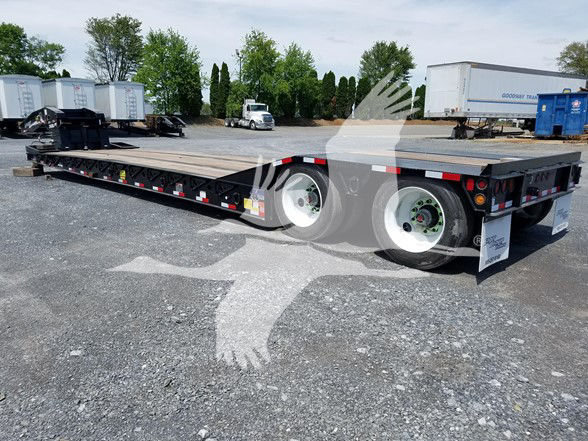
On heavier Eager Beaver lowboy trailers, the key decisions shift to deck height, gooseneck style, axle group, and suspension. Hydraulic detachable goosenecks are common on 50-ton class trailers because they speed up loading for tracked iron and reduce the need to climb aggressive ramps. Buyers should pay close attention to loaded fifth wheel height, kingpin setting, axle spacing, swing clearance, and main deck height, especially if the trailer will run under bridge restrictions or carry taller machines. Features like air ride suspension, lift axles, raise-and-lower valves, outriggers on close centers, mesh-center Apitong flooring, and ROTO D-rings are all worth comparing because they affect ride quality, securement options, and how well the trailer handles varying machine widths and concentrated loads.
In Ohio, trailer selection often comes down to a mix of legal hauling width, seasonal road conditions, and the type of contractor fleet using the trailer. Spring ride tag trailers remain popular for straightforward local moves and lower maintenance, while air ride and detachable lowboy setups are better suited for heavier cargo and more frequent road travel. Buyers looking at new Eager Beaver trailers should compare deck lengths, axle count, tire size, brake configuration, and ramp or neck style against the equipment they actually move most often. The right trailer in this category is the one that loads safely, secures efficiently, and matches both your truck and your permit profile without wasting payload.
Frequently Asked Questions
What is the difference between an Eager Beaver tag trailer and an Eager Beaver lowboy trailer?
An Eager Beaver tag trailer, also called a tag-along or pintle trailer, typically connects to a pintle hitch and uses a beavertail with ramps for loading. It is commonly used for medium-duty equipment such as skid steers, mini excavators, compact loaders, and rollers. An Eager Beaver lowboy trailer sits lower to the ground and is designed for heavier and taller machines that benefit from lower deck height and improved center of gravity. Lowboys are the better fit when hauling larger excavators, dozers, or other equipment that would be difficult to load or transport on a higher-deck tag trailer.
What capacity range is common for new Eager Beaver trailers?
Common capacities in this category include 20-ton and 25-ton tag trailers and 50-ton lowboy trailers, although exact ratings depend on axle configuration and model design. A 20-ton trailer is often suitable for smaller construction and rental fleet equipment, while a 25-ton trailer adds flexibility for heavier compact and mid-size machines. A 50-ton lowboy is built for substantially heavier hauling and usually includes features such as a hydraulic detachable gooseneck, air ride suspension, and a lower main deck for oversized equipment.
Why does deck height matter on an equipment trailer?
Deck height directly affects loading angle, equipment stability, and legal transport height. A lower deck makes it easier to load tracked and low-clearance machines and can help keep overall loaded height within route restrictions. On tag trailers, higher deck heights are common and are usually paired with a beavertail and ramps to reduce loading angle. On lowboy trailers, the lower main deck is a major advantage for hauling taller or heavier equipment that needs better clearance management and a lower center of gravity on the road.
What trailer features are most important for hauling construction equipment?
The most important features are capacity, deck length, deck height, ramp or gooseneck design, tie-down layout, axle configuration, and suspension type. Buyers should also pay attention to flooring material such as Apitong, the number and placement of D-rings, beavertail angle, lift axle availability, brake setup, and tire size. These details affect how safely the trailer loads, how easily equipment can be secured, and how well the trailer performs under repeated jobsite use. The best specification depends on the dimensions, weight, and ground clearance of the machines being hauled most often.
Is air ride or spring ride better on an Eager Beaver trailer?
Spring ride is a common choice on tag trailers because it is simple, durable, and generally easier to maintain in demanding local-service conditions. Air ride is often preferred on heavier lowboy applications because it can improve ride quality, help protect both trailer and cargo, and offer more flexibility with lift and dump functions depending on the suspension package. The better choice depends on payload, trip frequency, road conditions, and how much adjustment the operation needs during loading and hauling.