
New Eager Beaver Flatbed Trailers For Sale in Ohio
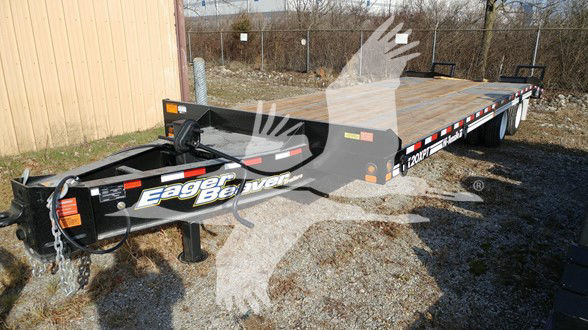
Have new eager beaver flatbed trailer to sell? List it here to reach thousands of buyers.
New Eager Beaver Flatbed Trailers in Ohio
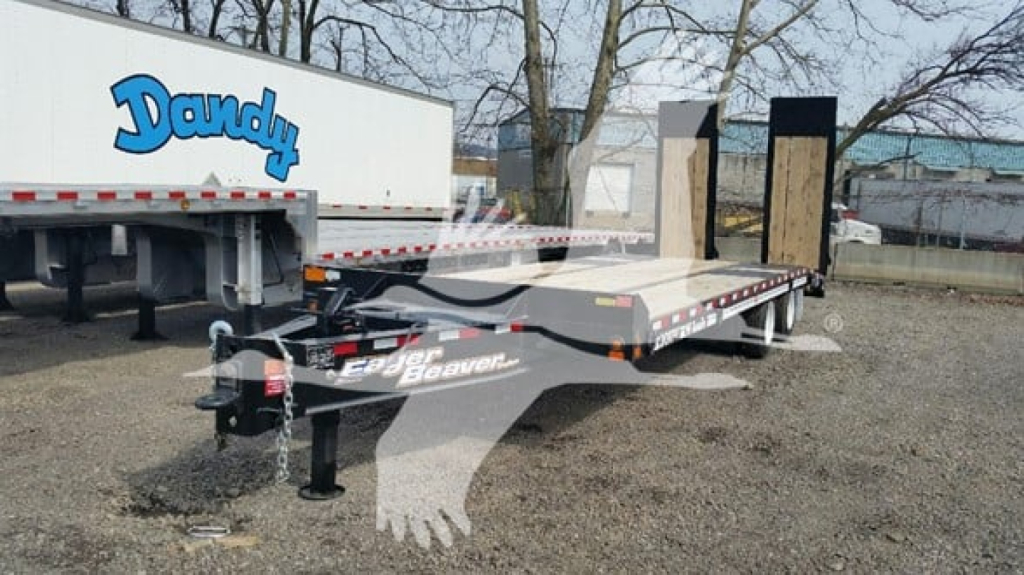
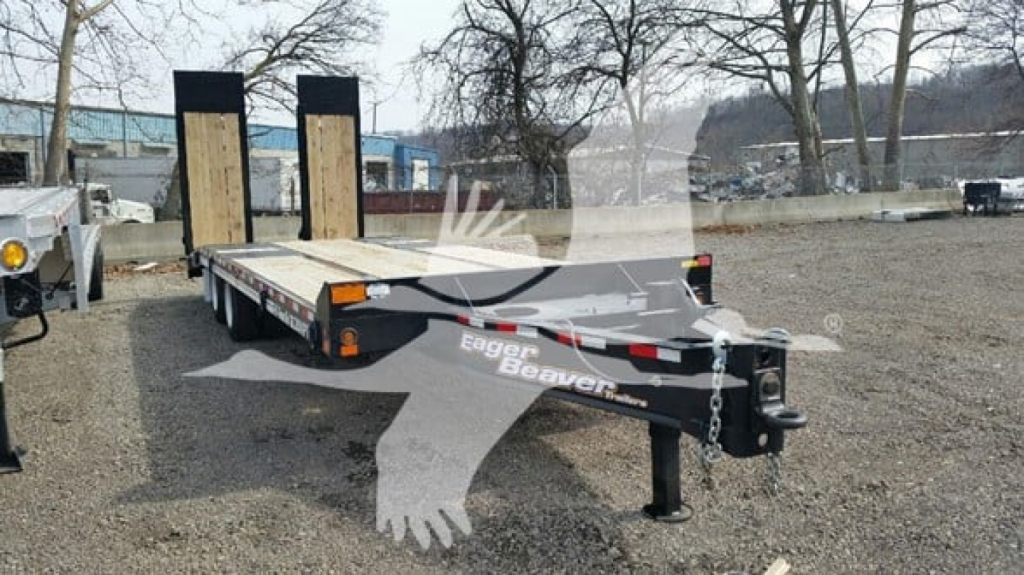
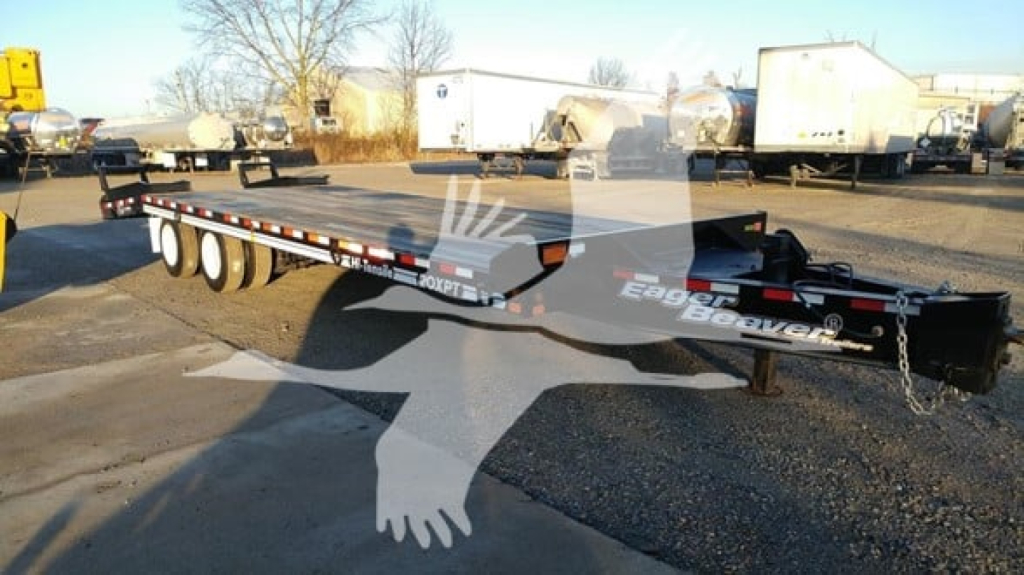
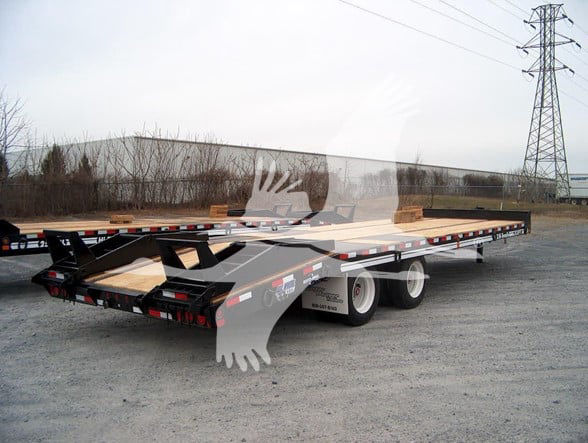
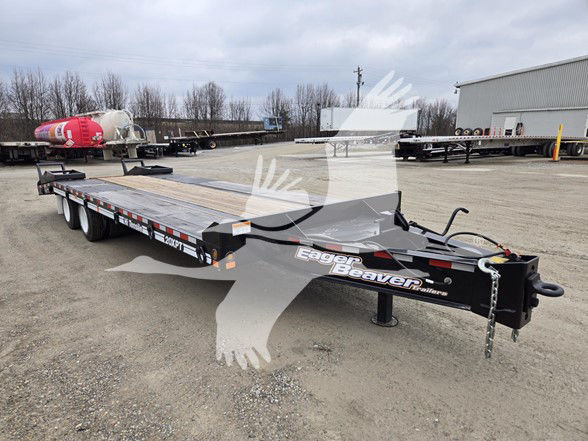
The first buying decision is usually ramp style. Eager Beaver models in this category often come with heavy-duty rear ramps, with configurations ranging from angle iron or wood-filled mechanical ramps to electric-hydraulic ramps. Hydraulic ramps save time and reduce operator effort, especially when the trailer is loaded and unloaded multiple times a day. Mechanical ramps are simpler and lighter, which can matter if payload and maintenance cost are higher priorities. An 8-degree load angle is common on these trailers, and that matters if you are loading lower-clearance machines that can hang up at the transition point.
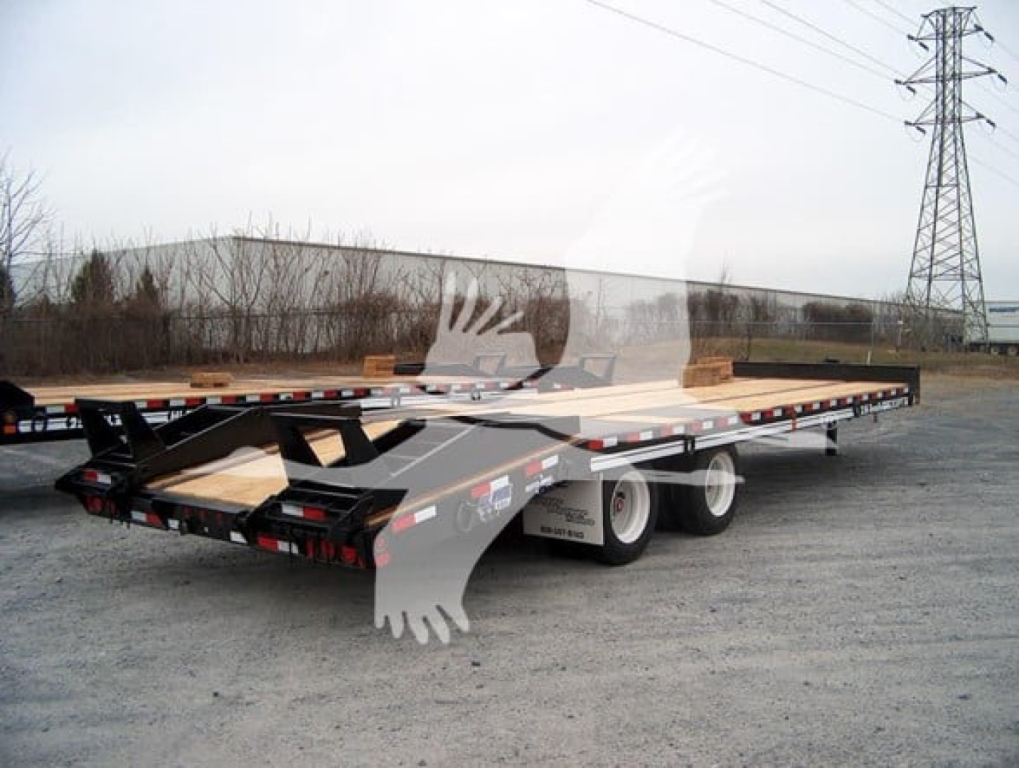
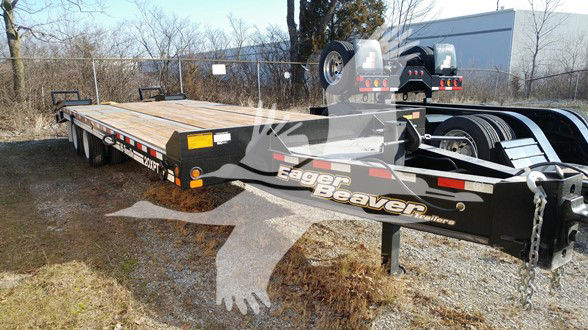
Construction details are important on an equipment flatbed, and Eager Beaver typically spec these trailers with steel side rails, a full-width steel bulkhead, lockable drawbar storage, and multiple pairs of D-rings for secure tie-down options. Flooring is often apitong or a mixed wood configuration, which is a practical choice for durability under steel tracks, attachments, and concentrated axle loads. Tandem spring ride suspensions, often with Hutchens components, are common in this size range, along with 17.5-inch tires, ABS, and spring brakes on all axles. Many buyers in Ohio and the surrounding Midwest look closely at brake spec, suspension durability, and deck flooring because these trailers see a lot of mixed pavement, jobsite mud, and seasonal weather.
A 20-ton Eager Beaver flatbed trailer is a strong fit for contractors, rental fleets, municipal users, and owner-operators hauling compact to mid-size equipment. When comparing listings, pay attention to empty weight, ramp type, deck material, suspension setting, and coupler height adjustability. Those details affect payload, loading speed, tow vehicle compatibility, and long-term service life more than the paint or model badge. If the trailer will spend most of its time moving machines rather than palletized freight, a purpose-built Eager Beaver equipment flatbed usually makes more sense than a standard straight-deck flatbed trailer.
Frequently Asked Questions about New Eager Beaver Flatbed Trailers in Ohio
What is the typical use for an Eager Beaver flatbed trailer in this size range?
These trailers are commonly used as equipment haulers for compact and medium construction machinery, agricultural equipment, utility units, and municipal fleet applications. The tag-style design, low deck height, beavertail, and heavy rear ramps make them better suited for loading machines than a standard freight flatbed. Buyers usually choose them for repeated loading and unloading where deck access and secure tie-down points matter more than maximum open deck length.
What should I compare first when shopping new Eager Beaver flatbed trailers?
Ramp style and actual deck configuration should be near the top of the list. A trailer with hydraulic ramps can improve loading speed and reduce operator fatigue, while mechanical ramps keep the trailer simpler and may save weight. After that, compare main deck length, beavertail length, empty weight, flooring type, tie-down layout, and coupler height range. Those items have a direct effect on how well the trailer matches your equipment and tow vehicle.
Are Eager Beaver flatbed trailers the same as standard flatbed trailers?
Not exactly. In many cases, these Eager Beaver flatbeds are closer to tag equipment trailers than over-the-road freight flats. They are built around hauling machines with features like a beavertail, loading ramps, pintle hook drawbar, and a lower deck profile. A standard freight flatbed is designed more for palletized or irregular cargo loaded by forklift or crane, while an equipment flatbed is designed around rolling cargo on and off the deck.
Why does deck height and load angle matter on a flatbed equipment trailer?
Deck height and load angle directly affect how easily equipment can be loaded without dragging or high-centering. A lower deck height and a shallow beavertail angle help machines with low ground clearance transition onto the trailer more smoothly. This is especially important for pavers, scissor lifts, sweepers, and some compact machines with attachments. A trailer that loads easily is usually safer and faster to use in the field.
What suspension and brake features are common on new Eager Beaver flatbed trailers?
Many new Eager Beaver trailers in this category use tandem spring ride suspensions with commercial-duty components, along with ABS and spring brakes on all axles. That setup is straightforward, durable, and familiar to most service shops. Buyers should still confirm axle ratings, tire size, suspension brand, and brake configuration because those details influence ride quality, parts availability, and how the trailer handles under concentrated equipment loads.