
New 2025 Eager Beaver Flatbed Trailers For Sale in Ohio
Have new 2025 eager beaver flatbed trailer to sell? List it here to reach thousands of buyers.
New 2025 Eager Beaver Flatbed Trailers in Ohio
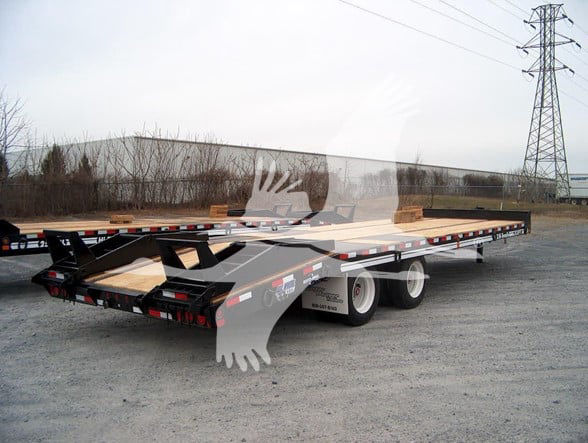
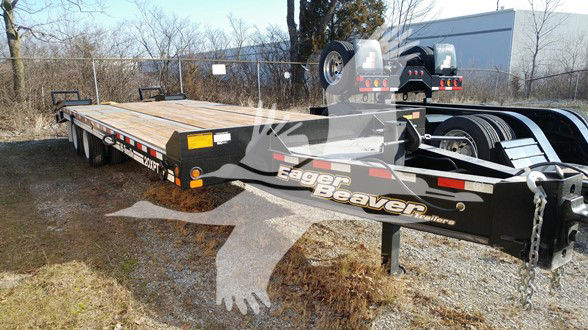
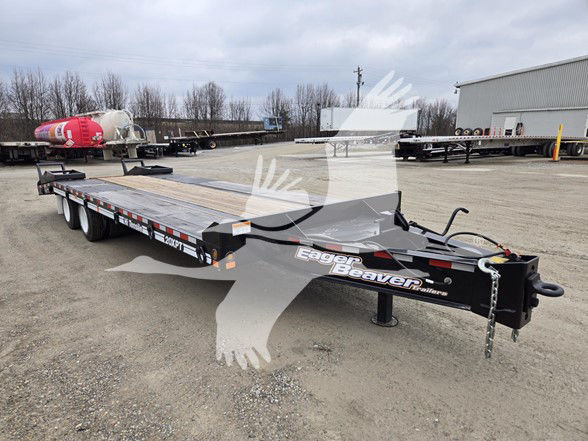
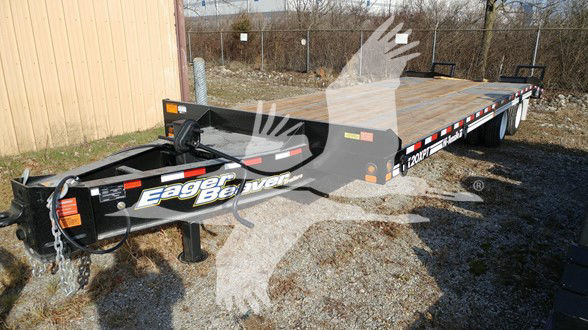
A major buying decision in this class is ramp configuration. Many Eager Beaver flatbed trailers use stand-up steel or wood-filled ramps, while others step up to electric-hydraulic ramps for faster loading and less driver effort. Buyers comparing units should pay close attention to deck height, beavertail length, and load angle because those three specs directly affect how easily low-clearance equipment can be loaded without dragging. On many models in this size range, a 34-foot overall length with about 21 feet of flat deck and a 6-foot beavertail is a common setup. A 20-ton rating is also typical for heavier tag-style flatbed trailers, which makes axle capacity, brake setup, and hitch height adjustment important points to verify before matching the trailer to the intended truck.
Flooring and tie-down design are just as important as rated capacity. Apitong decking is popular on equipment flatbeds because it holds up well under concentrated loads and repeated machine traffic. Many buyers also look for multiple pairs of D-rings, steel side rails, and a full-width front bulkhead to help secure cargo safely and efficiently. Suspension specs matter too. Spring ride tandem axle setups remain common in this segment because they are proven, serviceable, and well suited for jobsite use. Tire size, wheel type, ABS configuration, and spring brakes on all axles are worth reviewing closely, especially for fleets that expect regular road travel with heavier iron.
For Ohio buyers, these trailers are often a fit for paving crews, rental fleets, utility contractors, landscapers, municipalities, and farm operations that need a durable trailer behind a pintle-equipped truck. Also known in many applications as an equipment trailer or tag trailer, this category is less about maximizing pallet count and more about safe loading, dependable structure, and long-term durability. The best unit for the job usually comes down to matching the ramp style, deck construction, hitch arrangement, and weight rating to the equipment being hauled every day.
Frequently Asked Questions about New 2025 Eager Beaver Flatbed Trailers in Ohio
What are Eager Beaver flatbed trailers most commonly used for?
Eager Beaver flatbed trailers in this class are most commonly used for hauling construction and utility equipment such as skid steers, mini excavators, trenchers, rollers, small dozers, and tractors. Many are configured as tag trailers with a beavertail and loading ramps, which makes them especially useful for operations that load and unload self-propelled equipment at jobsites instead of handling palletized freight.
What should I look at first when comparing a new 2025 Eager Beaver flatbed trailer?
Start with capacity, deck layout, and loading geometry. A buyer should confirm the trailer’s weight rating, overall length, usable flat deck length, deck height, beavertail length, and ramp type before looking at secondary features. Those specs determine whether the trailer can safely carry the machine, whether the machine fits on the deck with correct weight distribution, and whether it can be loaded without clearance problems.
Are hydraulic ramps worth it on a flatbed equipment trailer?
Hydraulic ramps are often worth the added cost for fleets that load heavy equipment frequently. They reduce manual handling, speed up loading and unloading, and can improve operator safety compared with lifting and setting heavy stand-up ramps by hand. They are especially valuable when the same trailer is used several times a day or by multiple drivers with different levels of experience.
Why is Apitong flooring common on equipment flatbed trailers?
Apitong is widely used because it offers strong wear resistance and holds up well under repeated loading from steel tracks, rubber tracks, and heavy tires. It is a practical choice for equipment trailers because it balances durability, repairability, and traction better than many lighter-duty wood floor options. For buyers expecting hard jobsite use, floor material is a real durability issue, not just a cosmetic detail.
What hitch and brake features are common on this type of flatbed trailer?
Many Eager Beaver trailers in this category use a pintle-style hitch with adjustable height to match different truck setups. Buyers will also commonly see tandem axles, electric or air-actuated brake systems depending on configuration, ABS, and spring brakes on all axles. These features matter because proper truck-to-trailer matching affects ride height, braking performance, and overall stability when hauling heavier equipment.