
Used Dump Trailers For Sale in Colorado
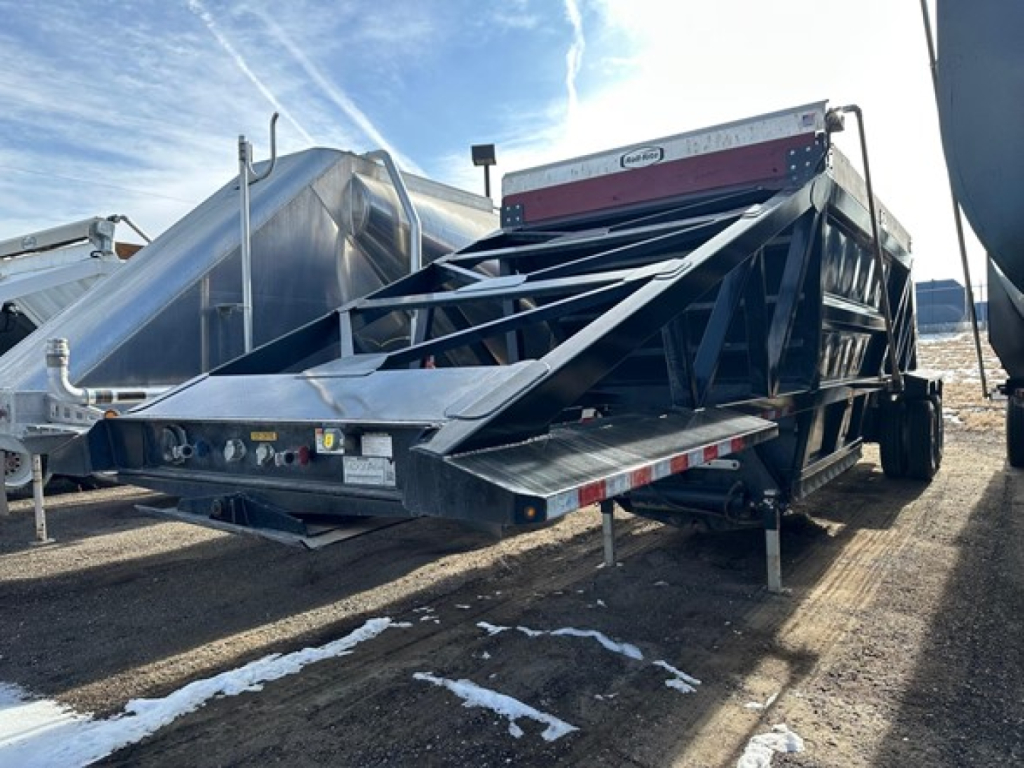
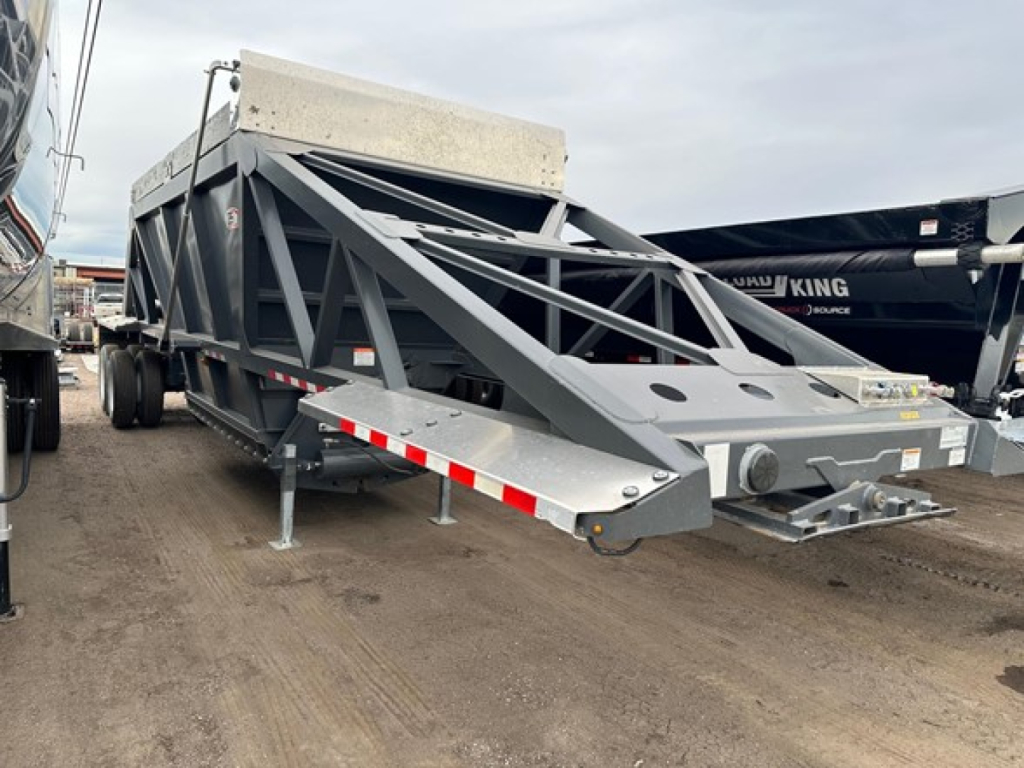
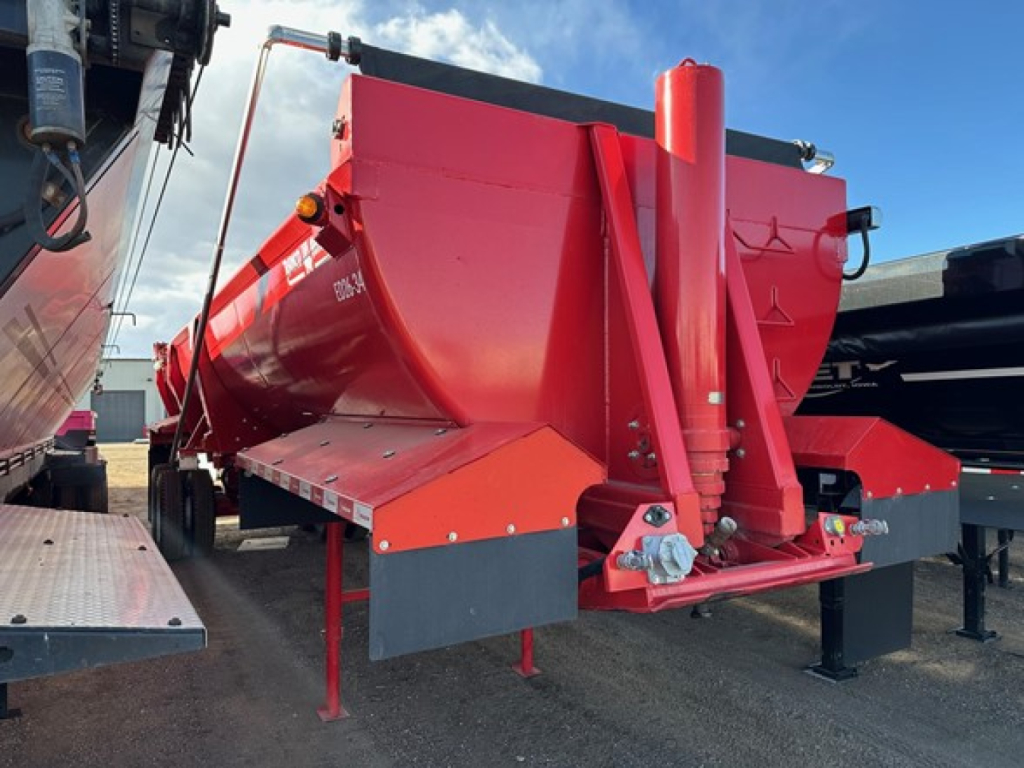
Shop used dump trailers in Colorado, including end dump, side dump, and bottom dump models for aggregate, paving, excavation, and hauling.
Learn more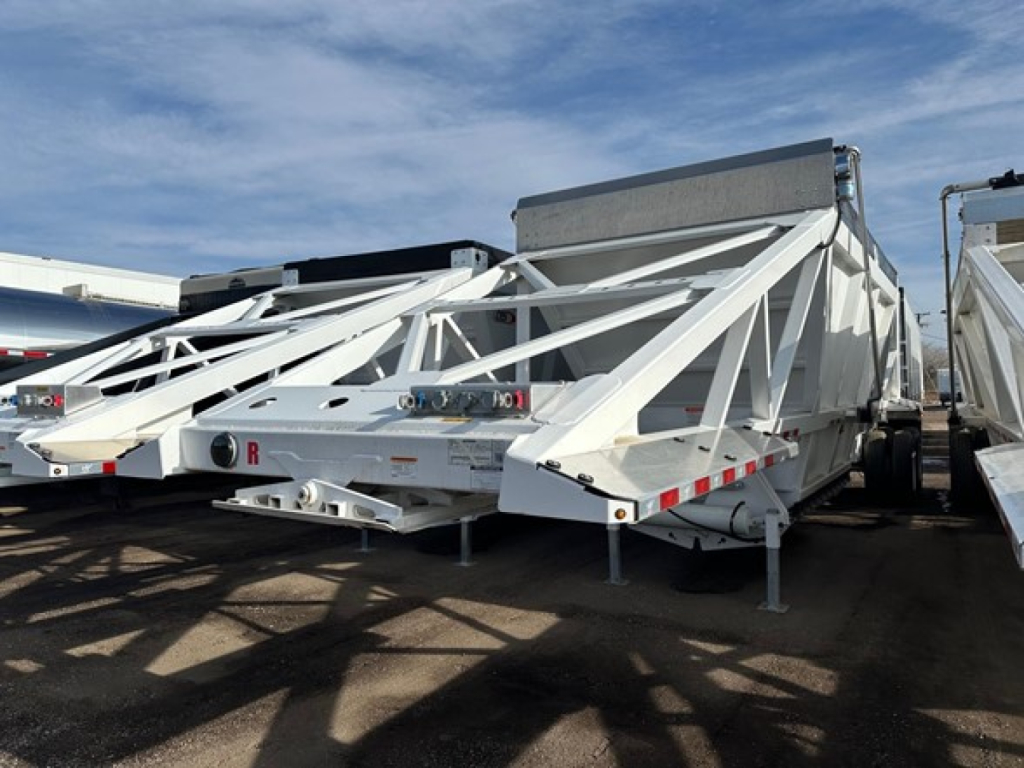
Showing 25 to 28 of 28 results
Have used dump trailer to sell? List it here to reach thousands of buyers.
About Used Dump Trailers in Colorado
Construction in Colorado puts real demands on a dump trailer. Mountain grades, changing weather, and a mix of highway miles and off-road access make tare weight, suspension, and body material important buying points. Aluminum bodies help maximize payload, while steel and AR400 tubs hold up better in abrasive rock and demolition work. Frameless designs are common on end dumps because they reduce weight and increase cubic capacity, but they also place more importance on tractor spec, fifth wheel height, and operating discipline. Buyers should pay close attention to body style, tub shape, side wall design, gate configuration, and tarp system because those details affect clean-out, cycle time, and legal payload every day.
A used dump trailer should be evaluated around the high-stress areas first. On end dumps, inspect the hoist, hinge points, draft arms, crossmembers, kingpin plate, and upper rail structure. On side dumps, look closely at the hydraulic cylinders, pivot points, suspension alignment, and tub cracking near high-load zones. On bottom dumps, gate seals, linkage wear, air or hydraulic gate controls, and hopper condition can tell you a lot about remaining service life. Tire size, brake condition, lift axles, wheel type, scissor hoist or telescopic hoist setup, and suspension type all affect operating cost. Air ride is popular for ride quality and cargo control, while spring suspension still appeals in severe-duty work. In Colorado, fenders, tarp systems, liner condition, and corrosion around the understructure are worth a close look because road treatment chemicals, mud, and freeze-thaw cycles can accelerate wear.
The best used dump trailers are matched to the commodity first and the route second. A lightweight bottom dump may be ideal for long haul aggregate and road work, while a rock-spec steel end dump is better suited to demolition debris and quarry service. Side dumps fit contractors who need fast unload times and better stability on soft or uneven terrain. Capacity is only part of the equation. Buyers should also confirm axle spacing, kingpin setting, overall length, gate style, and empty weight so the trailer works legally with the intended tractor and within Colorado bridge and road restrictions.
Frequently Asked Questions
What is the difference between an end dump, side dump, and bottom dump trailer?
An end dump trailer unloads out the rear by raising the body with a hydraulic hoist. It is widely used for aggregate, scrap, demolition debris, and bulk materials that need full discharge. A side dump trailer discharges to the side from one or both tubs and is valued for fast unloading and better stability on uneven jobsites. A bottom dump, also called a belly dump, releases material through gates underneath the trailer and is preferred for controlled spreading in road building, shoulder work, and base material placement.
What should I inspect first on a used dump trailer?
Start with the structure and the dump system. Check the kingpin plate, frame or frameless body structure, crossmembers, suspension hangers, and axle alignment for cracks, repairs, or signs of overloading. Then inspect the hoist or cylinders, hinge points, gates, tarp system, and hydraulic or pneumatic controls. Uneven tire wear, tub distortion, leaking cylinders, and cracked welds around stress points can reveal expensive issues faster than cosmetic condition will.
Is aluminum or steel better for a dump trailer?
Aluminum dump trailers usually weigh less, which helps increase legal payload and fuel efficiency. They are common in aggregate and longer-haul applications where weight savings matter. Steel trailers generally offer better resistance to impact and abrasion, especially in rock, demolition, and severe-duty service. The better choice depends on the commodity. Sharp, abrasive, or oversized material usually favors steel or AR400 wear surfaces, while cleaner bulk material often supports an aluminum body.
Are frameless dump trailers a good choice for Colorado hauling?
Frameless dump trailers can be an excellent choice when payload and cubic capacity are priorities, and they are common in end dump applications. They reduce trailer weight, but they transfer more operating demand to the tractor and the driver, especially on uneven ground or during off-camber dumps. In Colorado, where routes can include mountain grades, soft shoulders, and changing weather, a frameless trailer should be matched carefully to tractor wheelbase, fifth wheel height, suspension, and the type of work being done.
What specs matter most when choosing a used dump trailer for road construction or aggregate work?
Capacity, empty weight, body material, axle configuration, and gate style are the core specs. For road construction, bottom dump trailers often need precise gate control, proper hopper design, and dependable tarp systems to support paving and spreading operations. For aggregate and quarry work, buyers usually focus on tub durability, suspension, hoist design, and tire and brake condition. Overall length, kingpin setting, and axle spacing also matter because they affect bridge law compliance, turning radius, and compatibility with the tractor.