
Used Load King Dump Trailers For Sale in Colorado
Used Load King dump trailers for sale in Colorado, including frameless rock end dumps with steel tubs, tarp systems, high-lift gates, and common spec details.
Selling a used load king dump trailer? List your used load king dump trailer for sale and reach thousands of commercial buyers.
Used Load King Dump Trailers in Colorado
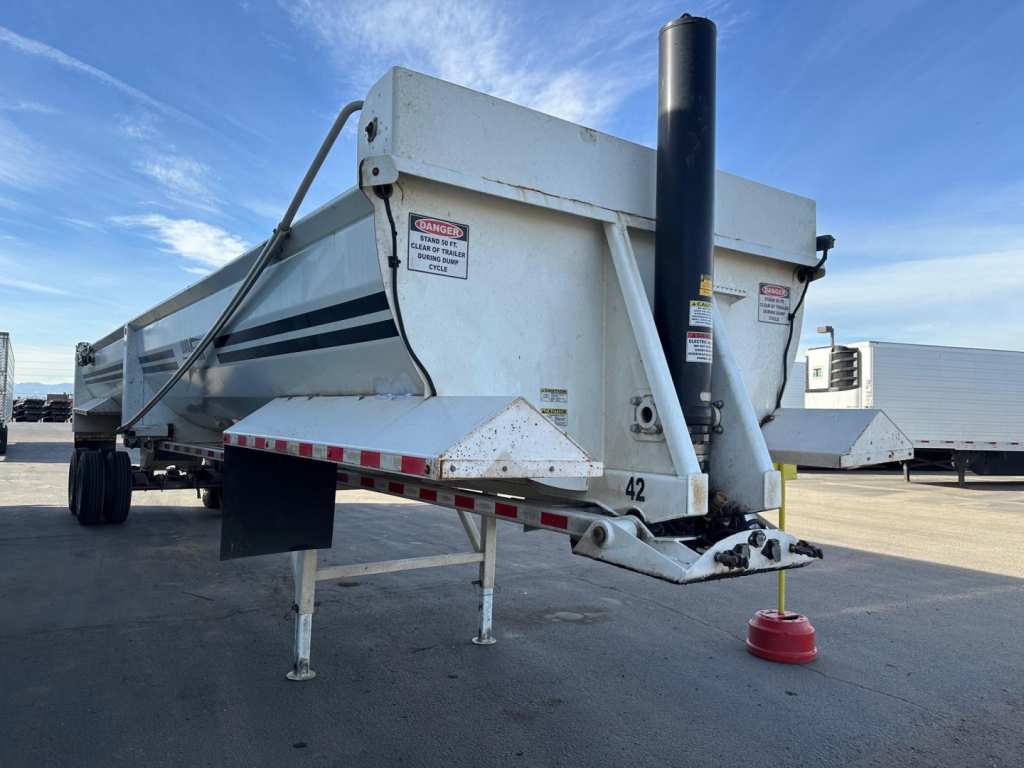
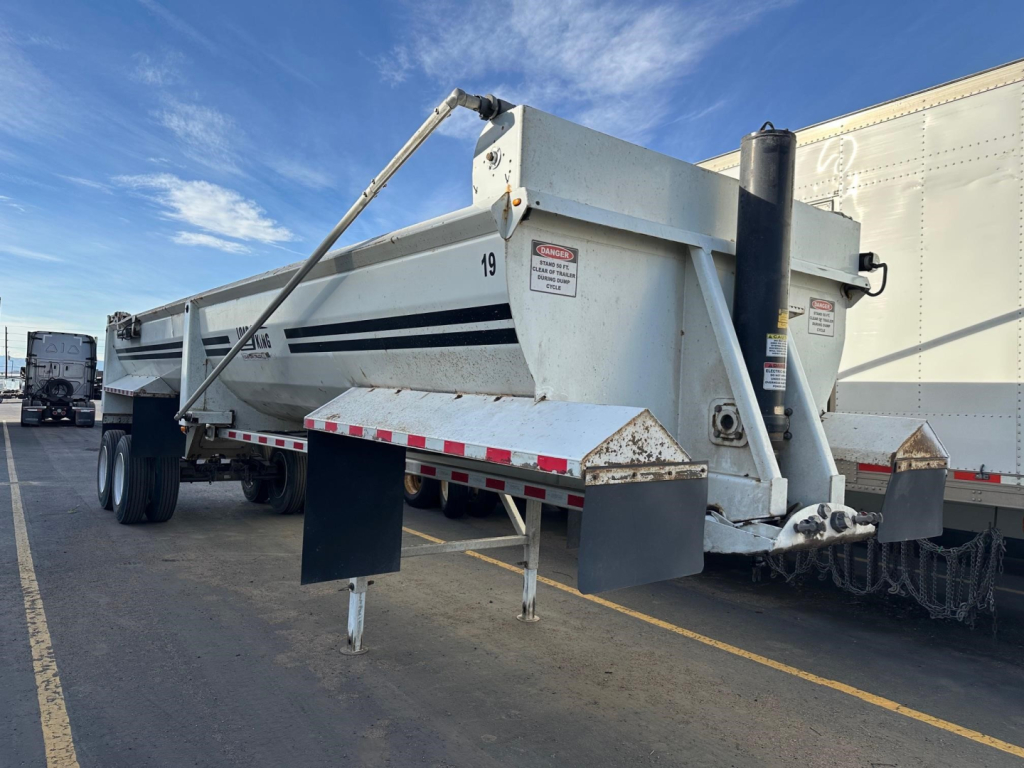
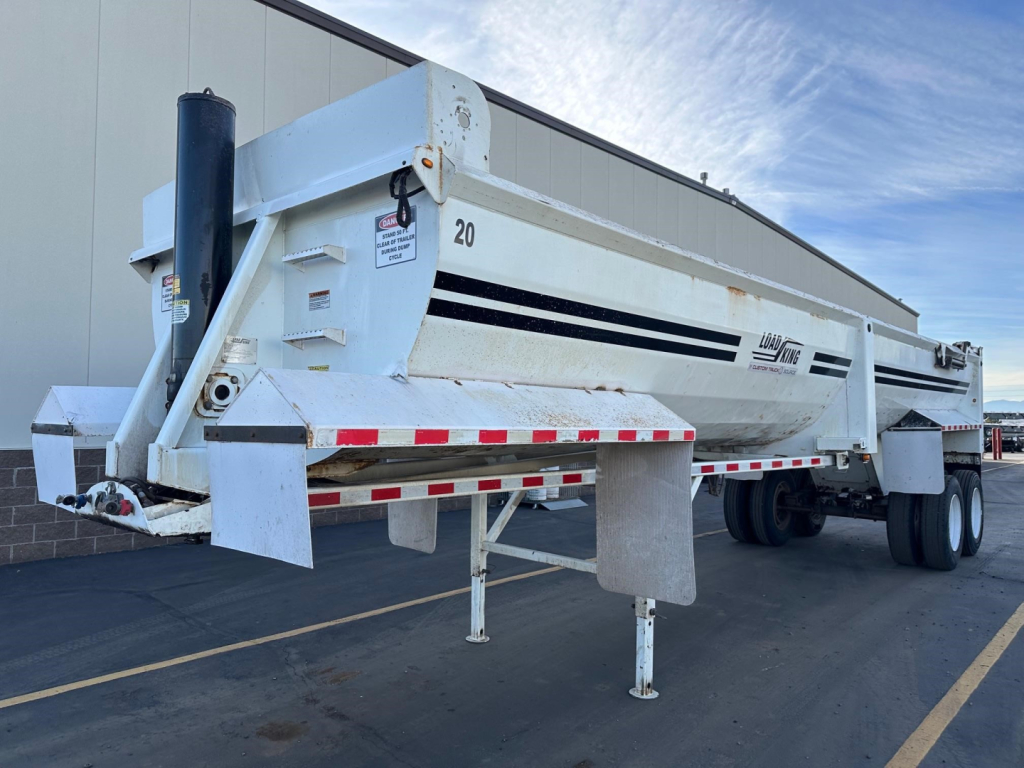
A lot of attention should go to body style and material. Half-round steel tubs are popular on Load King rock end dumps because the curved design sheds material cleanly and stands up well to impact from riprap, millings, broken concrete, and blasted rock. Common trailer lengths in this class include 34-foot and 38-foot bodies, and those dimensions affect both legal payload strategy and jobsite maneuverability. A high-lift gate is a valuable feature when hauling larger rock or material that needs a cleaner discharge opening, while an electric flip tarp helps with load securement, road compliance, and faster turnaround between plant, pit, and dump location.
On a used Load King dump trailer, buyers should closely inspect the tub floor, sidewall thickness, crossmember area, draft arms, suspension hangers, hoist mounts, and kingpin plate for cracking, distortion, or weld repairs. Frameless trailers place different stress loads on the chassis than frame-type dumps, so signs of overloading or off-camber dumping matter. Tire size and wheel setup also affect operating cost and stability, with common combinations including 11R22.5 or 11R24.5 rubber, plus mixed aluminum and steel wheel packages depending on weight targets and durability preference. Single-point grease systems, fenders, ladders, and liner condition are also worth checking because they influence daily service time and long-term wear.
For Colorado operations, spec choices often come back to terrain, haul distance, and material type. A shorter 34-foot tub may be preferred for tighter access and rougher sites, while a 38-foot trailer can make sense when balancing cubic capacity with legal axle weights on consistent routes. Buyers comparing used Load King dump trailers should think in terms of application first: rock, asphalt, dirt, sand, and demolition debris all load and discharge differently. The right trailer is the one with a body design, gate setup, tarp system, suspension condition, and wear history that match the work cycle, not just the one with the newest model year.
Frequently Asked Questions about Used Load King Dump Trailers in Colorado
What is the difference between a frameless Load King dump trailer and a frame-type dump trailer?
A frameless dump trailer uses the body structure itself as a major part of the trailer's strength, which typically reduces empty weight and can improve payload potential. A frame-type dump trailer has a full chassis under the body, which can add durability for certain applications and off-road conditions but usually increases tare weight. On used Load King units, frameless rock end dumps are common because they are well suited for aggregate and construction hauling where weight efficiency and a strong steel tub are priorities.
Why are half-round steel tubs common on used Load King rock end dumps?
Half-round steel tubs are popular because they discharge material more cleanly than square bodies and reduce material hang-up, especially with rock, asphalt millings, and sticky aggregate. The curved body shape also distributes impact and wear well in severe-duty work. On a used trailer, this design can be a practical advantage if the tub floor and sides remain straight and free from excessive patching, deep dents, or fatigue cracking.
What should I inspect first on a used Load King dump trailer?
Start with the structure that carries the load and absorbs dump stress: the tub floor, sidewalls, upper rail, kingpin area, suspension mounts, hoist attachment points, and rear hinge section. Look for cracked welds, floor oil-canning, bent rails, corrosion, and signs of repeated overloading. After that, inspect the gate hardware, tarp system, tires, brakes, wiring, and hydraulic components. A dump trailer can look clean cosmetically and still have expensive structural fatigue, so the underbody and stress points matter most.
Is a 34-foot or 38-foot Load King dump trailer better for Colorado hauling?
The better choice depends on route, material, and site access. A 34-foot dump trailer is often easier to position on tighter jobsites and can be a better fit for rough access roads or frequent maneuvering. A 38-foot trailer may provide an advantage when chasing cubic capacity and balancing payload on more consistent haul routes. In Colorado, terrain, axle laws, and the type of material being hauled should drive the decision more than body length alone.
Which features add the most practical value on a used Load King end dump?
High-value features usually include a high-lift gate, an electric flip tarp, a well-kept steel tub, and a serviceable suspension and brake setup. A high-lift gate improves discharge clearance for larger rock and demolition material. An electric tarp saves time and helps maintain compliance on public roads. Tire size, wheel spec, fenders, ladder placement, and grease system design also matter because they affect uptime, maintenance time, and total cost of operation.