
Used 2025 Dump Trailers For Sale in Colorado
Shop used 2025 dump trailers in Colorado. Compare bottom dumps and end dumps by body style, suspension, gate setup, tarp system, and capacity.
Selling a used 2025 dump trailer? List your used 2025 dump trailer for sale and reach thousands of commercial buyers.
Used 2025 Dump Trailers in Colorado
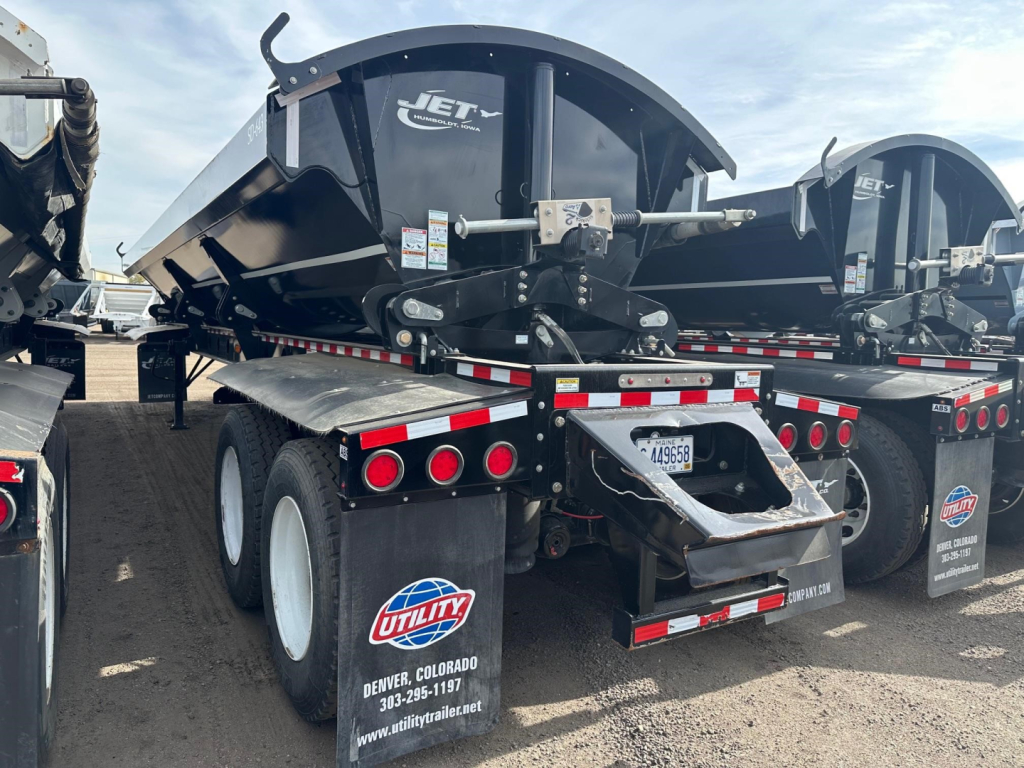
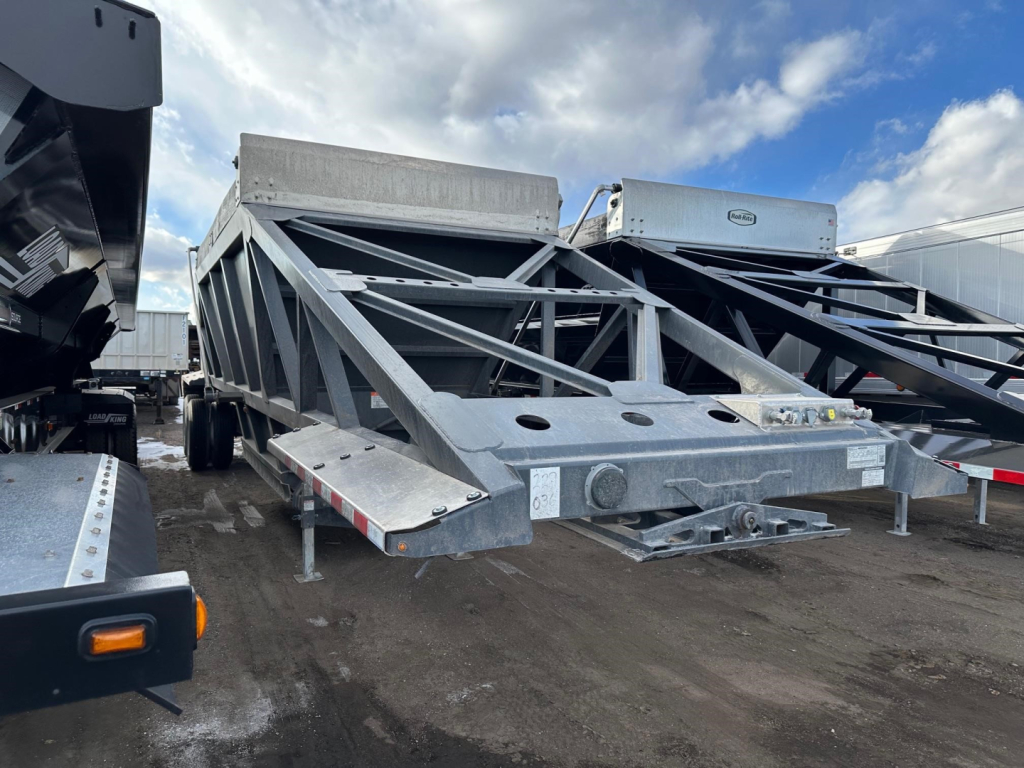
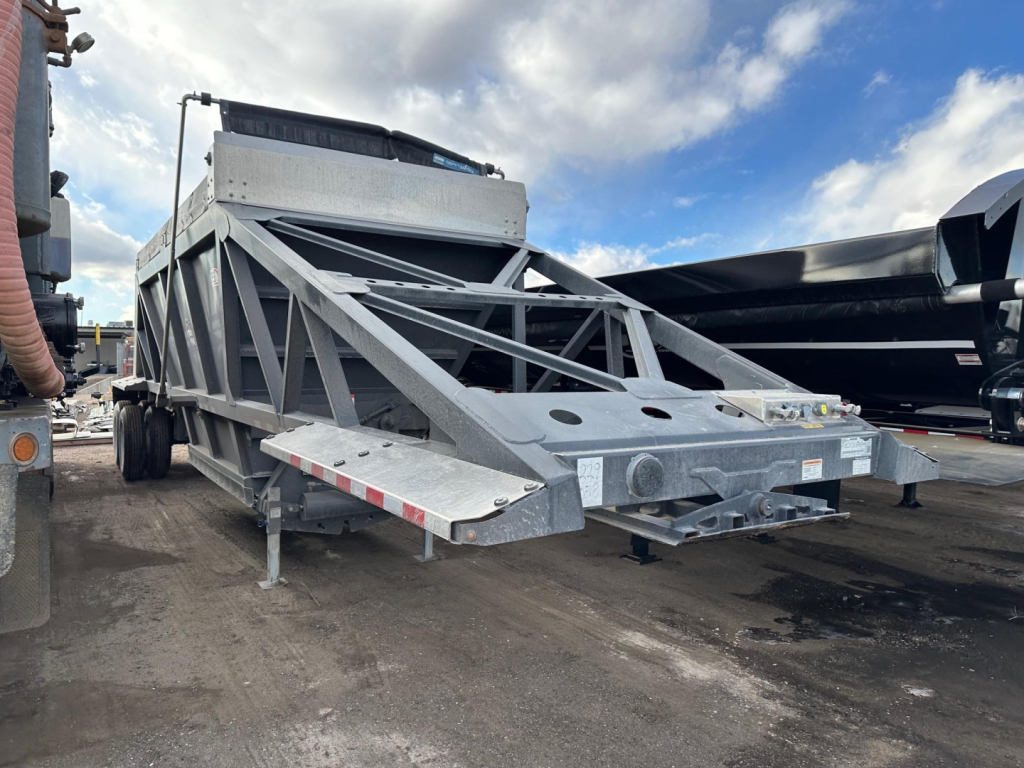
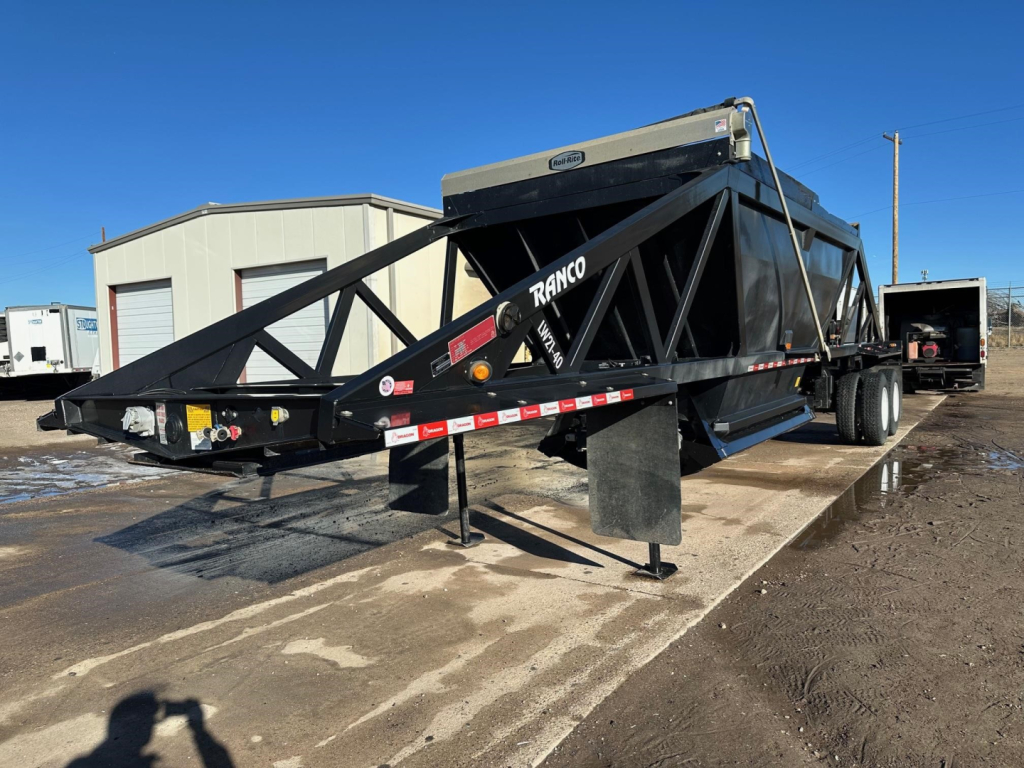
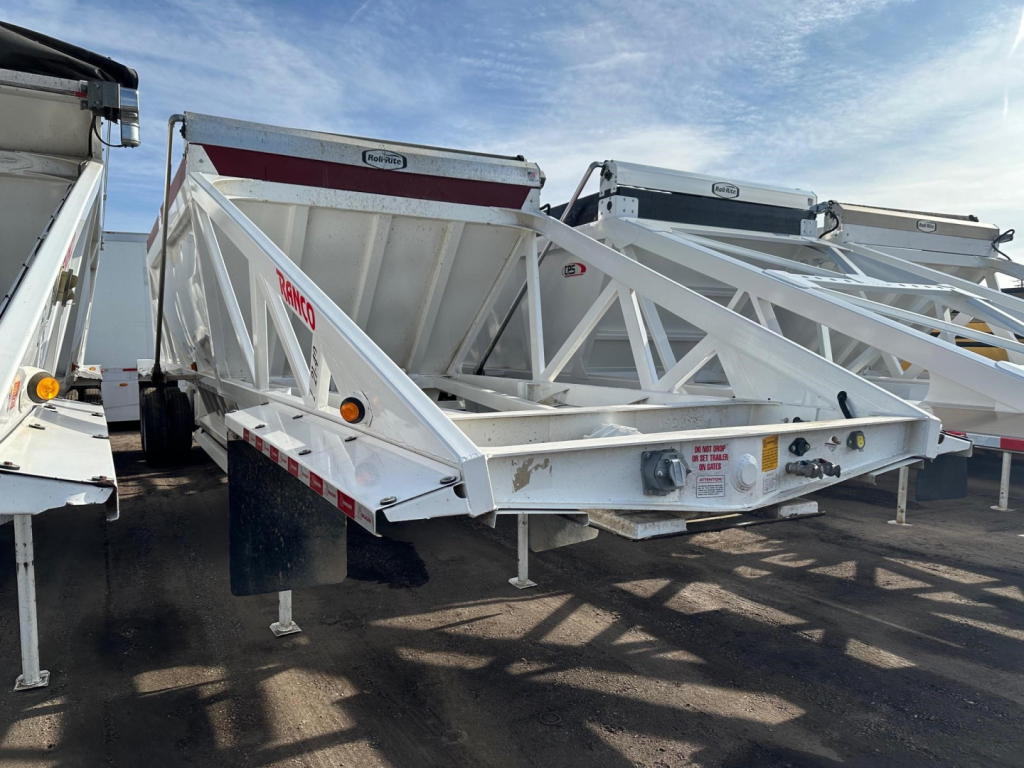
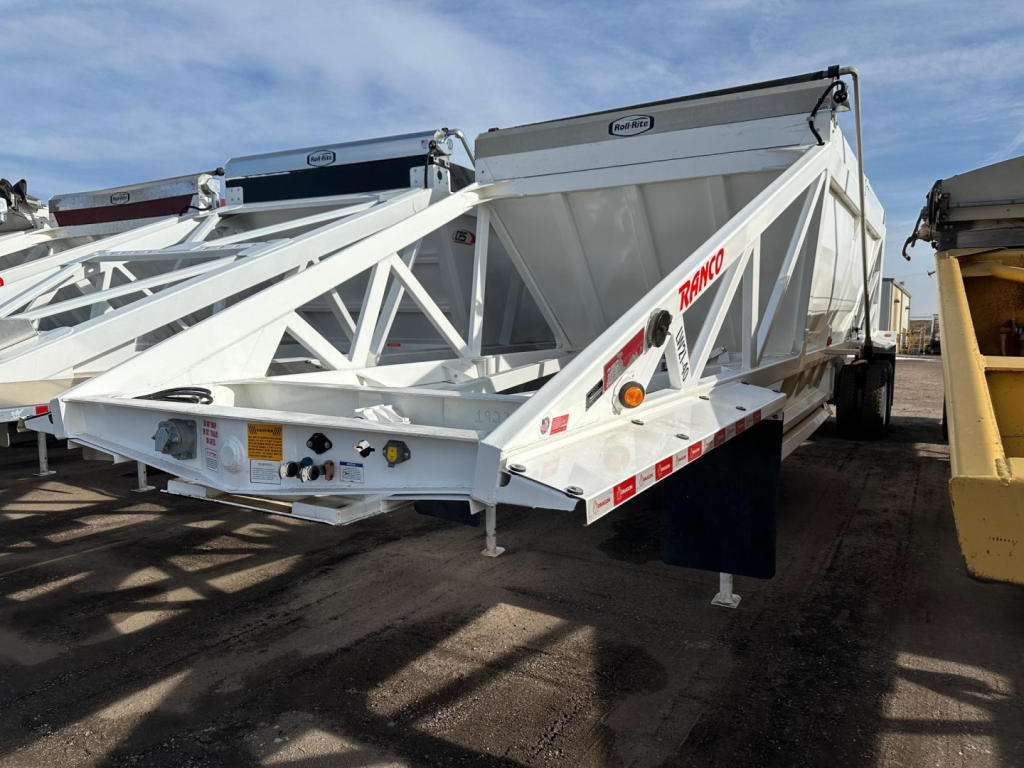
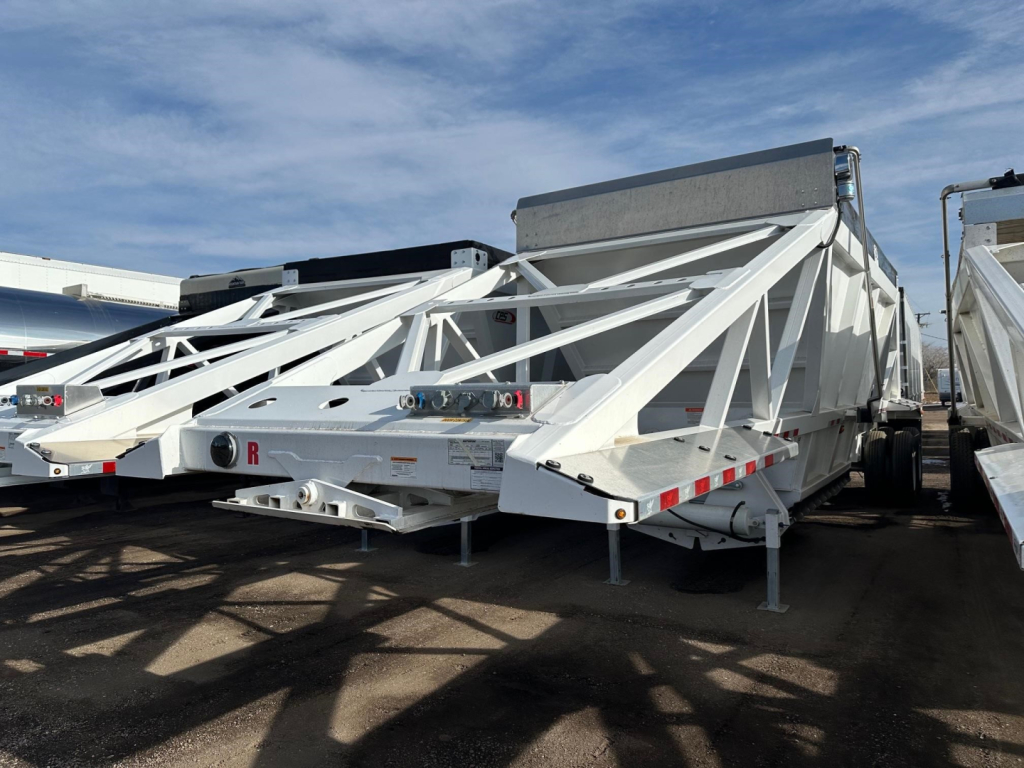
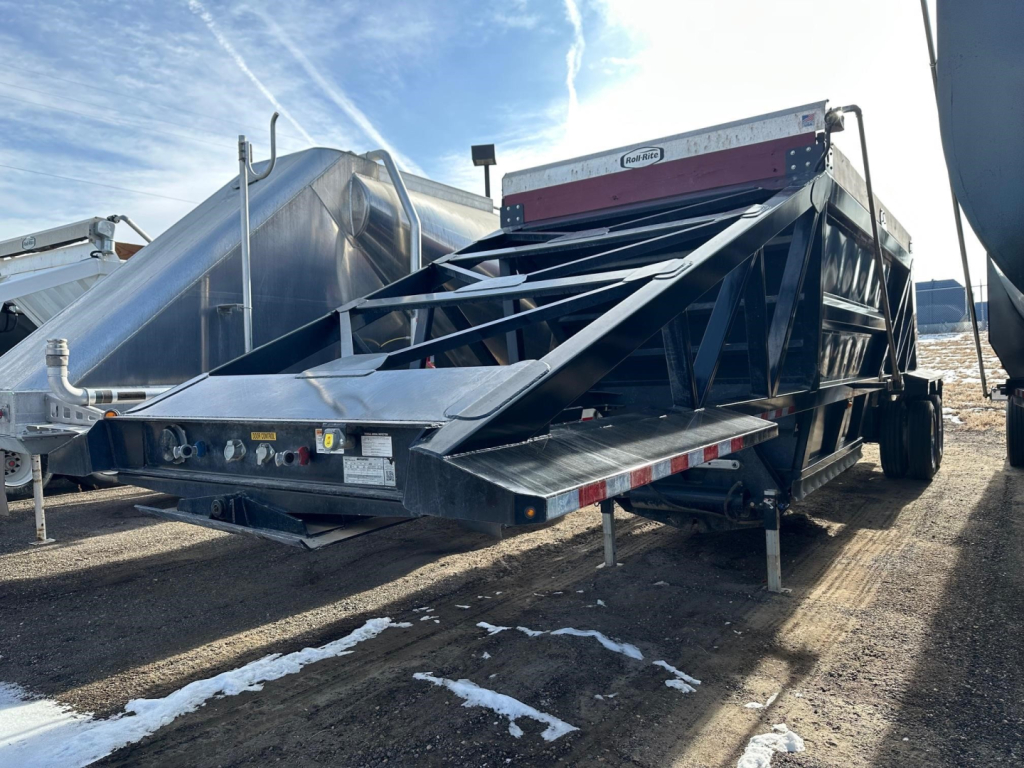
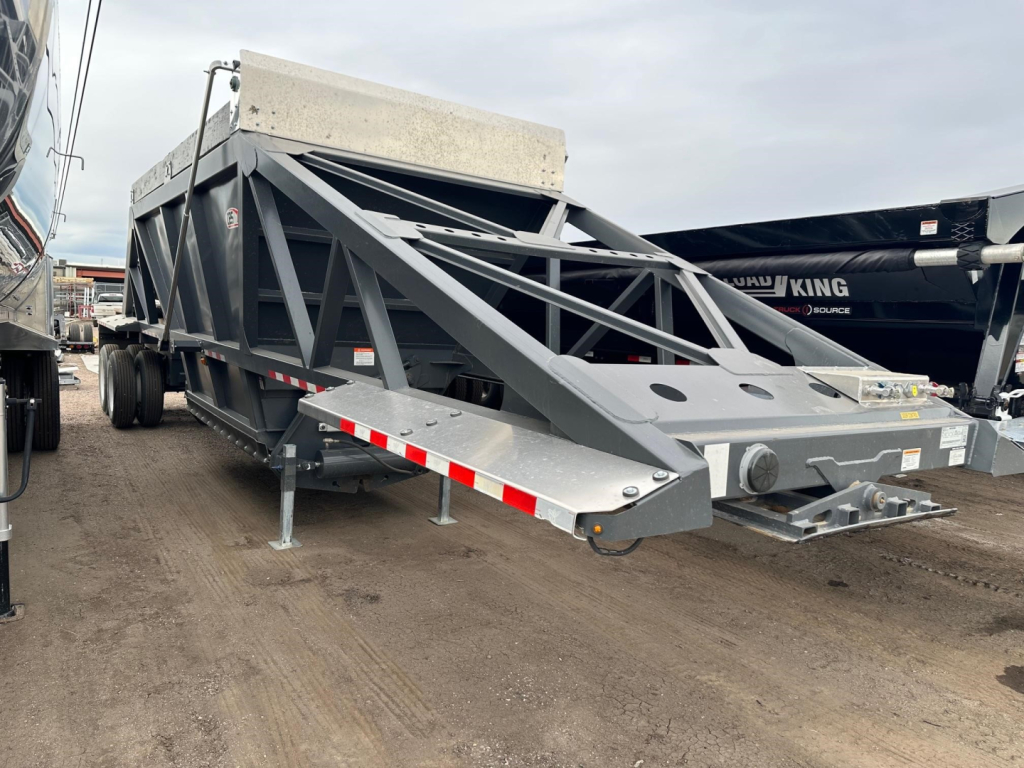
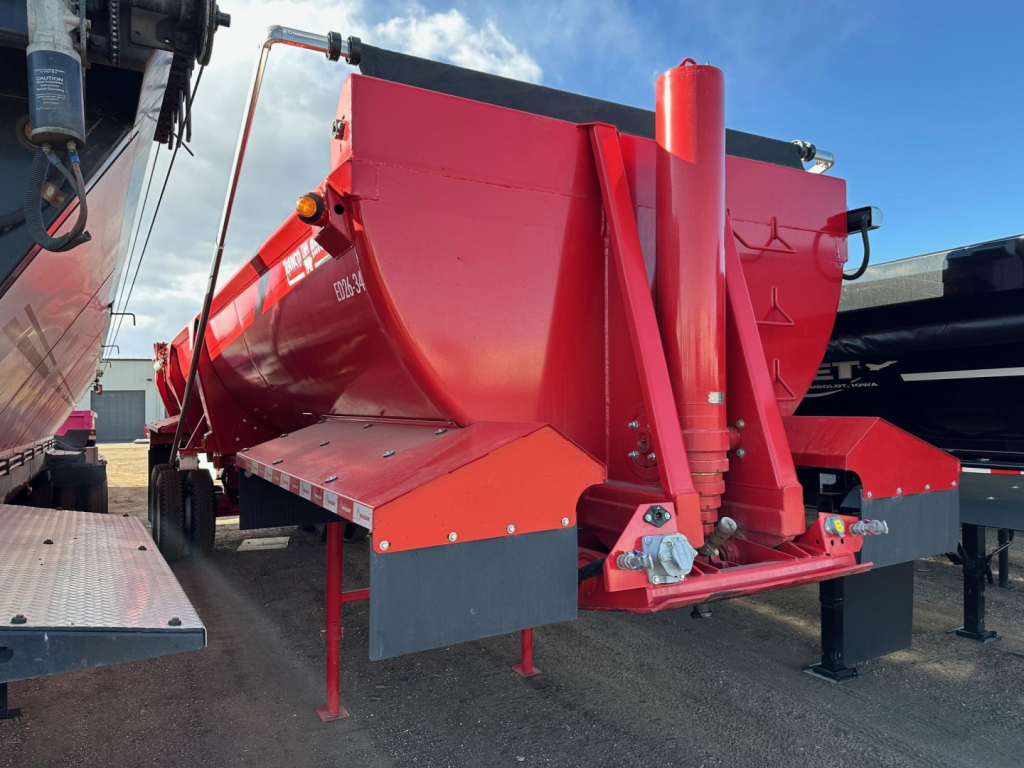
The sample units in this category point to two common configurations: lightweight bottom dumps around 40 feet and frameless end dumps around 34 feet. On bottom dumps, buyers usually focus on hopper design, gate control, pin setting gate limiters, windrow deflectors, bang boards, and valve setup such as a Versa valve. These details matter if you need even spread control for base, sand, or hot mix support work. On end dumps, tub construction and gate design are the major points. Half-round rock tubs in steel or AR400-type material are common for abrasive loads, and high-lift gates help with larger rock and demolition material. Cube rating, tare weight, kingpin setting, and tandem spacing all affect payload, bridge compliance, and how well the trailer tracks behind the tractor.
Suspension, wheel-end spec, and tarp system also deserve close attention on a used 2025 dump trailer. Air ride can improve stability and ride quality on paved hauls, while spring ride still has a place in severe service and simpler maintenance programs. Many trailers in this class run 11R24.5 rubber with a mix of steel or aluminum wheels depending on weight targets and duty cycle. Electric flip tarps and cable slide tarps are common because they improve load control and help with compliance in windy, high-country conditions. Push blocks, ladders, fenders, LED lighting, and single-point suspension dump controls are not small details. They affect day-to-day usability, backing protection, visibility, and turnaround time at the pit or plant.
For Colorado buyers, application fit matters more than model year alone. A used 2025 dump trailer can still vary widely in body material, suspension, gate arrangement, and intended commodity. Check for hoist and hinge condition on end dumps, gate seal wear on belly dumps, cracking around stress points, tub or hopper straightness, tarp function, and tire wear patterns that may indicate alignment or suspension issues. If the trailer will run mountain grades, soft jobsites, or frequent short-haul cycles, durability and control features usually outweigh headline capacity numbers. The best choice is the one matched to material type, unload method, legal payload goals, and the roads it will see every week.
Frequently Asked Questions about Used 2025 Dump Trailers in Colorado
What is the difference between a bottom dump trailer and an end dump trailer?
A bottom dump trailer discharges material through gates underneath the trailer, which makes it ideal for spreading aggregate, sand, and similar material in a controlled windrow. An end dump trailer unloads by raising the body and dumping out the rear, which is better for rock, debris, and bulk material that does not need precise placement. Bottom dumps are common in road building and paving support, while end dumps are often chosen for excavation, quarry, and demolition work.
What should I inspect on a used 2025 dump trailer before buying?
Start with the structural areas that carry load and absorb stress, including the frame or frameless rails, crossmembers, hinge points, hoist mounts, suspension hangers, and kingpin area. Then inspect the tub or hopper for cracks, previous weld repairs, bowed panels, and uneven wear from abrasive material. Gate function, tarp operation, air system condition, brake wear, tire wear patterns, and lighting should all be checked because they affect uptime and near-term operating cost more than appearance.
Are frameless end dumps better than frame-type dump trailers?
Frameless end dumps are popular because they reduce trailer weight and can increase payload potential, but they transfer more load stress to the tractor and are more sensitive to application and driver technique. Frame-type dump trailers can offer different durability characteristics depending on the body and chassis design, particularly in severe service. The better choice depends on material type, haul distance, tractor spec, and how rough the loading and unloading environment is.
Which dump trailer features matter most for Colorado hauling?
Colorado buyers usually pay close attention to tarp performance, brake condition, suspension type, and overall stability because mountain grades, weather changes, and mixed road surfaces put more demand on the trailer. For bottom dumps, gate control and windrow consistency are important on road and aggregate work. For end dumps, body material, gate design, and rollover resistance on uneven ground are key considerations. Tire spec and wheel choice also matter when balancing durability, payload, and serviceability.
What materials are commonly hauled in dump trailers?
Dump trailers are commonly used for sand, gravel, crushed stone, asphalt-related material, dirt, millings, demolition debris, and larger rock depending on body style and construction. Bottom dumps are usually chosen for free-flowing aggregate that needs controlled discharge. End dumps are better suited for bulk unloading of heavier or irregular material, especially when a high-lift gate and abrasion-resistant tub are part of the spec.