
New Dorsey Trailers For Sale
Shop new Dorsey trailers including flatbeds and drop decks with air ride, Apitong floors, spread axles, and heavy-duty hauling specs.
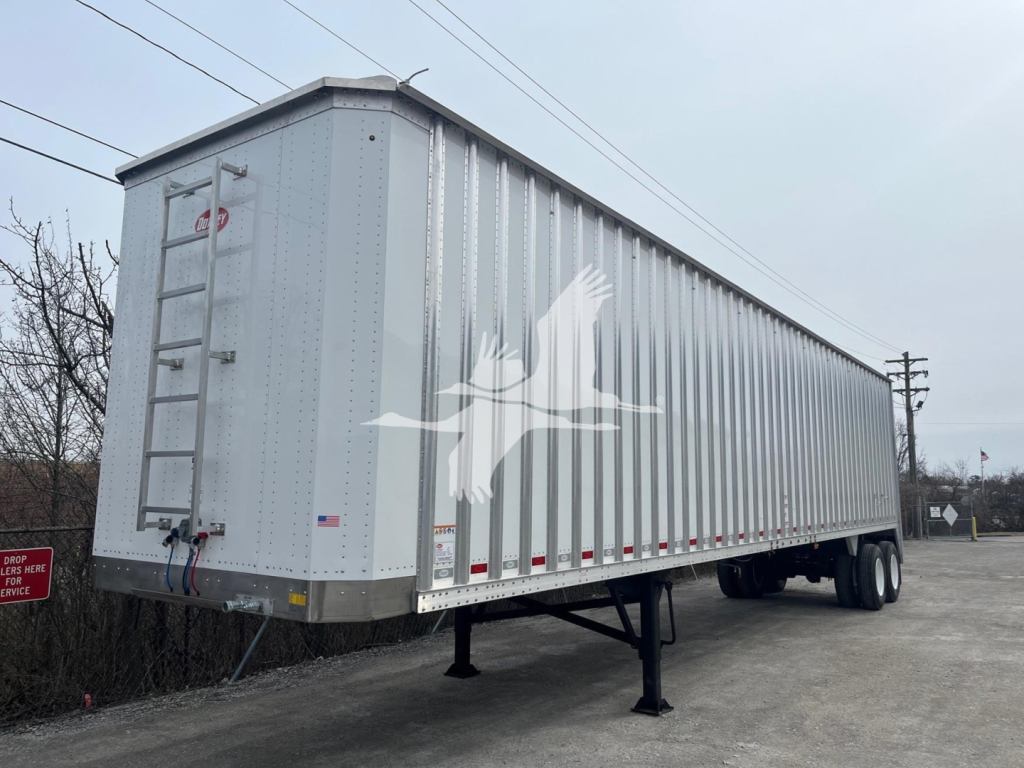
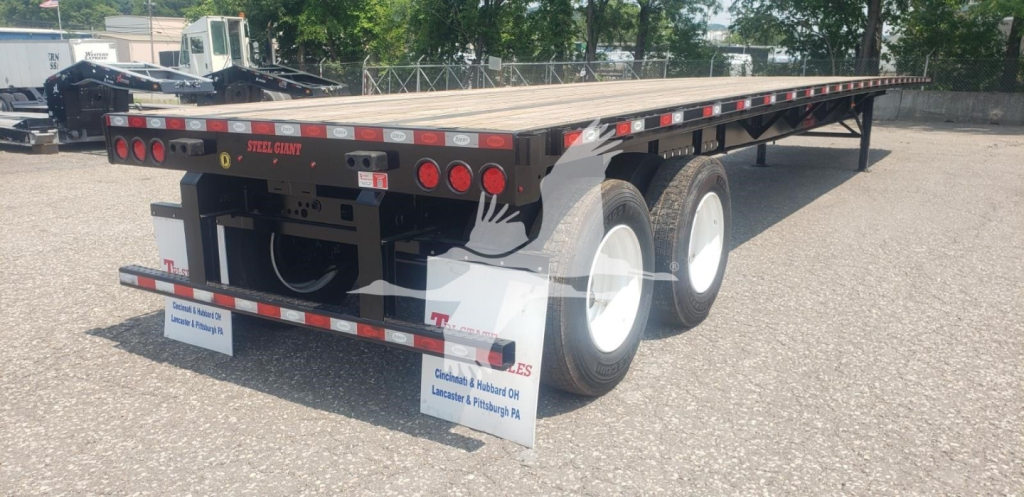
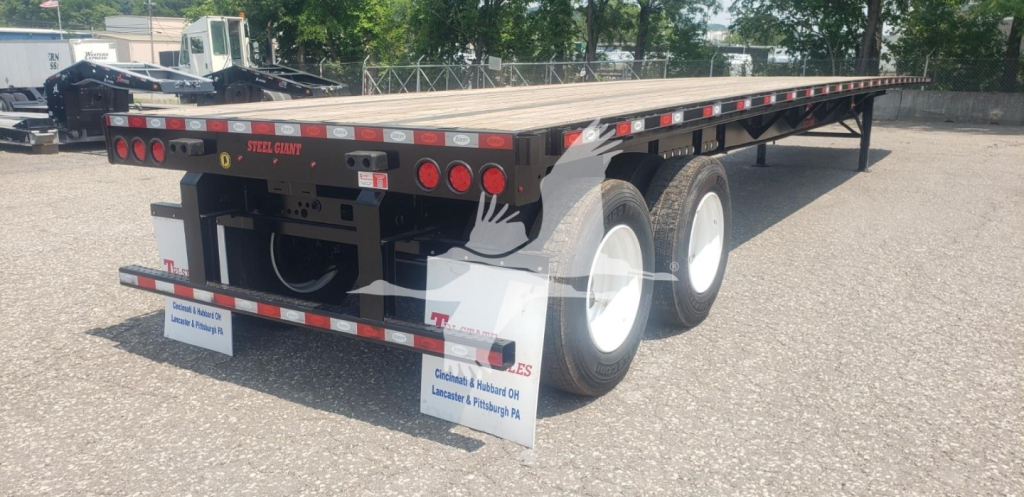
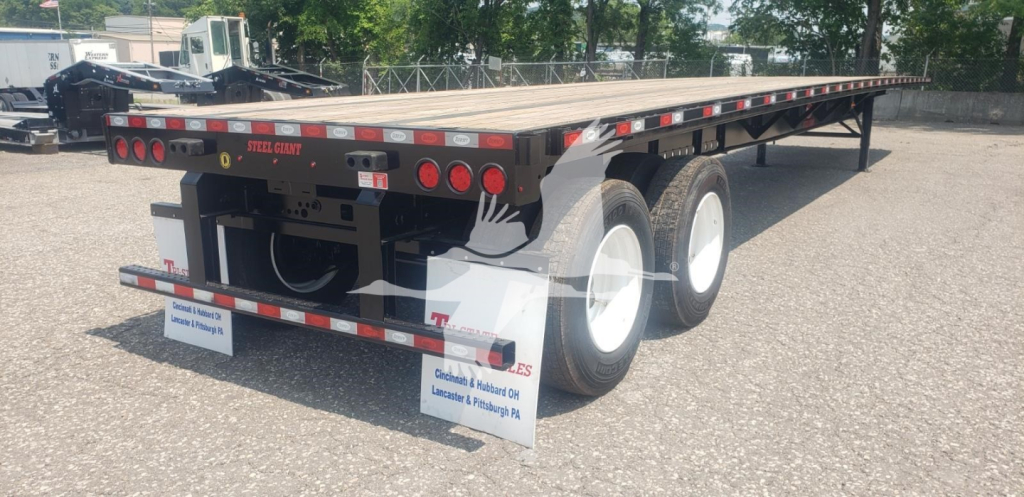
Showing 25 to 32 of 32 results
Have new dorsey trailer to sell? List it here to reach thousands of buyers.
New Dorsey Trailers
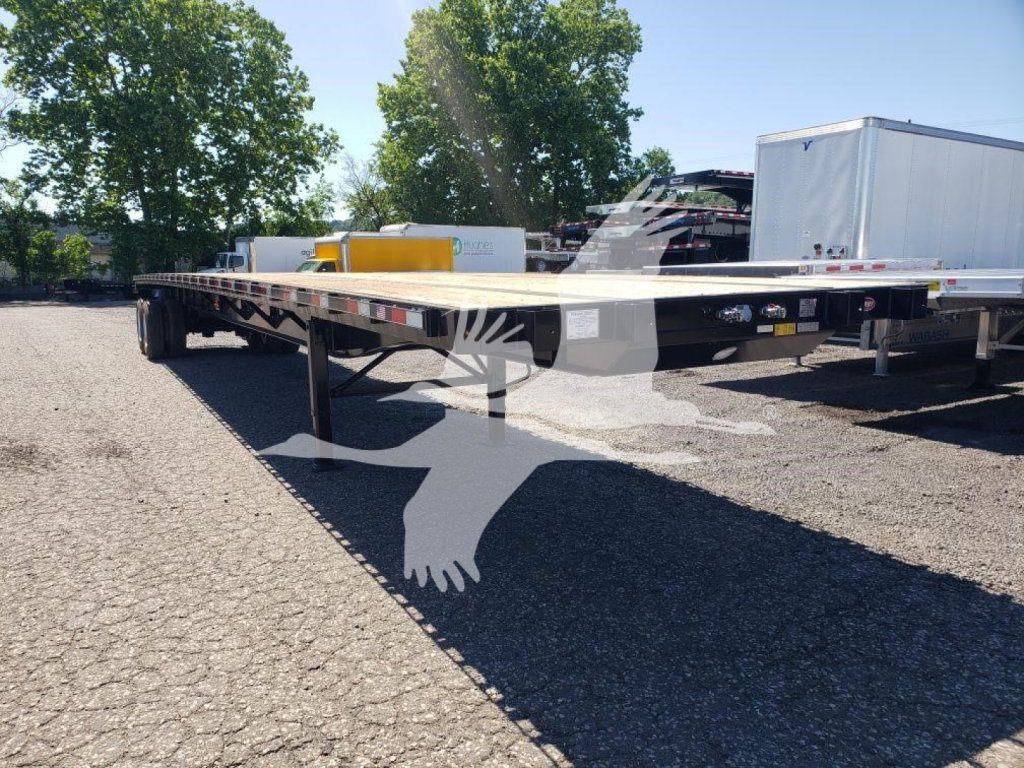
For flatbed buyers, the key decisions usually come down to deck construction, axle arrangement, and securement setup. Many Dorsey steel flatbeds use 1 1/8-inch Apitong flooring, 12-inch crossmember spacing, structural channel side rails, sliding winches, stake pockets, and double pipe spools. Spread axle sliders and kingpin settings around 30 inches are common on general freight units, especially where bridge law flexibility matters. Buyers hauling steel, lumber, building products, machinery, or palletized freight should pay close attention to side rail design, winch track style, number of sliding winches, landing gear brand, and tire and wheel package. Those details affect day-to-day loading efficiency as much as headline GVWR.
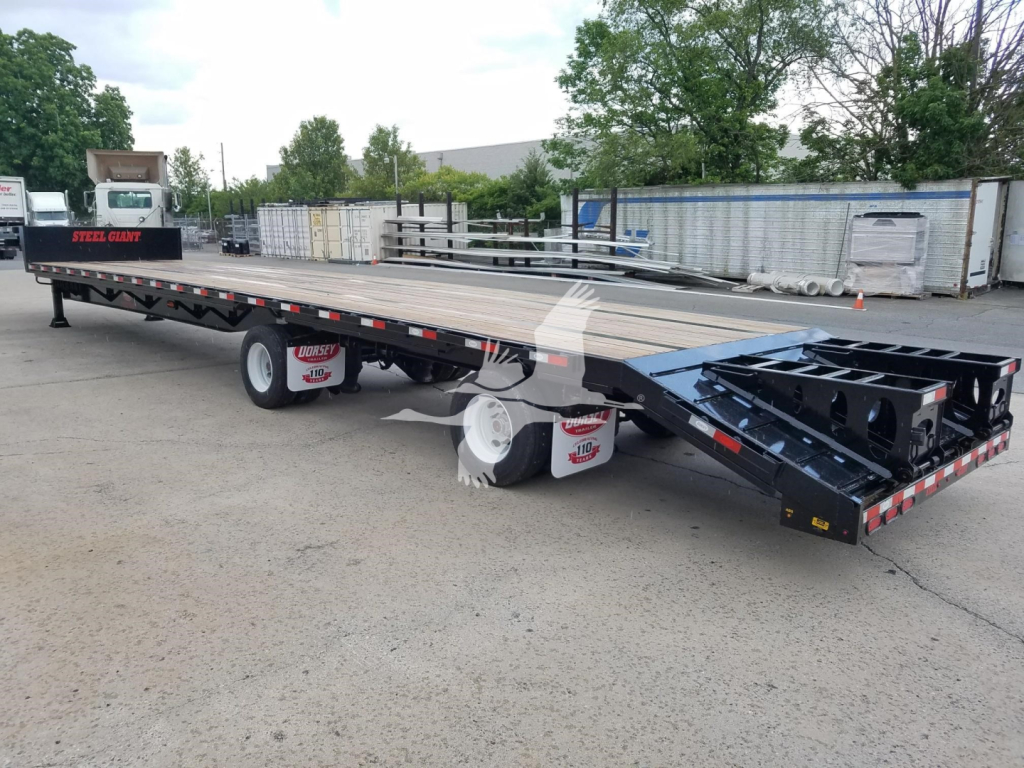
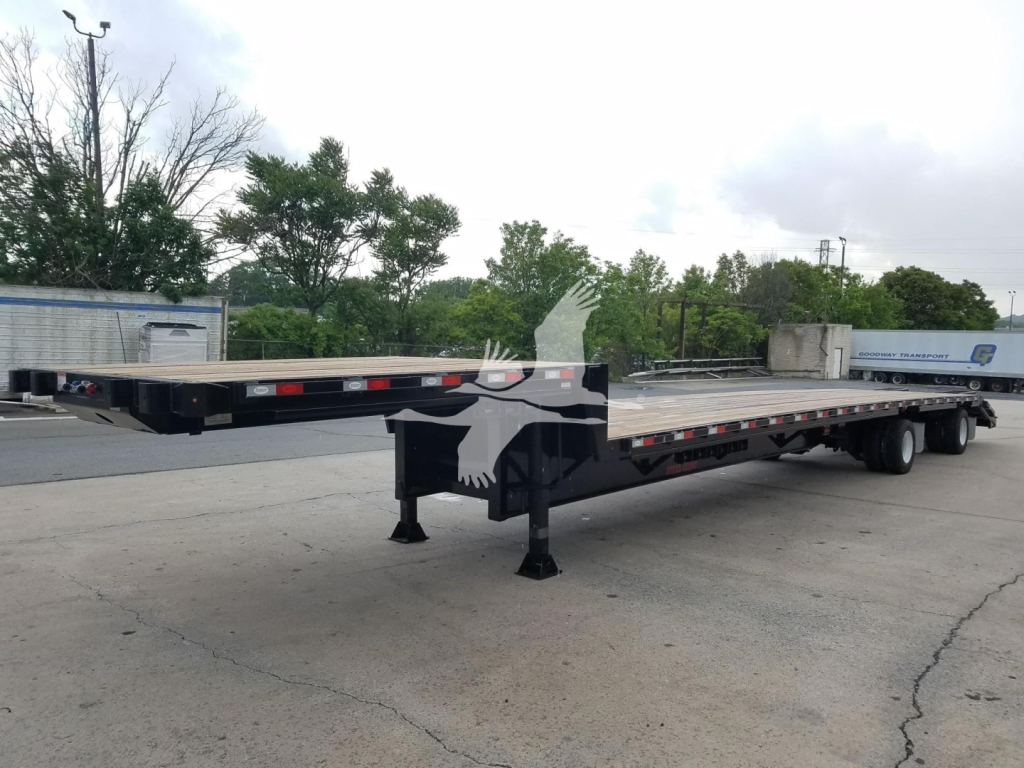
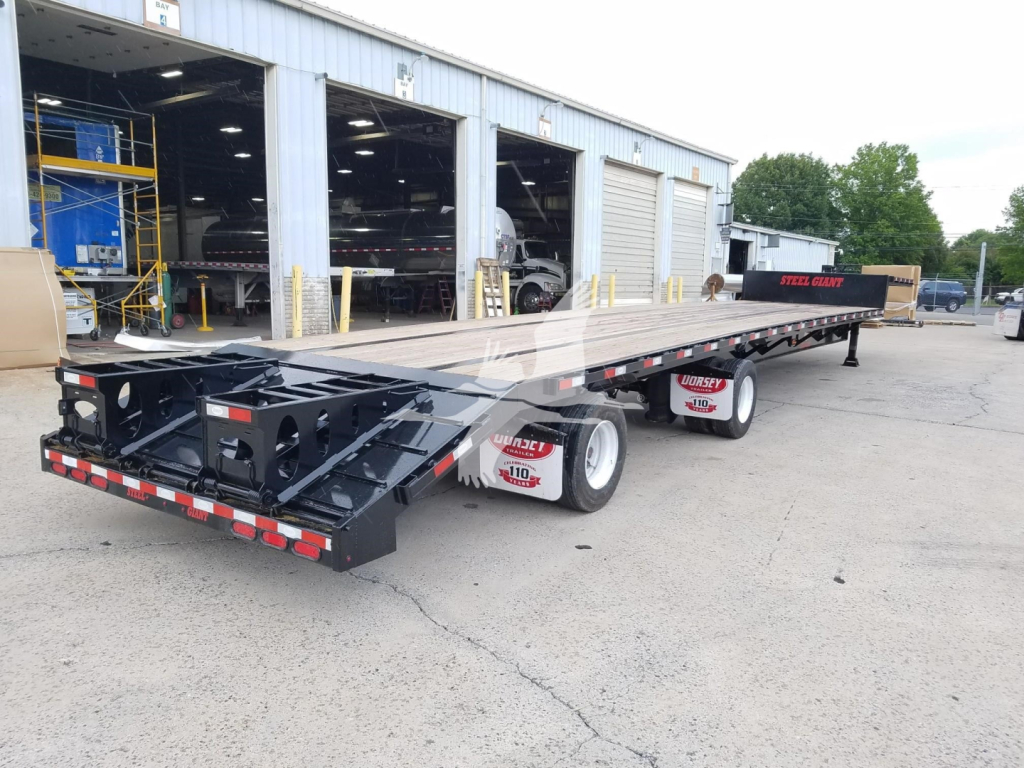
On Dorsey drop deck trailers, deck height and ramp design matter as much as overall length. Common beavertail configurations include a short top deck, a longer lower deck, steel beavertail section with traction bars, and spring-assisted ramps for equipment loading. Main deck heights in the upper-30-inch to low-40-inch range are typical depending on tire size and suspension setup. Crossmember spacing is often tighter on the main deck than the upper deck to support heavier point loads. These trailers fit mixed freight, compact equipment, forklifts, and taller loads that need lower deck clearance without stepping up to a detachable lowboy.
A new Dorsey trailer buyer should compare tare weight, deck height, axle spacing, floor material, and securement hardware before looking at cosmetic options. Air ride suspensions such as Hendrickson Intraax are common in this class and are valued for ride quality, cargo protection, and maintenance familiarity across large fleets. Tire sizes may vary between flatbed and drop deck applications, and that affects loaded deck height, replacement cost, and regional parts availability. If payload is the priority, an all-aluminum Dorsey flatbed can cut several thousand pounds from empty weight. If the freight is harsher on trailers or loaded by crane and forklift in rough service, a steel Dorsey flatbed or steel drop deck usually offers the better long-term fit.
Frequently Asked Questions about New Dorsey Trailers
What is the difference between a Dorsey flatbed trailer and a Dorsey drop deck trailer?
A Dorsey flatbed trailer has a full deck at one height and is best for standard-height freight, building materials, steel, and palletized loads that do not need lower deck clearance. A Dorsey drop deck trailer, also known as a step deck, has an upper deck and a lower main deck that allows taller freight to ride lower and stay within legal height limits. Beavertail versions add a sloped rear section and ramps, which makes them better for loading forklifts, small equipment, and wheeled machinery.
Should I choose a steel or aluminum Dorsey trailer?
Steel Dorsey trailers are usually the better choice for severe-duty freight, concentrated loads, and operations that value durability and straightforward repairs. Aluminum Dorsey trailers are attractive when tare weight is critical because the lighter structure can increase legal payload and improve revenue on weight-sensitive lanes. The right choice depends on freight type, loading method, corrosion exposure, and how much value your operation places on every pound saved.
What specs matter most when buying a new Dorsey flatbed?
The most important specs are trailer length, floor type, crossmember spacing, axle configuration, suspension, and the securement package. Buyers should also review side rail construction, winch track design, number of sliding winches, pipe spool placement, kingpin setting, and wheel-end package. These details affect payload capability, bridge compliance, cargo securement speed, and long-term maintenance cost more than the basic model name alone.
Are Dorsey drop decks with beavertails suitable for equipment hauling?
Yes, many Dorsey beavertail drop decks are well suited for lighter equipment and mixed-use hauling where a full detachable trailer is not necessary. Spring-assisted ramps, traction-bar beavertails, and lower deck heights help with loading forklifts, skid steers, scissor lifts, and similar machinery. Buyers still need to match ramp capacity, deck reinforcement, axle rating, and load distribution to the equipment they plan to move.
Why do many new Dorsey trailers use air ride suspension and spread axles?
Air ride suspension helps protect freight, improves ride quality, and is widely accepted across flatbed and drop deck applications because fleets and repair shops know the systems well. Spread axles can improve weight distribution and help with bridge law compliance, which matters on heavy or unevenly distributed loads. The tradeoff is that axle spread, slider design, and turning environment should be matched to the routes and loading patterns in your operation.