
Used Cottrell Car Carrier Trailers For Sale
Browse used Cottrell car carrier trailers built for multi-vehicle transport, with proven loading geometry, hydraulic decks, and operator-focused design.
Learn more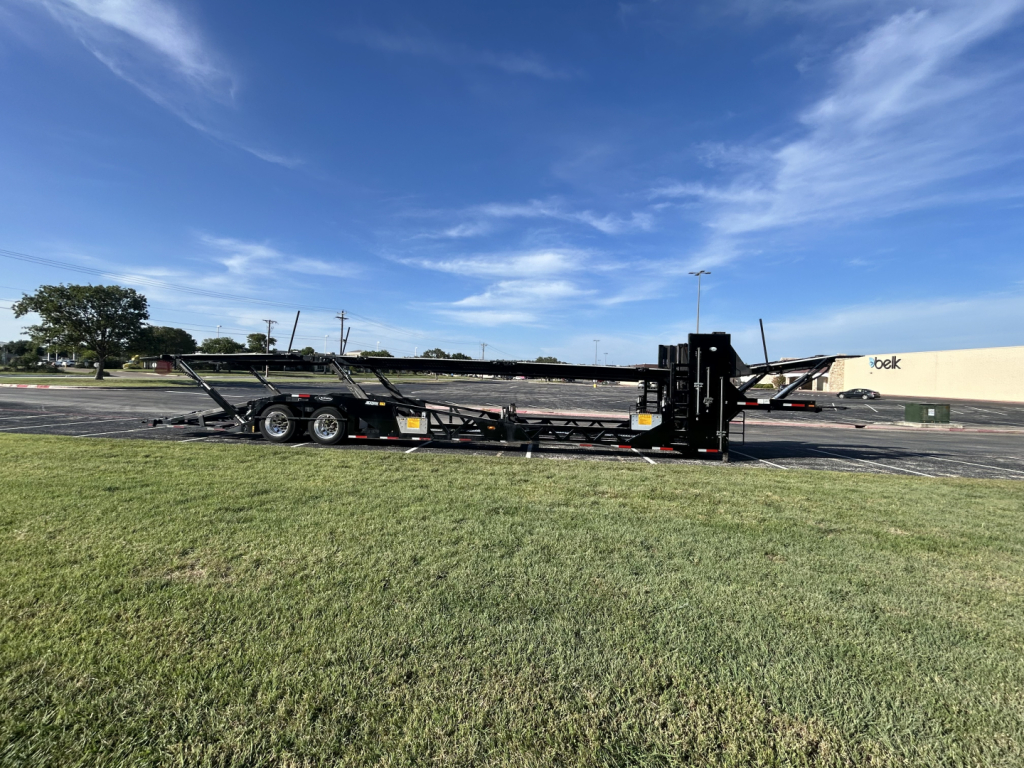
Have used cottrell car carrier trailer to sell? List it here to reach thousands of buyers.
About Used Cottrell Car Carrier Trailers
One of the first decisions is trailer configuration and loading style. Cottrell car hauler trailers are designed to help operators manage vehicle count, height, and weight distribution while staying compliant on bridge laws and overall height. Buyers typically pay close attention to upper deck travel, flip ramps, hydraulic cylinders, hose routing, crossmember condition, and kingpin area integrity. On a used trailer, inspect for stress cracking around deck hinges, ramp mounts, suspension hangers, and other high-cycle areas. Tire inflation systems, axle lift or axle overload arrangements, aluminum wheels, and self-contained hydraulic packages can add value, especially for fleets trying to reduce downtime and improve loading speed.
Material choice and operating region also matter. Many Cottrell trailers use lightweight components to improve payload potential, but low tare weight should not come at the expense of structural soundness. If the trailer has worked in northern climates, check closely for corrosion at fasteners, hydraulic fittings, wiring connections, and areas where road salt collects. In warmer regions, sun exposure and heavy cycle use may show up in hydraulic seals, deck wear surfaces, and lighting systems. A buyer should also confirm that ramps, deck locks, safety latches, and any strobe or work-light packages are fully operational, since these details affect both turnaround time and driver safety.
For buyers comparing used Cottrell car carrier trailers, the best unit is usually the one that matches the freight mix and operating style. A trailer built for high-volume dealer moves may be configured differently than one used for auction lanes, specialty vehicles, or mixed retail transport. Look at actual loading practicality, not just rated capacity. Ground clearance, approach angles, deck adjustability, and how easily the trailer handles longer wheelbase vehicles can make a major difference in day-to-day use. A well-maintained used Cottrell trailer can remain a strong revenue asset if the hydraulics are tight, the frame is straight, and the loading system still works smoothly under real operating conditions.
Frequently Asked Questions
What should I inspect first on a used Cottrell car carrier trailer?
Start with the structure and the loading system. Check the main frame, kingpin area, deck hinges, ramp mounts, crossmembers, and suspension attachment points for cracks, repairs, or distortion. Then inspect the hydraulic system for leaks, weak cylinder performance, damaged hoses, and slow or uneven deck movement. On a car hauler, loading efficiency depends on straight decks, secure locks, and predictable hydraulic function, so those areas usually matter more than cosmetic appearance.
Are Cottrell car carrier trailers good for mixed vehicle loads?
Yes. Cottrell trailers are widely used because they offer flexible deck positioning and loading geometry for different vehicle sizes. A properly configured trailer can handle combinations of cars, crossovers, SUVs, and some pickups, but actual performance depends on deck layout, weight distribution, height restrictions, and wheelbase fit. Buyers should evaluate the trailer based on the type of vehicles they move most often rather than assuming every car carrier setup performs the same way.
What features add the most value on a used Cottrell car hauler trailer?
High-value features often include a self-contained hydraulic system, tire inflation system, aluminum wheels, aluminum ramps, axle lift or overload axle equipment, and well-maintained lighting packages. Operational features that reduce loading time and roadside maintenance usually carry the most real-world value. Buyers also tend to place a premium on trailers with documented maintenance, clean hydraulic operation, and minimal structural repair history.
How important is operating region when buying a used car carrier trailer?
Operating region is very important because climate affects wear patterns. Trailers from snow and salt regions may have more corrosion on fasteners, brake components, wiring, deck hardware, and hydraulic fittings. Trailers from hotter climates may show more UV-related wear on hoses, seals, and exposed components. Regional history helps explain the kind of inspection the trailer needs and can influence long-term maintenance costs after purchase.
What is the difference between a car carrier trailer and a standard flatbed for vehicle transport?
A car carrier trailer, also known as a car hauler trailer or auto transport trailer, is purpose-built to move multiple vehicles on stacked or elevated decks using ramps and hydraulic deck adjustments. A standard flatbed can transport vehicles, but it is not designed for the same vehicle count, loading angles, deck articulation, or securement workflow. For commercial multi-unit transport, a dedicated car carrier trailer is far more efficient and better suited to the job.