
Cottrell Car Carrier Trailers For Sale
Shop Cottrell car carrier trailers with specs that matter, including capacity, deck setup, ramps, axle options, weight, and loading efficiency.
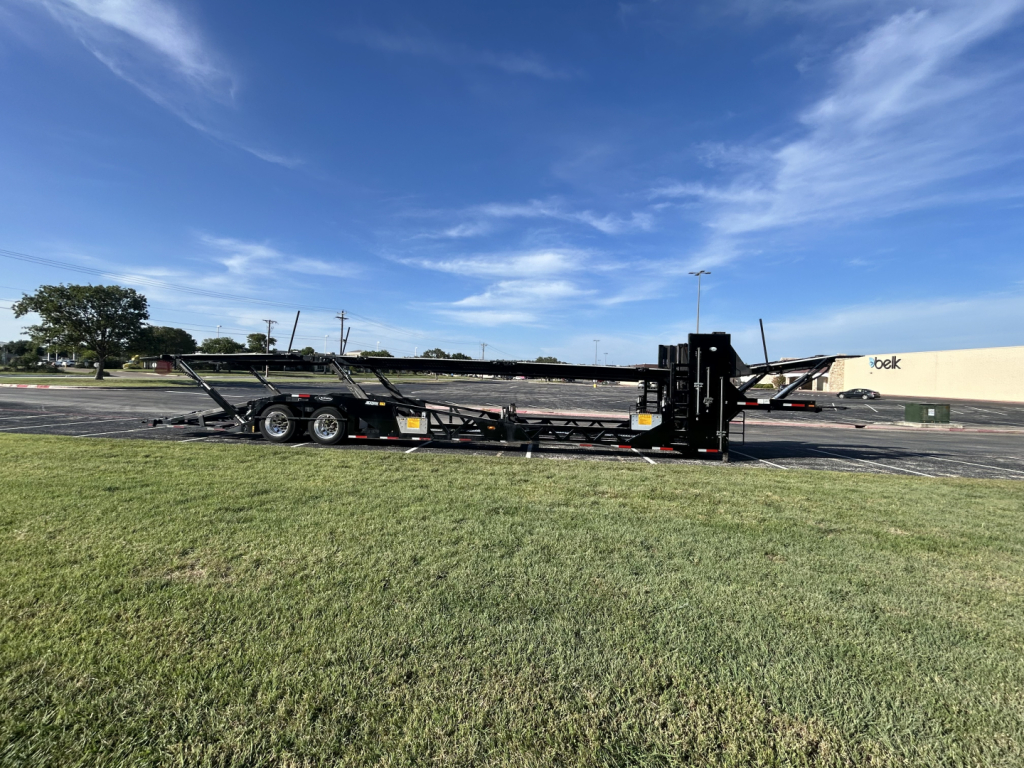
Selling a cottrell car carrier trailer? List your cottrell car carrier trailer for sale and reach thousands of commercial buyers.
Cottrell Car Carrier Trailers
A close look at the loading system matters more than the badge alone. Cottrell trailers are commonly equipped with hydraulic deck controls, self-contained power units, aluminum ramps, and sliding or adjustable deck sections that help operators handle mixed vehicle profiles. Buyers should inspect pivot points, cylinders, hoses, locks, and deck pins for wear because these areas take constant stress in daily service. Tire inflation systems, axle lift or over-lift setups, and truck packages are also common spec points because they affect tire life, maneuverability, and how well the trailer pairs with a road tractor in urban dealer work or long-haul OEM transport.
Structure and weight are just as important as capacity. A 102-inch wide Cottrell with aluminum wheels and lightweight components can help preserve payload flexibility, but condition of the frame, crossmembers, ramp surfaces, and tie-down areas should be checked carefully. On a used car carrier, brake condition, drum wear, suspension health, and tire date codes deserve the same attention as cosmetic appearance. Hendrickson suspension, tandem axle configurations, and 22.5-inch rubber are common on this type of trailer, and buyers should confirm that axle ratings, kingpin condition, lighting, and current inspection status match the intended lanes and operating state requirements.
Cottrell remains a well-known name in the auto hauler market because the equipment is designed around real loading efficiency, not just published capacity. The right trailer is the one that fits the freight mix, driver experience level, and route profile. If the work involves more dealership deliveries and tighter turns, deck access and unloading sequence may matter more than maximum count. If the lane is longer and more standardized, lower empty weight, aerodynamic profile, and easier maintenance access may have a greater payoff over time.
Frequently Asked Questions about Cottrell Car Carrier Trailers
How many vehicles can a Cottrell car carrier trailer haul?
Most Cottrell car carrier trailers in the 53-foot range are commonly configured to haul 7 to 8 vehicles, but the true number depends on the size and shape of the vehicles. Compact sedans load differently than full-size pickups, SUVs, or lifted units. Capacity is also affected by deck geometry, ramp adjustment, legal length, bridge laws, and how much clearance is needed to avoid bumper, roof, and undercarriage contact.
What should I inspect first on a used Cottrell car carrier trailer?
Start with the hydraulic system, deck operation, and structural condition. Buyers should check cylinders, hoses, control functions, deck locks, pins, and pivot points because those components are used constantly and directly affect loading safety. After that, inspect the frame, crossmembers, ramps, tie-down points, suspension, brakes, tires, kingpin, lights, and any axle lift or tire inflation system. A trailer that looks clean but has loose deck components or hydraulic leaks can become expensive quickly.
What is the difference between a high mount car hauler and other car carrier trailer layouts?
A high mount layout places the upper deck higher and can improve flexibility when loading mixed-height vehicles. This setup is popular in auto transport because it can help create better clearance and more efficient stacking for certain combinations of cars and light trucks. The tradeoff is that loading sequence and deck adjustment become more important, so the best layout depends on the freight mix and how experienced the operator is with maximizing legal, damage-free loads.
Are lightweight options important on a Cottrell auto hauler trailer?
Yes. Aluminum wheels, aluminum ramps, and other weight-saving components can help preserve carrying flexibility and reduce tare weight. On an auto hauler, every pound matters because a heavier trailer can limit how many larger vehicles can be loaded while staying compliant. Lightweight specs should still be balanced against durability, especially on trailers running hard regional routes with frequent loading cycles and rough lot conditions.
What tractor setup works best with a Cottrell car carrier trailer?
The best tractor setup depends on the trailer configuration and intended lanes, but buyers should make sure the fifth wheel height, wheelbase, deck clearance, and truck package are compatible with the trailer. Auto hauler operations often need specific headache rack, hydraulic, and clearance considerations that differ from standard van or flatbed applications. Proper tractor-trailer pairing affects turning radius, loading angle, legal compliance, and how smoothly the combination handles in dealership lots and tight delivery points.