
New 2025 Behnke Trailers For Sale in Illinois
Shop new 2025 Behnke trailers for sale, including heavy-duty tilt, equipment, and flatbed trailers built for hauling machinery and materials.
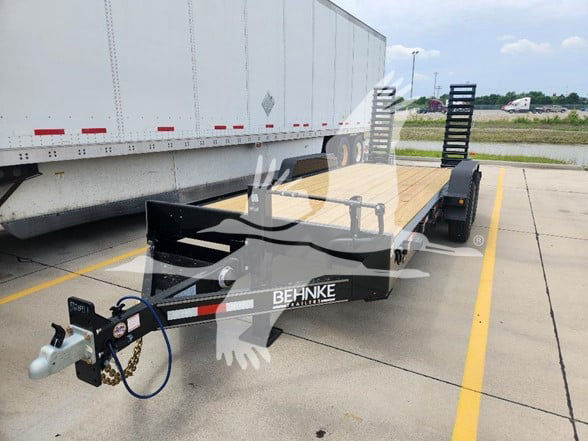
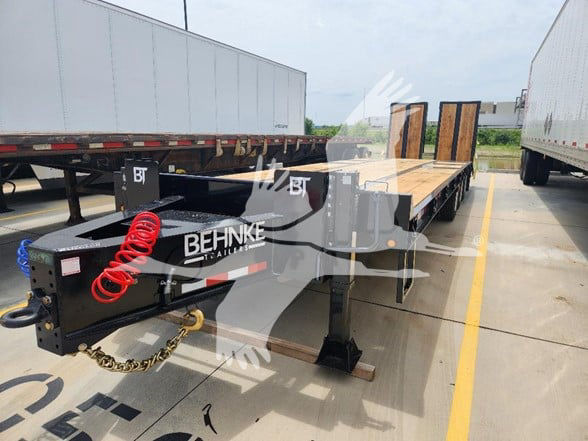
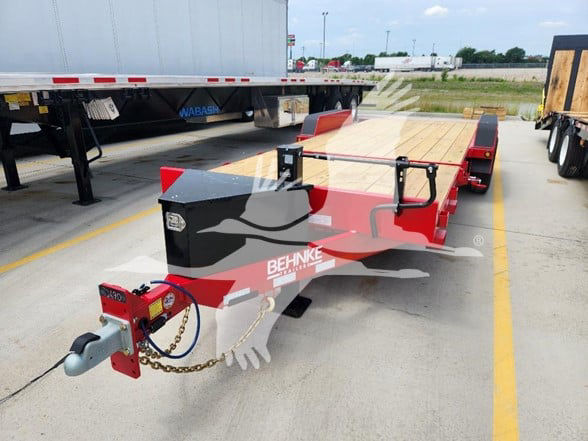
Selling a new 2025 behnke trailer? List your new 2025 behnke trailer for sale and reach thousands of commercial buyers.
New 2025 Behnke Trailers in Illinois
The first decision is usually deck style. A tilt deck trailer reduces loading angle and speeds up loading for low-clearance equipment, especially machines on rubber tracks or units that benefit from a smoother transition onto the deck. Fixed-deck equipment trailers with a beavertail and flip-up ramps are a better fit when you want a simpler rear loading setup and more defined deck space for mixed cargo. On larger Behnke flatbeds, buyers will also see pintle-hitch configurations, spring-ride axle groups, and hydraulic or self-cleaning ramp systems intended for heavier iron. Bed length, beavertail length, deck width between fenders, and ramp width all matter because they directly affect what can be loaded without wasting capacity or fighting clearance issues.
Axle and running gear specs are where trailer value really shows up over time. Common Behnke builds in this class use Dexter axles in Torflex or straight-axle layouts, with electric brakes or forward self-adjusting brake setups, and some heavier models step into oil-bath hubs for easier inspection and better durability in hard use. Tire size, wheel rating, and suspension type should match the machine weights and road conditions you expect. Buyers should also pay attention to jack capacity, breakaway kit condition, safety chain rating, and the trailer coupler or pintle arrangement. On heavier tags, dual-speed landing gear, spring-assist ramps, and hydraulic dampening on tilt sections can make a major difference in day-to-day usability and operator safety.
Behnke trailers are also known for practical jobsite details that matter after the sale, including stake pockets, D-rings, pallet fork holders, toolboxes, fender guards, and visible latch hardware. For buyers comparing listings, it helps to look beyond stated GVWR and focus on usable payload, deck construction, ramp design, and tie-down layout. A 20,000-pound equipment trailer and a 50,000-pound super-duty flatbed solve very different problems, even if both are listed as flatbeds. Matching the trailer to the machine fleet, tow vehicle, hitch type, and loading routine is what determines long-term satisfaction and uptime.
Frequently Asked Questions about New 2025 Behnke Trailers in Illinois
What types of Behnke trailers are common in the 2025 model year?
Common 2025 Behnke trailers include tilt trailers, equipment trailers with beavertails and ramps, and heavy-duty flatbed trailers. These trailers are typically built for hauling construction equipment, agricultural machines, forklifts, attachments, and other dense loads that require stable deck construction and strong tie-down points.
How do I choose between a tilt trailer and a ramp-style equipment trailer?
A tilt trailer is usually the better choice when you load low-clearance equipment or want faster loading without handling ramps. A ramp-style equipment trailer with a beavertail is often preferred for mixed-use hauling, simpler maintenance, and situations where a fixed deck layout gives you better cargo placement. The right choice depends on machine wheelbase, ground clearance, loading frequency, and operator preference.
What GVWR range should I expect on new 2025 Behnke trailers?
In this category, Behnke trailers commonly appear in the 20,000-pound GVWR class for equipment hauling and can extend into the 50,000-pound range for super-duty flatbed applications. GVWR alone is not enough to compare trailers accurately. Buyers should also verify empty weight, axle ratings, tire ratings, coupler or pintle capacity, and the actual payload available after accounting for deck configuration and installed options.
What specs matter most when comparing Behnke trailer listings?
The most important specs are deck length, usable deck width, beavertail or tilt length, axle type, brake system, suspension design, ramp style, hitch type, and tie-down placement. Details like oil-bath hubs, spring-assist ramps, hydraulic dampening, pallet fork holders, stake pockets, and landing gear capacity also matter because they affect durability, loading efficiency, and daily ease of use.
Are Behnke trailers a good fit for commercial equipment hauling?
Behnke trailers are well suited for commercial equipment hauling when the trailer is matched correctly to the machines being transported and the tow vehicle doing the work. Their heavier-duty configurations, practical loading features, and job-focused tie-down layouts make them a strong option for contractors, rental yards, farms, and municipal users that need repeatable performance under load.