
New Behnke Trailers For Sale
Shop new Behnke trailers built for equipment hauling, skid steers, tractors, and jobsite loads with heavy-duty axles, ramps, and tilt decks.
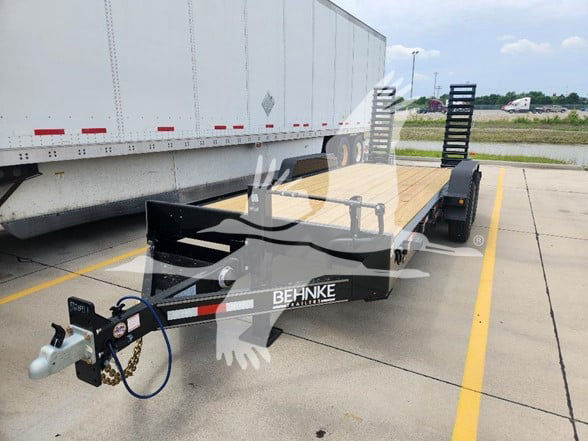
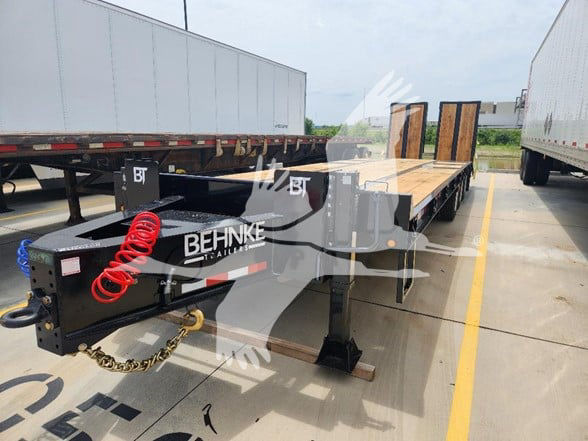
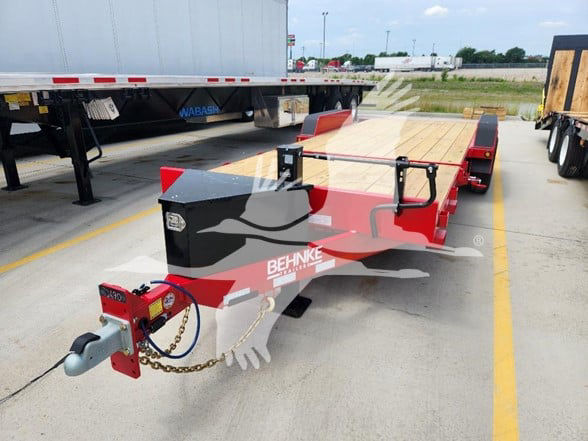
Selling a new behnke trailer? List your new behnke trailer for sale and reach thousands of commercial buyers.
New Behnke Trailers
Capacity and axle spec are usually the first buying decisions. In the sample range, Behnke trailers run from around 20,000 lb. GVW equipment trailers up to 50,000 lb. GVW super duty flatbeds, with tandem or triple axle setups depending on the build. Buyers comparing new Behnke trailers should pay close attention to axle brand and type, brake configuration, suspension design, tire size, and coupler style. Dexter axles, oil bath hubs, Torflex or spring ride suspensions, and electric brake packages are common points of comparison. On heavier models, pintle hitch setups, dual-speed landing gear, and larger commercial tire packages can make a major difference in durability and hookup compatibility with your truck.
Load angle is another big factor in this category. Behnke tilt trailers appeal to operators hauling scissor lifts, small rollers, palletized materials, and low-clearance equipment because a tilt deck can speed up loading and reduce ramp handling. Beavertail and ramp-style trailers remain a strong choice when you want a fixed deck, simple maintenance, and flexibility for mixed equipment. Look at tilt length, stationary deck length, ramp width, ramp assist design, deck width between fenders, and tie-down placement before you decide. Features like pallet fork holders, toolboxes, fender guards, and visible tilt latch systems are practical additions for crews that use the trailer every day instead of occasionally.
A new Behnke trailer is generally a fit for contractors, rental fleets, farmers, and owner-operators who want a purpose-built equipment trailer with commercial-grade components. The right setup depends on what you haul most often, not just the highest GVW on paper. Measure your machine width, operating weight, attachment length, and ground clearance, then match that to deck length, beavertail design, axle rating, jack capacity, and tire spec. For buyers focused on uptime, simple service points like E-Z Lube or oil bath hubs, self-adjusting brakes, and easy-to-replace ramp hardware can be just as important as frame capacity.
Frequently Asked Questions about New Behnke Trailers
What are new Behnke trailers commonly used for?
New Behnke trailers are commonly used for hauling compact construction equipment, tractors, skid steers, forklifts, lifts, and palletized jobsite materials. Many models are built as equipment trailers or heavy-duty flatbeds with either tilt decks or beavertails, which makes them well suited for contractors, ag operations, rental yards, and municipalities that need repeated loading and unloading throughout the day.
Should I choose a Behnke tilt trailer or a ramp-style equipment trailer?
A tilt trailer is usually the better choice for low-clearance equipment and frequent loading because it reduces load angle and eliminates separate ramp handling. A ramp-style or beavertail trailer can be the better fit if you want a fixed full deck, simpler mechanical design, and flexibility for hauling a wider mix of machines and materials. The right choice comes down to your equipment's wheelbase, ground clearance, loading frequency, and whether deck space or loading convenience matters more.
What specs matter most when comparing new Behnke trailers?
The most important specs are GVW, payload capacity, deck length, deck width, axle rating, brake type, suspension, coupler or pintle setup, and tire size. Buyers should also review practical jobsite features such as D-ring placement, stake pockets, jack capacity, ramp design, tilt cylinder layout, toolbox size, and the width between fenders. Those details affect how easily the trailer works with your equipment and tow vehicle.
Are Behnke trailers built for commercial hauling?
Many Behnke trailers are configured with commercial-duty components such as heavy steel frames, Dexter axles, oil bath or E-Z Lube hubs, spring-loaded ramps, pintle hitches, and landing gear designed for heavier daily use. That makes them a strong fit for businesses that haul equipment regularly. Buyers still need to verify that the specific trailer's GVWR, brake system, hitch rating, and local DOT requirements match the intended application.
How do I size a new Behnke trailer for my equipment?
Start with the actual operating weight of the machine, then add attachments, fuel, buckets, forks, or other accessories that stay on during transport. Next, confirm the overall length, outside tire width, and ground clearance so you can choose the correct deck length, width between fenders, and loading style. It is also important to account for tongue weight, tie-down points, and the tow vehicle's rated capacity so the complete combination is safe and legal.