
2010 Trailers For Sale in Pennsylvania
Browse 2010 trailers for sale in Pennsylvania, including van, flatbed, drop deck, and specialty trailer options for regional and over-the-road work.
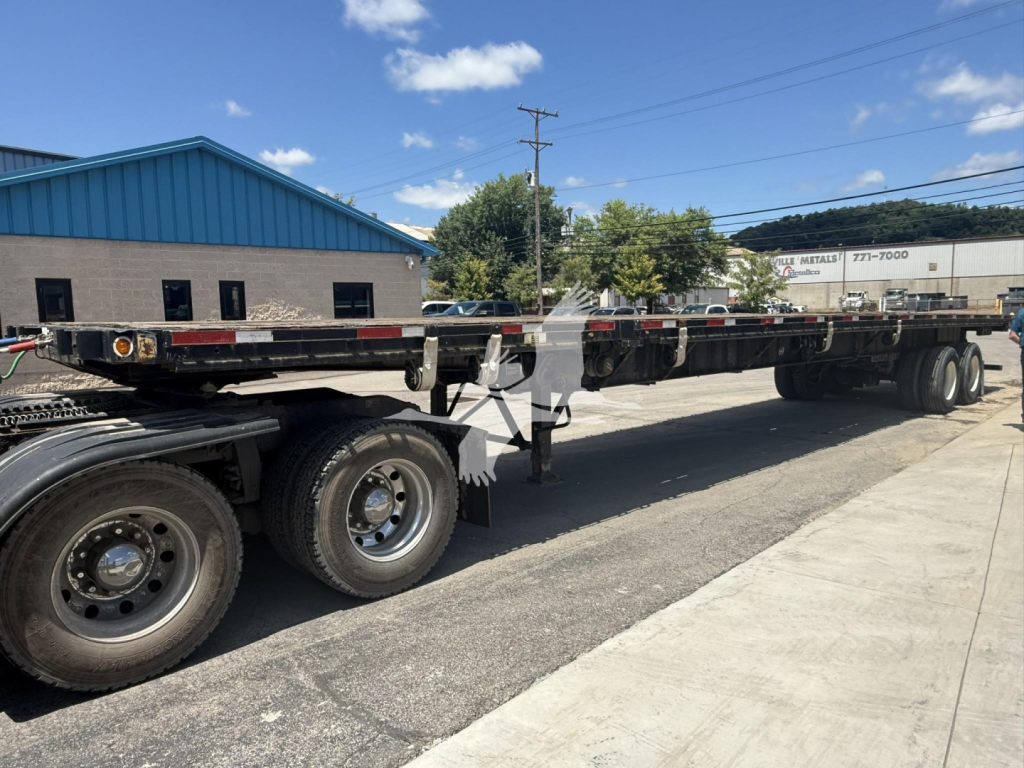
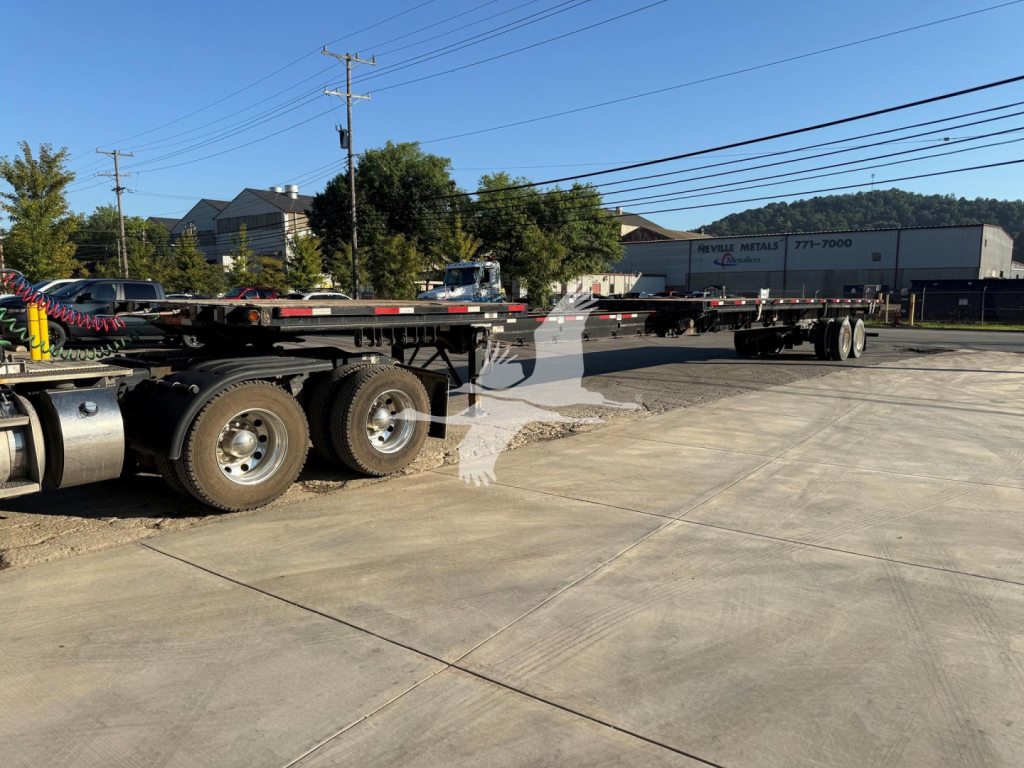
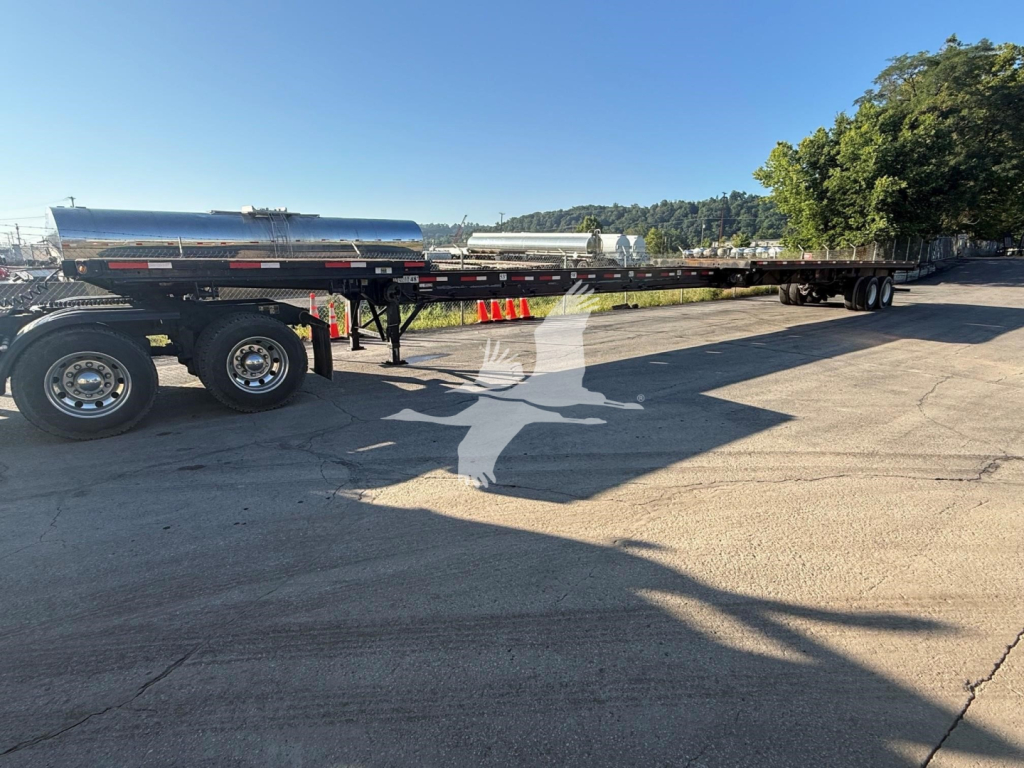

Looking for the easiest place to sell your 2010 trailer? List it here to reach thousands of buyers.
2010 Trailers in Pennsylvania
For van trailers from this era, pay close attention to sidewall construction, roof condition, floor wear, rear frame integrity, and door seal performance. Common specs include 53-foot length, 102-inch width, tandem axles, sliding tandems, swing doors, wood floors, and air ride suspension. Plate vans are often preferred for higher-abuse freight, while logistics posts, scuff liners, galvanized rear frames, and aluminum roofs can add durability and resale value. Floor fastener retention, threshold plate wear, crossmember spacing, and signs of water intrusion around the nose and roof seams matter more on an older van than cosmetic appearance.
On 2010 flatbed and drop deck trailers, buyers usually focus on weight, deck layout, tie-down equipment, and suspension setup. Aluminum flatbeds can offer strong payload advantages, but side rail condition, crossmember integrity, winch track wear, and deck damage should be checked closely. Features such as sliding winches, stake pockets, pipe spools, coil packages, and air ride suspension can make a major difference depending on the freight mix. For drop decks, top deck length, loaded deck height, axle spread, and ground clearance all affect what can move legally and efficiently. In Pennsylvania and surrounding states, bridge law compliance, axle spacing, and tire condition are especially important for regional heavy-haul and building-material applications.
A good 2010 trailer purchase comes down to usable remaining life and fit for the lane. Look closely at kingpin wear, landing gear operation, brake type and lining life, wheel-end history, tire size uniformity, and evidence of frame or subframe repairs. Corrosion around suspension hangers, rear impact guards, crossmembers, and wiring connections is common on Northeast equipment and deserves a thorough inspection. If the trailer will run multi-state freight, it also helps to verify dimensions, empty weight, and load rating against the cargo you actually haul rather than buying only on price.
Frequently Asked Questions about 2010 Trailers in Pennsylvania
Is a 2010 trailer too old for regular commercial use?
Not necessarily. A 2010 trailer can still be a sound commercial unit if the frame, suspension, brakes, floor or deck, and wheel ends have been maintained properly. Trailer age matters less than corrosion level, structural condition, repair quality, and whether the specs still fit your freight. Many buyers target older trailers specifically because they can offer a lower acquisition cost without sacrificing utility if they pass a thorough inspection.
What should I inspect first on a used 2010 trailer in Pennsylvania?
Start with corrosion-prone areas and load-bearing components. In Pennsylvania, road salt and winter exposure make it important to inspect crossmembers, suspension hangers, slider boxes, rear frame sections, wiring, brake plumbing, and landing gear mounts. On vans, check the floor, roof seams, and rear door frame. On flatbeds and drop decks, inspect deck condition, side rails, winch tracks, and any cracks or repairs around concentrated load areas.
What trailer types are most common in the 2010 used market?
Buyers commonly find dry vans, flatbeds, drop decks, and some specialty heavy-haul configurations from the 2010 model year range. Dry vans are widely used for general freight and distribution. Flatbeds are common for steel, lumber, machinery, and palletized freight that loads from the side or overhead. Drop decks are used when taller cargo needs lower deck height to stay legal. The best choice depends on freight dimensions, loading method, and route requirements.
Are air ride and sliding tandems important on a 2010 trailer?
For many operations, yes. Air ride suspension helps protect cargo, improves ride quality, and is common on van, flatbed, and drop deck trailers. Sliding tandems are especially useful on van trailers because they help with bridge law compliance and weight distribution across different states and load profiles. On an older trailer, confirm that the suspension components, slider mechanism, and locking pins are operating correctly and are not compromised by wear or rust.
How do I judge value on a 2010 trailer?
Value is tied to trailer type, structural condition, remaining tire and brake life, repair history, and useful spec. A well-maintained 2010 trailer with solid crossmembers, good floors or decking, healthy wheel ends, and desirable features such as air ride, coil package, or logistics posts may be a better buy than a newer trailer with poor maintenance history. Empty weight, payload capability, and expected reconditioning cost should all be part of the valuation.