
2010 Fontaine Trailers For Sale in Pennsylvania
Shop 2010 Fontaine trailers for sale in Pennsylvania, including flatbed and specialized hauling options with specs buyers compare most.
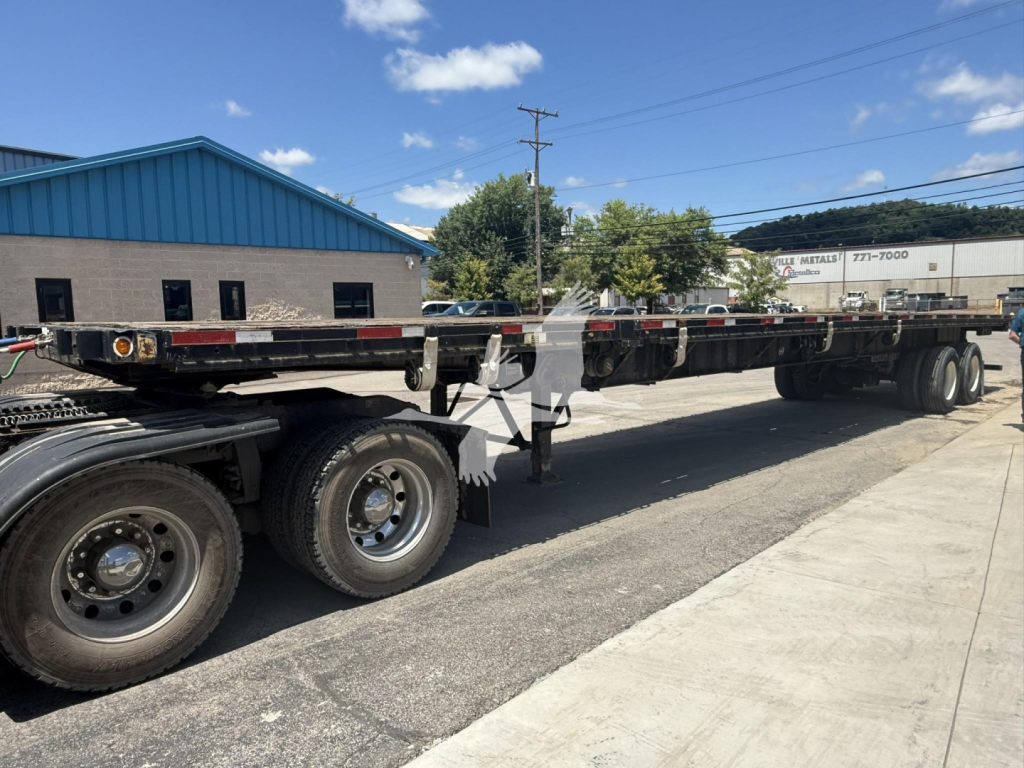
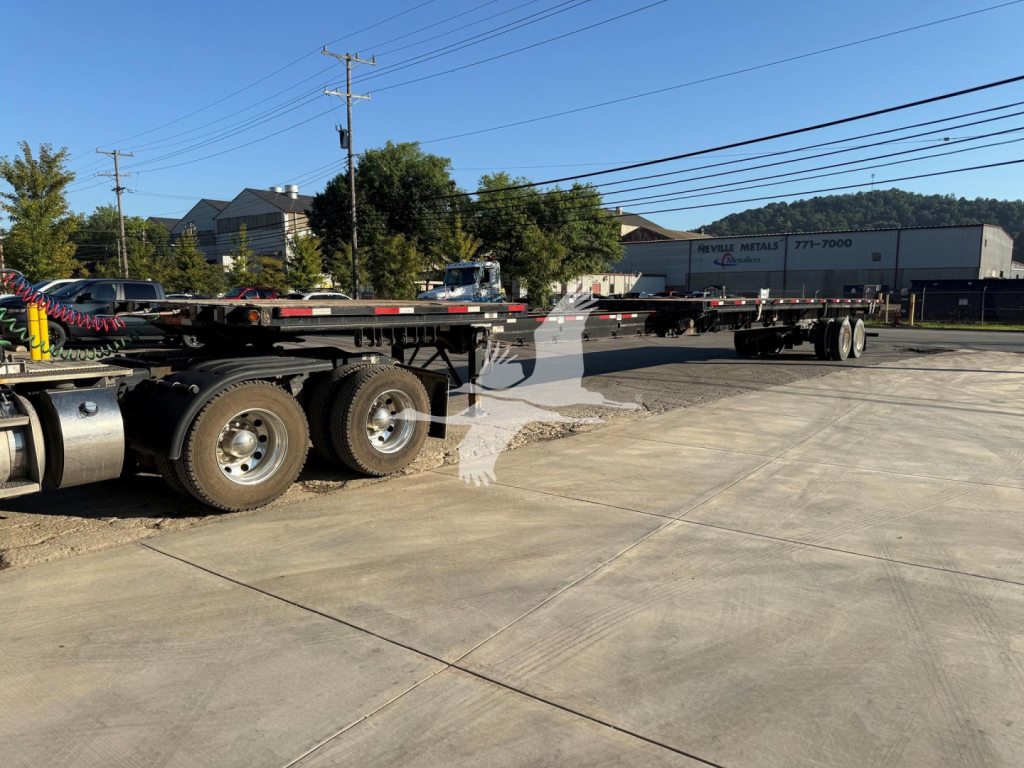
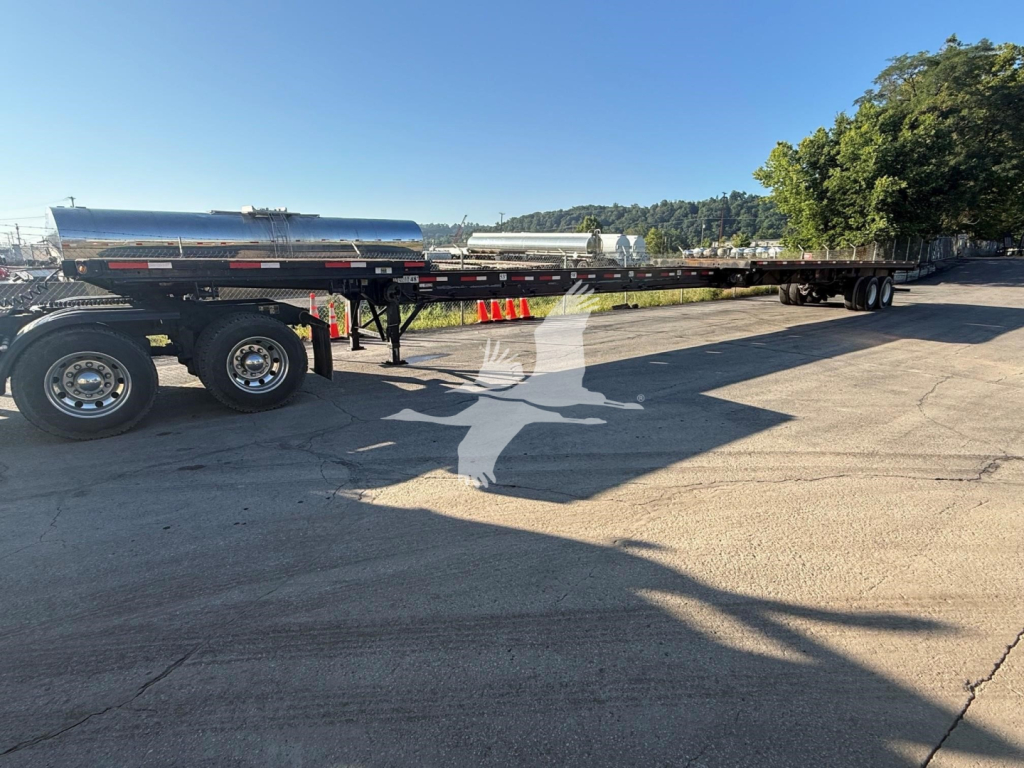
Have 2010 fontaine trailer to sell? List it here to reach thousands of buyers.
2010 Fontaine Trailers in Pennsylvania
For flatbed buyers, the important decisions usually come down to deck construction, tie-down equipment, axle setup, and suspension. Many Fontaine flatbeds from this era were built in 48-foot or similar lengths with a 102-inch width, air ride suspension, and tandem or spread axle layouts. Buyers should look closely at crossmember spacing, side rail condition, winch track placement, pipe spools, and the number of sliding winches. Flooring can vary between aluminum and wood, including Apitong on some trailers, and that choice affects repair cost, traction, and load securement flexibility. Kingpin setting, landing gear condition, and any evidence of frame repairs also deserve a careful inspection.
If the trailer is an extendable or specialized Fontaine, extension design and rated capacity become even more important. Buyers should verify closed and open deck lengths, extension lock intervals, deck height, ground clearance, and the condition of wear surfaces in the beam or track system. On heavy haul and double drop models, inspect the neck area, suspension components, axle alignment, and concentrated load ratings, not just the overall distributed GVWR. A 2010 model can still be a productive trailer if it has been maintained correctly, but specialized trailers reward a more detailed inspection because repair costs rise quickly when slide mechanisms, structural members, or deck sections have excessive wear.
Pennsylvania buyers should also pay attention to corrosion, brake condition, tire age, lighting, and signs of winter road exposure. Air ride suspension, sliding tandems, steel or aluminum wheel choice, and FHWA inspection history can all affect operating cost after purchase. Fontaine trailers are widely recognized in the market, which helps with parts support and long-term value, but the best buy is always the trailer whose specs match the freight. For steel, lumber, machinery, building materials, or longer loads that require adjustability, a properly maintained 2010 Fontaine trailer can still be a practical and dependable hauling asset.
Frequently Asked Questions about 2010 Fontaine Trailers in Pennsylvania
What are the most important things to inspect on a 2010 Fontaine trailer?
Start with the frame, crossmembers, side rails, suspension, brakes, and deck condition. On flatbeds, look for bent rails, cracked welds, damaged winch tracks, rotten or loose flooring, and wear around pipe spools and tie-down points. On extendable or double drop Fontaine trailers, inspect the extension beams or tracks, locking mechanism, neck structure, deck height consistency, and any signs of stress around concentrated load areas. Tire date codes, wheel condition, air leaks, lighting, and corrosion from winter road treatment are also important on a 2010 trailer.
Are 2010 Fontaine flatbed trailers still a good buy for general freight?
They can be, if the trailer has the right spec and a solid maintenance history. Fontaine flatbeds are known for being common, serviceable trailers in open-deck work, and many remain productive well beyond 2010 if they have not been overloaded or poorly repaired. A buyer should match the trailer to the freight first, then verify deck material, axle configuration, suspension type, securement setup, and structural condition. Age alone is less important than prior use, rust exposure, and repair quality.
What specs matter most when comparing a 2010 Fontaine extendable trailer?
Focus on closed length, extended length, extension lock spacing, deck type, rated capacity, kingpin setting, and tandem configuration. The condition of the inside track or beam system is critical because wear there affects both safety and serviceability. Buyers should also check deck straightness when closed and extended, inspect air and electrical line routing through the extension area, and confirm that the trailer’s weight works for the loads being hauled. Extendable trailers add versatility, but they also add moving parts that need closer inspection.
What is Fontaine best known for in the trailer market?
Fontaine is best known for open-deck and specialized trailers, including flatbeds, extendables, and heavy haul models such as lowboys and double drops. The brand has long been recognized by fleets and owner-operators for application-focused trailer designs, broad parts familiarity, and strong presence in construction, building materials, steel, and machinery hauling. That reputation helps buyers because most shops understand the product line and many operators already know the brand’s common specs and service points.
How does Pennsylvania use affect the value of a 2010 trailer?
Pennsylvania use can affect value through corrosion, brake wear, suspension wear, and damage from rough surfaces, seasonal weather, and road salt. A trailer that worked locally in construction or steel may show more deck wear and frame stress than one used in lighter over-the-road service. Buyers should inspect the underside carefully, including brake chambers, air lines, suspension hangers, sliders, wiring, and light connections. A clean inspection history and evidence of consistent maintenance can make a major difference in the real value of an older trailer in this region.