
2010 Fontaine Trailers For Sale
Shop 2010 Fontaine trailers including flatbed, drop deck, and specialized configurations with specs, applications, and buyer considerations.
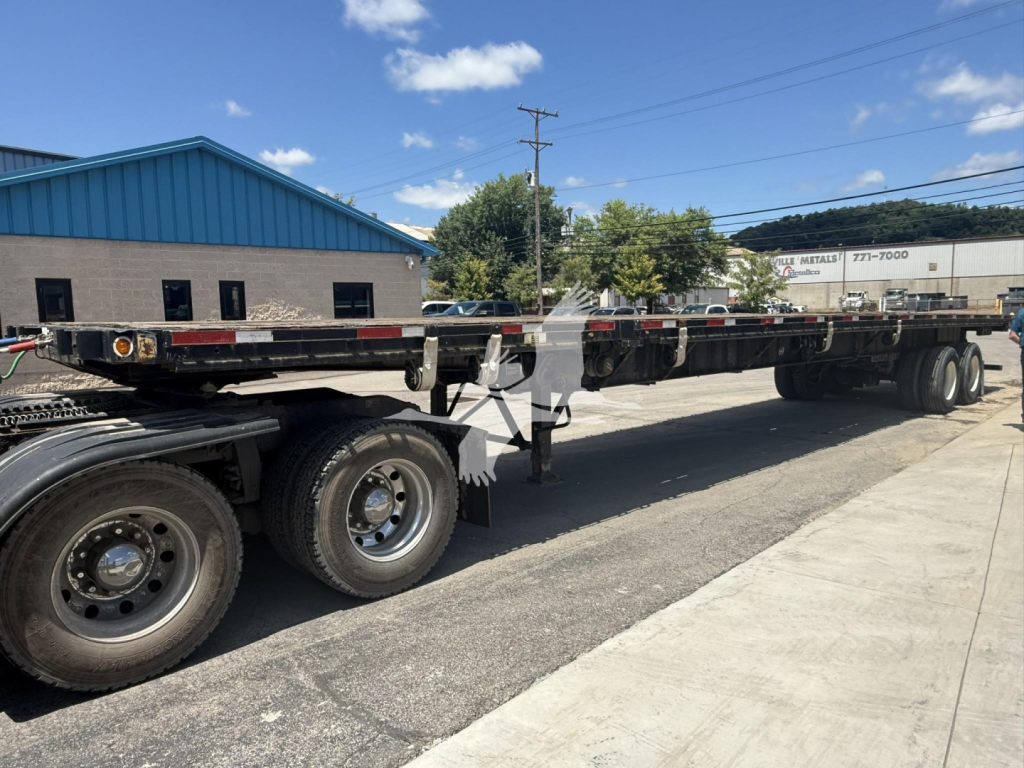
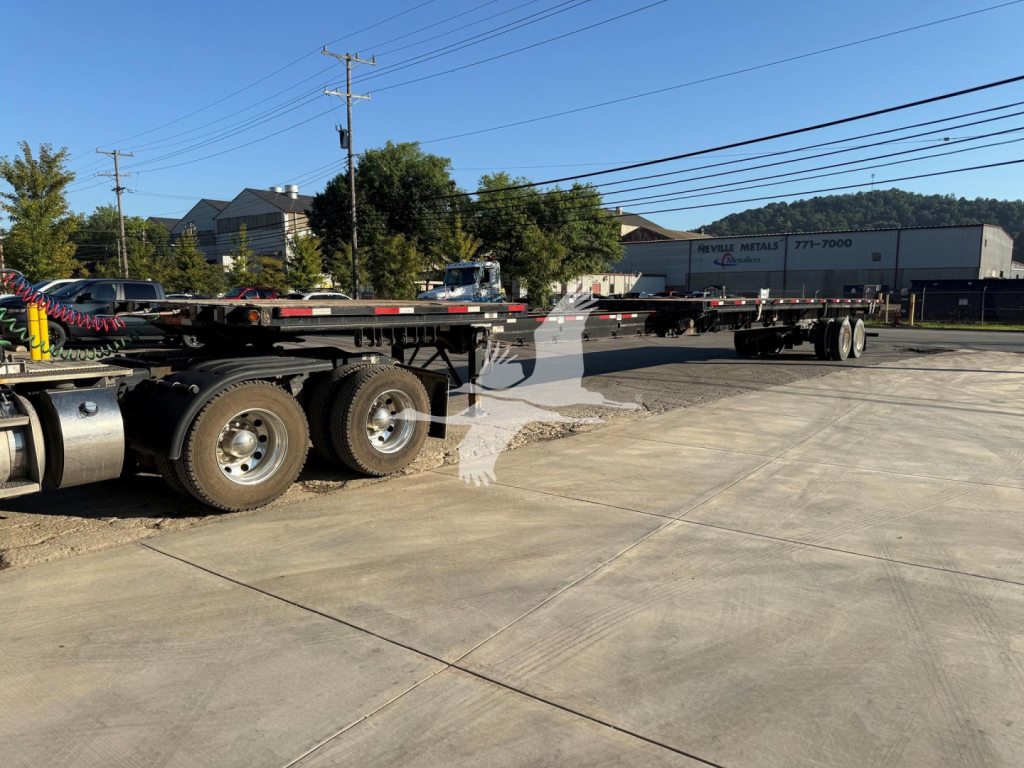
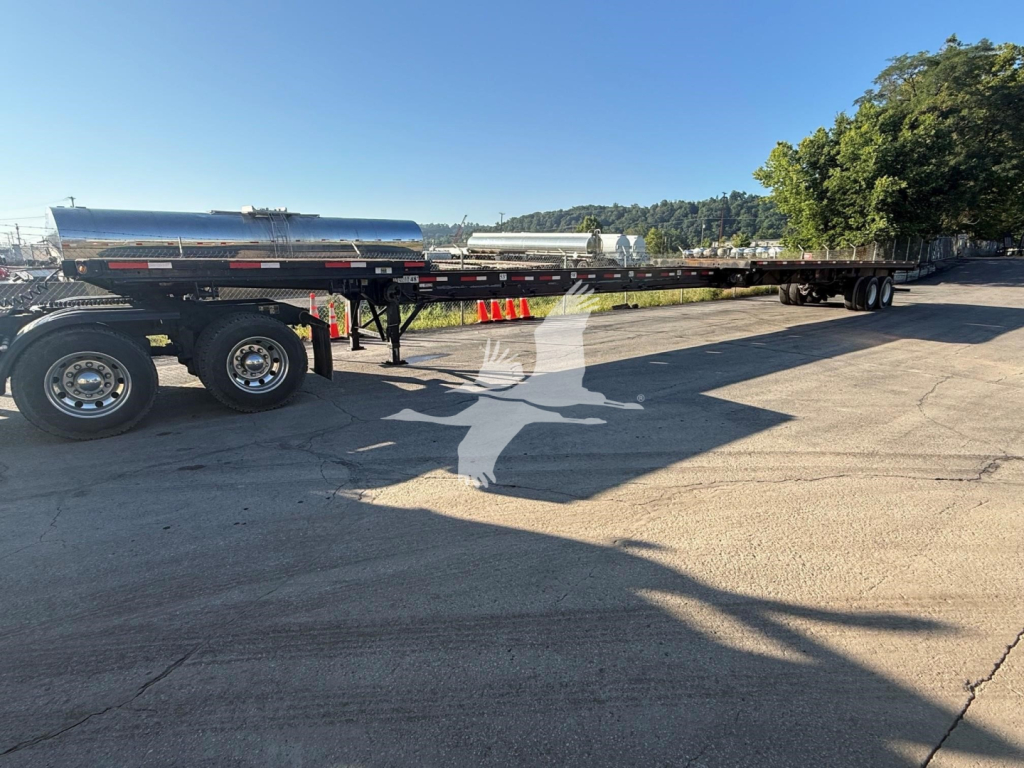
Have 2010 fontaine trailer to sell? List it here to reach thousands of buyers.
2010 Fontaine Trailers
Fontaine flatbeds from this era are often found with steel main beams paired with aluminum deck sections and side rails, or with full steel layouts intended for harder vocational use. That construction choice directly affects empty weight, corrosion resistance, and long-term repair cost. A combo flatbed usually appeals to carriers that want better payload efficiency without giving up beam strength, while an all-steel trailer can make sense for rough loading environments, dense freight, and operators who prioritize structural durability over tare weight. On used 2010 units, check for deck wear around forklift traffic lanes, elongation at stake pockets, winch track damage, bulkhead condition if equipped, and signs of prior frame or neck repair.
If the trailer is a drop deck or step deck, pay close attention to loaded deck height, upper deck length, axle placement, and bridge law practicality for your lanes. Fontaine has also built California-legal and sliding axle configurations, so kingpin setting, tandem spread, and slide travel can matter just as much as overall length. Open-deck freight spec items such as sliding winches, coil package, pipe spools, nail strips, dunnage racks, toolboxes, and scuff protection add real day-to-day value because they reduce setup time and expand cargo flexibility. Suspension type is another buying point. Air ride is common on higher-spec trailers and helps with ride quality and cargo protection, while spring suspension may still be attractive for simplicity and lower maintenance exposure.
For a 2010 Fontaine trailer, the best buy is usually the one with a clean structural history and the right spec for the freight, not just the lowest price. Inspect tire size and wheel type, verify brake and ABS condition, and look for uneven wear that may point to alignment or suspension issues. On combo trailers, watch for galvanic corrosion where dissimilar metals meet, especially around fasteners and transition points. If the trailer will haul coils, machinery, building products, or over-dimensional freight, confirm that the deck layout, tiedown equipment, and axle configuration match the job. Fontaine remains a recognized name in open-deck equipment, and a well-maintained 2010 model can still be a productive trailer for regional steel, lumber, machinery, and general flatbed service.
Frequently Asked Questions about 2010 Fontaine Trailers
What types of 2010 Fontaine trailers are most common on the used market?
The most common 2010 Fontaine trailers are flatbeds, drop decks, and other open-deck configurations built for general freight or specialized hauling. Many are 48-foot or 53-foot units with 102-inch width, and they may be spec'd as combo trailers with steel main beams and aluminum components or as full steel platforms. The exact configuration matters because payload, deck durability, and repair cost can vary significantly between trailer types.
Is a 2010 Fontaine combo trailer better than an all-steel trailer?
A combo trailer is usually better for buyers who want lower tare weight and stronger corrosion resistance in the deck and rail areas, while an all-steel trailer often suits harsher loading conditions and buyers who value straightforward structural repairs. Neither is automatically better in every operation. The right choice depends on freight mix, annual mileage, loading methods, and whether payload efficiency or rugged durability is the higher priority.
What should I inspect first on a used 2010 Fontaine trailer?
Start with the main beams, crossmembers, deck surface, suspension, axle alignment, brakes, and rear frame structure. Those components determine whether the trailer is still structurally sound and roadworthy. On open-deck trailers, also inspect winch tracks, stake pockets, coil wells or coil package areas, bulkheads, and signs of concentrated forklift damage. Tire wear patterns and cracked weld repairs can reveal problems that are more important than paint or appearance.
Are 2010 Fontaine trailers still a good fit for modern freight work?
Yes, many 2010 Fontaine trailers can still perform well in current flatbed and specialized hauling service if they have been maintained properly and match the intended application. Open-deck trailers do not become obsolete quickly when the frame, deck, suspension, and tiedown systems remain in good condition. The key is confirming that the trailer's axle setup, deck style, and securement equipment fit today's freight and compliance requirements.
Which specs matter most when comparing 2010 Fontaine flatbeds and drop decks?
The most important specs are overall length, deck height, construction type, axle configuration, suspension, kingpin setting, and securement equipment. Buyers should also compare whether the trailer has sliding winches, coil package equipment, nail strips, dunnage storage, tire inflation systems, and spread or sliding axle layouts. These details affect legal loading, freight versatility, maintenance cost, and how efficiently the trailer works in real operating conditions.