
2010 Fontaine Flatbed Trailers For Sale
Shop 2010 Fontaine flatbed trailers with specs buyers want, including deck construction, axle setup, tie-down options, and load ratings.
Selling a 2010 fontaine flatbed trailer? List your 2010 fontaine flatbed trailer for sale and reach thousands of commercial buyers.
2010 Fontaine Flatbed Trailers
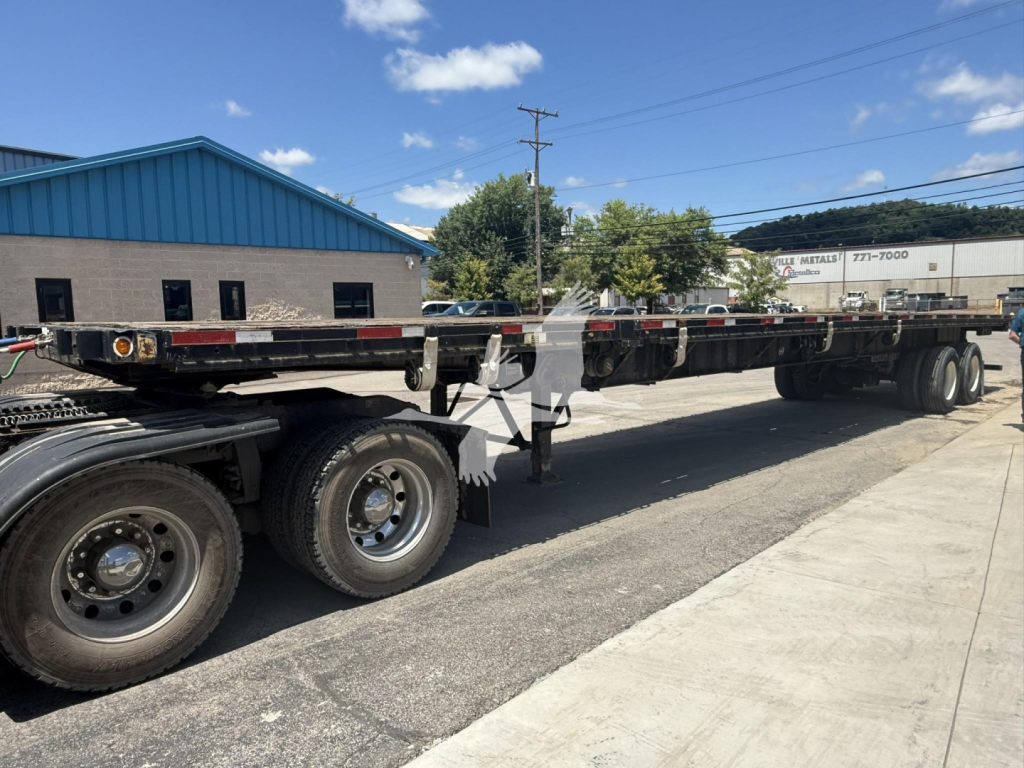
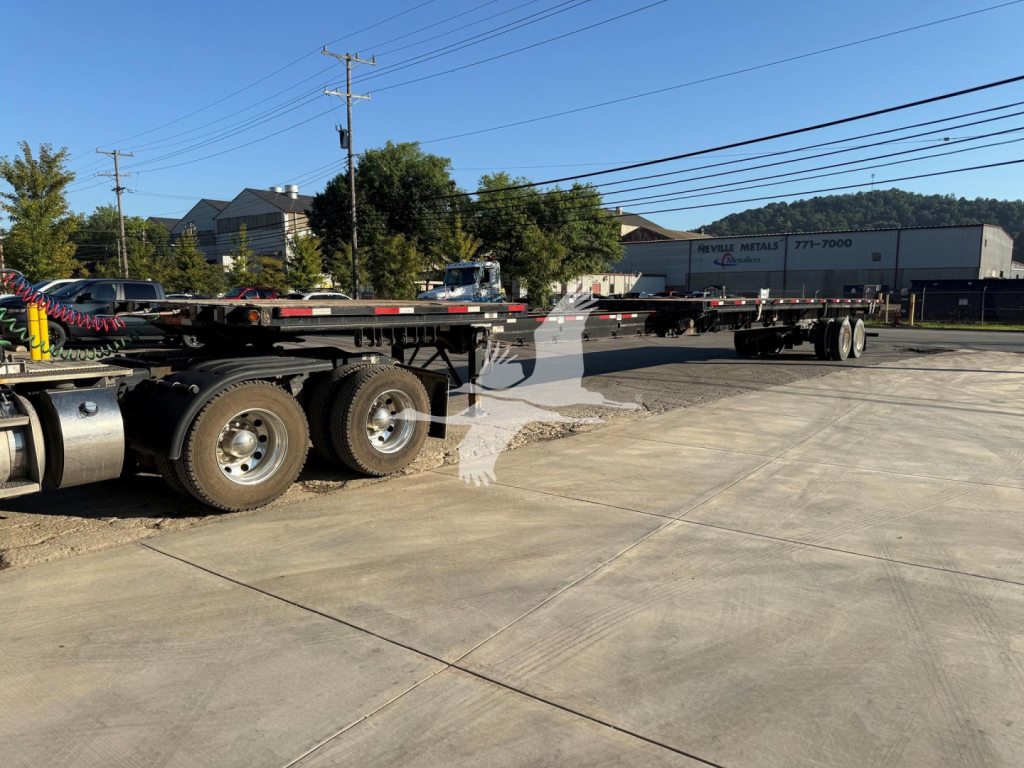
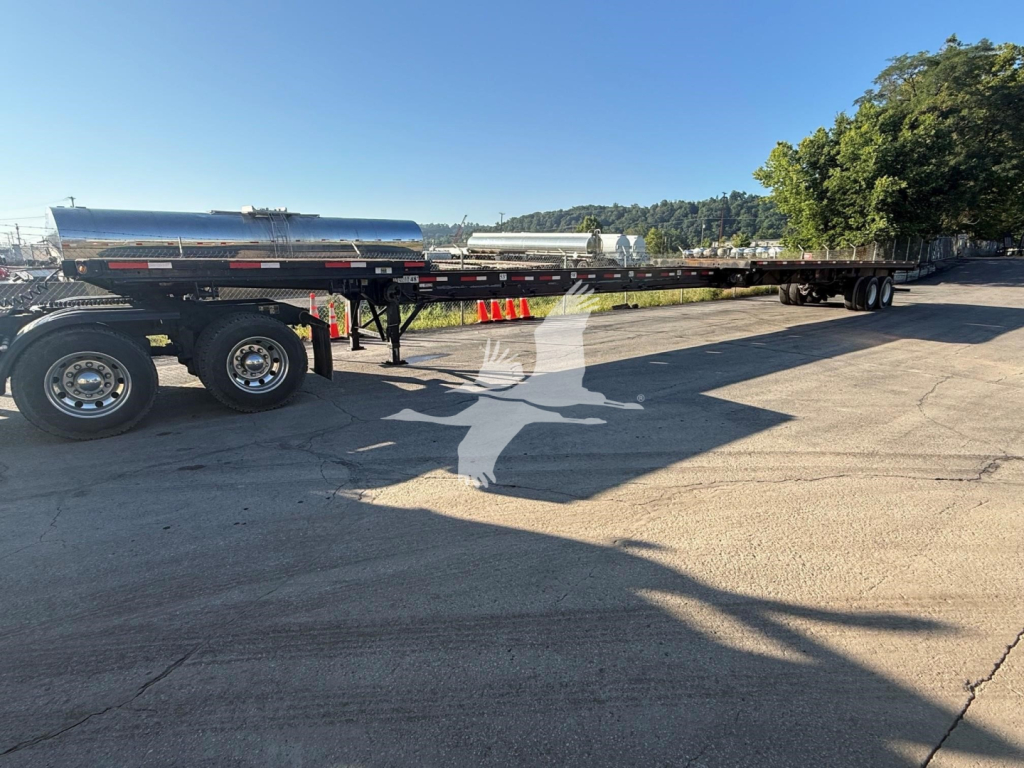
Construction matters more than brand decals on an older flatbed. Many Fontaine trailers from this period were built as steel, aluminum, or combo units, with combo trailers being especially popular because they balance tare weight and durability. Common features include aluminum flooring with wood nailer strips, integrated rub rails, stake pockets on regular centers, chain tie-downs, and full or partial winch tracks. Coil package specs are also important if steel service is part of the plan. A trailer with the right concentrated load rating, reinforced deck sections, and proper securement layout will be much more useful than a light trailer that is limited to general freight. If your lanes include dense freight, check main beam condition, crossmember spacing, flooring wear, and any signs of prior deck repairs.
Running gear is another major decision point on a 2010 Fontaine flatbed. Buyers should verify whether the trailer has a sliding tandem, fixed spread, or closed tandem setup, and match that to bridge law and regional operating requirements. Air ride suspension is common and generally preferred for ride quality and freight protection, but spring ride units still appear in some applications. Kingpin setting, loaded deck height, tire size, wheel type, brake condition, and ABS status all affect day-to-day usability. On older trailers, landing gear operation, slider function, bushing wear, suspension alignment, and brake component life can be as important as the deck itself. Corrosion around crossmembers, rear frame sections, and light harness routing is also worth a close inspection, especially in northern service areas.
For many buyers, a 2010 Fontaine flatbed trailer offers a practical middle ground between acquisition cost and remaining service life. The best units usually show consistent maintenance, straight rails, clean weld history, solid flooring, and securement equipment that matches the freight mix. If the trailer will handle coils, machinery, or forklift loading, look closely at deck reinforcement, bulkhead provisions, and side rail wear. If the priority is maximizing payload on legal highway freight, a combo or aluminum-heavy spec may be the better fit. The right trailer in this category is not just about length and price. It is about load rating, securement layout, axle configuration, and how well the trailer’s original spec still matches the work it needs to do today.
Frequently Asked Questions about 2010 Fontaine Flatbed Trailers
What should I inspect first on a 2010 Fontaine flatbed trailer?
Start with the structural components. Inspect the main beams, crossmembers, side rails, and rear frame for cracks, corrosion, bends, or repair work. Then check the deck for soft spots, gouging, loose fasteners, and evidence of heavy point loading. After that, evaluate the suspension, brakes, slider mechanism if equipped, landing gear, and all tie-down equipment such as stake pockets, rub rails, chain ties, and winch tracks. On a trailer of this age, structural condition and maintenance history usually matter more than appearance.
Are 2010 Fontaine flatbeds usually steel, aluminum, or combo trailers?
They can be found in all three, but combo construction is especially common because it balances weight savings with durability. A combo flatbed generally uses steel main structural components with aluminum in areas like the deck or side assemblies. Full steel trailers tend to be heavier but may hold up well in severe-duty work, while aluminum-heavy configurations can improve payload but should be evaluated carefully for fatigue, deck wear, and prior repairs. The right choice depends on freight type, route profile, and how important tare weight is to your operation.
Is a sliding tandem important on a Fontaine flatbed?
For many operations, yes. A sliding tandem gives more flexibility for axle weight distribution and bridge compliance, especially when hauling mixed commodity loads in different states. It can also help adapt the trailer to varying freight placement. A fixed spread or other axle arrangement may work well in specific applications, but it is less flexible for general freight. If a 2010 trailer has a sliding tandem, make sure the slider rails, locking pins, air system, and suspension components are in good working order.
What load securement features are common on Fontaine flatbed trailers?
Common securement features include stake pockets, integrated rub rails, chain tie-downs, sliding winches, and winch tracks. Some trailers also include coil package features for hauling concentrated steel loads. The exact securement layout matters because it determines how easily the trailer can handle lumber, machinery, pipe, steel, or palletized building materials. Buyers should confirm that securement points are not bent, cracked, or excessively worn, and that the trailer’s layout matches the freight they intend to haul most often.
Can a 2010 Fontaine flatbed still be a good buy for regular over-the-road use?
Yes, if the trailer has been maintained properly and the spec fits the application. Many 2010 flatbeds remain productive in regional and over-the-road service because platform trailers are straightforward, versatile, and repairable. The key is to buy based on condition and specification, not just age. A straight trailer with sound beams, a solid deck, functional running gear, and the right securement setup can still provide strong value for general freight, steel, lumber, and equipment hauling.