
2010 Fontaine Flatbed Trailers For Sale in Pennsylvania
Shop 2010 Fontaine flatbed trailers in Pennsylvania. Compare deck specs, tandem setups, suspension types, and load securement features.
Selling a 2010 fontaine flatbed trailer? List your 2010 fontaine flatbed trailer for sale and reach thousands of commercial buyers.
2010 Fontaine Flatbed Trailers in Pennsylvania
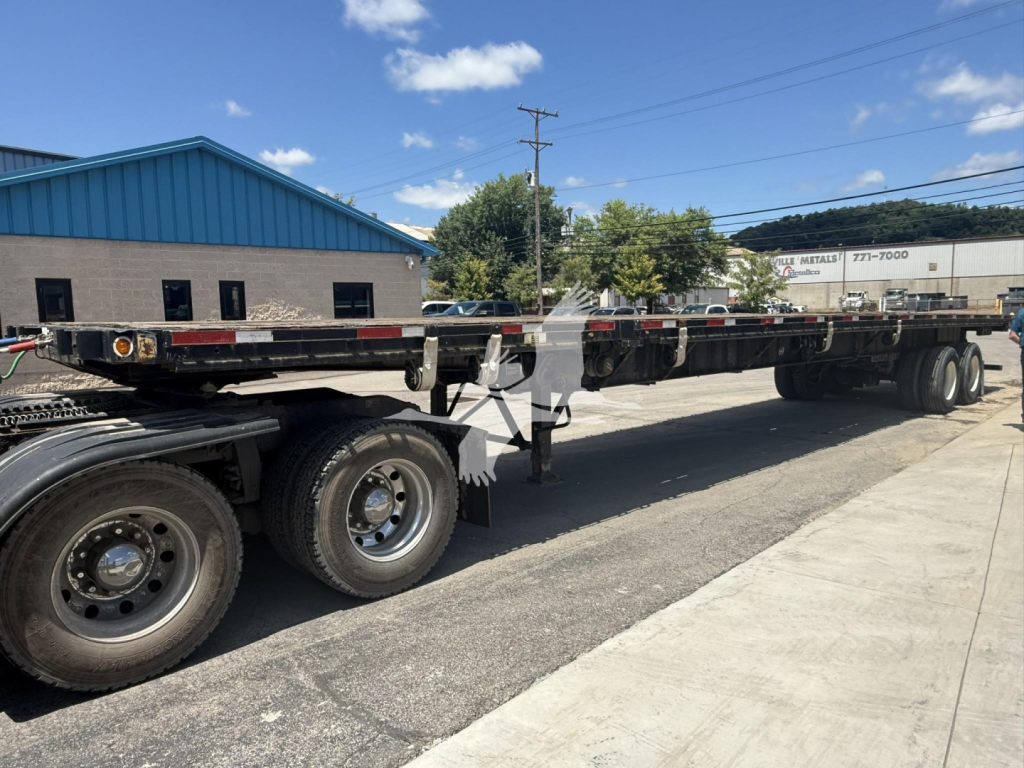
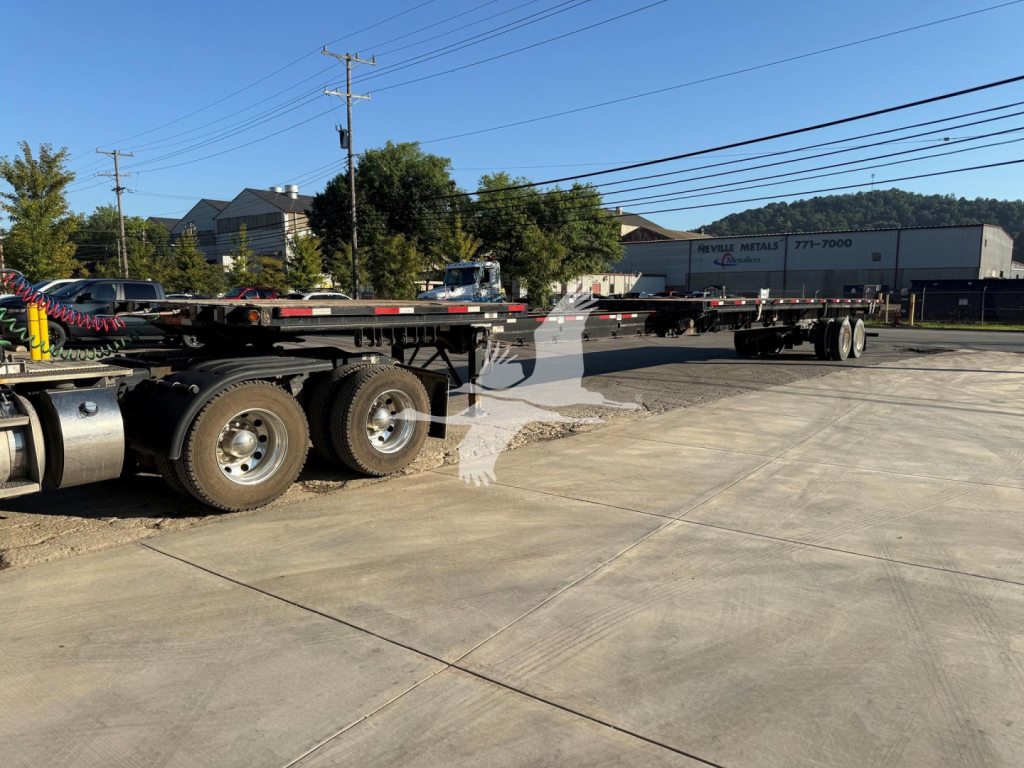
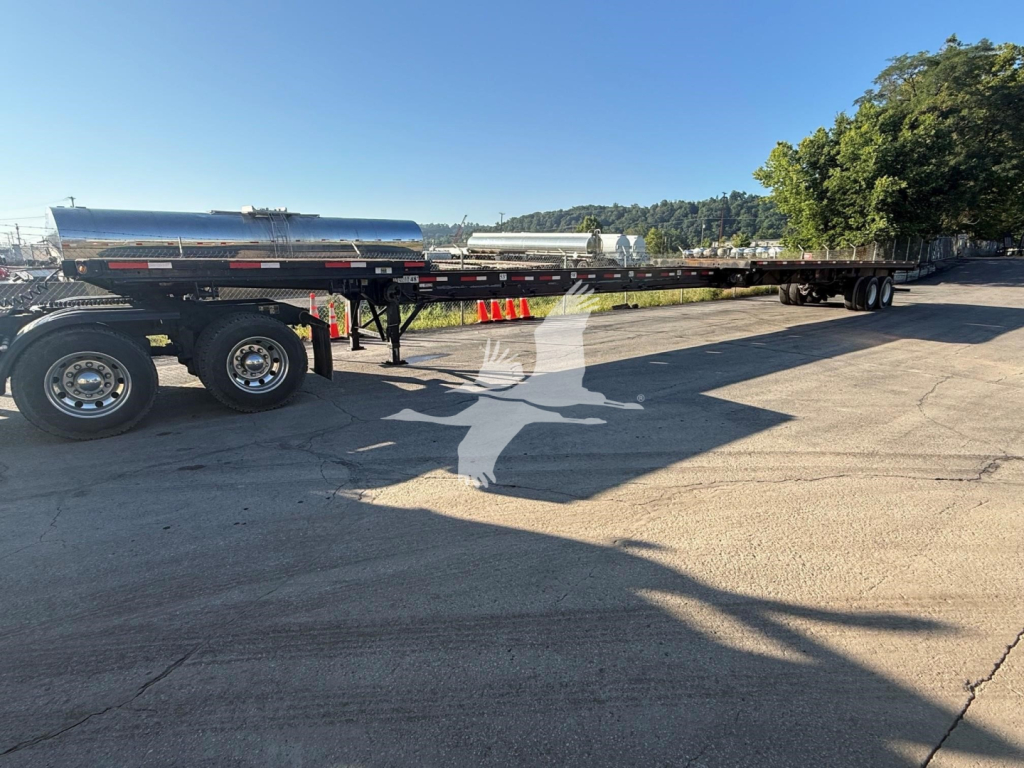
Most Fontaine flatbeds from this era are 48-foot by 102-inch trailers, though some buyers may also cross-shop extendable or spread-axle configurations depending on the work. Common details to review include kingpin setting, tandem slider travel, crossmember spacing, side rail design, and overall tare weight. Many trailers in this class use an apitong wood floor, steel side rails, sliding winches, and a roadside winch track. Suspension can be spring ride or air ride, and that choice matters in both ride quality and maintenance planning. Air ride is often preferred for more sensitive cargo and broader resale appeal, while spring ride remains simple and proven for tougher applications. In Pennsylvania, trailer condition underneath matters, so pay close attention to corrosion around crossmembers, floor fasteners, light wiring, suspension hangers, and slider components.
A used 2010 flatbed buyer should inspect load securement features as closely as the running gear. Winch count, winch track condition, stake pockets, rub rail wear, and any added chain tie-down points all affect how versatile the trailer will be day to day. Deck replacement history is worth asking about, especially if the trailer has seen heavy forklift traffic or concentrated loads. Tire size, wheel type, brake condition, and hub service records also help separate a ready-to-work trailer from one that will need immediate shop time. If the trailer has a sliding tandem, confirm that the locking pins engage cleanly and that the slider rails are not excessively worn or cracked.
For many operations, a 2010 Fontaine flatbed trailer hits a useful middle ground between acquisition cost and capability. It can be a solid choice for regional construction supply, steel service, machinery transport, and general commodity freight where open access from the sides and top speeds loading. Buyers comparing listings should focus on GVWR and distributed load rating, deck straightness, evidence of frame repairs, lighting upgrades such as LED conversions, and overall alignment of the axles and suspension. A well-kept Fontaine flatbed from this period can still offer dependable service if the structure, deck, brakes, and securement hardware have been maintained properly.
Frequently Asked Questions about 2010 Fontaine Flatbed Trailers in Pennsylvania
What should I inspect first on a 2010 Fontaine flatbed trailer?
Start with the frame, deck, and suspension. Check for cracked welds, bent side rails, damaged crossmembers, soft or split deck boards, and signs of concentrated load abuse. Then inspect the tandem slider, brakes, tires, wheel ends, and lighting. On a trailer from this age group, structural condition and maintenance history usually matter more than cosmetic appearance.
Are 2010 Fontaine flatbed trailers typically 48 feet long?
Many are standard 48-foot by 102-inch flatbeds, which remains one of the most common platform trailer sizes in the market. Some Fontaine trailers are extendable or configured differently for specialized freight, so buyers should confirm overall closed length, deck length, axle setup, and kingpin setting before matching a trailer to their lanes and customer requirements.
Is air ride or spring ride better on a used flatbed trailer?
Air ride is often favored for improved ride quality, better cargo protection, and stronger resale demand, especially for mixed freight. Spring ride is simpler and can be less expensive to maintain, which appeals to buyers focused on rugged applications and lower complexity. The better choice depends on commodity type, maintenance preferences, and the actual condition of the suspension components on the trailer being considered.
What load securement features matter most on a flatbed trailer?
The most important features are stake pockets, rub rails, winch tracks, sliding winches, chain tie-down points, and a deck that can handle repeated securement stress. Buyers should look for damaged pockets, worn winch tracks, bent hardware, and missing or poorly repaired securement components. These details directly affect how efficiently and safely the trailer can be loaded and tied down.
Why does location matter when buying a used flatbed trailer in Pennsylvania?
Pennsylvania buyers should pay close attention to corrosion and winter-related wear. Road treatment chemicals and seasonal moisture can accelerate rust on crossmembers, brake components, suspension parts, wiring connections, and slider assemblies. A careful underbody inspection is important, because two trailers with similar specs can differ significantly in remaining service life based on regional exposure and maintenance quality.