
2010 Flatbed Trailers For Sale in Pennsylvania
Browse 2010 flatbed trailers in Pennsylvania. Compare aluminum and combo decks, axle spacing, suspension, tiedowns, and freight-ready specs.
Selling a 2010 flatbed trailer? List your 2010 flatbed trailer for sale and reach thousands of commercial buyers.
2010 Flatbed Trailers in Pennsylvania
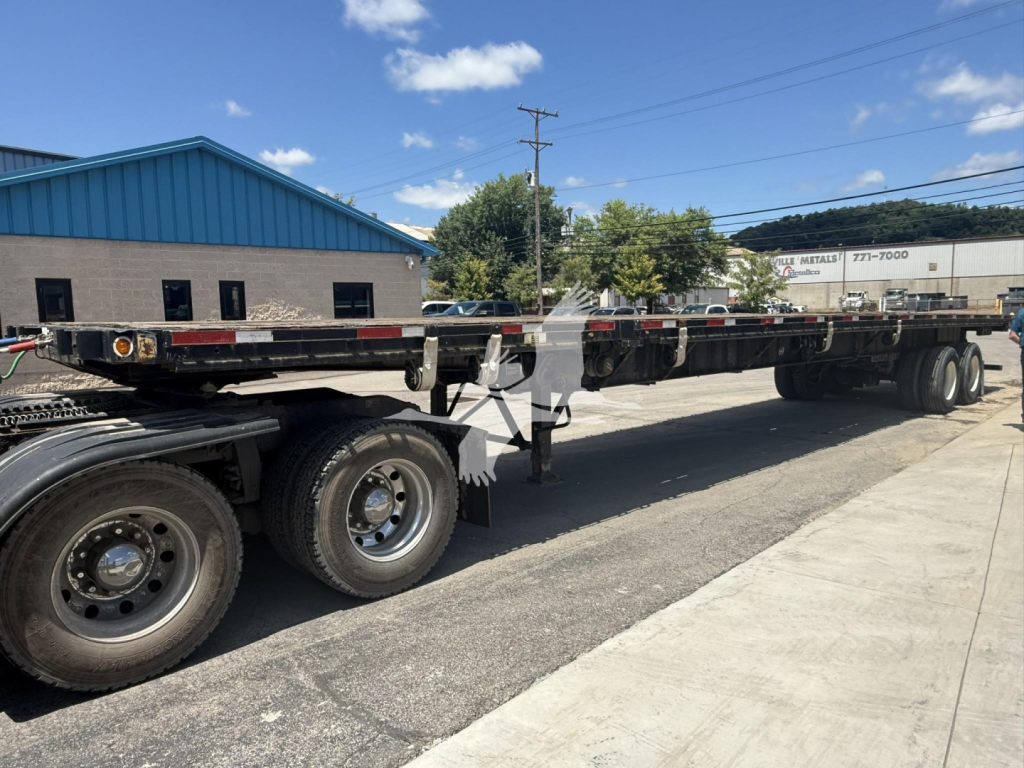
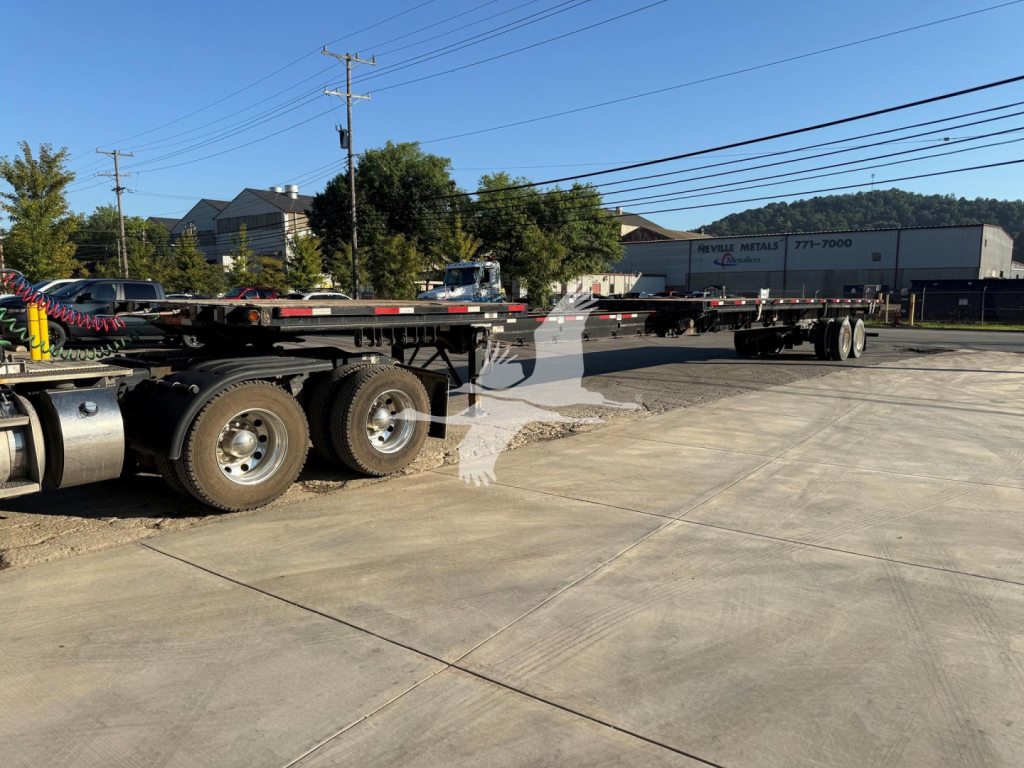
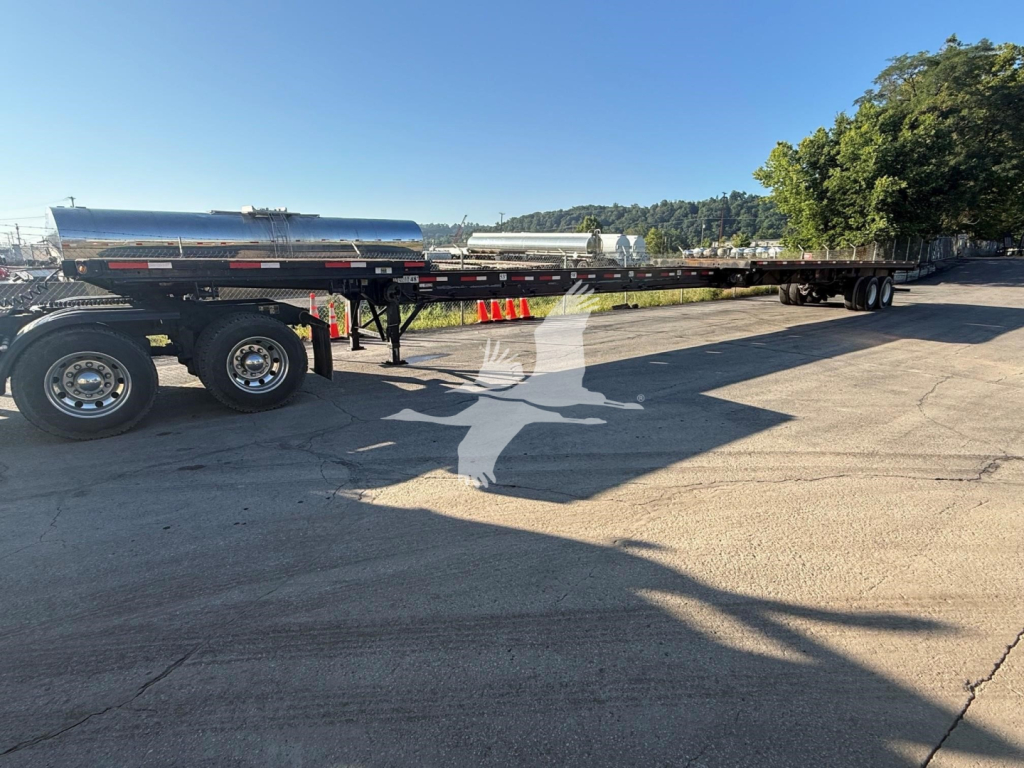
For this category, frame condition matters more than paint. Check crossmember spacing, main beam integrity, side rail wear, floor condition, and any evidence of deck replacement or heavy point-loading. Common buyer checkpoints include winch track condition, sliding winches, chain tiedown pairs, pipe spools, coil package setup, landing gear operation, and kingpin setting. On a 2010 model, suspension and running gear deserve extra attention. Air-ride spreads are common on freight-oriented flatbeds and help with ride quality and cargo protection, while spring ride can still be found on certain applications. Tire size, wheel condition, brake wear, axle alignment, and bushing or air bag condition all affect operating cost after purchase.
Application should drive the spec. A standard 48-foot flatbed works for building materials, machinery, palletized freight, steel, and general open-deck loads. If coils or concentrated freight are part of the lane mix, a proper coil package and reinforced crossmember layout are important. Buyers hauling in the Northeast often pay attention to deck traction, corrosion exposure, and maintenance history because road salt and seasonal weather can shorten service life if a trailer has been neglected. Pennsylvania operators also tend to value practical specs such as 10'2" axle spacing, reliable ABS components, and straightforward parts support for brakes, suspension, and lighting.
A well-kept 2010 flatbed trailer can still fit regional and over-the-road work, especially for fleets or owner-operators focused on cost control. The best value usually comes from matching trailer construction to freight type instead of chasing the lowest upfront price. Deck weight, tiedown count, repair history, and axle configuration have a direct effect on payload flexibility and annual maintenance. For buyers comparing multiple used flatbeds, the strongest units are usually the ones with clean structural rails, consistent deck wear, serviceable running gear, and a spec package that supports the exact loads they are expected to carry.
Frequently Asked Questions about 2010 Flatbed Trailers in Pennsylvania
What should I inspect first on a 2010 flatbed trailer?
Start with the structure. Inspect the main beams, crossmembers, side rails, deck surface, and rear frame for cracks, bends, corrosion, or signs of repeated heavy concentrated loading. After that, check the suspension, axles, brakes, tires, wheels, and landing gear. On a 2010 trailer, structural condition and maintenance history usually matter more than cosmetic appearance.
Is an aluminum flatbed better than a steel or combo flatbed?
It depends on the freight. Aluminum flatbeds generally offer lower tare weight, which helps maximize payload and fuel efficiency. Steel flatbeds can handle hard-use environments well but usually weigh more. Combo flatbeds blend aluminum and steel components to balance weight savings with durability, and they are common in general freight applications.
What size and configuration are most common for used flatbed trailers?
The most common setup is a 48' x 102" flatbed with tandem or spread axles. Many buyers prefer air-ride suspension for cargo protection and ride quality. Features such as winch tracks, sliding winches, chain tiedowns, nailing strips, and coil packages are common, but the right configuration depends on whether the trailer will haul lumber, steel, machinery, or general open-deck freight.
Why does axle spacing matter on a flatbed trailer?
Axle spacing affects weight distribution, bridge law compliance, and how the trailer handles different freight placements. A spread axle setup, often around 10'2", can be useful for legal weight distribution and stable hauling, but it can also affect maneuverability and tire scrub in tight turns. Buyers should match axle configuration to their routes, freight mix, and state operating requirements.
Are 2010 flatbed trailers still a good buy for Pennsylvania hauling?
They can be, provided the trailer has been maintained and the frame is in good condition. In Pennsylvania, weather exposure and road salt make corrosion inspection especially important. A sound 2010 flatbed with good brakes, suspension, tires, lighting, and deck condition can still serve well in regional construction, steel, agricultural, and general freight work.