
2010 Flatbed Trailers For Sale
Shop 2010 flatbed trailers with specs that matter: length, deck type, axle setup, suspension, tie-down equipment, and weight ratings.
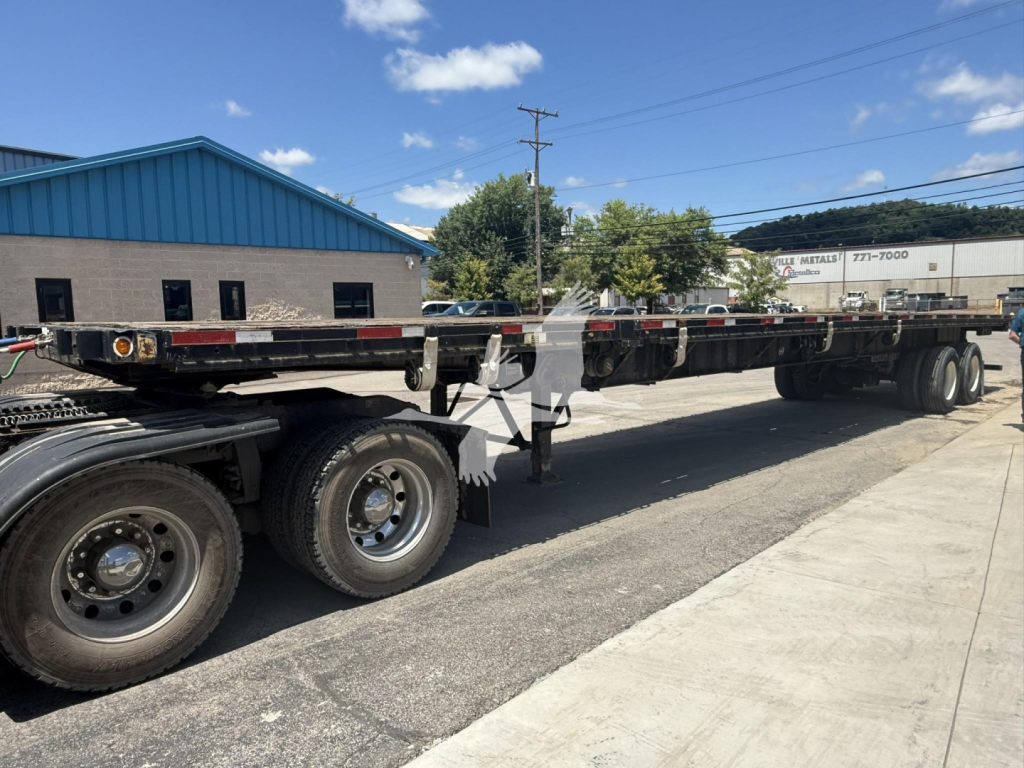
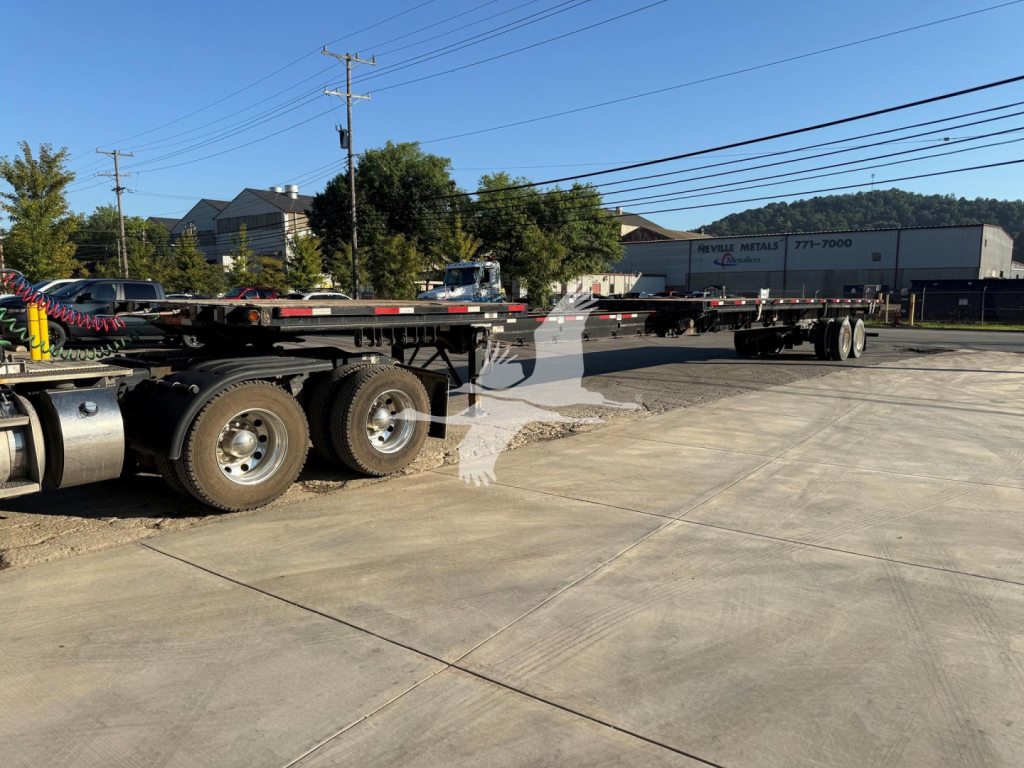
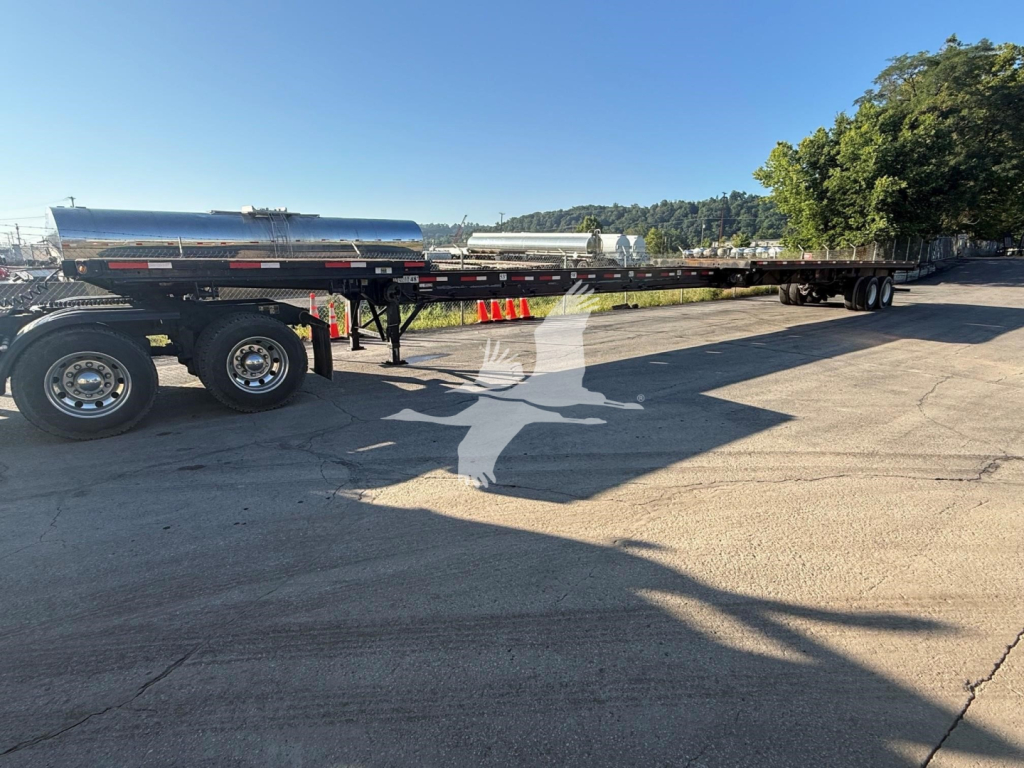
Selling a 2010 flatbed trailer? List your 2010 flatbed trailer for sale and reach thousands of commercial buyers.
2010 Flatbed Trailers
Most 2010 flatbeds on the market will be 48-foot or 53-foot trailers with a 102-inch overall width. Aluminum flatbeds are common because they reduce tare weight and improve payload capacity, while steel flatbeds can offer durability at a lower upfront cost but usually carry more empty weight and are more prone to corrosion if neglected. Common deck configurations include all-aluminum designs, aluminum with wood nailer strips, and traditional wood floors over steel or combo construction. Look closely at the flooring, side rails, winch tracks, stake pockets, pipe spools, and rub rail condition. These details matter because replacement costs add up quickly, especially on older trailers that have spent years in steel, lumber, or construction service.
Suspension and axle setup are just as important as deck material. Many 2010 flatbed trailers were built with tandem or spread axle layouts, often with air ride suspensions from brands like Hendrickson. Spread axles can improve weight distribution and are common in heavy open-deck work, but they can also affect maneuverability and bridge law flexibility depending on your lanes. Tandem sliders may be more useful for carriers that need easier dock approach angles or more axle-position adjustment. Check kingpin setting, landing gear condition, brake type, wheel-end service history, tire size, and wheel material. Buyers hauling concentrated freight should also verify point-load ratings, coil package equipment, extra crossmembers, and rated capacity in 4-foot and 10-foot sections of the deck.
A well-spec’d 2010 flatbed trailer often includes practical freight securement features such as sliding winches, full-length or double-L winch tracks, chain tie-downs, stake pockets, bulkhead options, and coil package reinforcement. For buyers comparing listings, the best unit is not always the lightest or cheapest. It is the trailer with the right structural spec for the freight you actually haul, plus enough remaining life in the deck, suspension, brakes, and frame to avoid immediate reconditioning costs. If your operation runs steel coils, lumber, machinery, or general building products, a 2010 flatbed can still be a productive trailer when the maintenance history and structural condition line up with the application.
Frequently Asked Questions about 2010 Flatbed Trailers
What should I inspect first on a 2010 flatbed trailer?
Start with the structure. Check the main beams, crossmembers, side rails, rub rails, and upper coupler area for cracks, repairs, corrosion, and signs of overload. Then inspect the deck surface, especially around winch track mounts, stake pockets, coil package areas, and landing gear supports. Older flatbeds can still perform well, but structural wear is the biggest factor separating a useful trailer from one that needs major shop time.
Is an aluminum 2010 flatbed better than a steel one?
It depends on the freight and cost target. Aluminum flatbeds typically offer lower tare weight, which helps maximize payload and fuel efficiency. Steel flatbeds usually cost less to buy and can be well suited for rugged service, but they weigh more and require close attention to rust and corrosion. On a 2010 model, overall condition often matters more than material alone, especially if one trailer has documented maintenance and the other does not.
What axle setup is most common on a 2010 flatbed trailer?
Tandem and spread axle configurations are both common on 2010 flatbeds. Spread axles are popular for open-deck freight because they can improve weight distribution and deck loading flexibility. Tandem sliders remain attractive for operations that need easier backing, tighter turning, or more flexibility with bridge compliance. The right setup depends on your freight profile, route restrictions, and customer loading requirements.
How important is a coil package on a used flatbed?
A coil package is very important if you plan to haul steel coils or other concentrated loads. It typically includes extra crossmember reinforcement and dedicated load support in the coil area. Without the proper rating and reinforcement, a trailer may not be suitable for heavy point loads even if its overall GVWR looks adequate. Buyers should confirm both the presence of the coil package and the trailer’s rated capacity in short deck sections such as 4 feet and 10 feet.
What features add value on a 2010 flatbed trailer?
Useful securement and durability features usually add the most value. Full-length winch tracks, sliding winches, chain tie-downs, pipe spools, aluminum wheels, air ride suspension, quality landing gear, and a solid floor all improve usability. A documented brake job, fresh tires, recent wheel-end service, and minimal frame repair history can be even more valuable than cosmetic appearance because they reduce immediate operating costs.