
2010 Trailers For Sale
Browse 2010 trailers for sale, including dry vans, containers, and specialized hauling trailers with specs that matter to fleet buyers.
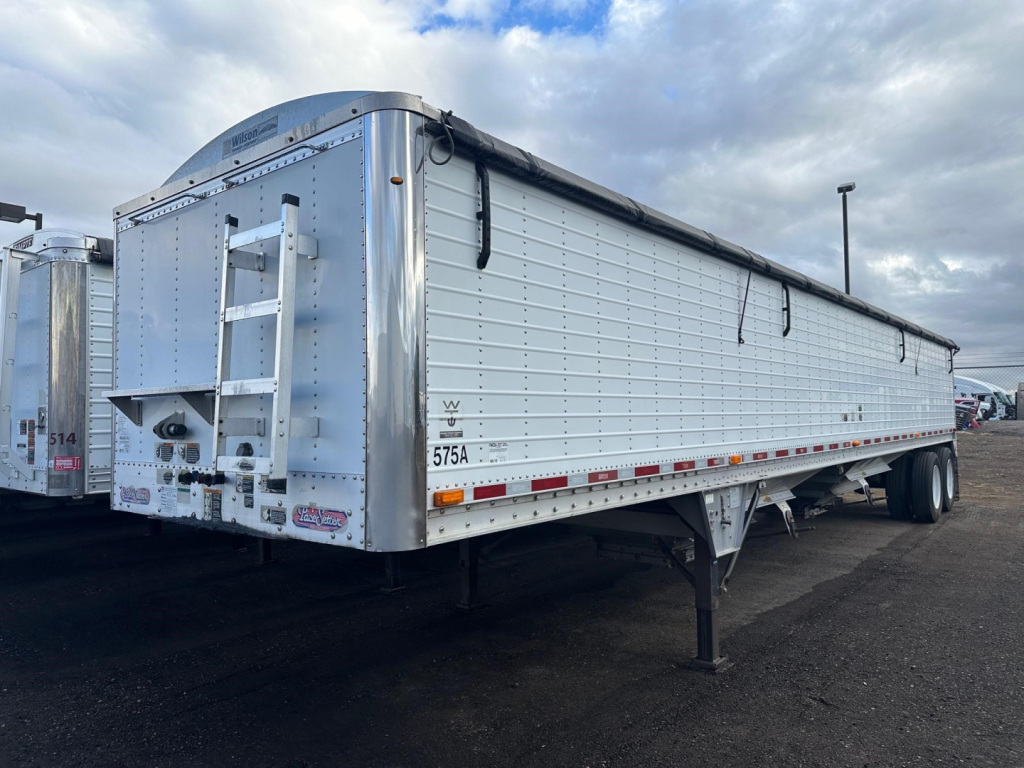
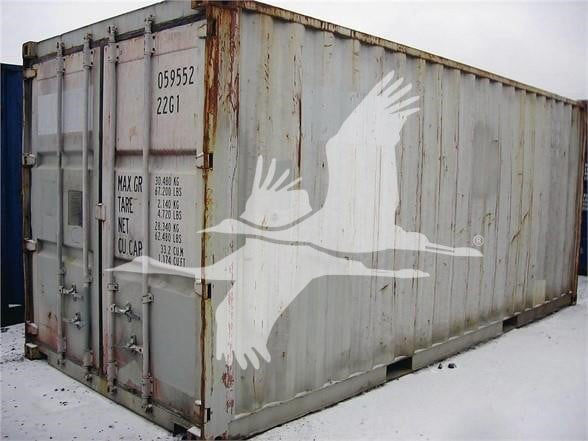
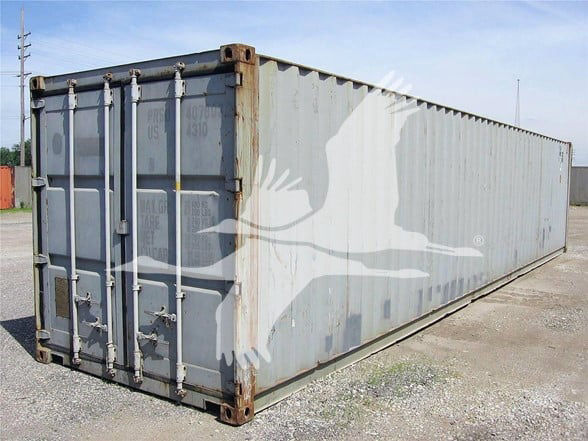
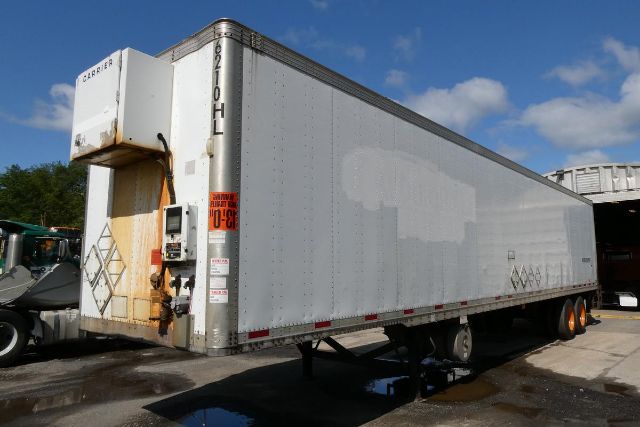

Selling a 2010 trailer? List your 2010 trailer for sale and reach thousands of commercial buyers.
2010 Trailers
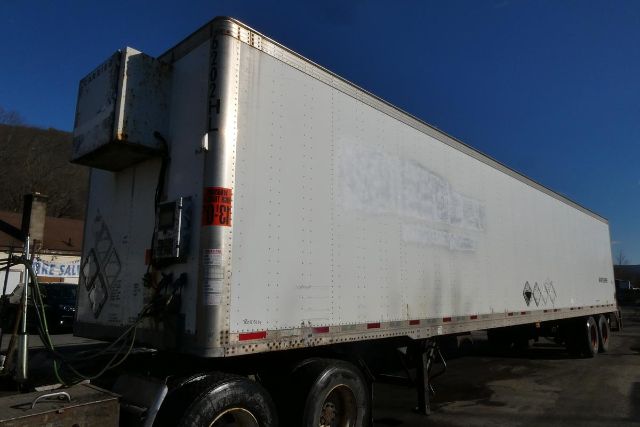
For dry van buyers, the main decision points are body condition, floor life, and running gear. Aluminum compositions help with tare weight and corrosion resistance, while plywood lining, scuff liners, threshold plates, and E-track can add real cargo-handling value for LTL, retail, and route freight. Sliding tandems remain important for bridge law compliance and dock flexibility. Roll-up rear doors are common on city and regional van work, but buyers should pay close attention to door frame wear, roof condition, floor repairs, crossmember integrity, and the status of accessories like liftgates, tire inflation systems, or heater units.
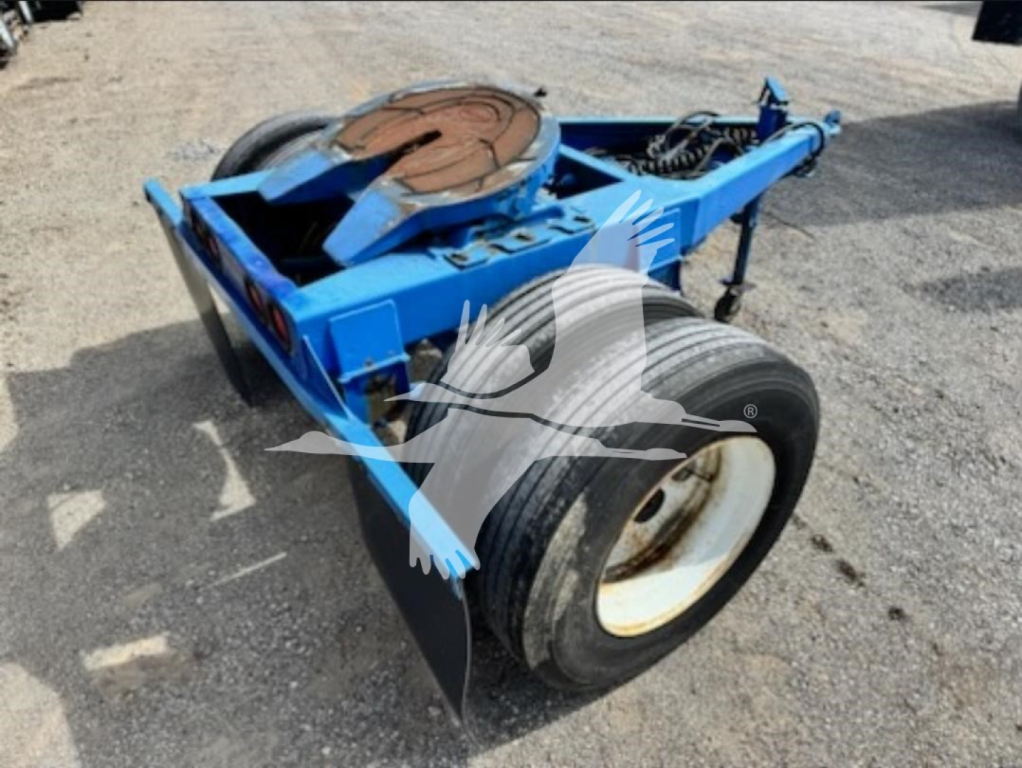
For heavier hauling applications, a 2010 traveling axle or low-profile equipment trailer should be evaluated around deck layout and structural condition first. Main deck length, loaded deck height, swing clearance, kingpin setting, tie-down spacing, side rail condition, and suspension type all affect how the trailer loads and tracks. Air ride suspensions are often preferred for more sensitive loads and better ride quality, while wood deck condition, landing gear function, brake wear, and axle alignment can quickly change operating cost after purchase. If the trailer includes a winch, hydraulic components, or specialty approach plates, those systems deserve close inspection.
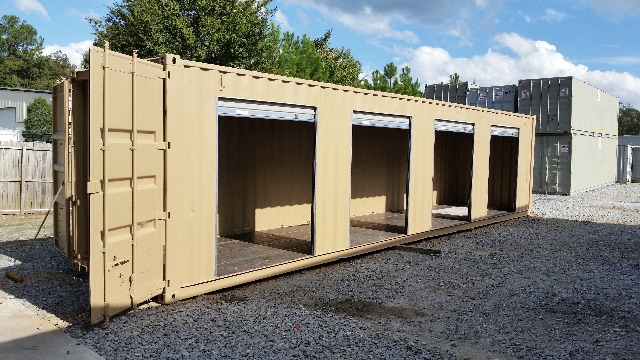
A 2010 container-style trailer or storage unit can still serve well for stationary storage, jobsite support, or intermodal-related use, but buyers should verify floor condition, door seal integrity, corrosion around lower rails, and overall structural straightness. Across all 2010 trailers, it pays to compare GVWR, axle configuration, tire size, wheel type, brake condition, and suspension setup against the freight or equipment you actually move. Age alone does not define value in this category. Maintenance history, prior application, and structural soundness usually matter more than the badge on the nose.
Frequently Asked Questions about 2010 Trailers
What should I inspect first on a 2010 used trailer?
Start with the frame, crossmembers, suspension, brakes, tires, wheels, and floor condition. Structural integrity is more important than cosmetic appearance on a trailer of this age. On dry vans, check for roof leaks, soft spots in the floor, damaged scuff liners, rear frame wear, and door seal issues. On equipment trailers, inspect deck condition, side rails, tie-down points, kingpin area, and signs of cracking or repaired steel.
Are 2010 dry van trailers still good for over-the-road freight?
Yes, many 2010 dry vans can still be productive in over-the-road, regional, or local service if they have been maintained properly. Buyers should focus on axle alignment, brake life, suspension condition, door operation, and the state of the floor and roof. Features such as sliding tandems, E-track, plywood lining, air ride, and tire inflation systems can make an older van more useful and easier to keep in service.
Is air ride better than spring ride on a 2010 trailer?
Air ride is generally preferred when cargo protection and ride quality matter, especially for higher-value or damage-sensitive freight. Spring ride can still be a good fit for tougher freight and lower acquisition cost, but it often rides harsher and may be less forgiving on uneven roads. The better choice depends on your freight profile, lane conditions, and maintenance budget.
What specs matter most when comparing 2010 equipment or traveling axle trailers?
Deck height, deck length, axle capacity, suspension type, kingpin setting, swing clearance, tie-down layout, and overall structural condition are the main factors. A lower loaded deck height can improve transport flexibility, while proper tie-down spacing and strong side rails matter for safe securement. Brake percentage, tire condition, landing gear operation, and any hydraulic or winch systems should also be reviewed closely before purchase.
Does trailer age matter more than maintenance history on a 2010 trailer?
Maintenance history usually matters more. A well-kept 2010 trailer with documented brake work, suspension service, floor repairs, and consistent inspections can outperform a newer trailer that has been neglected. Buyers should look for signs of regular upkeep, quality repairs, and a prior application that matches the trailer’s current condition. The best value is usually the trailer with solid structure and predictable remaining service life.