
2010 Container Trailers For Sale
Shop 2010 container trailers and shipping containers. Compare sizes, payload, structural condition, doors, floors, and intermodal compatibility.
Selling a 2010 container trailer? List your 2010 container trailer for sale and reach thousands of commercial buyers.
2010 Container Trailers
For container trailers, focus on the match between the trailer and the boxes you plan to haul. Key decisions include fixed versus adjustable chassis, tandem slider position, axle spread, suspension type, tire size, brake setup, and overall tare weight. A lighter chassis can improve payload, but structural repairs and rust history should be checked closely on older units. Buyers running port, rail, or drayage work should verify kingpin settings, ride height, lighting compliance, and whether the trailer is set up for the common container lengths used in the lane. Twist locks, rear bolster condition, crossmember health, and signs of neck or frame cracking deserve a careful inspection because these areas take repeated loading stress.
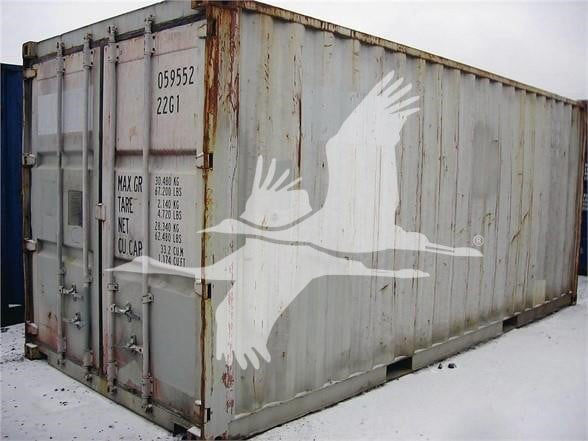
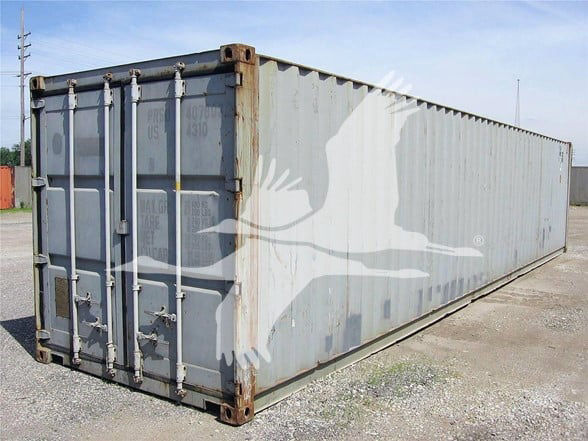
If the equipment is a shipping container rather than a road-going chassis, the important specs shift to length, cube, door opening, floor rating, and weather resistance. Common sizes include 20-foot and 40-foot units, with high cube containers offering extra interior height for bulkier cargo or conversion work. Many buyers look for wind and water tight condition, solid wood floors, straight side panels, and functioning cargo doors with intact gaskets and lock boxes. A 2010 container can still be a strong value if it has been maintained well and has limited structural damage, but it is smart to inspect for patched panels, forklift pocket damage, roof dents, and corrosion along the bottom rails and door frames.
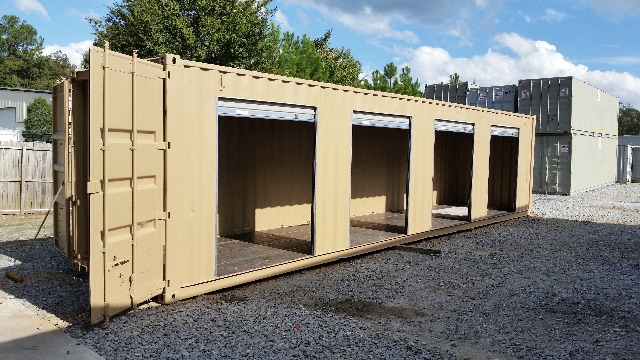
The best 2010 container equipment for sale depends on how it will be used day to day. For drayage and intermodal freight, uptime, compatibility, and legal weight distribution come first. For storage, durability, security, and ease of placement usually matter more than cosmetic appearance. For modified units such as office-storage combinations, buyers should also review insulation, electrical work, HVAC installation, and any added openings that could affect structural strength. A careful review of dimensions, certification status, repair history, and intended application will usually tell you more than the year badge on container equipment in this category.
Frequently Asked Questions about 2010 Container Trailers
What should I inspect first on a 2010 container trailer?
Start with the frame, neck, crossmembers, rear bolster, and twist-lock assemblies because these components carry the load and show fatigue first. Check for corrosion, weld repairs, bent sections, cracking near high-stress points, and uneven tire wear that may indicate alignment or suspension problems. Brake condition, slider operation, lighting, and kingpin wear also deserve close attention on a 2010 chassis.
Are 2010 shipping containers still good for storage or freight use?
They can be, provided the container remains structurally sound and weather resistant. A well-maintained 2010 container may still offer many years of service for storage, jobsite use, or certain freight applications. Buyers should inspect the roof, floor, door seals, corner castings, bottom rails, and side panels for rust, impact damage, soft spots, or evidence of major patchwork before making a decision.
What sizes are most common in container equipment?
The most common container sizes are 20-foot and 40-foot, with 40-foot high cube units popular when extra cubic capacity is needed. Domestic applications may also use 45-foot or 53-foot containers, depending on the operation. On the trailer side, the chassis or frame must be configured to properly support the container lengths you plan to move, so compatibility is a major buying point.
What is the difference between a container trailer and a shipping container listing?
A container trailer is a road-going trailer, often a chassis, designed to carry an intermodal container using twist locks and the correct support points. A shipping container listing usually refers to the steel box itself, used for storage, overseas shipping, domestic freight, or modifications such as office-storage combinations. The buyer should confirm which type of equipment is being offered because the application, legal requirements, and inspection points are very different.
Is high cube worth it when buying a container?
High cube is worth considering when cargo height, interior working room, or storage volume is a priority. These containers typically provide about one extra foot of interior height compared with standard units, which can make a meaningful difference for palletized freight, equipment storage, or container conversions. The tradeoff is that buyers should confirm transport compatibility and clearance requirements if the unit will be moved regularly.