
2010 Van Trailers For Sale
Browse 2010 van trailers for sale, including common 53-foot dry van specs, tandem options, door types, floors, and cargo-ready features.
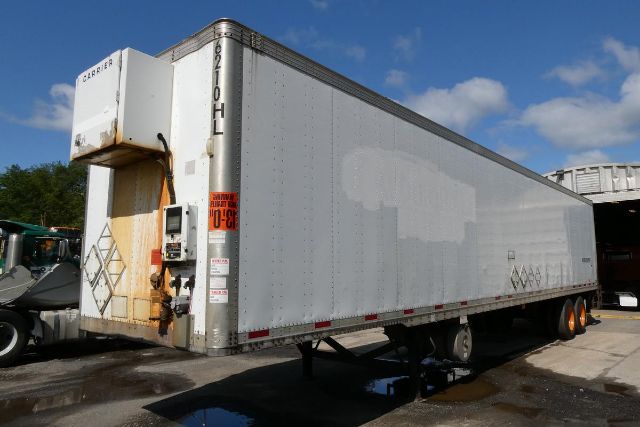
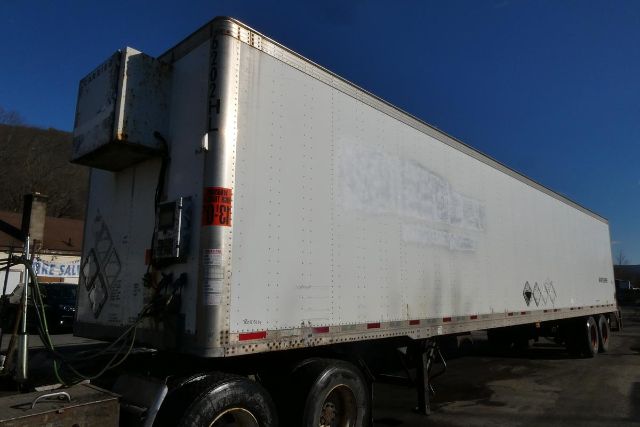

Have 2010 van trailer to sell? List it here to reach thousands of buyers.
2010 Van Trailers
Construction and running gear matter more than badge alone on an older van trailer. Many 2010 dry vans were built with aluminum roofs, wood floors over steel crossmembers, and either plate or composite side panels. Look closely at floor condition, crossmember spacing, scuff liner wear, threshold plate repairs, and signs of forklift damage at the rear. Suspension choice is another major point. Air ride is generally preferred for ride quality and freight protection, while spring ride can still make sense for simpler applications and lower acquisition cost. Sliding tandems remain important for bridge law compliance, dock positioning, and weight distribution, so buyers should confirm slider function, rail condition, and locking pin operation.
Door configuration affects daily usability. Swing doors are common on dry vans and are straightforward for full dock access, while roll-up doors can be useful in urban delivery or multi-stop work where space behind the trailer is limited. Inside cargo control features such as logistic posts, E-track, plywood or composite lining, and scuff plates can add real value depending on the freight. Buyers hauling beverage, paper, packaged food, furniture, or consumer goods should match the interior setup to their securement needs instead of planning on retrofits later. Tire size, wheel type, brake setup, and axle configuration also deserve attention, since replacement costs on a used trailer can quickly change the total cost of ownership.
For a 2010 van trailer, condition history is usually more important than age alone. Check for roof leaks, wall delamination, rear sill corrosion, side skirt damage if equipped, and uneven tire wear that may point to alignment or suspension issues. If the trailer will run long regional or over-the-road lanes, features such as low-profile tires, aerodynamic side skirts, tire inflation systems, and disc brakes can improve operating efficiency and serviceability. A well-kept 2010 dry van can still be a productive trailer for general commodity freight, provided the structural components, doors, brakes, and floor system are sound.
Frequently Asked Questions about 2010 Van Trailers
What are the most common specs on a 2010 van trailer?
Most 2010 van trailers on the used market are 53-foot dry vans with a 102-inch width and 13-foot 6-inch overall height. Common configurations include tandem axles, sliding tandems, air brakes, 22.5-inch tires, wood floors, aluminum roofs, and either swing or roll-up rear doors. Interior height, wall construction, and suspension type can vary, so those details should be confirmed against the freight you plan to haul.
Is air ride better than spring ride on a 2010 dry van?
Air ride is usually preferred when freight protection, ride quality, and driver acceptance matter. It can reduce cargo shock and is common in fleet van applications. Spring ride is simpler and can cost less to maintain, but it generally delivers a rougher ride. On a 2010 trailer, the better choice often comes down to condition of the suspension components, intended use, and total maintenance needs rather than suspension type alone.
What should I inspect first on a used 2010 van trailer?
Start with the floor, roof, rear frame, doors, and suspension. Floor rot, broken boards, patched threshold plates, roof leaks, bent rear frames, worn door hardware, and damaged crossmembers can all be expensive repairs. Then check the slider rails, locking pins, brake components, tire wear, and signs of impact damage on the sidewalls. A solid structural inspection is more important than cosmetic appearance on a trailer of this age.
Are swing doors or roll-up doors better on a van trailer?
Swing doors are generally better for maximum rear opening and full dock access, and they are common in standard over-the-road freight service. Roll-up doors can be useful for multi-stop delivery, tight urban docks, and operations where drivers need quick access without the door swing area. The tradeoff is that roll-up doors can reduce usable rear opening height and add maintenance points in the track and spring system.
Can a 2010 van trailer still work for over-the-road freight?
Yes, a 2010 van trailer can still be a good over-the-road freight trailer if its structure and running gear are in good condition. Many older dry vans continue to perform well in regional and longhaul service when brakes, tires, suspension, floor system, and door seals are maintained properly. Buyers should focus on structural integrity, cargo readiness, and maintenance history before putting age at the center of the decision.