
2010 Vanguard Van Trailers For Sale
Shop 2010 Vanguard van trailers with specs that matter, including 53-foot dry van dimensions, suspension, floor condition, doors, and slider setup.
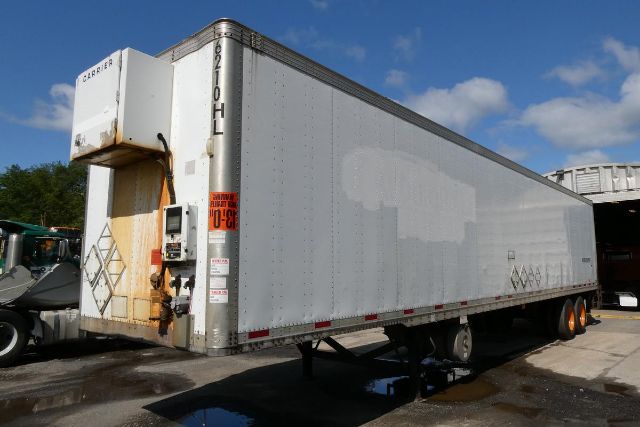
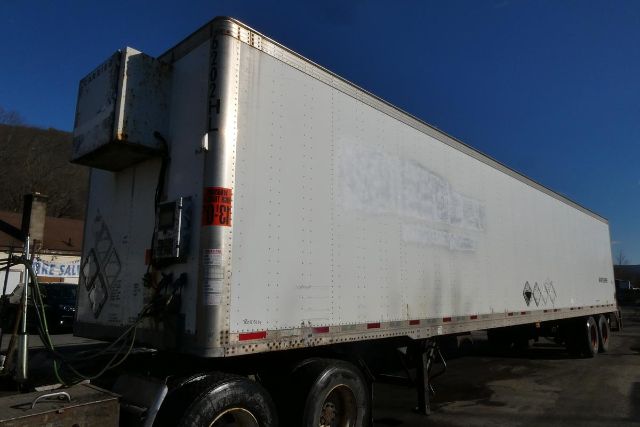

Have 2010 vanguard van trailer to sell? List it here to reach thousands of buyers.
2010 Vanguard Van Trailers
The condition of the structure matters more than almost any published spec on a 2010 model. Buyers should pay close attention to the roof skin, upper rails, crossmembers, rear frame, and front wall for signs of impact damage, corrosion, or previous repairs. Inside the trailer, the floor, scuff liner or scuff plate, logistics posts, and threshold plate tell you a lot about how hard the trailer has worked. A dry van with sound crossmembers, a solid wood floor, and straight sidewalls will usually hold value better than one with cosmetic appeal but weak understructure.
Running gear and door configuration also affect day-to-day usability. Many Vanguard vans from this era were spec'd with air ride or spring ride suspension, 22.5 low-profile tires, standard disc or steel wheels, and Jost-style two-speed landing gear. Sliding tandems remain important for bridge law compliance, dock positioning, and weight distribution across different freight types. Swing doors are still preferred in many fleets for simplicity and full rear opening, but buyers should inspect hinges, door seals, thresholds, and locking hardware closely because rear entry wear is constant on van trailers in heavy route service.
For a buyer comparing multiple 2010 Vanguard van trailers for sale, the best unit is usually the one with the cleanest maintenance history and the least structural fatigue, not just the lowest price. Check VIN plate data, kingpin area wear, brake and suspension condition, tire age, and evidence of regular PMs. If the trailer will be used in high-cube freight, confirm inside height and roof bow condition. If it will be loaded hard with mixed LTL or warehouse freight, make sure the logistics track layout, floor rating, and tandem travel fit the operation. A well-kept 2010 Vanguard dry van can still be a practical revenue trailer when the core structure is right.
Frequently Asked Questions about 2010 Vanguard Van Trailers
What is the typical size of a 2010 Vanguard van trailer?
Most 2010 Vanguard van trailers are standard 53-foot dry vans with a 102-inch outside width and 13-foot 6-inch overall height. Many are built for standard dock service and palletized freight, with inside height often around the low- to mid-100-inch range depending on the exact build. Buyers should verify inside dimensions if cube capacity is important for the freight mix.
What should I inspect first on a used 2010 Vanguard dry van?
Start with the structural components. Check the roof, sidewalls, front wall, rear frame, crossmembers, floor, and kingpin area for damage, corrosion, buckling, or signs of poor repairs. After that, inspect the suspension, brakes, tires, landing gear, lights, and door hardware. On an older van trailer, structural integrity usually matters more than cosmetic appearance.
Are Vanguard van trailers good for general freight service?
Yes. Vanguard dry vans are widely used for general freight, retail loads, packaged goods, and warehouse distribution. Their conventional 53-foot plate van design fits standard docks, common pallet counts, and normal over-the-road routing. The right trailer for this work will have a sound floor, straight body, secure doors, and a tandem slider that still moves and locks correctly.
Why does a sliding tandem matter on a van trailer?
A sliding tandem helps with axle weight distribution, bridge law compliance, and dock approach flexibility. It gives the operator more control over how the trailer is positioned for different freight weights and state regulations. On a used 2010 trailer, buyers should confirm the slider rails, locking pins, and suspension components are in usable condition and not seized or heavily worn.
What floor and interior features are important in a dry van trailer?
The floor is one of the highest-wear areas in any dry van, so buyers should look for rot, delamination, patchwork, broken boards, and weak spots around forklift traffic lanes. Interior features such as scuff liners, logistics posts or track, and threshold plates also matter because they affect cargo securement and resistance to loading damage. A cleaner, better-supported interior usually points to a trailer that has been maintained with freight handling in mind.