
2009 Trailers For Sale
Browse 2009 trailers for sale including van, flatbed, dump, and specialized models. Compare specs, axle setups, floors, suspension, and use cases.
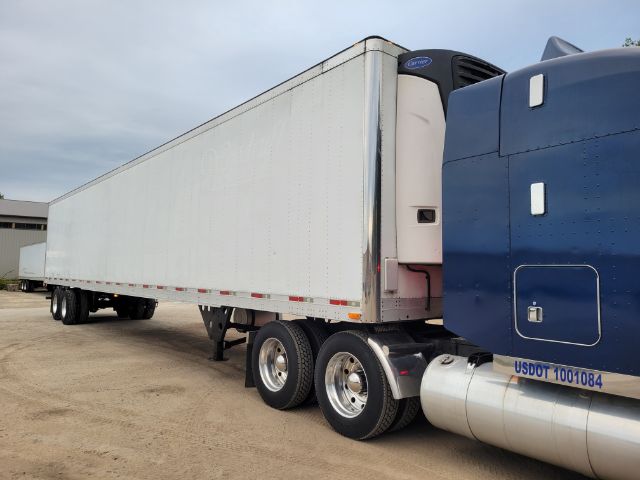
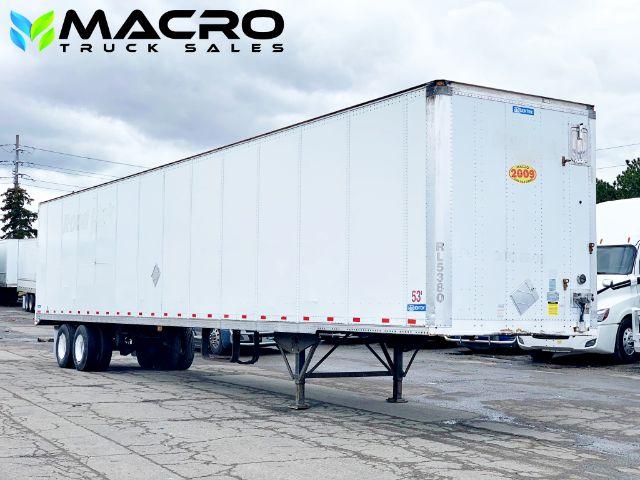
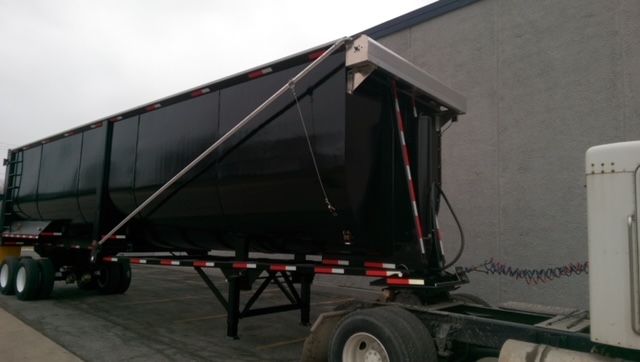
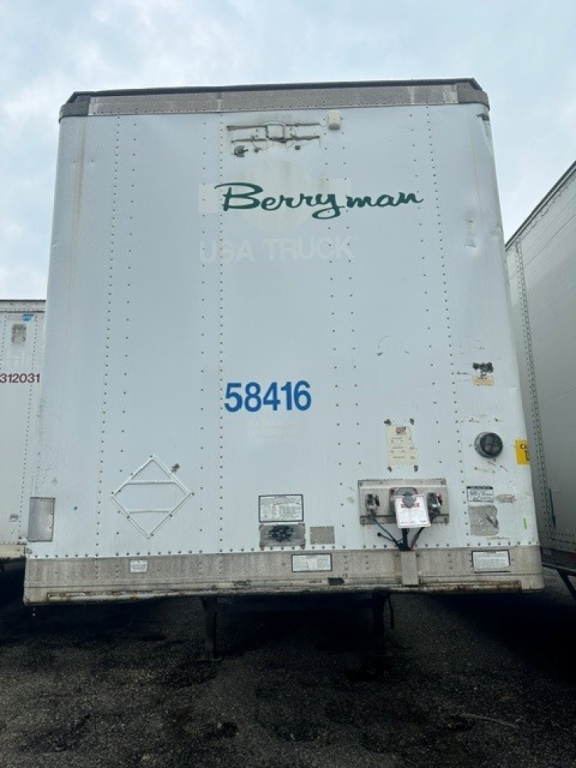
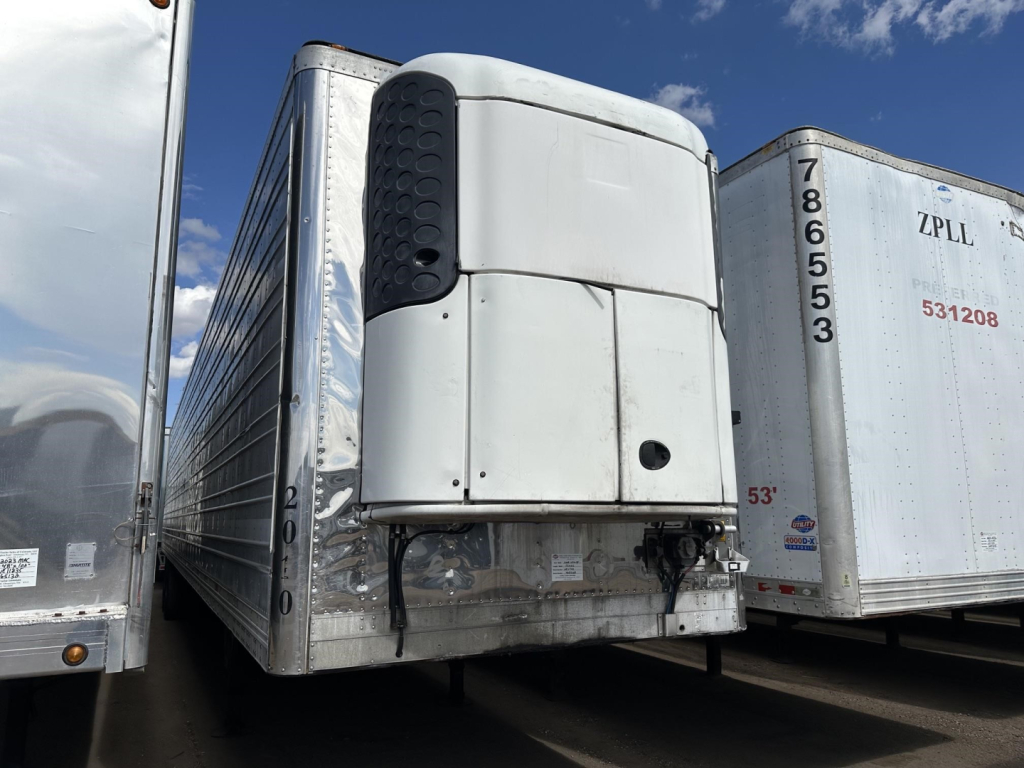
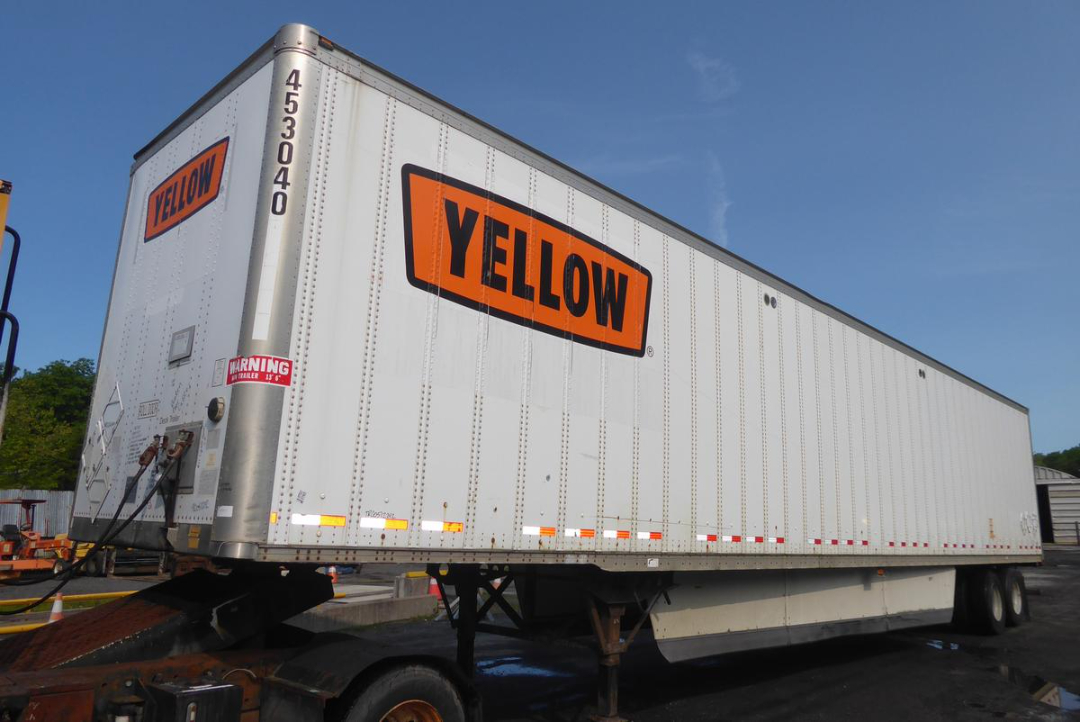
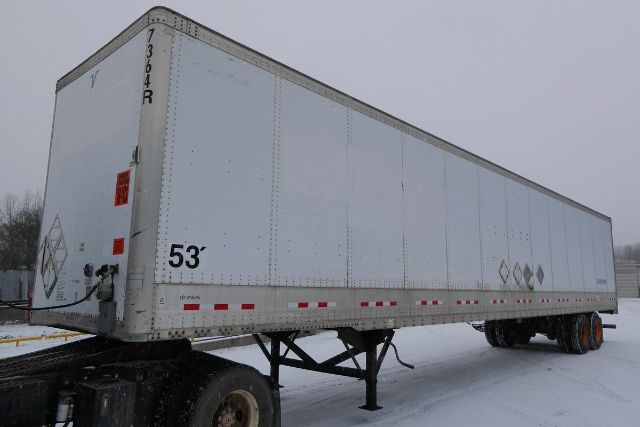
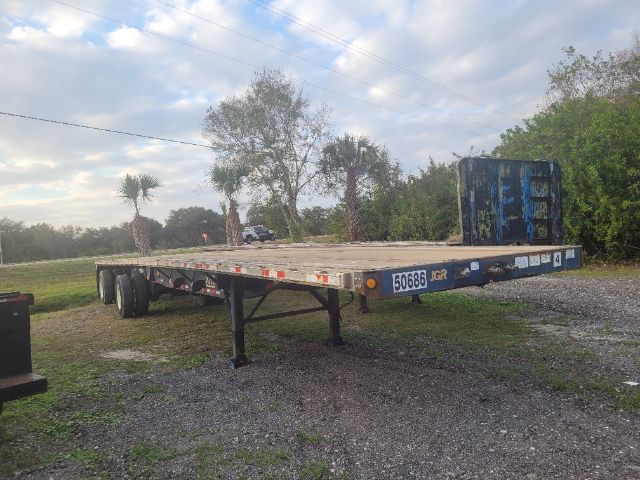


Showing 1 to 28 of 34 results
Looking for the easiest place to sell your 2009 trailer? List it here to reach thousands of buyers.
2009 Trailers
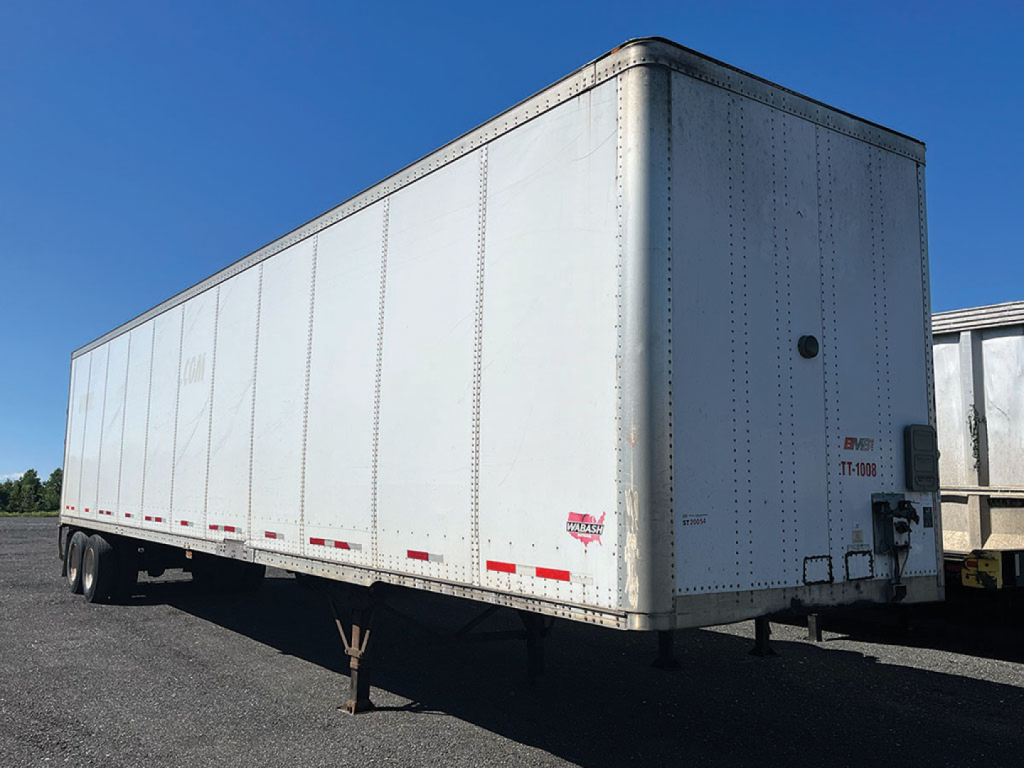
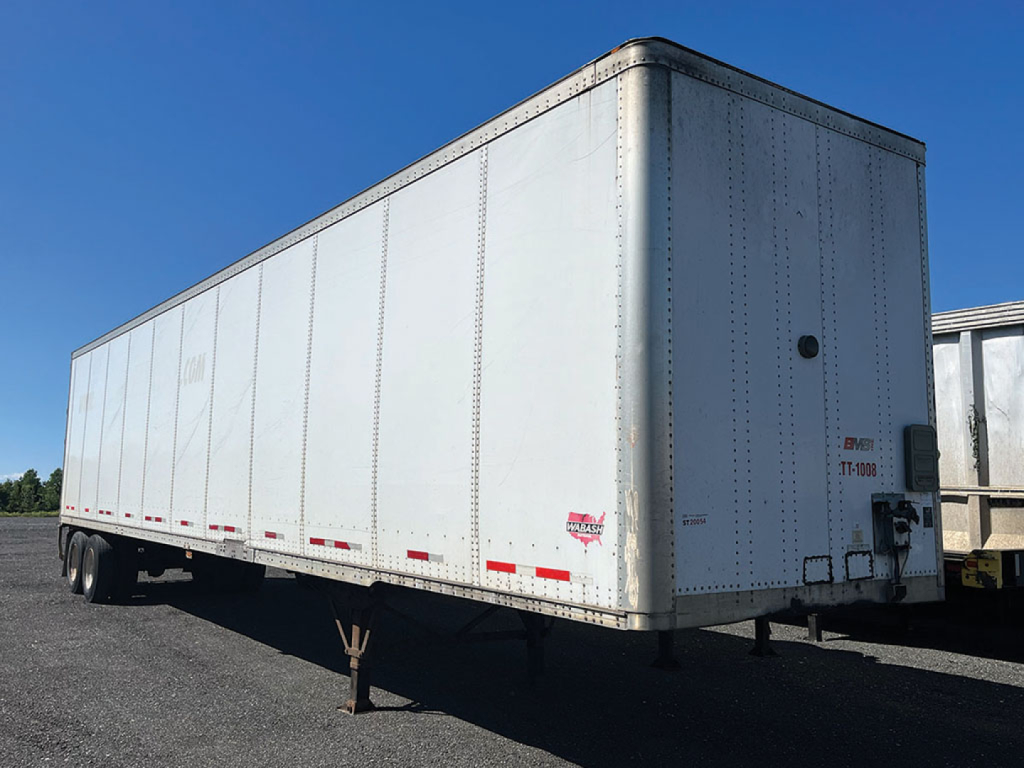
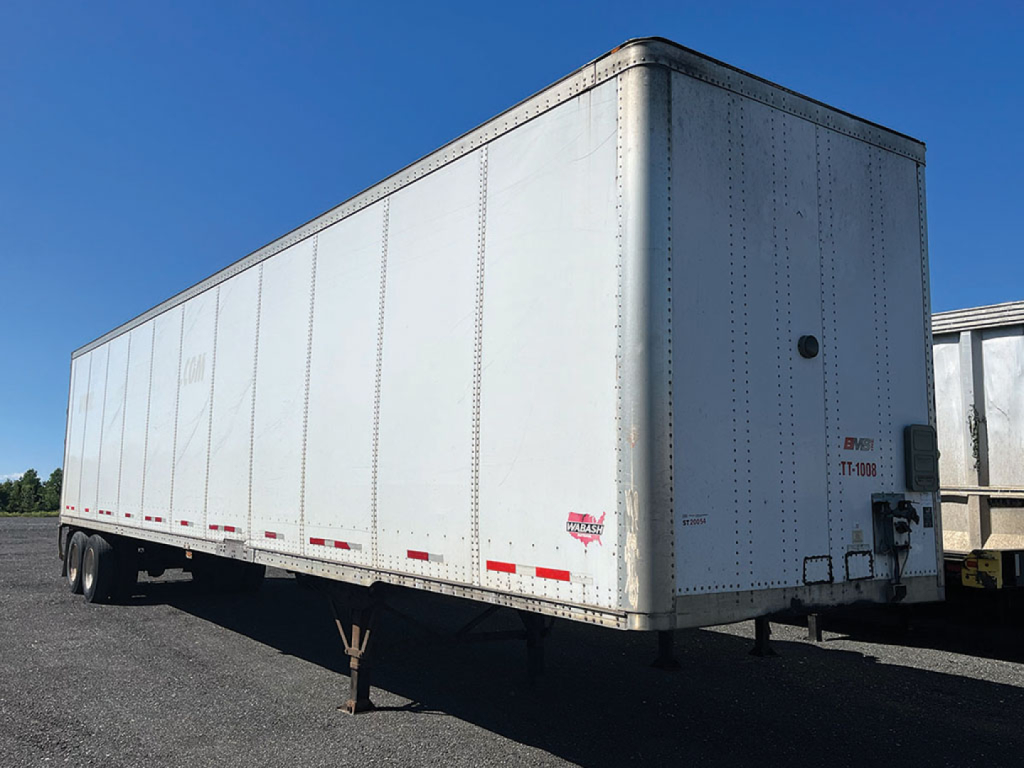
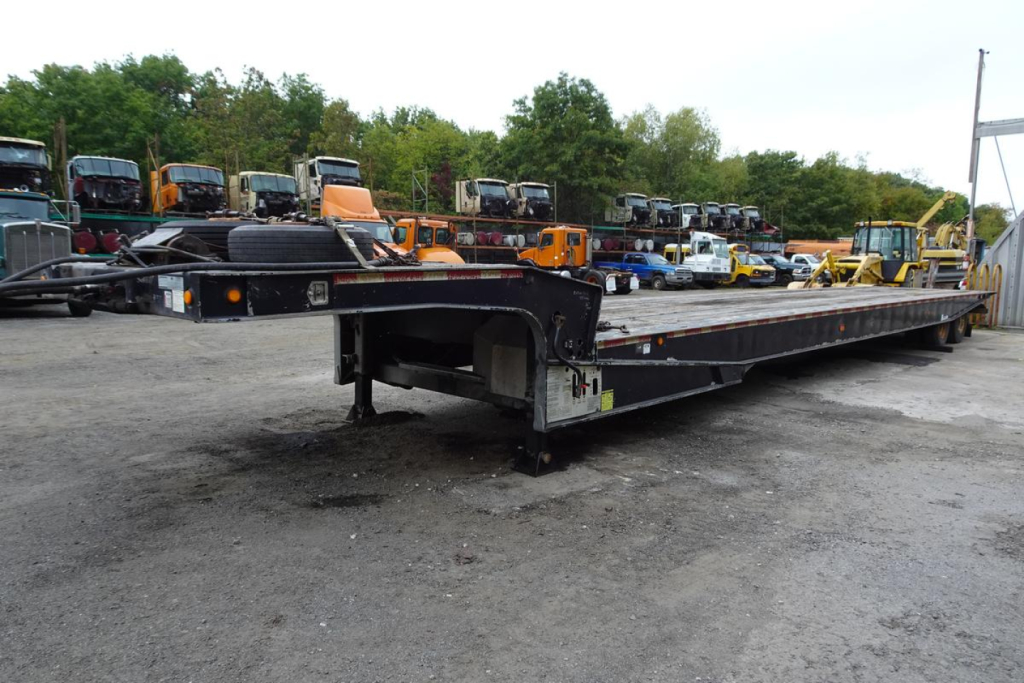
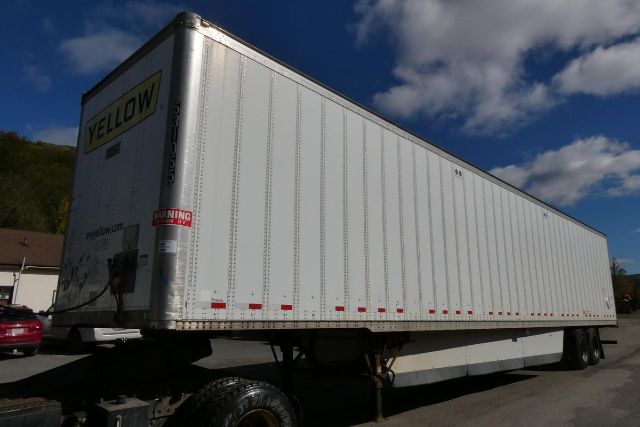
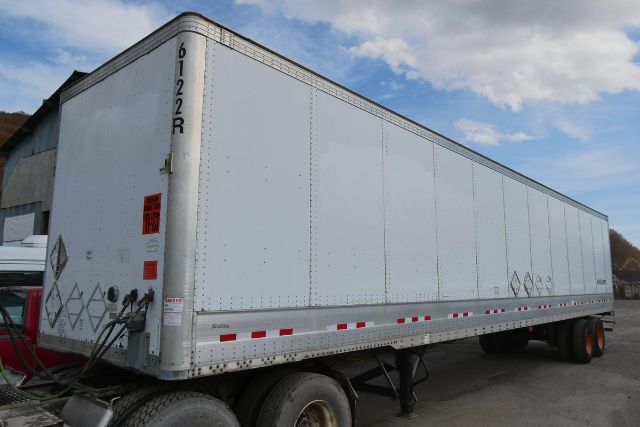
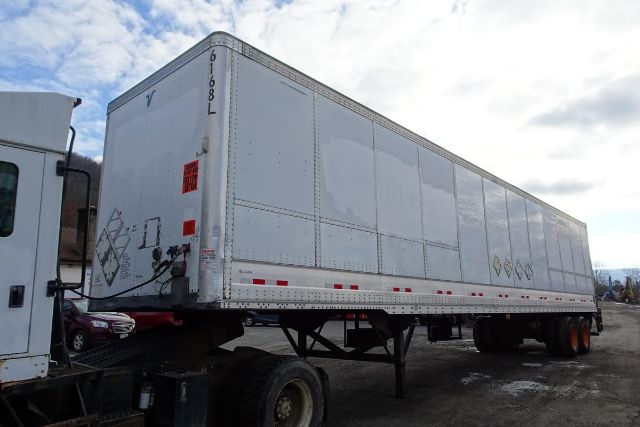
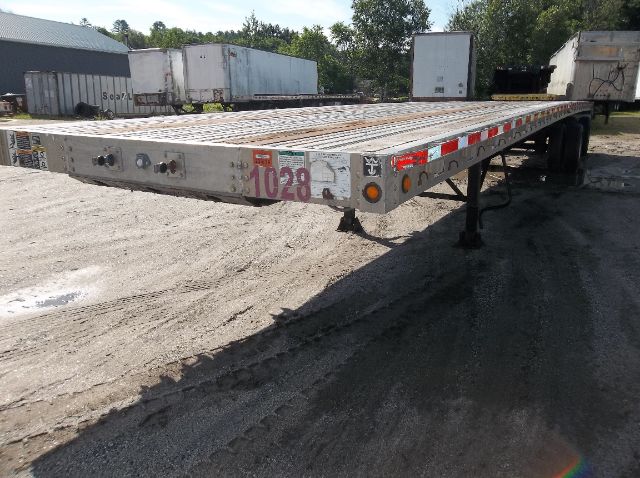
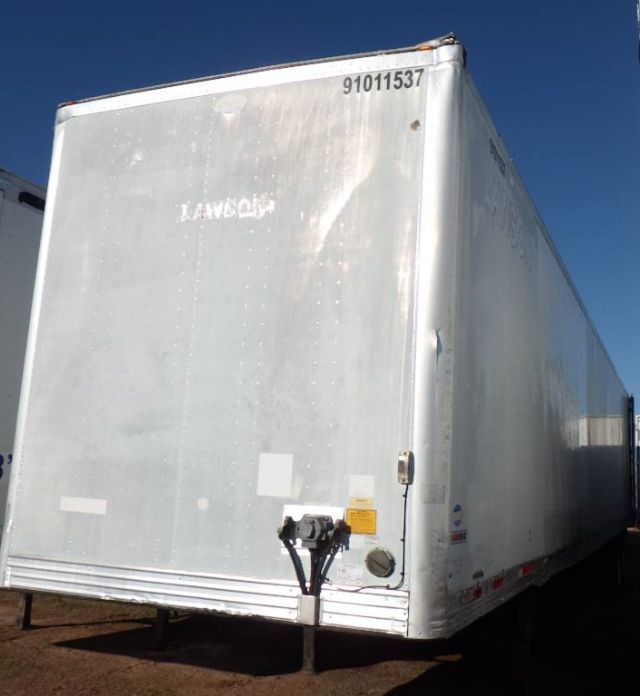
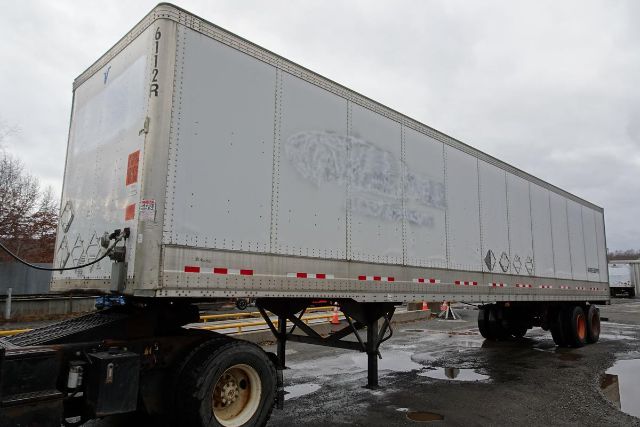
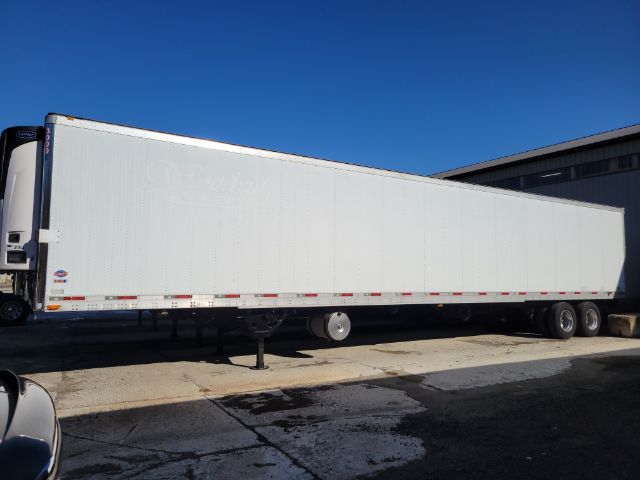
The first decision is trailer type and the freight it will handle. A 2009 van trailer, also known as a dry van, is commonly used for palletized freight, retail distribution, and general over-the-road hauling, with typical specs around 48 to 53 feet in length and 102-inch width. Buyers should pay close attention to inside height, lining, scuff liners, roof condition, rear frame integrity, floor wear, and tandem slider operation. A 2009 flatbed trailer may be aluminum or steel, often in 48- or 53-foot lengths, and should be evaluated for deck condition, coil package setup, winch track wear, side rail damage, and axle spread configuration. In dump or side dump applications, tub condition, cylinder mounts, pivot points, tarp system function, and evidence of cracking or frame stress matter more than cosmetic appearance.
Running gear and compliance items deserve a close look on any 2009 trailer. Suspension type, axle spacing, kingpin setting, brake configuration, wheel-end condition, tire age, and ABS function affect both operating cost and uptime. Air ride remains a preferred spec for ride quality and cargo protection in many applications, while spring ride may still be common on older regional and vocational trailers. If the trailer has sliding tandems, check slider rails, locking pins, and signs of frozen or damaged mechanisms. Electrical systems on older trailers can be a trouble spot, so lighting harnesses, junction boxes, and corrosion at connections should be inspected carefully. On road-going freight trailers, buyers should also confirm current DOT compliance, VIN legibility, and the availability of replacement parts for doors, landing gear, suspension components, and brake systems.
A good 2009 trailer purchase is usually less about model year and more about how it was used, stored, and repaired. Regional delivery trailers may show more dock and rear frame wear, while long-haul units often accumulate higher miles but can have more consistent maintenance. Steel trailers may offer lower upfront cost and toughness in vocational service, while aluminum construction can reduce tare weight and improve payload in van and flatbed work. For buyers comparing multiple listings, the best approach is to match trailer age, structural condition, and spec to the exact lane, commodity, and legal payload requirements of the job.
Frequently Asked Questions about 2009 Trailers
What should I inspect first on a 2009 trailer?
Start with the structure before looking at cosmetic details. Check the frame rails, crossmembers, floor, roof, rear frame, suspension hangers, and kingpin area for cracks, corrosion, poor repairs, or impact damage. After that, inspect running gear items such as brakes, wheel ends, tires, lights, ABS, and sliding tandem components. On older trailers, structural condition and maintenance history usually matter more than appearance.
Is a 2009 trailer too old for over-the-road use?
Not necessarily. A 2009 trailer can still be productive in over-the-road service if it has a solid frame, compliant brake and lighting systems, and has been maintained properly. Age alone does not disqualify a trailer, but buyers should expect more scrutiny on floors, doors, suspension wear, electrical systems, and corrosion. The key question is remaining service life relative to purchase price and intended use.
What trailer types are common in the 2009 model year?
The 2009 model year includes many of the same core trailer categories used today, including dry vans, refrigerated trailers, flatbeds, drop decks, dumps, side dumps, and specialized heavy-haul configurations. Dry vans in this year range are often 48 or 53 feet with wood floors and swing or roll-up doors. Flatbeds commonly appear in aluminum or steel construction with tandem or spread axle setups. Vocational trailers from this year should be checked closely for fatigue in high-stress areas.
What operating costs should I expect with a 2009 trailer?
Operating costs on a 2009 trailer are typically driven by tires, brakes, suspension repairs, wheel-end service, lighting repairs, flooring work, and door maintenance. Older trailers may also need periodic wiring repairs, air system leak correction, and more frequent inspections for structural fatigue or corrosion. A lower purchase price can be attractive, but it should be balanced against expected repair frequency and downtime risk.
How do I choose between aluminum and steel on an older trailer?
Aluminum usually offers lower tare weight and better payload potential, which is attractive for van and flatbed operations. Steel generally costs less upfront and can be well suited for severe-duty or vocational work, but it is heavier and more vulnerable to corrosion if not maintained. On a 2009 trailer, condition is more important than material alone, so inspect for cracks in aluminum structures and rust or previous weld repairs in steel components.