
2009 Flatbed Trailers For Sale
Browse 2009 flatbed trailers for sale. Compare deck length, axle setup, flooring, weight, tie-down options, and hauling applications.
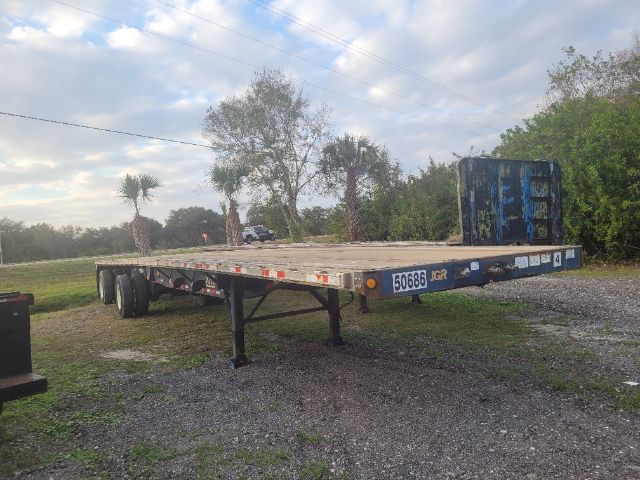

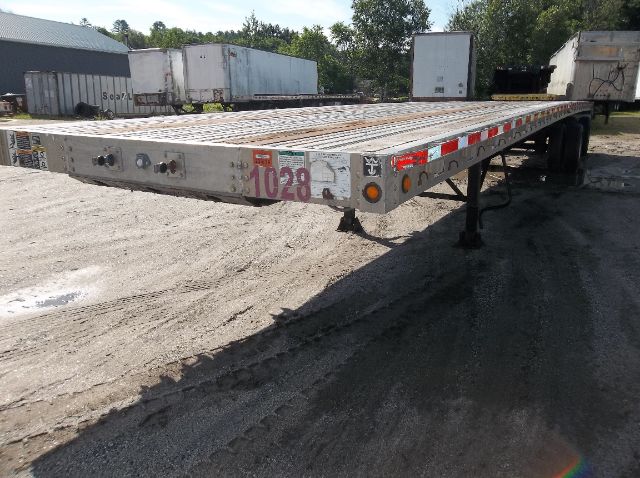
Selling a 2009 flatbed trailer? List your 2009 flatbed trailer for sale and reach thousands of commercial buyers.
2009 Flatbed Trailers
The biggest buying decisions usually come down to frame condition and spec. Combo trailers balance lighter weight with decent durability, while all-steel trailers often appeal to fleets hauling dense freight and buyers who prioritize lower acquisition cost over tare weight. Check crossmember spacing, side rail condition, floor wear, and the integrity of the rear frame, landing gear mounts, and suspension hangers. On a used 2009 flatbed, deck condition matters as much as the beams under it. Buyers should also look closely at stake pockets, winch tracks, sliding winches, chain pullouts, pipe spools, coil package components, and any signs of concentrated load damage from steel or machinery freight.
Axle layout affects both application and resale. A tandem axle flatbed is common for general over-the-road use, while spread axle units can improve bridge compliance and weight distribution in some operations. Air ride suspension is widely preferred for ride quality and cargo protection, but suspension brand, bushing condition, and alignment history are worth reviewing on an older trailer. Tire size, wheel type, brake condition, ABS function, and kingpin wear should all be part of the inspection. If the trailer has specialty features such as a bulkhead, forklift kit, lift axle, or extendable deck, confirm they match the freight you actually haul and do not add maintenance complexity you do not need.
A well-spec'd 2009 flatbed trailer can still perform reliably in regional or long-haul service when the maintenance history is solid and the trailer has not been overstressed. The best value is usually found by matching trailer construction and tie-down equipment to your freight mix instead of buying solely on price. A lightweight aluminum or combo flatbed may pay back through payload gains, while a heavier steel trailer may make sense for severe-duty work, shorter lanes, or operations where durability and simpler repair options matter more than every pound of tare weight.
Frequently Asked Questions about 2009 Flatbed Trailers
What should I inspect first on a 2009 flatbed trailer?
Start with the main frame, crossmembers, suspension mounts, kingpin area, and rear impact structure. On a trailer of this age, structural condition matters more than cosmetic appearance. Then inspect the deck for rot, cracks, gouging, broken fasteners, and uneven wear. Finish with brakes, tires, wheels, lights, ABS, air system leaks, and signs of alignment or axle damage.
Is a 2009 combo flatbed better than an all-steel flatbed?
It depends on the freight and operating profile. A combo flatbed uses a mix of steel and aluminum to reduce tare weight while keeping strength in key load-bearing areas. That can improve payload capacity and fuel efficiency. An all-steel flatbed is typically heavier but may be more attractive for dense freight, rougher service, and buyers who prefer straightforward steel repairs over lightweight construction.
What trailer length is most common for a 2009 flatbed?
The most common lengths are 48 feet and 53 feet, both typically built to a 102-inch width. A 48-foot flatbed remains a standard choice for general freight and broad compatibility with customer docks and loading practices. Some 2009 listings may also include specialized extendable flatbeds for oversized or irregular loads.
Are spread axle 2009 flatbed trailers worth considering?
Spread axle flatbeds can be a good fit when weight distribution and bridge law compliance are important in your lanes. They are common in steel, construction, and heavier commodity hauling. The tradeoff is that spread configurations can be less maneuverable in tight spaces and may have different tire wear patterns or maintenance considerations than a closed tandem setup.
What tie-down equipment should a used 2009 flatbed trailer have?
A useful flatbed spec usually includes stake pockets, sliding winches, a winch track, chain tie-down points, and pipe spools. Some trailers also have coil package features for hauling steel coils safely. The right setup depends on your freight mix. Buyers hauling machinery, steel, lumber, or mixed open-deck freight should make sure the trailer has enough securement points in the right locations, not just a bare deck with minimal hardware.